REVIEW · NEW DELHI
Delhi Food Tour: Try Authentic Old Delhi Food
Book on Viator →Operated by Tour Guide Delhi · Bookable on Viator
Old Delhi tastes like a map you can eat. This 5–6 hour tour strings together famous landmarks and everyday food stops so you get context with every bite—spice market smells, Mughal-era sights, and Sikh-temple calm all in one day.
I especially like how the itinerary blends proper food neighborhoods (Chawri Bazaar, Kinari Bazar, and Chandni Chowk area) with the big visual anchors of Old Delhi and New Delhi. I also like that the logistics are handled—hotel pickup/drop-off, a private chauffeur-driven vehicle, water/snacks, and a rickshaw ride are all part of the package.
One thing to consider: food markets can shut down on public holidays, which can mean fewer tastings and a shifted plan. If your dates land during a major festival, go in with some flexibility.
In This Review
- Key highlights I’d put on your radar
- Price and logistics: what you’re really paying for
- Timing: why a morning start helps your food plan
- Stop 1: New Delhi street food kickoff
- Stop 2: Chawri Bazaar for chole kulche and aloo puri-style comfort
- Stop 3: Kinari Bazar parathas you can actually follow
- Stop 4: Khari Baoli rickshaw travel to Delhi’s spice market and toward Jama Masjid
- Stop 5: Pasar Chandni Chowk and the walking vs. cycle rickshaw rhythm
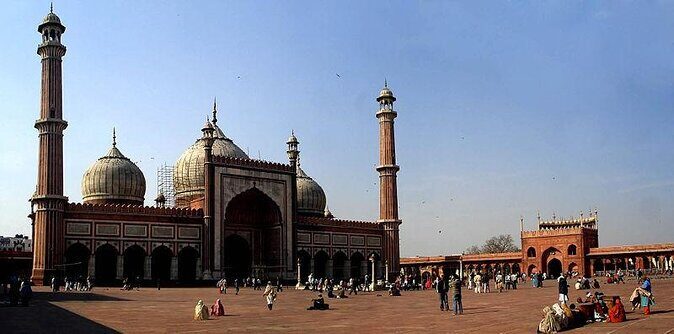
- Stop 6: Jama Masjid, the Friday Mosque and Shah Jahan’s architecture
- Stop 7: Gurudwara Bangla Sahib for a calmer New Delhi finish
- What the food tasting is like (and why the guide matters)
- A balanced reality check: when this tour can feel short on food
- Value for money: who this tour fits best
- Should you book this Delhi Food Tour?
- FAQ
- Where does the tour start, and is pickup included?
- How long is the Delhi Food Tour?
- Do you include a rickshaw ride?
- Which major landmarks are included?
- Is admission to Jama Masjid included in the price?
- What food is included on the tour?
- Can I cancel and get a full refund?
Key highlights I’d put on your radar
- Chawri Bazaar for classics like chole kulche and aloo puri-style street staples
- Kinari Bazar parathas at a stop built around stuffed, unleavened comfort food
- Khari Baoli spice market + rickshaw travel through the lanes toward major sights
- Cycle rickshaws and short walks so you spend less time stuck and more time sampling
- Jama Masjid and Shah Jahan context built right into the stop at the Friday Mosque
- Gurudwara Bangla Sahib as a calmer New Delhi finish point after Old Delhi eating
Price and logistics: what you’re really paying for
At $129 per person for about 5–6 hours, this tour is priced less like a museum ticket and more like a full day of coordination. You’re not just paying for someone to show up with a paper list of foods—you’re paying for the whole flow: pickup and drop-off, a private vehicle with a personal chauffeur, guide time, rickshaw rides, and food tasting plus packaged water and snacks.
That matters in Delhi because distances and traffic can turn a “quick food hunt” into a half-day headache. Here, the tour keeps you moving between Old Delhi corners and New Delhi landmarks without you having to figure out routes on your own. And because it’s a private tour/activity for your group, the guide can tailor pacing if you need slower walking or extra time at a stop.
The other practical detail: this runs with a mobile ticket and offers free cancellation up to 24 hours before start time. So you can book with confidence—and still adjust if your plans change.
You can also read our reviews of more food & drink experiences in New Delhi
Timing: why a morning start helps your food plan
Starting around 9 AM (or your assigned pickup time) is a smart choice. Markets and key streets tend to feel easier to navigate earlier in the day, and you’re more likely to get clean access to stalls before crowds and closures pile up. You’ll also move through a mix of walking and rickshaw rides, and starting earlier helps you keep the whole loop comfortable.
The tour structure also supports a simple rhythm: short walks for getting oriented, cycle rickshaws for longer stretches, and then land-and-sample stops where the guide explains what you’re eating and where you are in the city.
Stop 1: New Delhi street food kickoff
The day begins with pickup from your hotel/airport in Delhi (and nearby areas like Noida and Gurugram), then a tasting start with Delhi street food. This first hour is where you get your bearings—what to expect in terms of flavor styles, how the guide approaches tasting, and what to order when your mouth starts making decisions on your behalf.
One reason this matters: a food tour works best when you understand the basics of what you’re seeing. If the guide sets that early, later stops at Old Delhi markets feel clearer instead of chaotic.
Stop 2: Chawri Bazaar for chole kulche and aloo puri-style comfort
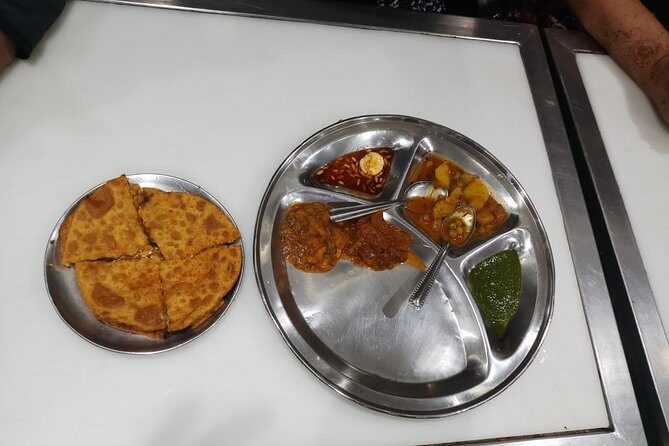
At Chawri Bazaar, the tour leans into Northern Indian favorites. You’ll try dishes tied to everyday local eating habits, including chole kulche (chickpea curry with bread) and aloo puri. Even if you’re not a hardcore spice person, these are usually forgiving introductions: rich, filling, and built around familiar starches.
Why this stop is worth your time: Chawri Bazaar isn’t only about the dish itself. It’s a street-food environment where the flavors make sense together—savory, spiced, and designed for quick hands. That’s exactly what you want early in the loop, before you’ve spent hours walking through Old Delhi’s lanes.
Possible drawback: if something is closed that day, this kind of market stop can lose some of its payoff. Planning around public holidays helps, but sometimes closures are just outside anyone’s control.
Stop 3: Kinari Bazar parathas you can actually follow
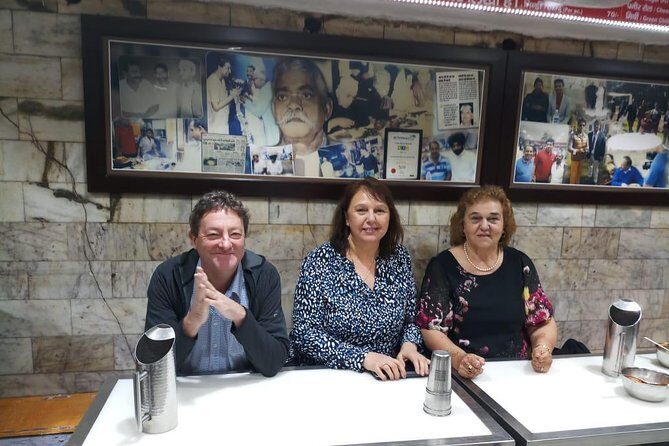
Next up is Kinari Bazar, with a focus on parathas—stuffed, flatbread comfort that’s one of the most common unleavened breads across the region. The tour is structured around parathas because they’re easy to judge while you eat: you can taste fillings, dough style, and how hot and fresh the stall is.
What I like about making parathas a dedicated stop: it gives you a benchmark. After this, when you hit other Old Delhi foods, you can compare texture and spice levels without guessing. It also keeps things grounded—parathas are filling and practical, which helps you handle the rest of the day.
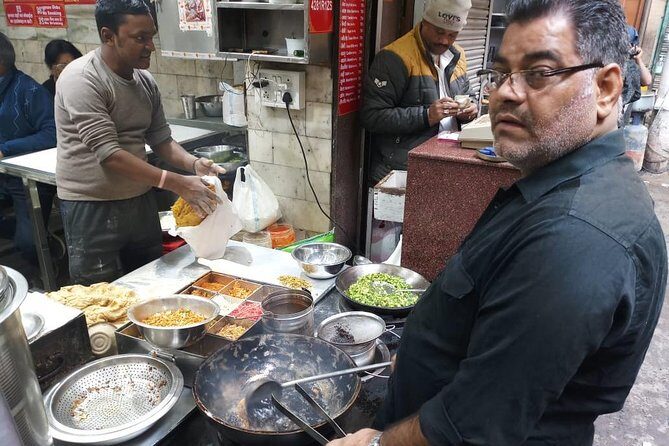
Also: this isn’t a “sit down and wait” stop. You’re moving through an active street context, so you get a real sense of how people buy and eat on the go.
A few more New Delhi tours and experiences worth a look



Stop 4: Khari Baoli rickshaw travel to Delhi’s spice market and toward Jama Masjid
At Khari Baoli, the tour shifts from food-only into sensory geography. You’ll travel by rickshaw and learn about Delhi’s historic walled-city world. Then comes the big draw: Asia’s largest spice market (as described for this tour).
If you’ve never stood near a major spice market in person, here’s what you can expect: a wall of smell that changes block by block. The guide’s job is to help you connect those smells to real ingredients—so it stops being just an aroma hit and becomes a flavor story.
Khari Baoli also ties food to landmark sightlines. The tour stop includes a chance to admire Jama Masjid, giving your day a strong visual anchor before you actually enter.
Trade-off to note: spice-market streets can be crowded and narrow, so your comfort depends on your pace and your willingness to stand for short periods. If you prefer very quiet sightseeing, you may want to ask for extra space or step back briefly between tastings.
Stop 5: Pasar Chandni Chowk and the walking vs. cycle rickshaw rhythm
In the Pasar Chandni Chowk segment, you’ll learn more about Old Delhi as you move through the area. The plan calls for short walks and using cycle rickshaws for longer distances—a smart compromise that keeps you from spending the whole day stuck in foot traffic or losing time to transit.
Why this stop matters: Chandni Chowk is a name most people recognize, but the tour value is in moving beyond the main idea into the side lanes and food-adjacent streets. You get to see how the city’s food culture sits right next to its everyday commerce.
This portion is only listed as 30 minutes, so think of it as a connective tissue stop—enough time to keep momentum and set up the next landmark.
Stop 6: Jama Masjid, the Friday Mosque and Shah Jahan’s architecture
Then you reach Jama Masjid, Old Delhi’s famous mosque. It’s described as the congregational mosque commissioned by Shah Jahan, the fifth Mughal ruler. The tour frames this stop with context, so the architecture reads less like a big photo and more like a historical statement about the city.
You’ll have about 30 minutes here. Admission is not included, so budget a bit extra if you plan to go inside. Even if you don’t, the sight from the right angles can still make the stop feel worth it, especially after the sensory overload of spice markets.
The practical consideration: religious sites can have flow rules and areas where you can’t linger. Dress modestly and follow staff directions. On a busy day, you’ll get more value if you keep your expectations realistic: short time, big atmosphere.
Stop 7: Gurudwara Bangla Sahib for a calmer New Delhi finish
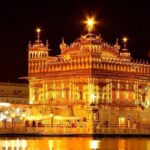
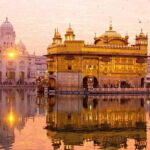
After Old Delhi, the tour moves to New Delhi with a car ride. Your final sightseeing stop is Gurudwara Bangla Sahib, a Sikh house of worship listed on the itinerary for about 40 minutes. It’s positioned as a shift in mood—more open and reflective after the market intensity.
What I like here is how it balances the day. You get street food and spice-market energy in the first half, then end with a landmark that feels more about community and ritual than selling.
Because the itinerary lists admission as free for this stop, it’s also a low-risk add-on: you’re spending time on something culturally central without extra costs.
What the food tasting is like (and why the guide matters)
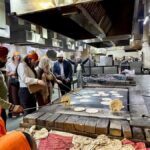
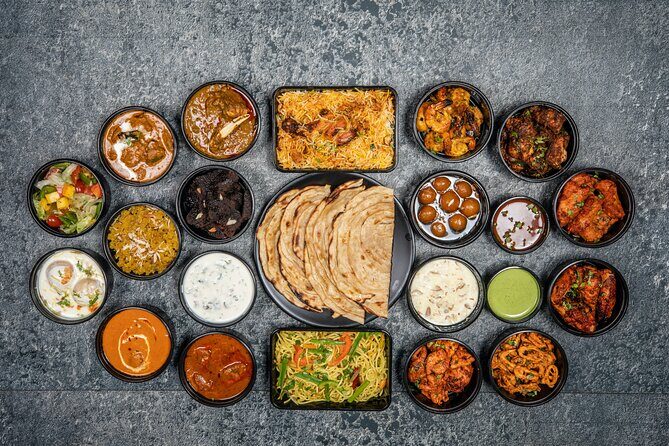
The tour includes food tasting across the stops, with specific dishes called out along the way: chole kulche, aloo puri, parathas, plus items like samosa, jalebi, and chai masala appear in the experience record. The exact mix can vary by day, but the structure is consistent: multiple tasting points in different food zones rather than one long stop.
This is where guide quality makes a real difference. In one standout experience, the guide Vivek is specifically mentioned for being informative about both food and the historic areas you pass. That’s the difference between eating randomly and eating with understanding. When your guide explains what makes a dish regional and what you’re seeing in the streets, you remember it later—more flavor details, less fog.
Also helpful: the tour includes packaged water and snacks, which keeps you from spending the day hunting for basic hydration between tastings.
A balanced reality check: when this tour can feel short on food
The most honest caution comes from how street markets behave on public holidays. On a holiday like Holi, shops can close and the tour may need to adjust. When that happens, the number of tastings you get can shrink—so you may not end up with the full “food-heavy” experience you hoped for.
If your travel dates include a holiday, here’s what I’d do: treat the tour as both food and sightseeing, not food-only. You still get the landmark components—Jama Masjid and Gurudwara Bangla Sahib are on the route—so your day doesn’t fall apart if one market is quiet.
Value for money: who this tour fits best
This is best value if you want:
- A guided Old Delhi + New Delhi combo without planning every route
- Multiple tasting stops across different market areas
- Comfortable movement (pickup/drop-off + chauffeur + rickshaws)
- A day that includes major sights like Jama Masjid and Gurudwara Bangla Sahib along with food
It’s also a strong fit for first-timers. Even if you’re an experienced eater, the spice market + landmark flow can help you understand where the city’s food culture sits.
Where it may be less ideal: if you’re extremely sensitive to crowds and standing in line for short stretches, Old Delhi market areas can be intense. And if you want a guaranteed fixed menu with a set number of dishes on every date, street-food reality means there can be variation.
Should you book this Delhi Food Tour?
I’d say yes if you want an organized way to eat your way through Old Delhi while still seeing major landmarks. The combination of pickup, chauffeur-driven comfort, rickshaw rides, and guided tastings makes the $129 price feel fair for a day that covers a lot of ground.
Book with extra confidence if:
- You’re traveling on a normal weekday pattern
- You like learning while you eat
- You want a mix of spice-market atmosphere and big architectural sights
Skip or adjust expectations if your dates fall on a major holiday like Holi, because market closures can reduce tastings and force route changes.
If you want Delhi food with structure—without turning the day into navigation chores—this one is a solid choice.
FAQ
Where does the tour start, and is pickup included?
The tour starts with pickup from your hotel or your chosen location in Delhi, Noida, or Gurugram. Hotel pickup and drop-off are included.
How long is the Delhi Food Tour?
It runs about 5 to 6 hours.
Do you include a rickshaw ride?
Yes. The tour includes a rickshaw ride, and the Old Delhi portion also uses cycle rickshaws for longer distances.
Which major landmarks are included?
You’ll visit Jama Masjid and Gurudwara Bangla Sahib. The itinerary also includes stops that let you admire Jama Masjid around the Khari Baoli spice market area.
Is admission to Jama Masjid included in the price?
No. Jama Masjid admission is listed as not included.
What food is included on the tour?
The tour includes food tasting. Specific examples listed include chole kulche, aloo puri, parathas, and from the experience record samosa, jalebi, and chai masala.
Can I cancel and get a full refund?
Yes. You can cancel up to 24 hours in advance for a full refund.