REVIEW · JIM CORBETT NATIONAL PARK
Best Wilderness Experience through Jim Corbett Experience
Book on Viator →Operated by Jim Corbett Experience- Feel The Wild · Bookable on Viator
Tiger tracks or just jungle quiet, Corbett hits fast, and this one-day experience is built around staying in the park so you spend more time in the wild than on the road. I especially love how your guide helps you read the jungle—animal behavior, movement patterns, and even the meaning behind alarm calls.
I also like that the package keeps you fed and settled right in the forest rest house area, with breakfast, lunch, and dinner included, cooked by forest staff. That means less rushing, more calm, and more chances to catch wildlife while the forest is actually doing its thing.
Here’s the honest consideration: tiger sightings aren’t guaranteed. Even with strong guiding and effort, some people come back with deer and antelope sightings but no tiger on that particular drive.
In This Review
- Key things I’d circle before you book
- The real value: sleeping inside the Jim Corbett zone
- The jungle safari itself: open gypsy, guide craft, and real expectations
- Morning vs 11:00 am start: how the timing affects your odds
- What you learn on the drive: alarm calls and movement patterns
- Meals included: why eating inside the park is a smart move
- The overnight forest rest house: peace, quiet, and being off the grid
- Transportation and what the open gypsy means for your comfort
- Wildlife sightings: how to judge success on this safari
- Price and value: is $680 for one day actually reasonable?
- Who this safari fits best (and who should think twice)
- Small rules that matter: alcohol and the no-WiFi reality
- Should you book Jim Corbett Experience for this one-day wild stay?
- FAQ
- What is the duration of the Jim Corbett wilderness experience?
- Where does this experience take place?
- What time does the experience start?
- Is pickup offered, and do I get a ticket on my phone?
- What is included in the price besides the safari?
- Are meals cooked for you at the forest rest house?
- Is WiFi available during the safari?
- Are alcoholic beverages allowed in the safari zone?
- What’s the cancellation policy?
Key things I’d circle before you book
- Open gypsy time you can use across your stay, with charges covered for the entire experience
- Guides who focus on animal behavior and alarm calls, not just spotting from a distance
- On-site meals (breakfast, lunch, dinner) so you don’t waste your day changing plans
- Forest rest house overnight, which turns the trip from a quick drive into a real in-the-jungle stay
- Jungle detox factor, with the practical quiet of being off-grid (WiFi on board isn’t included)
The real value: sleeping inside the Jim Corbett zone
What makes this safari feel different is simple: you’re not doing a drive-in, drive-out day. You’re staying in or near the park’s forest rest house for the night, so the jungle doesn’t just become something you visit—it becomes something you experience in stages.
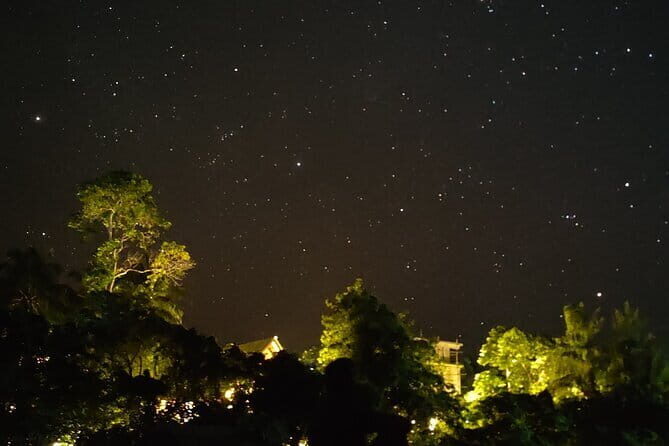
That matters because wildlife rhythms are tied to time of day and human noise. When you stay overnight, you get more of the park’s natural flow, including the quieter hours when the forest feels less interrupted. One-night stays also give you breathing room. You’re not constantly checking the clock for the next transfer.
You’ll also feel the logistics get easier. Pickup is offered, and you’re given a mobile ticket. That means less paperwork and fewer surprises right when you’re trying to stay alert for wildlife.
You can also read our reviews of more tours and experiences in Jim Corbett National Park.
The jungle safari itself: open gypsy, guide craft, and real expectations
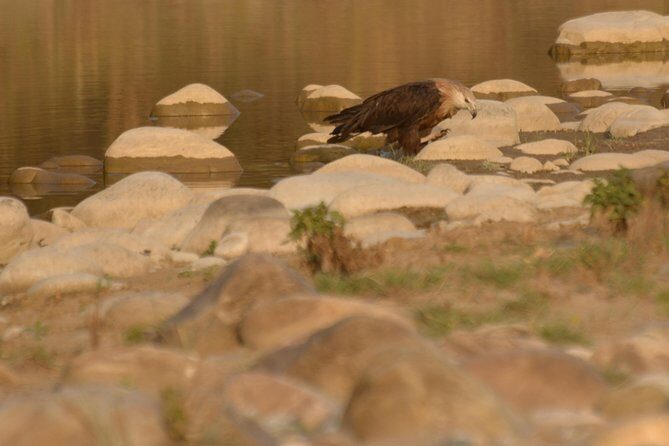
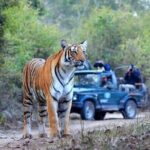
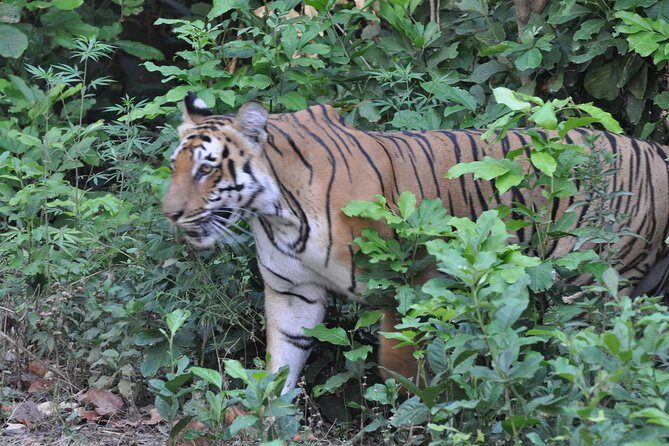
This experience is centered on a safari-style hunt for wildlife in Jim Corbett National Park, with a guide helping you spot animals and understand what you’re seeing. The tour is described as tracking Bengal tigers, and you’ll spend time learning how the ecosystem works while searching for wildlife species within the park.
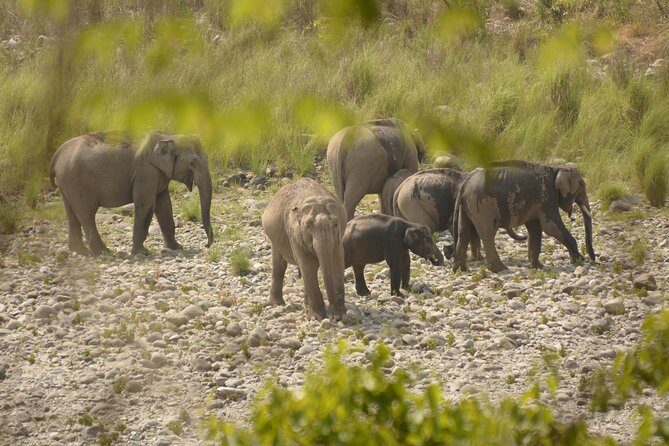
Now, let’s talk about the part you actually care about: seeing big animals. You should expect a mix. Deer and antelope sightings are common during safaris, and that lines up with what people report when tiger doesn’t show up. The guide can improve your odds by choosing likely areas and helping you interpret signs—tracks, movement, and the way animals respond around you.
One detail that’s worth appreciating: this tour isn’t framed as just driving until something appears. The guide teaches animal behavior and how to understand the jungle’s alarm calls. When you start noticing those patterns, the safari becomes active learning instead of passive waiting. Even if tiger stays out of sight, the day still feels like you learned something real.
Morning vs 11:00 am start: how the timing affects your odds
Your tour start time is listed as 11:00 am, which is important. But you’ll also see examples of much earlier departure slots from other schedules in the same region.
So here’s how to think about it: tiger sightings depend on the day’s conditions and the time slot. If your slot is later, you might get different wildlife activity than someone going out at early morning. That doesn’t make your safari a bad bet—it just means you should manage expectations that the strongest wildlife window isn’t automatically built into your exact schedule.
If you’re the type who wants the highest chance of tiger, plan to stay flexible mentally. For many people, the surprise wins come from paying attention: when you’re tuned into the jungle’s signals, you can have a great experience even on a day without the big cat moment.
What you learn on the drive: alarm calls and movement patterns
This tour is heavy on interpretation, not just sightings. You’re told you’ll learn how animals behave, how they move through the jungle, and how to recognize the jungle’s alarm calls.
That’s more useful than it sounds. In a place like Corbett, animals rarely announce themselves with an obvious, cinematic entrance. Instead, they leave clues. When you learn what alarm calls mean, you start understanding why the forest goes quiet for a minute—or why suddenly multiple animals appear in the same direction.
Your guide also helps you connect topography to animal movement. Jim Corbett’s jungle isn’t a flat green carpet; it has specific terrain features that influence where animals prefer to travel and how they hide. When you get that mental map, the safari feels less random. You’re not just hoping. You’re observing.
And if your guide is the experienced style people talk about—one person specifically mentioned Deepak—you’ll feel that shift fast: the tour becomes a guided walkthrough of how life works in the forest.
Meals included: why eating inside the park is a smart move
This package includes breakfast, lunch, and dinner, and the meals are cooked by forest staff present at the forest rest house.
That’s a big deal for two reasons.
First, it saves your energy. When meals are part of the plan, you’re not searching for food or trying to coordinate with transport while you’re still running on safari-day adrenaline.
Second, it protects your timing. Wildlife watching works best when you stay present. If the meal plan forces you out of the flow, you lose prime time. Here, the structure is meant to keep you close to the action.
Also, note the practical comfort detail: this is a one-day experience with an overnight. A predictable meal schedule helps you actually enjoy the night part, not just survive it.
The overnight forest rest house: peace, quiet, and being off the grid
The experience includes a forest rest house for your night stay. You’re not just getting a bed—you’re getting a change in your soundscape. One of the included highlights is that you’ll experience peace and tranquility in the forest rest house.
That quiet is the underrated feature. After hours of scanning tree lines and listening for animal sounds, the rest house becomes where everything catches up. It’s also where the detox from the digital world feels real. WiFi on board isn’t included, and you’re basically encouraged to stop multitasking and start paying attention.
Some nights also come with extra evening rhythm. One review described an evening that included a nature walk, bonfire, light music, and high tea. That may not be identical for every booking, but it fits the general idea of turning the overnight into a meaningful part of the trip rather than an afterthought.
Transportation and what the open gypsy means for your comfort
The safari uses an open gypsy, and the package covers the charges for the vehicle being at the guest’s disposal for the entire stay.
Open vehicles are a double-edged sword—better viewing and more natural sound, but you need to dress for comfort. Since the tour information doesn’t specify weather gear, you should plan for variable jungle conditions. Expect that you’ll be spending long stretches scanning for movement, so bring something practical for sun or cool air depending on the season.
Also remember: with open safari seating, you’ll want to be mindful of posture and movement. Quick turns to check directions are part of the job, and you’ll want your comfort to hold up over time.
Wildlife sightings: how to judge success on this safari
You might see tiger. You might not. That’s the reality of any national park safari, and this one isn’t marketed as a guaranteed big-cat show.
A smarter way to judge this experience is by the full package of learning plus the quality of sightings you do get. If the tiger doesn’t appear, you can still have a valuable safari day with deer and antelope sightings, and with guidance that helps you interpret what’s happening around you.
In other words, tiger is the headline. But the experience is designed to give you something even when the headline stays off-stage.
Price and value: is $680 for one day actually reasonable?
At $680 for an approximately one-day experience, you’re not paying only for a vehicle. You’re paying for a bundle: park-related fees and taxes, forest rest house accommodation, and meals across the day. You’re also covered for the open gypsy charges for the entire stay.
When you add it up conceptually, that’s what makes the price feel more justified. A DIY approach can get pricey fast once you factor in guides, park access costs, and lodging inside the park area. Here, those elements are stacked into one plan, which usually reduces confusion and last-minute expense.
That doesn’t mean it’s automatically a bargain. The key question is whether you value the overnight and the guided learning enough to justify the cost versus a cheaper day-only safari. If you want a short, basic drive, this may feel expensive. If you want the full park feel—guided jungle lessons plus sleeping inside the system—then it starts looking like strong value.
Who this safari fits best (and who should think twice)
This is a great fit if you:
- Want a guided wildlife learning experience, not just a checklist hunt
- Prefer less travel and more time in the park by staying at the forest rest house
- Like the idea of hearing the jungle through alarm calls and animal behavior guidance
- Don’t mind that tiger is possible but not assured
Consider a different option if you:
- Need a guaranteed tiger sighting (no safari operator can promise that)
- Only want a quick morning or afternoon outing with no overnight component
- Expect onboard WiFi (it’s not included)
- Are planning to drink alcohol during the safari window (alcoholic beverages aren’t permitted inside the safari tourist zone)
Small rules that matter: alcohol and the no-WiFi reality
Two practical notes can save you stress later.
First, the experience states you’re not permitted to take hard drinks inside the safari tourist zone of Jim Corbett. So if alcohol is part of your travel routine, adjust your plan before you arrive.
Second, there’s no WiFi on board. That’s not a downside for everyone—actually, it’s often a plus in the jungle. But if you’re counting on connectivity, be realistic.
Should you book Jim Corbett Experience for this one-day wild stay?
I’d book this if you want a safari that teaches as it goes and you value the comfort and time-savings of staying in the forest rest house. The best part isn’t just the chance at tigers—it’s the way your guide helps you understand what you’re seeing, including alarm calls and animal behavior, so the jungle stays interesting even when the big cat doesn’t make an appearance.
If you go in with flexible expectations, you’ll likely come away with a calmer, more connected nature experience than you’d get from a rushed day trip.
FAQ
What is the duration of the Jim Corbett wilderness experience?
It’s listed as approximately 1 day.
Where does this experience take place?
It’s described as happening in Himachal Pradesh & Uttarakhand, India, with the safari focused on Jim Corbett National Park.
What time does the experience start?
The start time is listed as 11:00 am.
Is pickup offered, and do I get a ticket on my phone?
Pickup is offered, and you receive a mobile ticket.
What is included in the price besides the safari?
The included items list covers all fees and taxes, forest rest house accommodation for the night, open gypsy charges for your stay, and breakfast, lunch, and dinner.
Are meals cooked for you at the forest rest house?
Yes. The meals are stated to be cooked by forest staff present at the forest rest house.
Is WiFi available during the safari?
WiFi on board is not included.
Are alcoholic beverages allowed in the safari zone?
No. Guests are not permitted to take hard drinks inside the safari tourist zone.
What’s the cancellation policy?
The experience is non-refundable and cannot be changed for any reason. If you cancel or ask for an amendment, the amount you paid will not be refunded.