REVIEW · ANDAMAN AND NICOBAR ISLANDS
Niel Island Star Gazing
Book on Viator →Operated by Seashell Habitat Institute Activity Centre · Bookable on Viator
Your night becomes a lesson in the sky.
On Neil Island in the Andaman and Nicobar Islands, this stargazing session aims for darkness first, using red light headlamps as you walk to a secluded spot away from light pollution. I love how the experience turns a vague idea of stars into something you can actually follow step by step, with a licensed guide who connects what you see to constellations and the myths behind them.
I also love the chance to look through a serious Dobsonian telescope, not just at a chart on your phone. The possible drawback is simple: this activity needs good weather, and on hazy nights visibility can suffer, so you may get rescheduled or a refund depending on conditions.
In This Review
- Key highlights you’ll feel fast
- Neil Island’s Night Sky: why this feels so different
- SeaShell Samssara meeting point and the walk into darkness
- Red-light headlamps: small gear choice, big difference
- How the Dobsonian telescope session actually plays out
- What you might see: Moon, Saturn, planets, and star clusters
- Guides, teaching style, and the vibe at the eyepiece
- Group size and booking timing: what it means for your comfort
- Price and value: what $35.99 buys you on Neil Island
- Weather and haze: the single thing to watch closely
- Transportation, meeting logistics, and what to plan for
- Who this tour fits best
- Should you book Neil Island Star Gazing?
- FAQ
- Where is the Niel/Neil Island star gazing tour meeting point?
- What time does the tour run?
- How long is the stargazing experience?
- What’s included in the ticket price?
- Is private transportation included?
- How many people are in a group?
- Do I receive a mobile ticket?
- What happens if the weather is poor?
- Can I cancel for a full refund?
Key highlights you’ll feel fast
- Red-light headlamps help you keep night vision while moving in the dark
- Dobsonian telescope time means real magnification, aimed at the night’s highlights
- Constellations plus myths so you recognize patterns, not random dots
- Small groups (up to 15) make it easier to ask questions at the eyepiece
- Local guidance from licensed or certified staff, including hosts like Harshal Patil
Neil Island’s Night Sky: why this feels so different
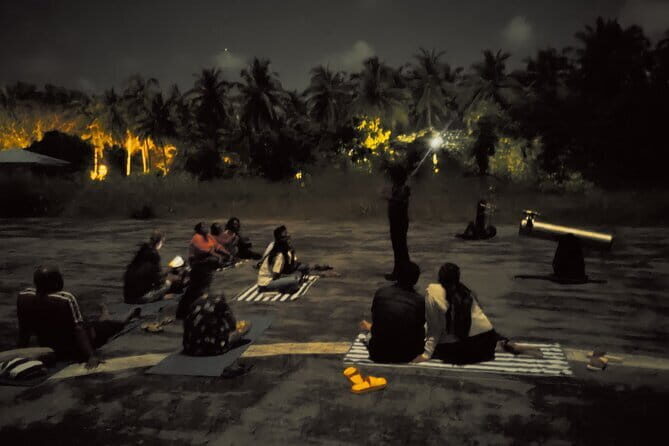
Neil Island sits in a part of India known for its “clean” darkness—exactly the kind of place where the sky stops looking like decoration and starts looking like space. This tour is designed for that specific goal: you don’t just stand in a bright area and hope for the best. You walk to a stargazing site away from light pollution, then you settle in long enough to actually see what changes when your eyes adjust.
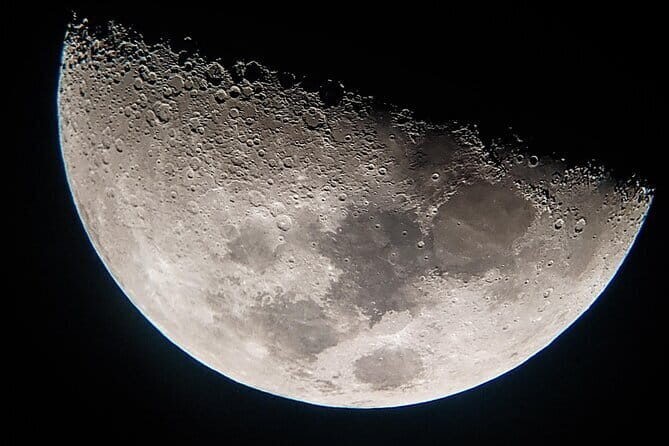
At this price, the value is tied to two big things: the environment (pristine night visibility when the weather cooperates) and the gear (a Dobsonian telescope). You’re paying for access to a setup that can show details—think Moon craters, Saturn’s rings, and star clusters light-years away—plus a guide who tells you what you’re looking at instead of leaving you to guess.
You can also read our reviews of more tours and experiences in Andaman and Nicobar Islands.
SeaShell Samssara meeting point and the walk into darkness
The session starts at SeaShell Samssara at Neil Island (Lakshmanpur Beach, Shaheed Dweep), opposite the helipad. The end is back at the same meeting point, so you’re not dealing with an unknown drop-off or late-night transit puzzle.
What matters here is the timing and the “darkness routine.” The tour runs daily in the evening hours (opening times are listed as 7:00 PM to 11:00 PM). Duration is about 1 hour 30 minutes, so you want to arrive ready to move and ready to stand still for a bit. Because they provide red-light headlamps, the walk isn’t a chaos of phone screens turning your surroundings into a mini city. You keep your eyes adjusted, and that pays off when you reach the stargazing site.
If you’re traveling with kids, this staging is a win: it’s structured, not just “go stare upward.” And if you want something calming after beach time, the quiet walk and controlled lighting make it feel organized.
Red-light headlamps: small gear choice, big difference
Most stargazing disappoints in the same way: someone brightens the group with a white flashlight or keeps checking their screen. This tour anticipates that. Each traveler gets a red light headlamp, which means you can see where you’re walking without blasting your own night vision.
You can feel the effect once you’re at the viewing spot. Your eyes adjust better, and the sky looks more like a sky instead of a handful of bright objects. It’s also just more comfortable—red light helps you keep your balance and keep the group moving without glare.
One practical tip: if you bring a phone, set it to the lowest brightness and use it briefly. The whole point of the headlamps is to protect the dark.
How the Dobsonian telescope session actually plays out
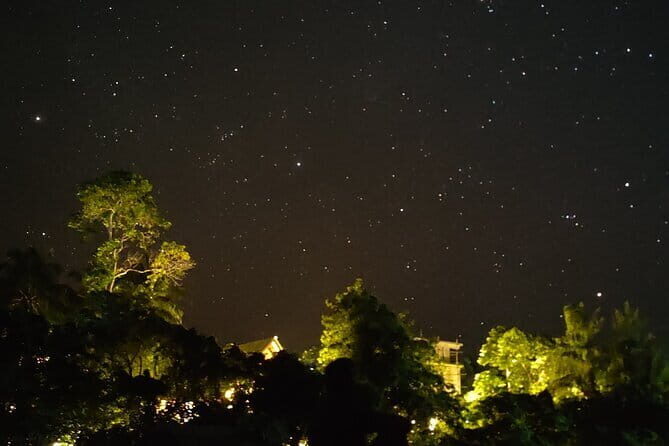
Once you reach the secluded site, the guide shifts from atmosphere to instruction. You’re shown how the telescope works before you start aiming it at the night’s targets. This matters because a telescope session isn’t just about the device—it’s about getting you to use it correctly. When you understand what’s happening, the first view through the eyepiece feels like progress, not luck.
From there, the structure usually goes like this:
- You identify prominent constellations and trace them across the sky.
- You get the myths and stories connected to what you see.
- The guide aims the telescope at that evening’s highlights.
The tour isn’t trying to turn you into an astronomer in 90 minutes. Instead, it gives you a framework. You start recognizing shapes, you learn what the guide is looking for, and you leave with names you can say again later when you spot them back home.
What you might see: Moon, Saturn, planets, and star clusters

The tour description highlights a few common “wow” targets:
- The Moon, including its cratered surface
- Saturn’s rings (one of the biggest crowd-pleasers when conditions are right)
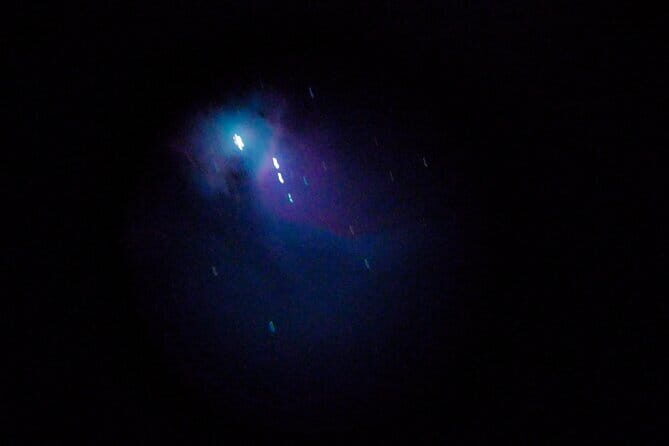
- Distant star clusters, which can look like faint, dense groups rather than single stars
Some sessions may also cover other bright objects—one guide-led experience mentions Jupiter and nebulaes, and another experience includes a supergiant. That doesn’t mean every night will show the same things. The sky changes, and what’s visible depends on the night’s timing and conditions.
But here’s the key point for you: even if the sky isn’t perfect, the guide doesn’t abandon the experience. You’re still learning constellations and stories, and you still get telescope time aimed at whatever they can bring into view that evening.
Guides, teaching style, and the vibe at the eyepiece
This is one of the biggest reasons the rating is strong. The experience is led by licensed or certified guides, and you’ll see a similar approach across sessions: lots of patience, lots of explanations, and a mix of science and story.
In particular, Harshal Patil (and sessions led by Harshal) is described as very thorough and engaging—someone who can explain the scientific view and the mythical stories connected to constellations, then answer questions without rushing you. In another described session, the session leader is credited with expertise spanning both marine biology and astronomy, which shows the guides aren’t just doing a script—they’re comfortable with multiple angles of the subject.
For a practical traveler, that means:
- You’re not left staring at an eyepiece with no idea what you’re seeing
- You have time to ask for clarification
- The session feels interactive, not like a one-way talk
Group size and booking timing: what it means for your comfort
The group cap is 15 travelers. That size is big enough to feel lively, but small enough that you’re not waiting forever for your turn at the telescope. You also get more chances to spot constellations together and follow along when the guide points things out.
This tour is often booked around 9 days in advance on average. That’s not a must-do rule, but it’s a good sign you should plan ahead—especially in peak seasons on the islands. If you’re on a tight itinerary, booking earlier gives you more chances to pick a night that fits your schedule and the weather.
Price and value: what $35.99 buys you on Neil Island
At $35.99 per person, the price looks reasonable once you map it to what’s included:
- Telescope and headlamp
- All fees and taxes
- A licensed or certified guide
What’s not included is private transportation. That means you’ll need to handle getting to the meeting point yourself (or rely on public transportation when that works for you). For most people staying on or near the island’s main areas, the logistics are manageable, but it’s still worth planning around night timing.
So where’s the value? You’re not paying just for “looking at stars.” You’re paying for:
- A dark-sky approach (secluded site plus red-light control)
- Telescope access and guidance
- Education that helps you remember what you saw
If you love hands-on activities, this is a good use of an evening. If you want a silent nature show only, you might find the teaching component less your style—but most people come away appreciating that they can name what they’ve seen.
Weather and haze: the single thing to watch closely
This experience requires good weather. That’s not a minor note; it’s the difference between a crisp sky and a washed-out one. There’s a built-in safety net: if it’s canceled due to poor weather, you’ll be offered another date or a full refund.
One downside to be realistic about: sky haze can happen fast. The tour may adapt in real time to protect your chances of seeing something worth the wait. If you’re booking close to the end of your island stay, you’ll want a little flexibility in your schedule so a rescheduled date doesn’t ruin your plans.
A smart strategy: keep your plans light the morning after your stargazing, in case you need to shift to a different evening.
Transportation, meeting logistics, and what to plan for
The meeting point is clearly defined at SeaShell Samssara, and the tour returns there at the end. The activity is listed as near public transportation, and service animals are allowed.
Since private transportation isn’t included, your main planning questions are:
- Can you get to the meeting point reliably around evening time?
- Do you have a backup plan if you need to reschedule due to weather?
- Are you comfortable standing and looking upward for around 90 minutes?
If you’re traveling with someone who gets impatient in group settings, the small size helps. If you’re traveling with kids, the guided pace and question-friendly style can turn stargazing into a learning activity rather than a chore.
Who this tour fits best
This is a strong match if you:
- Want a guided night-sky experience, not DIY staring
- Enjoy both science and storytelling (constellations plus myths)
- Prefer a small group setting where you can ask questions
- Are excited by telescope views like the Moon and Saturn
It’s also a decent family choice based on past experiences with children enjoying the session and staying engaged through the explanations.
If your goal is purely quiet, wordless stargazing, you might prefer a self-guided night. But if you want to leave with names, patterns, and a better sense of what you’re seeing, the structure is a big advantage.
Should you book Neil Island Star Gazing?
Book it if you’re willing to work with the weather and you want real telescope time plus a guide who explains what matters. The red-light system and Dobsonian setup are exactly the kind of details that raise a stargazing outing from fun to genuinely memorable. It’s also good value because telescope gear, headlamps, and a certified guide are part of the package.
Skip or postpone it if you can’t be flexible with changing conditions. When haze rolls in, the night sky can lose contrast fast, and the tour may need to adapt with a reschedule or refund.
If you’re choosing just one special evening on Neil Island and you care about seeing the sky in a meaningful way, this is a solid pick.
FAQ
Where is the Niel/Neil Island star gazing tour meeting point?
The meeting point is SeaShell Samssara, Neil Survey No./Plot No. 26 Lakshmanpur Beach, Shaheed Dweep, opposite Helipad, Neil Island, Andaman and Nicobar Islands 744104, India.
What time does the tour run?
It runs daily, Monday through Sunday, during the listed opening hours of 7:00 PM to 11:00 PM.
How long is the stargazing experience?
The duration is approximately 1 hour 30 minutes.
What’s included in the ticket price?
The ticket includes the telescope and head lamp, all fees and taxes, and a licensed or certified guide.
Is private transportation included?
No. Private transportation is not included.
How many people are in a group?
The tour has a maximum of 15 travelers.
Do I receive a mobile ticket?
Yes. The experience includes a mobile ticket.
What happens if the weather is poor?
This experience requires good weather. If it’s canceled due to poor weather, you’ll be offered a different date or a full refund.
Can I cancel for a full refund?
You can cancel up to 24 hours in advance for a full refund. If you cancel less than 24 hours before the start time, the amount paid isn’t refunded.