REVIEW · JIM CORBETT NATIONAL PARK
2N Jim Corbett National Park (Dhikala Zone)
Book on Viator →Operated by Nature Explorers India · Bookable on Viator
Wild safari days start with a jeep ride that feels serious. This Dhikala Zone Corbett National Park experience is built around multiple open-gypsy safari drives, with a naturalist-style guide help so you know where to look (and when). You’ll spend time right in the Dhikala forest area at the Dhikala Forest Rest House, which keeps the whole rhythm focused on wildlife instead of long detours.
I especially like the practical setup: you’re in the park for several safari departures across the day, not just one quick outing. And I also like the way the tour is framed as a true tiger-seeking trip—trained guidance, repeat chances, and time to regroup between drives.
One consideration: the plan depends on permits and weather, and the booking is non-refundable, so you’ll want to be ready for how India’s wildlife-season realities work.
Key highlights at a glance
- Dhikala Core Zone focus with four exclusive safaris on open gypsies/jeeps
- Multiple departures across morning and afternoon for different animal activity patterns
- Dhikala Forest Rest House stay in a non-AC room for that inside-the-park feel
- Guided spotting help so you’re not just staring at trees
- Private tour with only your group, which keeps things calmer and easier
- Tiger is the headline, with a realistic mix of elephants, deer, otters, and lots of birds
In This Review
- Why Dhikala Core Zone is the Main Event
- Day 1: Ramnagar to Dhikala and Your First Safari Setup
- Day 2: Morning Tracking and Afternoon Targeting for Tiger and Co.
- Day 3 Morning Check-Out: Then Off to Nagpur
- Wildlife You Can Expect, Plus How Guides Help You See More
- Open Gypsy Safari Comfort, Timing, and What to Pack
- Price and Value for Four Core-Zone Safaris
- Should You Book This Dhikala-Zone Tiger Safari?
- FAQ
- Where does the safari start and where does it end?
- How long is the tour?
- Which area of Corbett National Park do you visit?
- How many core-zone safaris are included?
- What accommodation is included?
- Is this tour private or shared?
- Do I need a passport and tourist visa?
- Is a vegetarian option available?
- Are meals and bottled water included?
- What happens if the tour is canceled due to poor weather?
Why Dhikala Core Zone is the Main Event
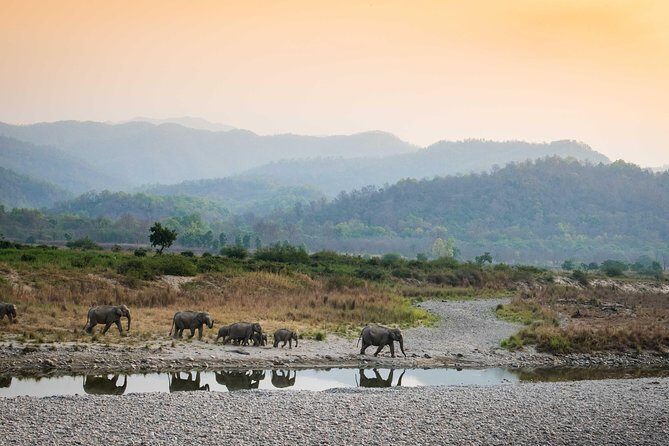
If your goal is tiger in Corbett, you don’t want the trip to feel like a drive-by. This tour’s big advantage is that it centers on the Dhikala Zone and specifically includes core-zone safaris. In practical terms, that means you’re spending your limited time where permits and wildlife density make the most difference.
I also like that the itinerary is built around the rhythms of the day. Morning light is when many animals move and feed. Afternoon can bring different sightings—especially if you’re lucky with water-adjacent activity or shaded movement. The tour keeps you moving between safari windows and downtime, so you can actually reset your eyes and energy instead of rushing nonstop.
You should also know you’ll be dealing with a real safari atmosphere: open-gypsy rides, early wake-ups, dust, and the constant possibility of nothing moving… then suddenly everything does. The best way to enjoy this is to treat it like a birding safari meets tiger hunt: slow attention, quick reactions, and lots of listening to your guide.
Day 1: Ramnagar to Dhikala and Your First Safari Setup
Day 1 starts with a pickup from Ramnagar in the morning. On the way, breakfast is listed as on your own, so I recommend you eat before the drive if you can, or at least plan a quick stop early so you’re not running on empty before you’re jostled in a safari vehicle.
By lunch time you reach the Dhikala Forest Rest House area. That’s an important piece of the value. Staying inside the operational zone means you’re not burning half your day on transfers. After you freshen up and rest, you gear up for your first jungle safari. Your open gypsy/jeep arrives at the rest house to pick you up.
The afternoon/evening transition is where Day 1 becomes more than just a ride. You’ll get back to the resort for an evening tea break and a discussion about the safari. That part matters if you want to improve your spotting between drives, because it’s when the guide can point out what you missed and what to watch for next.
Then it’s dinner and rest. This is your first full day in Corbett’s pace—so don’t plan to overthink the “will I see a tiger?” question tonight. Your real odds come from repeating the safari pattern over multiple departures.
You can also read our reviews of more tours and experiences in Jim Corbett National Park.
Day 2: Morning Tracking and Afternoon Targeting for Tiger and Co.
Day 2 is the day that trains your eyes. You leave early for the second jungle safari, when the forest is cooler and animals often move more actively. This is also the time you’ll hear your guide’s spotting approach most clearly—where to look, what signs to scan for, and how to interpret quiet stretches of forest.
Then you’re back for breakfast. This isn’t just comfort. It gives you a real pause so you don’t end up tired and frustrated halfway through the day. After rest and lunch, you go out again for your third jungle safari.
Back in the evening, dinner comes first, then there’s a post-dinner experience sharing session before lights out. That kind of guided debrief is useful in a safari setting because animal sightings are rarely one-and-done. You’re building a pattern recognition skill—what tracks might look like, where the guide expects movement, and how wildlife often shows up around predictable cover and water points.
From the reviews you shared, the most praised moments are repeat sightings and even tiger encounters across multiple drives. Of course, nature is nature, and sightings aren’t guaranteed. But the core idea—more than one chance, guided spotting help, and time to regroup—directly supports better odds than a single short outing.
Day 3 Morning Check-Out: Then Off to Nagpur
Day 3 begins early after breakfast. You pack up and check out from the Dhikala Forest Rest House. Then the tour moves into transit mode: you leave for Nagpur station and board for your destination.
A practical note here: Day 3 feels shorter and more transfer-focused compared with the safari-heavy days. So treat the final morning as a wrap-up rather than your last big tiger quest. Your best plan is to go into Day 3 knowing the safari work already happened, and you’re now focused on getting to your onward travel smoothly.
Also, keep an eye on timing in general. This tour runs on permit-based schedules, so the day flow can’t always be molded to your preferences like a city walking tour. The good news is the rest of the package is designed to keep you in position for the safari windows that matter.
Wildlife You Can Expect, Plus How Guides Help You See More
This is a wildlife-focused trip, not a lecture and not a zoo-style checklist. The tour highlights include the goal of finding the Royal Bengal tiger, but the longer wildlife promise is what makes the safari more rewarding if tiger stays out of sight.
Here’s what you can realistically look for based on the tour details:
- Hog deer and deer
- Jackals
- Eurasian otters
- Leopards (possible)
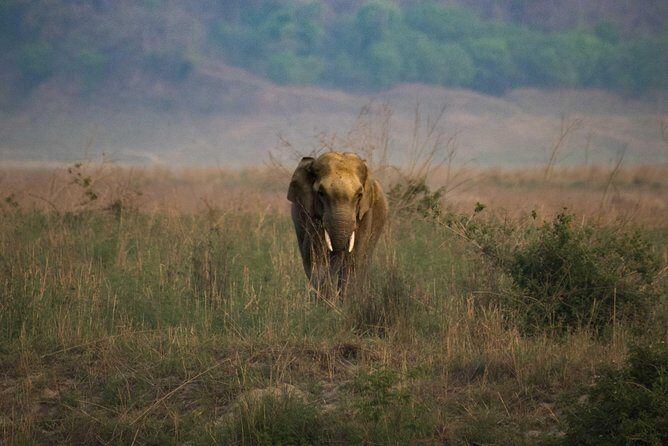
- Elephants
- And over 400 species of birds
What makes that list feel meaningful is the guided element. The standout value in this kind of safari is learning where to look. The tour emphasizes listening to your trained guide to spot animals and track signs. In plain terms, the guide helps you answer questions like: Is this forest corridor likely to be active? Is there movement behind that line of trees? Should you wait quietly or move to a better vantage?
From the reviews, I also picked up that the best experiences often come from guides and drivers who quickly read the terrain and react to cues. Names mentioned include a guide Rakesh and a driver Ansar—and that’s a sign you’re not just getting a driver with a schedule. You’re getting a team trying to put you where wildlife is likely to pass.
One more tip: open gypsies mean you’ll feel the elements. That’s fine. Just remember to keep your eyes on the forest floor and edges, not only the treetops. Deer, jackals, and many bird actions often happen where you’d least expect them—along the margins.
Open Gypsy Safari Comfort, Timing, and What to Pack
You’re riding in an open gypsy/jeep for the safaris. That’s part of the thrill and part of the reality. You’ll feel movement, dust, and temperature swings. Some mornings can be cool; afternoons can feel warmer. Even without exact weather specifics in the info, the safest approach is to pack for layers and plan for the ride conditions.
Timing is another big piece. Day 2 is described as early morning, and one review specifically highlights jeep safari mornings around 6 to 9. That matches the logic of tiger-seeking: animals often show more activity when the light is right and the temperature isn’t pushing them into deep shade.
What to pack depends on how you like to travel, but for an open-gypsy safari you’ll want:
- Comfortable clothes you don’t mind getting dusty
- A light layer for early starts
- Binoculars if you have them (not listed as included)
- Any ID/passport documents you must show at gates
- A camera lens if you own one, since lens/camera charges (if applicable) are mentioned as not included
One more consideration: this tour is built around a private group experience. That usually helps with comfort and coordination—less waiting for strangers, more consistent seating and attention. In a wildlife safari, that small difference adds up.
Price and Value for Four Core-Zone Safaris
At $600 per person for about 3 days, this isn’t a budget add-on. But it also isn’t just a taxi-and-a-ticket price. The included items you listed are the real value drivers:
- 4 exclusive Dhikala core-zone safaris
- Open gypsy/jeep transport from Ramnagar to Ramnagar
- National park fees, taxes, handling charges
- Driver/guide charges and a local guide
- 2N accommodation in a non-AC room at Dhikala Forest Rest House
And you’re paying for repetition. Four core-zone drives are what you want if you’re serious about tiger odds and not just hoping for one lucky moment. It also helps that the itinerary includes downtime and safari discussions so you can learn between outings.
Two practical cost/expectation points:
1) Meals and bottled water are unclear in the package write-up. The overview says several meals are provided, but the “not included” list says meals and water bottles during the tour are not included. I’d treat food/water as something to confirm directly in your booking confirmation, and otherwise plan to purchase what you need.
2) The tour requires a current valid passport and tourist visa on the day of travel, plus your passport details during booking for forest permissions. That’s a cost you may pay elsewhere, but it’s part of why your safari permits can be processed correctly.
If you’re comparing options, don’t just compare the sticker price. Compare what you’re getting: core-zone safari count, guidance level, and whether you’re actually staying in the operational area.
Should You Book This Dhikala-Zone Tiger Safari?
If you want the best shot at big wildlife in Corbett, you should strongly consider booking—especially if you care about multiple core-zone safari drives and the chance to learn from the guide between departures.
I’d book this if:
- Tiger is your headline goal, but you still want a strong wildlife mix
- You’re okay with early starts, open-gypsy conditions, and basic non-AC lodging
- You prefer a private group format instead of a crowded shared tour
- You’re comfortable handling passport/ID requirements and permit timing realities
I’d think twice if:
- You’re only interested in a short safari day and don’t want early morning wake-ups
- You need guaranteed comfort upgrades beyond a non-AC room
- You’re very sensitive to the non-refundable nature of safari permits
FAQ
Where does the safari start and where does it end?
The tour starts in Ramnagar, Uttarakhand 244715, India, and it ends back at the meeting point.
How long is the tour?
The duration is listed as 3 days (approx.).
Which area of Corbett National Park do you visit?
You’ll be in the Dhikala Zone, with Dhikala core zone safaris included.
How many core-zone safaris are included?
The included details state 4 exclusive Dhikala core zone safaris by open gypsy/jeep.
What accommodation is included?
The tour includes 2N accommodation in a non-AC room at the Dhikala Forest Rest House.
Is this tour private or shared?
This is a private tour/activity, and only your group participates.
Do I need a passport and tourist visa?
Yes. A current valid passport and tourist visa are required on the day of travel.
Is a vegetarian option available?
Yes, a vegetarian option is available. You should advise at the time of booking if required.
Are meals and bottled water included?
The tour overview says several meals are provided, but the “not included” list says any meals and water bottles during the tour are not included. Plan to confirm what’s covered in your booking confirmation and bring/arrange what you need.
What happens if the tour is canceled due to poor weather?
If it’s canceled due to poor weather, you’ll be offered a different date or a full refund, according to the cancellation policy notes provided.