REVIEW · JIM CORBETT NATIONAL PARK
2 Nights Stay at Dhikala Zone in Jim Corbett National Park
Book on Viator →Operated by Jim Corbett Experience- Feel The Wild · Bookable on Viator
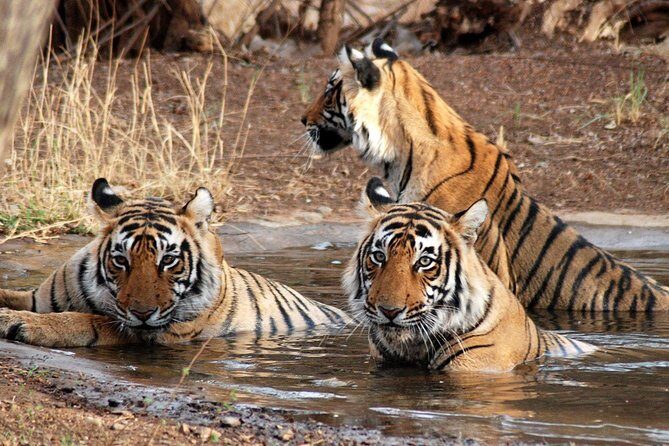
Safari time in Jim Corbett feels like a countdown to the next sound in the trees, and staying inside Dhikala Zone changes everything. I like that you get a private guide focused on wildlife spotting, not a crowded group shuffle.
The other big win is the timing: with an overnight stay, you’re not just doing a drive-by safari. You get an early morning round designed for tiger tracking, plus another jungle safari session in the Dhikala Zone.
One practical catch: meals aren’t included. Breakfast is included (2), but lunch and dinner are on you, so plan your budget and keep snack options handy between safari blocks.
In This Review
- Key things that make this stay-smart
- Dhikala Zone overnight: what you actually gain in Jim Corbett
- Private guide + registered Jypsy: how the safari experience works
- Day 1 in Dhikala Zone: first safari round and wildlife education
- Night in the park: why sleep inside Dhikala changes the next morning
- Day 2 at 6 am: tiger tracking with signals in the jungle
- What you’ll likely see: beyond tigers in Dhikala’s ecosystem
- Value and price: is $680 actually a smart deal?
- Getting the most out of your two safaris (practical packing tips)
- Who this is best for (and who should think twice)
- Should you book the Dhikala 2-night Corbett safari?
- FAQ
- Where does this tour start?
- What time does the activity start?
- Does it end back at the starting point?
- Is pickup and drop-off included?
- How long are the safari sessions?
- What is included in the price?
- Are meals included besides breakfast?
- What transport is used to access the Dhikala Zone safari?
- Is this a private tour?
- What is the cancellation policy?
Key things that make this stay-smart
- Dhikala Zone overnight: you gain early wildlife hours without long back-and-forth travel
- Private guide attention: better eyes on signals in the forest and quicker learning about what you’re seeing
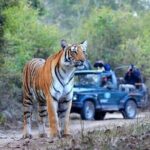
- Government-approved Jypsy only: your safari transport runs through registered vehicles, which keeps things organized
- Tiger tracking in the morning: Day 2 starts early (6 am) when activity is often highest
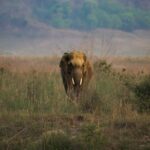
- Wildlife beyond the tiger: expect chances for elephants, multiple deer species, jackals, reptiles, and birds like the Great Hornbill
Dhikala Zone overnight: what you actually gain in Jim Corbett
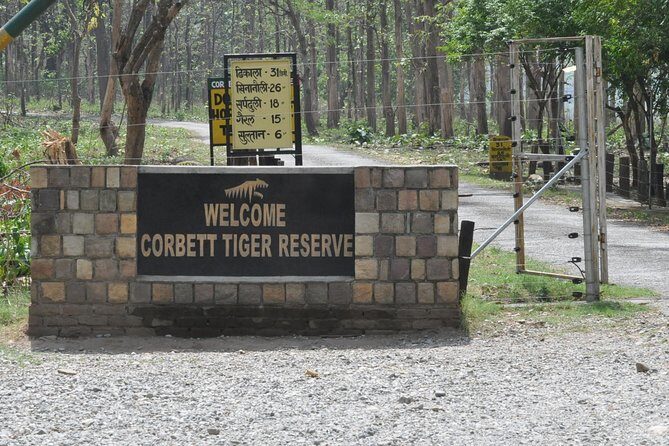
Jim Corbett is all about timing and patience. The best wildlife moments often happen when you’re already in the park, ready to go, long before the day gets loud and hot. That’s why this 2-night setup at Dhikala Zone is such good value for serious wildlife time.
When you stay overnight, you’re no longer racing morning-to-night from the outside. Instead, you get structured safari windows and the mental headspace to pay attention to smaller signs: tracks, bird calls, and the kind of quiet that usually means animals are close. If you’re the sort of person who enjoys noticing details—deer movement at the edge of the grasslands, or bird activity in a particular patch—Dhikala makes that easier because you’re there long enough to learn the rhythm.
You also get to plan your day around wildlife rather than traffic. The experience includes private transportation and pickup/drop-off centered on Ramnagar, so the “how do I get there” headache is handled. It’s one less thing to stress about, and it leaves more energy for the actual safari.
You can also read our reviews of more tours and experiences in Jim Corbett National Park.
Private guide + registered Jypsy: how the safari experience works
This is a private tour/activity, meaning only your group participates. That matters more than it sounds. In a wildlife park, group sizes can affect how often you pause, reposition, or double-check a clue. With your own guide attention, the focus stays tight on what you’re trying to spot.
Your safari rides are limited to government-approved registered Jypsy. That’s not just red tape—it’s practical. It means your transport is set up for Dhikala’s safari system, and it reduces uncertainty around vehicle access.
You’ll also hear explanations during the safari—flora and fauna are part of the experience. The guide’s job isn’t only to drive; it’s to help you connect what you see with how the habitat works. That makes your wildlife sightings more meaningful. Even when the big cat isn’t visible, the “what’s going on here” side of the jungle becomes the main event.
One note I like from the way this experience is described: they don’t push you to chase tiger sightings as the only goal. The message is simple and smart—enjoy the wilderness. That mindset is exactly what helps on a day when the tiger stays hidden.
Day 1 in Dhikala Zone: first safari round and wildlife education
Day 1 is built around your first entry into the Dhikala Zone with a jungle safari session. The safari run is listed as about 4 hours (with a reference to a 3:30-length safari), so expect a proper block of time outdoors rather than a quick sample.
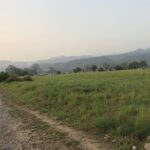
This first round is where you set your expectations. If this is your first time in Corbett, you’ll likely start noticing that “wildlife” doesn’t mean only one animal. The Dhikala area is tied to a mix of habitats—there’s mention of Dhikala’s grasslands, which is often where you’ll see deer moving and where predators can track activity.
The experience also calls out specific animals you may encounter, including:
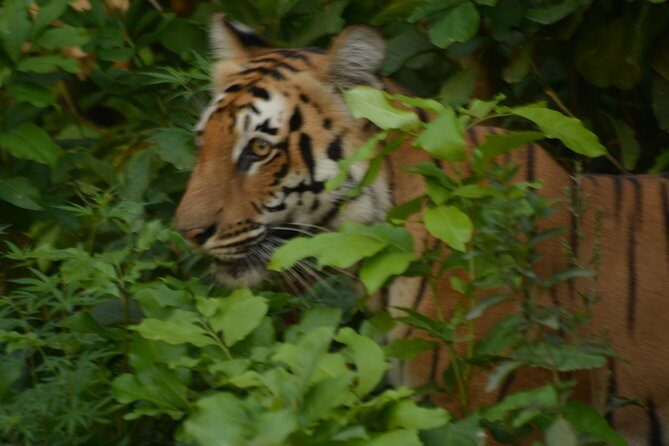
- Royal Bengal Tiger
- Asian Elephant
- Four variety of deer
- Sloth bear
- Jackal
- Different reptiles
- Great Hornbill
Whether or not each one shows up during your first safari, this list tells you how broad the spotting opportunity is. A good day in Corbett isn’t just a single sighting—it’s repeated chances to see the ecosystem in motion.
What I’d consider a drawback on Day 1? It’s hard to judge your energy needs before you know the day’s wildlife tempo. Safari time can mean long stretches sitting in a vehicle, then sudden bursts of excitement when something is spotted. If you’re the type who needs frequent breaks, bring snacks and plan to hydrate. Since meals aren’t included overall, this is especially relevant.
Night in the park: why sleep inside Dhikala changes the next morning
You’re staying for 2 nights at Dhikala Zone, which is the strategic part of the whole plan. The real benefit shows up on Day 2 when your morning starts early.
Sleeping inside the park means you don’t lose that crucial early window to travel. Early tiger tracking tends to be where people feel the difference between a normal day trip and a wildlife-focused stay. You’re also more likely to catch the park at its calmer, more active moments—when animals feel less disturbed and visibility can be better.
This kind of overnight also encourages a different pace. Instead of treating the jungle like a stop on a sightseeing itinerary, it becomes your environment. If you’ve ever wished you could slow down and watch the same area long enough to understand it, this format helps.
Day 2 at 6 am: tiger tracking with signals in the jungle
Day 2 starts early—6:00 am—with another safari session in the Dhikala Zone. This morning safari is described as a tiger tracking tour. That’s a big promise, and it’s also where your guide’s role matters most.
Tiger tracking is not just “look for a tiger.” It’s about noticing signs and signals: patterns of movement, animal reactions, and the kinds of cues experienced guides look for. The plan states the driver and guide stay on the lookout for signals in the jungle so they can respond when conditions line up.
This is also where your own attitude helps. If you’ve come only to tick off Bengal tiger as a photo trophy, you may end up frustrated. But if you treat tiger tracking as the main theme—learning what signals matter and enjoying the hunt for clues—you’ll likely enjoy the ride even if the tiger keeps its distance.
The morning safari is again listed as about 4 hours, so be ready for a full block outdoors. You’ll want to dress for cool-to-warm weather swings and stay comfortable for long seating time.
What you’ll likely see: beyond tigers in Dhikala’s ecosystem
The most useful thing about the wildlife list in this experience is that it covers more than one “celebrity animal.” In Corbett, that matters because sightings can vary by day, season, and where animals choose to spend their time.
Here’s how to think about the spotting chances:
- Tigers are the star attraction, but they’re not the only sign of a healthy habitat.
- Asian elephants and four varieties of deer often show you how the park’s herbivores are moving through the area.
- Sloth bear (listed as Sloth Beer) and jackal add variety to the carnivore theme beyond tiger.
- Reptiles remind you that the jungle isn’t only about mammals.
- Great Hornbill is a bird highlight that can give you a totally different kind of moment—less about chasing, more about listening and scanning.
If you’re hoping for a “wildlife classroom” day, this format supports that. The safaris include explanations about flora and fauna, which means your sightings can become learning moments instead of random luck.
Value and price: is $680 actually a smart deal?
At $680 for a 2-day experience that includes 2 nights at Dhikala Zone plus private transport, guide service, and two breakfasts, the value question comes down to two things: convenience and time.
You’re paying for:
- Private transportation and pickup/drop-off centered on Ramnagar
- Private guide attention
- Wildlife safari access inside Dhikala Zone
- Breakfast included twice
- All fees and taxes covered
What isn’t included is equally important: meals. That means you might spend extra on lunch/dinner depending on how the day’s timing works. So treat the listed price as the base, not your final total.
Still, compared with piecing together transport, safaris, and guide arrangements yourself, this packaged approach is usually easier. The big reason is time. Jim Corbett safari logistics can eat your day if you’re trying to coordinate everything on your own. Here, the schedule is handled for you: two safari rounds, early morning on Day 2, and an overnight built for better timing.
If you’re traveling as a small group and you care about having your own guide focus, private service can be worth it. If you’re only going for quick photos and don’t mind planning everything yourself, a cheaper DIY option might appeal. But for wildlife-first travelers, this feels like paying for fewer problems and more safari hours.
Getting the most out of your two safaris (practical packing tips)
Because meals aren’t included and safaris are long blocks, you’ll want to plan for comfort.
Bring:
- A small snack/water plan for gaps between safari and breakfast
- Layers for changing morning temperatures (Day 2 is at 6 am)
- A hat and sun protection for daylight hours
- Something for insects and light rain cover if weather shifts
Also, treat the experience like a spotting day, not a sightseeing checklist. When the guide explains flora and fauna, listen. Those explanations help you recognize what matters, and that can improve your odds of seeing something moving when it’s easy to miss.
And here’s a simple mental trick: if the tiger doesn’t show, don’t assume the day failed. Corbett can still deliver strong moments—deer herds shifting, birds calling from the trees, elephants changing the mood of the forest. This is why that advice about enjoying the wilderness is so practical.
Who this is best for (and who should think twice)
This experience fits you if:
- You want more wildlife time by staying inside Dhikala Zone
- You like guided explanation, not just driving around looking
- You’re traveling as a group that benefits from a private setup
- You’re okay with long safari sitting and basic wilderness timing
You might think twice if:
- You require guaranteed tiger sightings (even tiger tracking is still wildlife luck)
- You strongly depend on meals being handled for you (breakfast is included, but meals are not)
- You dislike early mornings—Day 2 is at 6:00 am
If you’re excited by the process—signals, scanning, learning what the habitat is saying—this kind of stay tends to land well.
Should you book the Dhikala 2-night Corbett safari?
I think this is a solid booking if you care about safari timing and want a calmer, more focused wildlife day. The standout advantage is the overnight in Dhikala Zone, which sets you up for an early 6 am tiger tracking safari without a stressful commute. Add private transportation, a private guide, and two included breakfasts, and you’re buying back time and attention.
The main reason not to book is simple: you’re responsible for meals, and wildlife sightings—especially tigers—aren’t something anyone can promise. If you’re okay with that trade, this package looks like good value for a wildlife-first stay.
If your goal is learning the forest as much as photographing its animals, you’ll probably feel like your time was well spent.
FAQ
Where does this tour start?
It starts in Ramnagar, Uttarakhand 244715, India.
What time does the activity start?
Start time is listed as 11:00 am.
Does it end back at the starting point?
Yes. The activity ends back at the meeting point in Ramnagar.
Is pickup and drop-off included?
Yes. Hotel pickup and drop-off are included, along with private transportation.
How long are the safari sessions?
The safari sessions are listed as about 4 hours each day.
What is included in the price?
Included items are all fees and taxes, private transportation, and breakfast (2).
Are meals included besides breakfast?
No. Meals are not included (breakfast is included).
What transport is used to access the Dhikala Zone safari?
The Dhikala Zone experience is only commuted through government approved registered Jypsy.
Is this a private tour?
Yes. It is a private tour/activity, and only your group participates.
What is the cancellation policy?
The experience is non-refundable and cannot be changed for any reason. If you cancel or ask for an amendment, the amount paid will not be refunded.