REVIEW · AUROVILLE
Auroville Guided Walking Tour
Book on GetYourGuide →Operated by Yo Tours · Bookable on GetYourGuide
Auroville hits you fast, even on foot. This Auroville guided walking tour is a simple, low-cost way to get your bearings in a planned spiritual community in Tamil Nadu, with a friendly English/Hindi storyteller and story-led stops around major landmarks. I like how the walk focuses on the spiritual “why” behind places like Matrimandir Viewpoint, and I also like the human side—pavilions from different communities and time around arts and culture centres.
That said, the biggest thing to consider is pacing and depth. Based on what I’ve seen on the ground, this can be more of a concept-and-stroll experience than a long, stop-and-stay tour, so if you’re hoping for lots of lingering and very detailed site access, keep your expectations flexible and bring curiosity.
In This Review
- Key highlights to look forward to
- Auroville on a budget: what this walking tour really delivers
- Getting oriented in Auroville without rushing yourself
- Matrimandir Viewpoint: walking the open fields before you look up
- Community pavilions: seeing Auroville as a network, not a single site
- Savitri Bhavan: where human unity gets taught, not just admired
- Arts and Culture Centres: creativity you can sense, not just read about
- Why guide quality swings this tour: learn fast, ask better
- End at cafés and trendy markets: turn the walk into a real pause
- Who should book this Auroville guided walking tour?
- Should you book it? My honest recommendation
- FAQ
- How much does the Auroville guided walking tour cost?
- Where is this tour located?
- What highlights are included in the tour?
- What languages does the guide speak?
- What’s included in the price?
- What is not included?
- What should I bring?
- Can I reserve and pay later?
Key highlights to look forward to

- Matrimandir Viewpoint walk over open fields with big, awe-level structure views
- Community pavilions stop that show how different groups shape life in Auroville
- Savitri Bhavan for human unity and spiritual education
- Arts and Culture Centres focused on mindfulness and creativity
- A finishing stroll past trendy markets and cafés for an easy wind-down
Auroville on a budget: what this walking tour really delivers

At $14 per person, this tour sits in the sweet spot for travelers who want meaning and context without paying big-city prices. You’re not just being shown buildings—you’re getting a storyteller/guide (English and Hindi) who can connect the dots between the community’s ideals and what you’re seeing as you walk. For many first-timers, that alone saves time, because you stop guessing and start understanding.
The tour also includes some thoughtful extras for the price: great local tips and recommendations to save money, plus access to hidden trails and places. That matters in Auroville because the place isn’t arranged like a typical tourist circuit. If you want to explore beyond the obvious main roads, having a guide who knows the footpaths can make the day feel fuller.
One practical note: hotel pickup and drop aren’t included, so you’ll need to get yourself to the starting point and back on your own. Also, water bottle isn’t included, so I’d plan to bring your own or buy one nearby before you start.
You can also read our reviews of more tours and experiences in Auroville.


Getting oriented in Auroville without rushing yourself
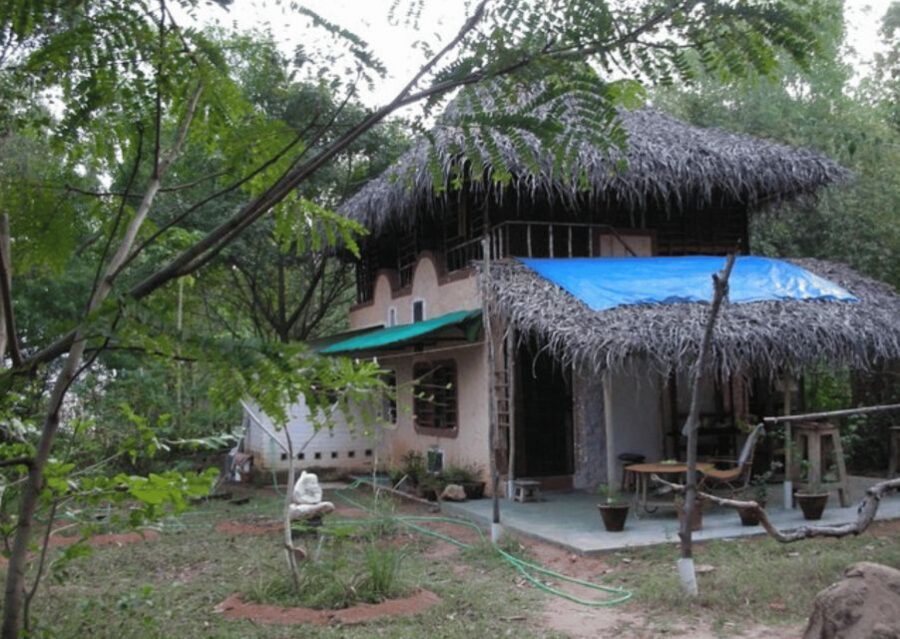
A walking tour works in Auroville for a reason: the scale is spread out, and the feeling is meant to be slower than the usual “photos and out the door” rhythm. This tour leans into that. You’ll move between spiritual benchmarks, community spaces, and places where creativity is part of the everyday routine.
I’d come wearing comfortable clothes and comfortable shoes, because you’ll be outside and on foot during the main route. That simple prep makes a big difference here. A place like Auroville rewards you when you’re not thinking about your feet.
You’ll also want to mentally switch gears. This isn’t just sightseeing. It’s an introduction to a community built around spiritual practice and human unity ideals—so you’ll get more value if you ask questions and actually engage with what your guide is saying.
And yes, do keep an eye on time. Some tours can run shorter than you expect, depending on how the guide paces the conversation and site viewing. If you have only a small window in Auroville, that’s fine. Just don’t plan the rest of your day like you’re guaranteed a long, detailed multi-hour loop.
Matrimandir Viewpoint: walking the open fields before you look up
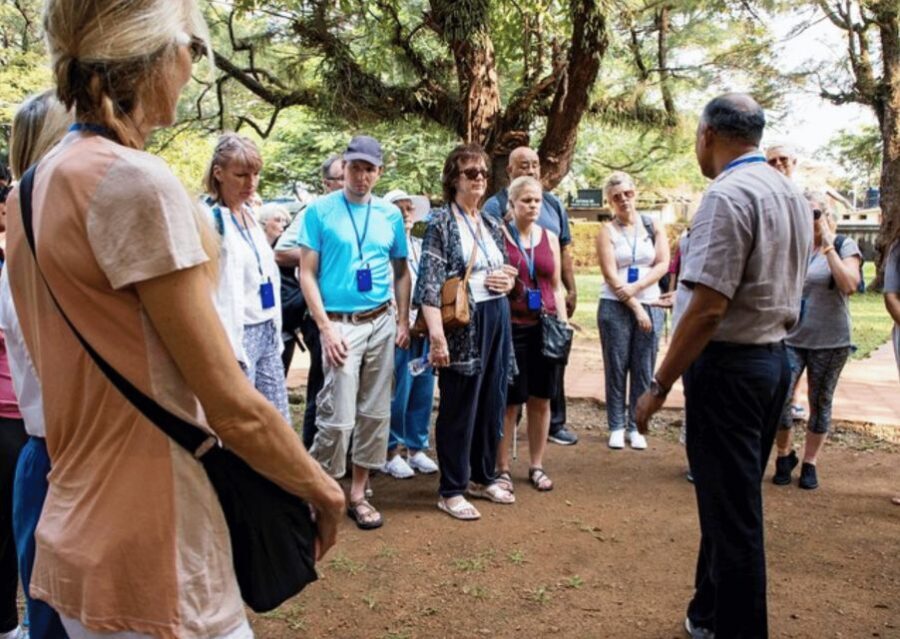
The Matrimandir Viewpoint stop is the kind of scene that makes you slow down without being told. You’ll walk on the open fields around the viewpoint, and you’ll get your first real look at the monumental structure. Even if you’ve seen images online, the physical experience feels different when you’re standing in the surrounding space.
Here’s the key takeaway: your guide doesn’t just point at the building. You learn about the spiritual significance of Matrimandir for practitioners of Integral yoga and enthusiasts who come to understand its role. That “why” turns photos into context. Instead of thinking, That’s a striking building, you start thinking, This is a place designed for practice and reflection.
If you like quiet moments, this stop is ideal. Take a few minutes to look at the structure from different angles as you walk the fields, and let the idea of purposeful design sink in. If you’re traveling with someone who usually rushes through viewpoints, this is the spot where they’re likely to pause.
Community pavilions: seeing Auroville as a network, not a single site

One of my favorite parts of this tour style is that it treats Auroville like a collection of community expressions. You’ll visit pavilions from different communities, which helps you understand that the place isn’t one uniform culture. It’s a mix of groups with different approaches to work, art, and learning—still connected by shared ideals.
When pavilions are handled well on a tour, it feels like you’re meeting the community through its doors. You’re not just ticking off stops; you’re picking up how people organize creativity and daily life in Auroville.
There’s also a practical side. After pavilion visits, you’ll usually have an easier time navigating on your own later, because you begin to recognize patterns—where activities cluster, what kinds of workshops or cultural spaces to look for, and how the town flows beyond the main sights.
Savitri Bhavan: where human unity gets taught, not just admired

Next comes Savitri Bhavan, described as a centre dedicated to fostering a living sense of Human Unity through spiritual education. This is one of those stops where your guide’s storytelling quality really matters, because you’ll get more than a simple location check. You’ll get an explanation of how the community frames unity in everyday terms—education, learning, and shared spiritual direction.
I like this stop because it explains Auroville beyond scenery. In many places, you can see spiritual landmarks and still not know what they actually do for people. Savitri Bhavan points you toward the idea that spirituality here isn’t only private contemplation. It’s also teaching and community-building.
If you’re the type who likes to understand how beliefs translate into institutions, this stop will feel especially relevant. It also pairs nicely with what you learn about Matrimandir, because you’re connecting the concept of practice with the concept of shared learning.
Arts and Culture Centres: creativity you can sense, not just read about
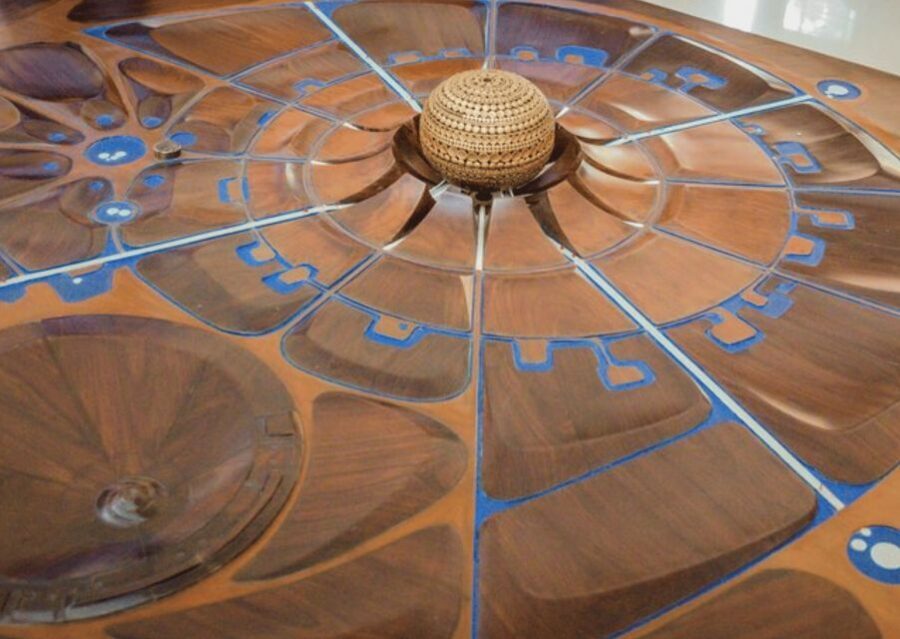
The tour includes time at Arts and Culture Centres where you can explore activities that foster mindfulness and creativity. These are the kinds of stops that can shift a day from “spiritual monuments tour” into “human experience tour.”
Even without getting overly specific about any one workshop, the value here is that you see how creativity is built into the community’s rhythm. You’re not only told that Auroville supports arts—you’re guided to centres where art and culture are active, not just displayed.
From a practical traveler angle, this is also a great place to ask your guide what to look for next if you return on your own. Guides often share local suggestions on what’s worth your time, what tends to be most interactive, and how to make the most of your limited hours.
One more thing: if your walking day is starting to feel like a sequence of “important stops,” arts and culture centres help balance it. They give your brain something lighter to hold—creative energy instead of only big spiritual concepts.
Why guide quality swings this tour: learn fast, ask better
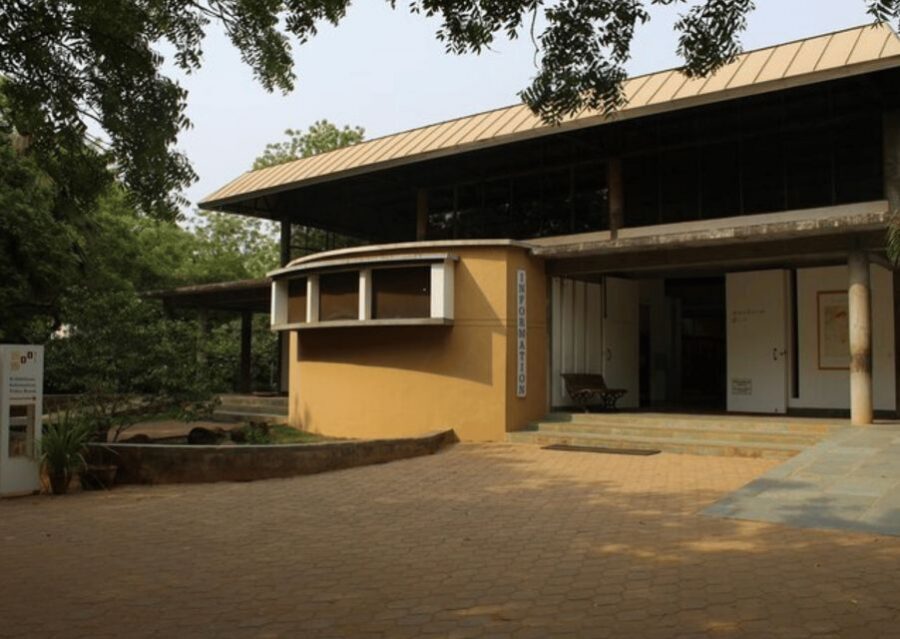
This tour lives or dies by the guide’s ability to translate Auroville into stories you can actually use. The good news: the tour is designed around a friendly, English/Hindi storyteller who can provide great conversations and interesting stories, plus local tips to save money and explore the best parts of town.
I’ve seen firsthand how much this can vary. One guide that stood out for being very friendly and helpful is Harish. If you’re lucky enough to get him, you’re likely to feel the tour more like a guided chat that happens to move you between landmarks.
On the flip side, some tours can feel like a quick briefing rather than an in-depth walk—especially if the guide doesn’t talk much or the pacing is tight. That shows up as short duration and less site viewing.
So here’s my practical advice: if you book this, come ready to ask questions like
- What is the point of each place in daily community life?
- What should I see next if I want more than this day gives me?
- Where do people go for arts and activities that are hands-on?
If your guide responds well, the whole experience levels up.
End at cafés and trendy markets: turn the walk into a real pause
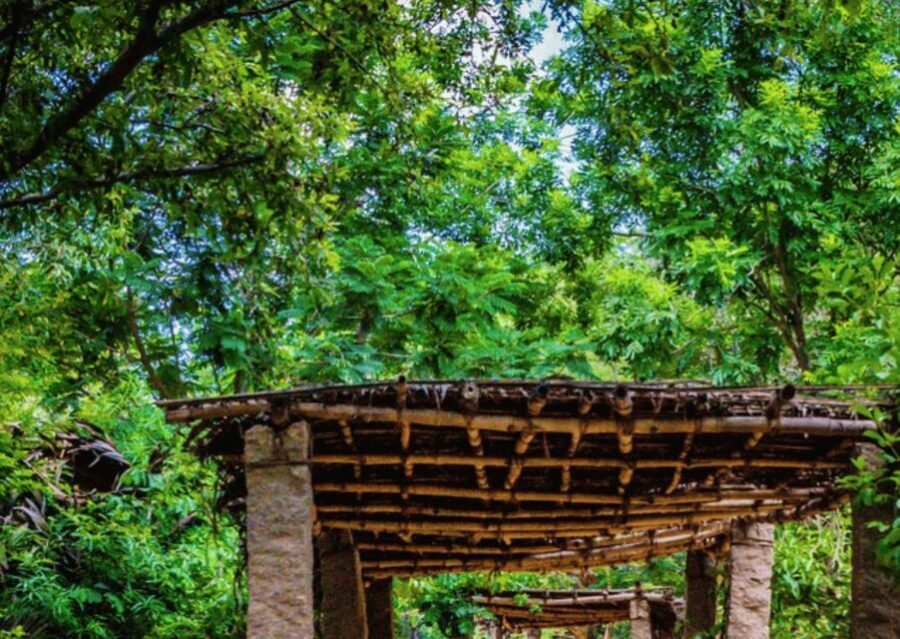
The tour wraps up with a peaceful stroll on the street lined with trendy markets and cafés. That ending is smart. By the time you reach it, your mind has shifted from “observing” to “processing,” and having a relaxed area right after makes it easier to reflect on what you learned.
Use the café/market stretch to do two simple things:
- Grab a drink and cool down if you need it (and if you didn’t bring water).
- Ask your guide for one or two follow-up stops you can handle on your own later.
It’s also a natural point to buy small souvenirs or snacks if that’s your thing, because you’re already in the part of town designed for hanging out.
Who should book this Auroville guided walking tour?

Book it if you want:
- A budget-friendly introduction to Auroville that mixes spirituality with community life
- An English/Hindi guide who can give local tips and answer questions
- A walking day focused on Matrimandir Viewpoint, Savitri Bhavan, pavilions, and arts/culture centres
Skip it or go in carefully if you:
- Expect long, detailed monument access or lots of time standing inside specific structures (the tour emphasis is on walking, viewpoint areas, and education rather than guaranteed long site dwell time)
- Prefer very structured tours where every stop runs for a set, extended duration
This works best as a first taste of Auroville, then you can decide what to repeat or expand after you’ve learned your bearings.
Should you book it? My honest recommendation
For $14, this is a strong value if your main goal is to understand Auroville’s spiritual ideas and community vibe through guided storytelling, with a walk that ends in café-and-market downtime. The most compelling parts are the stops with meaning—especially Matrimandir Viewpoint and Savitri Bhavan—plus the chance to see how different communities show up through pavilions and arts/culture centres.
My decision rule is simple: if you’re the type who enjoys asking questions and learning through conversation, you’ll likely feel the tour was worth it. If you want a long, ultra-detailed site-by-site experience with lots of time at each monument, you may feel it’s too short or too concept-heavy.
If you book, wear comfortable shoes, bring a water bottle, and treat it like an orientation walk. Then, use what you learn to explore the parts of Auroville that pull you in most.
FAQ
How much does the Auroville guided walking tour cost?
The price is $14 per person.
Where is this tour located?
It’s in Tamil Nadu, India, in and around Auroville.
What highlights are included in the tour?
You’ll walk on the open fields of the Matrimandir Viewpoint, visit pavilions from different communities, and explore Arts and Culture Centres. The tour also includes stops such as Savitri Bhavan.
What languages does the guide speak?
The guide speaks English and Hindi.
What’s included in the price?
Included are a friendly storyteller/guide who can speak English and Hindi, local tips and recommendations, access to hidden trails and places, and conversations and stories.
What is not included?
Hotel pickup and drop are not included, and a water bottle is not included.
What should I bring?
Bring comfortable shoes and comfortable clothes.
Can I reserve and pay later?
Yes. The option says reserve & pay later, meaning you can book your spot and pay nothing today.