REVIEW · AGRA
Agra: Monkey Safari Guided Walking Tour
Book on GetYourGuide →Operated by Fortunate Agra Tour · Bookable on GetYourGuide
Seeing monkeys in real neighborhoods beats any zoo routine. This 3-hour walk pairs guided wildlife viewing with local cultural context, so you learn why monkeys are everywhere in Agra and how people live around them.
My favorite part is the focused safety briefing and behavior coaching at the start, which makes the whole outing calmer and more controlled. The other big win is the chance to watch rhesus macaques and langurs during active moments, plus photography help from your guide. One consideration: midday heat can make the walking less fun, so aim for early or later in the day when monkeys are more active.
In This Review
- What you’ll love most on the Monkey Safari walk
- Key highlights worth planning for
- Why Agra’s Monkey Safari feels more real than a zoo visit
- Meeting your English guide and getting the monkey-safety rules
- Temple lanes and neighborhood rooftops: where the sightings happen
- Watching langurs and rhesus macaques without putting yourself in the way
- How your guide explains monkey behavior and human coexistence
- Hanuman legends and local stories you’ll actually remember
- Photo moments, safe angles, and the best time to go
- Tea break in Agra: chai or lemon water with a monkey-view pause
- Transport and pacing: a 3-hour walk with private AC pickup/drop-off
- Price and value: is $54 a fair deal for this kind of Agra tour?
- Who should book this Monkey Safari walking tour
- Should you book? My practical verdict
- FAQ
- How long is the Monkey Safari walking tour?
- Where does the tour start and do I get pickup and drop-off?
- Does the tour include a guide and what language is it in?
- Is there a tea or drink break during the tour?
- Can I feed the monkeys during the tour?
- What monkeys will I likely see?
- Is transportation included?
- Is the tour wheelchair accessible?
- What is included in the price?
- What should I know about cancellation and payment?
What you’ll love most on the Monkey Safari walk
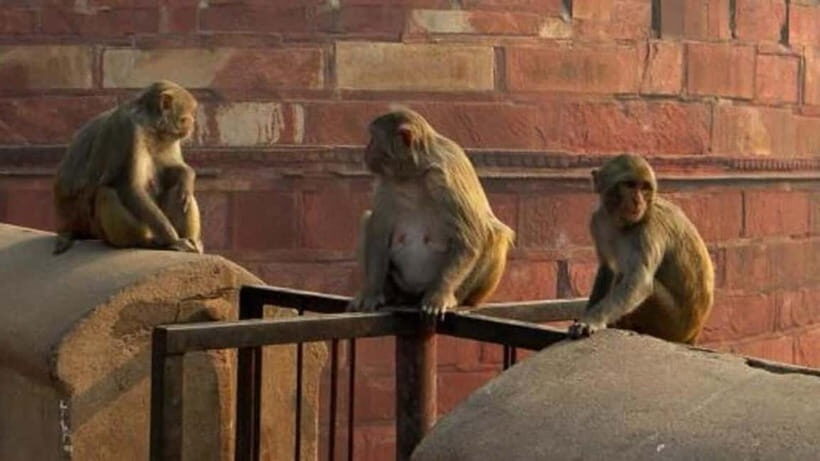
I especially liked the sense that the guide explains monkey habits like a living system, not a random animal encounter. The masala tea refreshment also lands at the right time when you need a breather without losing momentum.
The only real drawback is that this is a walking-focused tour. If you have mobility limitations, the notes say it may not suit you well, even though it’s listed as wheelchair accessible—so you’ll want to ask before you book.
Key highlights worth planning for
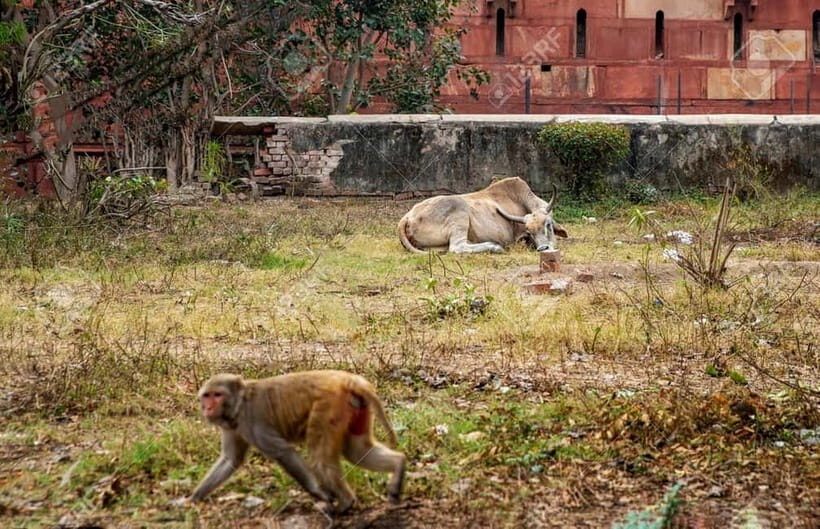
- Rhesus macaques and langurs you can observe in urban Agra, with species-focused guidance
- Safety-first orientation on monkey behavior and what to do (and not do) during the walk
- Less-famous temple and neighborhood lanes where monkeys show up more often than you’d expect
- Hanuman stories and local legends that explain the monkey-human connection
- Photo coaching so you get better angles and stay in safe zones
- A short chai/tea break with monkey-viewing vibes
You can also read our reviews of more walking tours in Agra



Why Agra’s Monkey Safari feels more real than a zoo visit
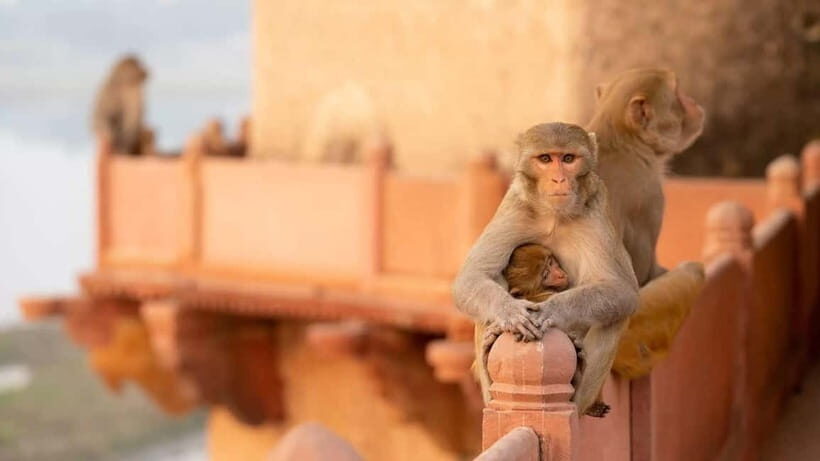
Agra’s monkey life isn’t hidden behind fences. It shows up around rooftops, temple areas, and ordinary lanes where people go about their day. That’s why this guided walking approach works: you’re not just watching animals, you’re learning the rules of sharing space with them.
The guide’s focus keeps things grounded. Instead of a vague wildlife walk, you get specific instruction on monkey habits, social behavior, and how they coexist with humans in urban India. For me, that’s the difference between entertainment and understanding.
Also, this is set up for a short time window. In 3 hours, you’re moving through the best-feeling areas for sightings while still getting story-time and breaks. It’s a practical way to add an unusual Agra experience without committing to a full day.
Meeting your English guide and getting the monkey-safety rules
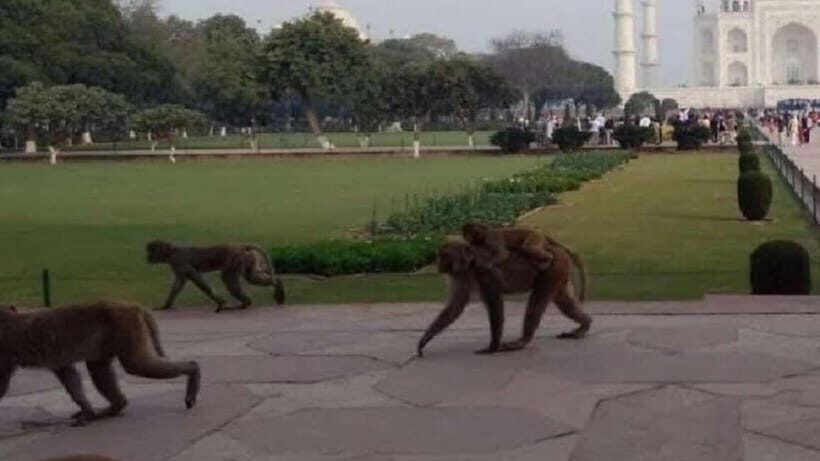
Your tour starts with a pickup in Agra and a proper meet-and-greet with the guide. Before you head out, you’ll get a briefing on monkey behavior and basic safety tips. That orientation matters, because monkeys are curious and fast, and your best chance of a good experience is staying predictable and following the plan.
You’ll also get a quick walk-through of the route idea and which cultural spots you’ll likely pass. The guide’s job isn’t only spotting animals. It’s helping you read what you’re seeing—like when monkeys are calm versus when they’re more likely to move quickly or react to people.
A good sign here is that the tour is structured around guided observation, not unsupervised wandering. You’re meant to stay aware, watch from safe angles, and let the guide handle the tricky parts. That’s exactly what you want on a monkey-focused outing.
Temple lanes and neighborhood rooftops: where the sightings happen
One of the strongest parts of this experience is the setting. You walk through a historic neighborhood or a temple complex area where monkeys are commonly spotted. That means you’re not just looking for wildlife in empty space—you’re seeing monkeys in the same environment as daily life.
Expect to pass lesser-known lanes and areas where rooftops can bring you a different viewpoint. Rooftop sightings are a big deal because monkeys often use elevated spaces for vantage points and movement. When the guide steers you toward these spots, it instantly improves your odds of seeing multiple species, not just one.
This also adds a cultural layer. Monkeys aren’t treated as a separate attraction. They’re part of the neighborhood story, and you’ll hear legends and explanations that connect the animals to local tradition.
Is it perfect for everyone? Not always. The route is walk-based, and you may encounter uneven paths or areas that are harder for slower mobility. If you’re unsure, this is where asking the provider before booking is smart.
Watching langurs and rhesus macaques without putting yourself in the way
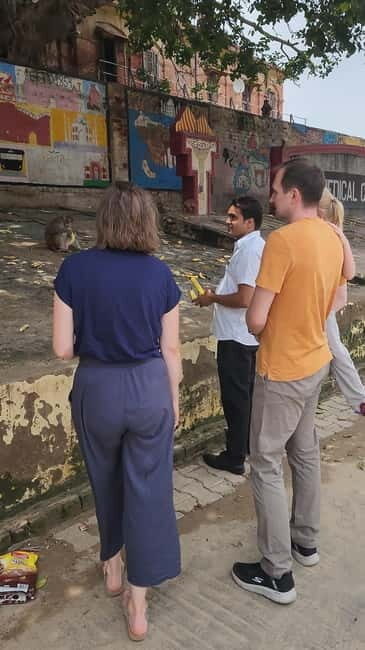
The core of the Monkey Safari is observation time. Your guide helps you watch different monkey species—especially rhesus macaques and langurs—and learn what to notice in their behavior.
You’ll cover key topics like:
- social behavior and how groups move and interact
- feeding habits (with the important note that visitors won’t be allowed to feed them)
- how monkeys coexist with humans in urban India
One nuance from the field: guides may reference feeding as part of explaining behavior, but you should plan on not handing out food yourself. It keeps everyone safer and reduces the chance of monkeys becoming food-focused toward the group.
For photography, this section is where timing matters. Monkeys might pause, groom, bounce between ledges, or watch from a distance before moving. The guide’s job is to help you catch those moments while keeping you out of the monkey’s personal space.
If you want to see lots of activity, aim for the times the guide recommends based on local conditions. People doing this mid-day in heat sometimes find the pace less comfortable, and monkeys can also be more unpredictable.
You can also read our reviews of more guided tours in Agra





How your guide explains monkey behavior and human coexistence
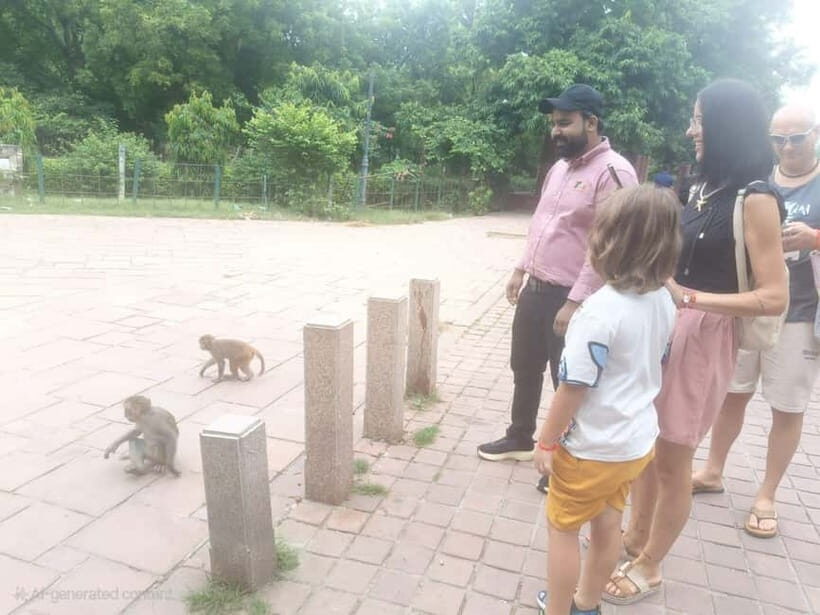
A good guide turns a random sighting into a learning experience. Here, your English-speaking professional guide explains not just what monkeys look like, but how they think, move, and interact with their surroundings.
The best way to think about it: you’re learning how monkeys fit into the neighborhood’s day rhythm. You’ll hear about habits like how they behave around humans, how they handle proximity, and why they’re such a constant presence in Agra. That context helps you understand why some areas attract monkeys and others don’t.
You also get practical guidance on coexistence, including how locals manage food and protect homes. This isn’t about blaming anyone or romanticizing it. It’s about showing how real urban life works when wild animals are nearby.
And you’ll feel the difference in the group dynamic. People can get excited fast around monkeys. The tour structure keeps the focus on observation with guardrails, so you’re seeing more—and staying safer—than you would wandering on your own.
Hanuman legends and local stories you’ll actually remember
The cultural storytelling is not a sidebar. It’s part of why the Monkey Safari feels different from other wildlife walks in India.
You’ll hear local legends involving monkeys, including tales of Lord Hanuman, the monkey god. That legend shows up in many parts of the region, and hearing it in the setting where monkeys live makes the stories click. You’re not just collecting facts; you’re seeing how belief and environment connect.
The guide also shares stories about how people live alongside monkeys and how they protect food and homes. That matters because it explains behavior in a human context. Instead of thinking the monkeys are doing something random, you start seeing why certain choices make sense for them—and what people do to reduce conflict.
This is where the tour becomes more than an animal encounter. It becomes a short cultural education that helps you read Agra like a local, not like a tourist passing through.
Photo moments, safe angles, and the best time to go
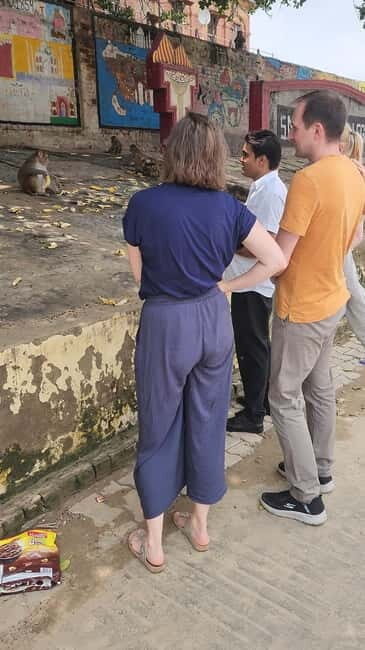
You’ll have time for wildlife and street photography. The guide helps you spot the best moments and safe angles—so you’re not guessing where to stand when monkeys start moving.
Photo success on a monkey walk isn’t only about camera skills. It’s about position and patience. A good angle means you’re close enough for detail but far enough to avoid sudden movement problems. The guide’s coaching reduces the guesswork and helps you avoid standing in the wrong spot.
Timing can also make a big difference. One practical tip you should take seriously: early morning or later in the day often means more active monkeys. If you choose midday, plan for heat, more fatigue, and potentially less relaxed viewing.
So for the best mix of comfort and sightings, schedule it when the day feels cooler and when the monkeys are more likely to be moving. You’ll enjoy the walk more, and your photos will look less rushed.
Tea break in Agra: chai or lemon water with a monkey-view pause
After a couple of hours on your feet, you get a refreshment break. You’ll have chai or lemon water and a light snack, with the option of a rooftop café or local eatery that offers monkey views.
This is more than a treat. It’s a reset point. You can check your photos, cool down, and let your eyes re-adjust before continuing the walk.
The masala tea is a highlight people mention more than once, and it makes sense. In a tour like this, warm spice tea feels like a reward that fits the day. It also keeps the break from turning into a long detour.
Just remember the tour’s focus. This is still a guided wildlife walk, so treat the snack as a short pause, not a second meal. If you’re sensitive to heat, this break is also where you’ll want to slow down and hydrate before the final stretch.
Transport and pacing: a 3-hour walk with private AC pickup/drop-off
This tour includes pickup and drop-off in Agra and a private AC car for the entire tour activity. That’s a big practical value point, especially in hot months. You’re not stuck with a long commute before or after; you’re transported efficiently and can focus on the walk.
Pacing matters on a 3-hour experience. The schedule is designed to keep you moving through the areas where monkeys are likely to appear, then shifting into observation and story segments. You’ll also return to the starting point at the end with a Q&A session.
One more thing: the tour is a guided walking safari. So wear comfortable shoes and expect some time outdoors. If you have limited mobility, don’t assume the “wheelchair accessible” label automatically solves the walking requirement. The notes also say it isn’t suitable for people with mobility impairments, so you should check directly.
Price and value: is $54 a fair deal for this kind of Agra tour?
At $54 per person for 3 hours, you’re paying for more than a generic walk. Your money covers a professional local guide, pickup and drop-off, and a private AC car for the tour time. You also get a mineral water bottle and masala tea.
That package is what makes the value feel solid. Monkey sightings aren’t something you can easily DIY in an urban area without either missing action or stumbling into risky situations. The guide reduces that guesswork and helps you see multiple species with a better shot at close, safe viewing.
This is also a cultural experience. The story layer—like Lord Hanuman connections and local coexistence habits—adds substance that doesn’t require any extra ticketed stops.
If you’re already paying for transport and a guide separately, the math starts to look more reasonable. The only time this price might feel steep is if you’re expecting a guaranteed animal-heavy experience regardless of timing and weather. Wildlife doesn’t work like a theme park, even with a great guide.
Who should book this Monkey Safari walking tour
This is a good fit if you want something off the usual Agra checklist. If you like street-level travel, wildlife observation, and cultural stories in the same half-day window, you’ll likely enjoy this format.
It’s also a strong option for families, because the tour is structured, guided, and designed to keep people safe while still offering real viewing. One family scenario that came up involved a younger child, and the experience was described as feeling safe and educational.
You’ll also enjoy it if you’re the type who likes photography with guidance. The safe-angle help is especially useful when animals start to move suddenly.
If you’re mainly chasing comfort and minimal walking, or you have significant mobility challenges, this may not be your best match. It’s a walking safari, and the local conditions matter.
Should you book? My practical verdict
Book it if you want Agra in a different key: monkeys, neighborhood lanes, and the stories that explain why these animals matter to local life. The combination of behavior coaching, species-focused viewing, and cultural context makes the time feel purposeful.
If you do book, I’d choose your timing wisely. Go early morning or later when monkeys are more active and the heat is more manageable. Bring your energy for walking, not for sitting in a car all day. Also, follow the no-feeding rules during the walk so the guide can keep the experience safe and calm.
Don’t expect a zoo-style guarantee. Expect a smart guide, good viewing windows, and a look at how humans and monkeys share Agra day to day.
FAQ
How long is the Monkey Safari walking tour?
It runs for 3 hours.
Where does the tour start and do I get pickup and drop-off?
Pickup and drop-off are included, with pickup from an Agra location and return to Agra at the end.
Does the tour include a guide and what language is it in?
Yes. A live tour guide is included, and the tour is in English.
Is there a tea or drink break during the tour?
Yes. You’ll have chai or lemon water with a light snack during a refreshment break.
Can I feed the monkeys during the tour?
Guests will not be allowed to feed the monkeys.
What monkeys will I likely see?
The tour is focused on spotting langurs and rhesus macaques, along with other native species.
Is transportation included?
Yes. A private AC car is included for the entire tour activity, along with all toll taxes and parking.
Is the tour wheelchair accessible?
The activity is listed as wheelchair accessible, but it also notes it’s not suitable for people with mobility impairments. If you’re in a borderline situation, check with the provider first.
What is included in the price?
Included items are pickup/drop-off, private AC car, professional tour guide, mineral water bottle, masala tea, and all tolls/parking.
What should I know about cancellation and payment?
There is free cancellation up to 24 hours in advance for a full refund, and you can reserve now and pay later.