REVIEW · AGRA
Agra City Cultural Walk
Book on Viator →Operated by Walks By Arif · Bookable on Viator
Agra wakes up fast, and so does this walk. I love how the route swaps big-ticket monuments for daily life in the old city—old streets, working places, and worship spots—guided by Arif in clear English. You’ll get a feel for how Agra changed over time, plus a smooth start thanks to hotel pickup and a battery-powered eco rickshaw that drops you into the old city area.
Two things I’d highlight: the guide’s storytelling is built for real understanding (not just dates), and the timing is early enough that you see the city in motion but not at peak heat. One consideration: this is a walking experience with moderate fitness needed, and the dress code matters because you’ll visit a temple and a mosque.
In This Review
- Key Highlights Worth Knowing Before You Go
- Why Old Agra Feels Different at the Start of the Day
- Price and Value: What $100 Buys You Here
- Getting From Your Hotel to the Old City Without the Hassle
- Stop 1: Agra Fort Railway Station and the Stories Behind Everyday Places
- Stop 2: Shri Mankameshwar Mandir—Respectful Worship and Local Meaning
- Stop 3: Jama Masjid—A Mosque Visit With Clear Etiquette
- The Real Payoff: How Arif Brings Agra’s Architecture and Markets to Life
- Timing, Pace, and What Moderate Fitness Really Means
- What’s Included (and What You Should Expect to Pay Separately)
- Dress Code and Etiquette: The Easy Way to Avoid Problems
- Who This Walk Suits Best
- Weather Matters: Plan for Flexibility
- Should You Book the Agra City Cultural Walk?
- FAQ
- What time does the Agra City Cultural Walk start?
- How long is the tour?
- Is hotel pickup and drop-off included?
- What are the main stops on the walk?
- Do I need to buy tickets for the stops?
- What should I wear?
Key Highlights Worth Knowing Before You Go
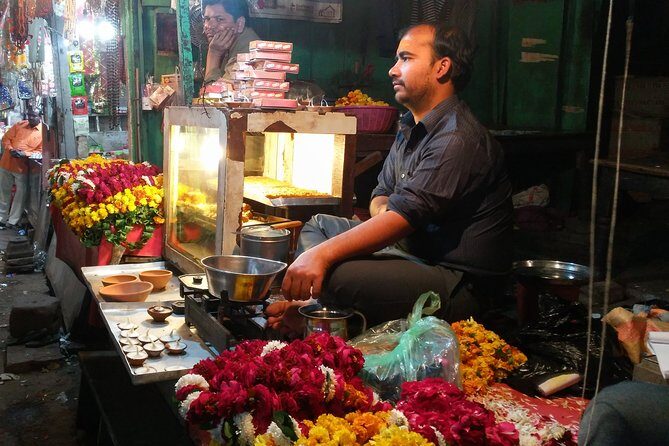
- Early-morning departure so old Agra feels alive as people start their day
- Pickup + battery eco rickshaw that gets you into the old city without fuss
- Guide-led stories connecting rail, neighborhoods, and worship spaces to how the city grew
- Agra Fort Railway Station stop with an included admission ticket
- Temple and mosque visits with free entry at both stops (plus a clear dress code)
Why Old Agra Feels Different at the Start of the Day
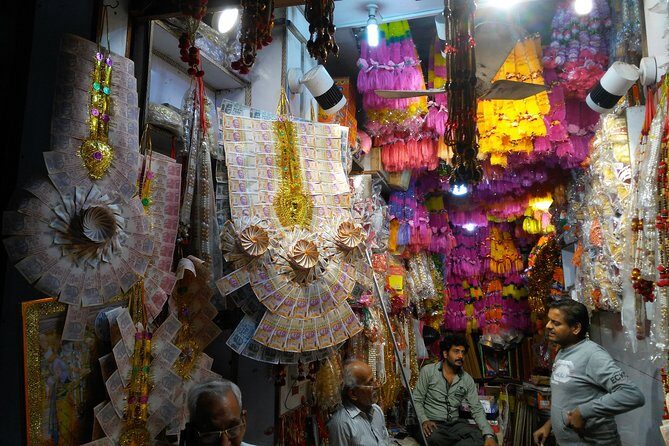
This walk is timed for the moment when Agra is switching from sleep to routine. That matters more than it sounds, because the old city is about movement: shop activity beginning, neighbors greeting each other, and the steady rhythm of prayer and daily errands. Go too late and you mainly get crowds; go early and you get context.
The tour also leans hard into texture. Instead of only stopping at the most famous sights, you spend time on the edges of history—where religion, work, and community overlap. That’s where you start to understand the city as a living place, not a photo backdrop.
You can also read our reviews of more walking tours in Agra


Price and Value: What $100 Buys You Here
At $100 per person for about 2 hours 30 minutes to 3 hours, you’re paying for three things that usually cost extra on your own: a professional guide, guided admissions where applicable, and logistics handled for you. The hotel pickup and drop-off is a big part of the value, especially in a busy city where getting started can be the hardest step.
You also get bottled water, which sounds basic until you’ve walked in the heat. With the route covering multiple stops in a short timeframe, having water ready keeps you comfortable enough to actually enjoy the stories instead of just surviving the walk.
The last piece is the “why”: you’re not just checking off locations. You’re getting a guided interpretation of how old Agra worked—how places developed, and how different periods left their marks in everyday structures.
Getting From Your Hotel to the Old City Without the Hassle
The morning starts with pickup from your hotel. From there, you ride in a battery powered eco-friendly rickshaw into the old city area, then step out to start the walking portion.
This transfer is more than convenience. It helps you begin with the right pacing. You’re not spending your first hour figuring out streets, negotiating transport, or losing time to getting oriented. Instead, you start the walk with momentum and a guide already steering the conversation.
Because it’s a private tour/activity for your group, you’re not stuck with a mismatched pace. That also helps if your group wants to ask extra questions about what you’re seeing—especially useful when the city’s layout can feel confusing at first.
Stop 1: Agra Fort Railway Station and the Stories Behind Everyday Places
Your first stop is Agra Fort Railway Station, and the ticket is included. A railway station might not be your typical “cultural walk” headline, but that’s exactly why this stop works.
Rail hubs tell you how a city connects to the wider world. When a guide explains what you’re looking at—how the station fits into the city’s growth and movement—you start seeing infrastructure as part of culture, not just transportation.
This is also a practical break in the walking rhythm. It’s a place where you can pause, absorb the explanation, and get a better sense of the area before you move into the quieter lanes. If you’re the type who likes understanding how a place functions day-to-day, this stop will feel like a win.
Stop 2: Shri Mankameshwar Mandir—Respectful Worship and Local Meaning
Next up is Shri Mankameshwar Mandir, with history and stories and free admission. Temples are often visited like sightseeing, but on a guided walk they become something else: a window into community life and spiritual priorities.
What makes this stop valuable is how your guide frames it in everyday terms. You’re not only learning what a temple is; you’re learning how it fits into Agra’s long-running social rhythm. That turns your visit into something more grounded.
One key consideration: you’ll need clothing that covers your knees and shoulders. Since the tour includes a mosque visit too, dress for both places. Light layers help because you’ll likely be walking and pausing outdoors.
You can also read our reviews of more city tours in Agra






Stop 3: Jama Masjid—A Mosque Visit With Clear Etiquette
You wrap up this core loop at Jama Masjid, again with history and stories and free admission. This stop is short—about 5 minutes—but it’s an important one because it completes the picture of faith in the old city.
Mosques are living spaces. The best way to get value from a quick stop is to treat it like a guided introduction: listen carefully to what your guide explains, follow the etiquette you’re given, and don’t rush past the details you’re meant to notice.
Since the dress code is specified for both temple and mosque, you’ll likely see the tour take a respectful pace here. If you arrive underdressed, it can slow the group while you find a workaround, so plan ahead.
The Real Payoff: How Arif Brings Agra’s Architecture and Markets to Life
The biggest ingredient in this walk is the guide. Arif’s English is described as strong, and his approach is practical and engaging—so you’re not translating everything in your head while you’re trying to watch the street.
From the stories you’ll hear, you’ll get a clearer picture of how Agra developed over time. The walk highlights the way different eras influenced buildings and how the city’s layers show up in everyday architecture. That’s what helps this experience feel more meaningful than a simple route through old neighborhoods.
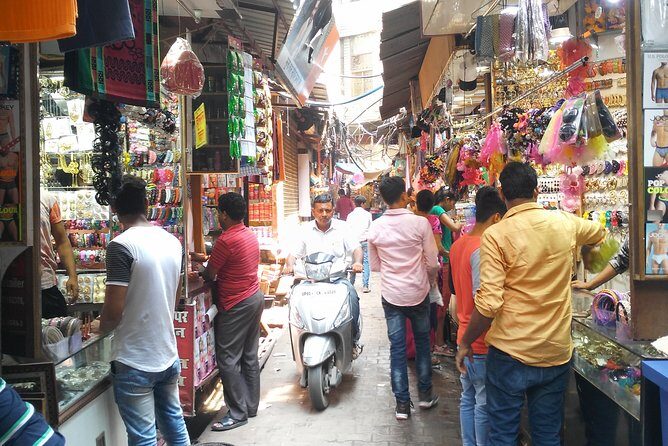
You’ll also spend time in lanes where local life plays out—markets and street-level commerce appear as part of the story. One of the best parts of a guided cultural walk is that you’re not guessing what you’re looking at. You get explanations that connect the visual details to real city function.
If you’re someone who likes to shop for small, personal items in places locals actually use, this tour’s street stops can be a good match. Some participants mention the guide helps point them toward small shops and products they wouldn’t easily find alone.
Timing, Pace, and What Moderate Fitness Really Means
The tour lasts about 2 hours 30 minutes to 3 hours, and it’s described as having a moderate physical fitness level requirement. Translation: you should be comfortable walking at a steady pace for a couple of hours, plus the time spent standing at stops for explanations.
Because it’s early morning, you may get cooler temperatures compared with later in the day, but you still need to plan for sun exposure and pauses. Bring water planning in mind—bottled water is included, but it’s still smart to drink regularly on a city walk.
If your mobility is limited, ask yourself honestly if you can handle uneven sidewalks, short transfers, and standing for short segments at each stop. This isn’t a sit-and-watch type of tour.
What’s Included (and What You Should Expect to Pay Separately)
Included items you can count on:
- Professional guide
- Hotel pickup and drop-off
- Bottled water
- Admission ticket inclusion at Agra Fort Railway Station
- Free admission at Shri Mankameshwar Mandir and Jama Masjid
- Mobile ticket
- Private tour/activity for your group
What’s not clearly listed as included:
- Any meals (you might find the tour leads toward street food opportunities, but it’s not guaranteed as a listed inclusion)
- Any extra shopping
So if you’re the type who wants breakfast plans locked in, treat this as a guided cultural experience first. You can still ask your guide for practical options near your route when you want food, but don’t assume it’s part of the fixed program.
Dress Code and Etiquette: The Easy Way to Avoid Problems
The tour asks for clothing that covers your knees and shoulders because you’ll visit a mosque and temple. This is one of those rules that can be strict in practice, so it’s worth respecting rather than hoping you’ll be waved through.
If you’re coming from a hotel room or a trip out the night before, quick packing tip: bring a light scarf or shawl you can put on easily if needed. You’ll feel better knowing you’re set for both worship stops.
Etiquette is also part of the “value” of the tour. When you’re dressed correctly and moving respectfully, you can focus on the guide’s explanation instead of spending your energy worrying about rules.
Who This Walk Suits Best
This is a great match if you:
- Want old Agra with context, not just famous monuments
- Like walking tours where the guide explains how places developed and how they work today
- Prefer early morning plans and a smaller-group vibe (it’s private for your group)
- Enjoy street-level culture: neighborhoods, worship spaces, and everyday infrastructure like the railway station
It’s less ideal if you want a long list of big-ticket sights with long photo stops. The experience is compact and story-driven, with short segments at each key location.
Also consider it if you enjoy meeting a guide who speaks good English and keeps things engaging—this tour’s style is built for clarity, not just pointing.
Weather Matters: Plan for Flexibility
The experience requires good weather. If weather isn’t good, you’ll be offered a different date or a full refund. That’s worth factoring into your Agra schedule because early mornings are the kind of slot you’ll want to protect.
Should You Book the Agra City Cultural Walk?
Yes, if you want to understand Agra as a lived-in city and you like guide-led street storytelling. The value is strong for the price because you get pickup, a smooth eco rickshaw start, admissions where they matter, and a professional guide who can explain what you see in plain language.
I’d book this sooner rather than later if your main days in Agra include Taj Mahal planning and you still want something that feels genuinely local. This walk fills that gap: it’s not about grand scale—it’s about the city’s daily meaning, shown through old streets, rail life, and places of worship.
If you’re tight on walking ability or you don’t want to follow a dress code for temples and mosques, then you might prefer a more monument-focused tour. But if you’re comfortable walking and you’re open to learning from a local guide, this is a smart, efficient way to get beneath the surface.
FAQ
What time does the Agra City Cultural Walk start?
It’s an early morning tour. Your start time is based on the early pickup from your hotel.
How long is the tour?
The walk runs about 2 hours 30 minutes to 3 hours (approx.).
Is hotel pickup and drop-off included?
Yes. Hotel pickup and drop-off are included as part of the experience.
What are the main stops on the walk?
You’ll visit Agra Fort Railway Station, Shri Mankameshwar Mandir, and Jama Masjid.
Do I need to buy tickets for the stops?
Agra Fort Railway Station includes an admission ticket. Shri Mankameshwar Mandir and Jama Masjid are listed as admission ticket free.
What should I wear?
You should wear clothes that cover your knees and shoulders because the tour includes visits to a mosque and a temple.