REVIEW · NEW DELHI
7 Days Golden Triangle Tour – Delhi, Agra, Jaipur with Udaipur
Book on Viator →Operated by Dtt India Inbound · Bookable on Viator
A good route can save your energy. This one strings together Delhi, Agra, Jaipur, and Udaipur in 7 days, with private transport and a local guide so the stops make sense. I like how it targets famous landmarks (Taj Mahal, Amber Fort, City Palace) while also adding quieter context, like beginning in Delhi at RajGhat.
Two things I really like: you get 5-star hotel stays for 6 nights plus daily breakfast, and the travel is handled with private, air-conditioned transportation and airport transfers. One thing to consider: monument and camera fees are not included, and the Delhi-to-Udaipur portion includes a flight, so the schedule is tight if you hate early starts.
In This Review
- Key Takeaways
- The Big Idea: Golden Triangle With Udaipur Added
- Value for $899: What You’re Really Paying For
- Day 1 in Delhi: RajGhat First, Monuments Later
- Day 2: Fly to Udaipur and Settle Beside Pichola Lake
- Day 3 in Udaipur: City Palace and Jagdish Temple
- Day 4: Jaipur Morning Transfer and the Pink City Feel
- Day 5: Amber Fort and the Power of Red Sandstone
- Day 6: Jaipur to Agra via Fatehpur Sikri (UNESCO Stop)
- Day 7 in Agra: Taj Mahal Day and Final Golden Triangle Payoff
- What the Guides and Private Setup Change
- Hotels and Comfort: 5-Star Basics That Matter on a Short Trip
- Who This Tour Fits Best
- Should You Book This 7-Day Delhi–Agra–Jaipur With Udaipur Tour?
- FAQ
- How long is the tour?
- What cities are included in this Golden Triangle tour?
- What time does the tour start?
- Where does the tour begin?
- Is private transportation included?
- Are airport transfers included?
- What about hotel accommodations?
- Is breakfast included?
- Are monument entrance fees included?
- What is the cancellation policy?
Key Takeaways
- Private air-conditioned transport keeps the big days manageable.
- Local guide included helps you understand what you’re seeing, not just where to take photos.
- RajGhat in Delhi is a thoughtful opener before the famous monuments.
- Udaipur + Pichola Lake-area sights give the trip a slower, more scenic beat.
- Fatehpur Sikri en route to Agra adds a UNESCO stop instead of a straight drive.
- Breakfast daily means you start early without hunting for food.
The Big Idea: Golden Triangle With Udaipur Added
Most Golden Triangle trips cover the same “greatest hits” in Delhi, Agra, and Jaipur. What changes here is the extra chapter: Udaipur, known for its lake setting and palace culture. That addition matters because it breaks up the pace. Delhi and Jaipur can feel like nonstop sight and shopping time; Udaipur offers a different rhythm.
This tour is also structured around comfort and flow. You’re moving in a private AC vehicle between cities and sightseeing blocks, with a guide to explain what you’re looking at. That’s a big deal in India, where public transport can be fine for some trips but stressful for a tight 7-day window.
A few more New Delhi tours and experiences worth a look


Value for $899: What You’re Really Paying For
At $899 per person, the price is in the “full-service” zone. The most important value pieces are the ones you’d otherwise have to organize yourself:
- 6 nights in 5-star hotels
- Daily breakfast (the package lists breakfast for all 7 mornings)
- Private airport transfers (pickup and drop)
- Private, air-conditioned transportation
- A local tour guide
- Water bottle while travelling
What’s not included is also clear: monuments and camera fees at entrances. That can add up depending on how many ticketed sites you choose to enter and how often you bring a camera. So your best budget move is to assume you’ll pay some entrance fees during major stops.
Also, this is a private tour/activity, meaning it’s only your group. For many people, that’s where the value kicks in: you can keep schedules realistic, ask questions, and avoid the “herding” feeling you get on larger group tours.
Day 1 in Delhi: RajGhat First, Monuments Later
Your trip starts in New Delhi, with an escort to your hotel after arrival. On the first morning, you head to RajGhat, the memorial of Mahatma Gandhi, often described as a place that sets a tone—quiet, reflective, and historically meaningful. It’s a smart opener because it nudges your trip beyond postcard sightseeing.
Then you’ll move into the broader Delhi landmark mix the tour is designed to cover, including places like India Gate, Qutub Minar, Jama Masjid, Chandni Chowk, Khari Baoli, and Lotus Temple. One practical note: Delhi’s sites vary a lot in vibe—memorial spaces, big monument complexes, and then old-city lanes. With a private guide, you’ll be able to switch gears without guessing what order makes sense.
Possible drawback: Day 1 can still feel like a “get moving” day because you’re landing and then starting early. If you’re sensitive to jet lag, plan to be kind to yourself with hydration and an easy first evening.
Day 2: Fly to Udaipur and Settle Beside Pichola Lake
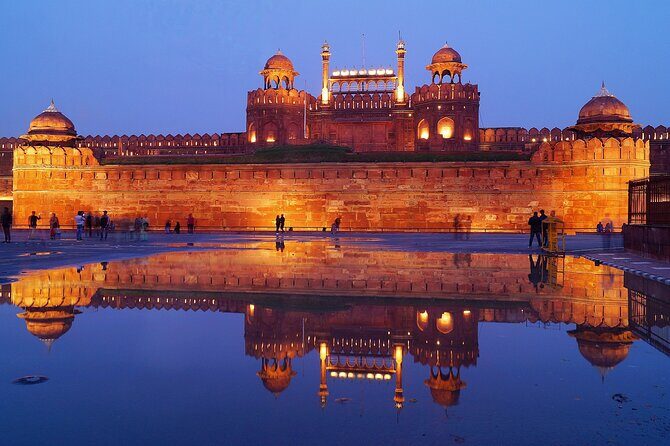
Day 2 is transfer-focused: you go from Delhi to Udaipur by flight. Udaipur is often called the Venice of the East, and the key idea here is the water-and-palace atmosphere. You’re set up to enjoy lake views during your stay, which is exactly what makes Udaipur feel different from the Golden Triangle cities.
This day is lighter in structure (compared to full day sightseeing blocks), which is good. After a flight, you want a little breathing room. Also, the tour notes an admission ticket as free on this day—so you can expect at least one included access point, though the exact site isn’t fully spelled out in the details you provided.
Tip I’d follow: if you can, schedule one relaxed walk in the late afternoon. Udaipur looks best when the light changes and the crowds thin out a bit.
Day 3 in Udaipur: City Palace and Jagdish Temple
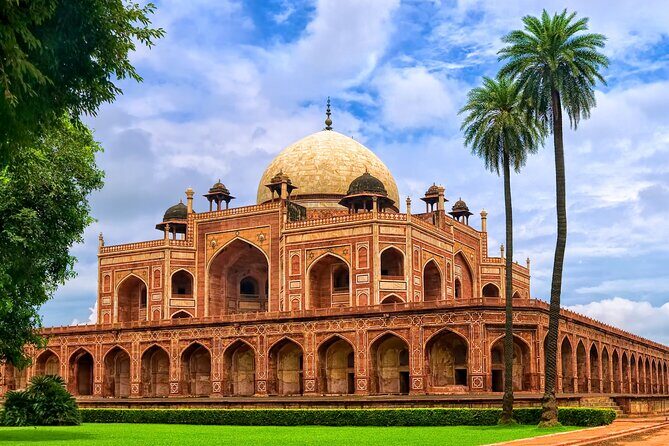
Udaipur’s “palace + temple” combo shows up clearly on Day 3. You tour the City Palace on the banks of Pichola Lake, then visit Jagdish Temple, known for Indo-Aryan architecture.
Why this day works: it doesn’t treat Udaipur as scenery only. City Palace gives you the political and royal story behind the city’s layout, while Jagdish Temple brings you into the living spiritual side of Udaipur’s heritage.
You’ll also do some driving in the Fateh… area (the listing text cuts off), but the point is that you get “views from the road” as part of the day, not only foot time. That’s valuable in Udaipur because distances and viewpoints can add up, and you’ll get perspective faster than wandering with no plan.
Consideration: Temple visits can involve walking on uneven ground. Comfortable shoes help, even if you’re not doing a long hike.





Day 4: Jaipur Morning Transfer and the Pink City Feel
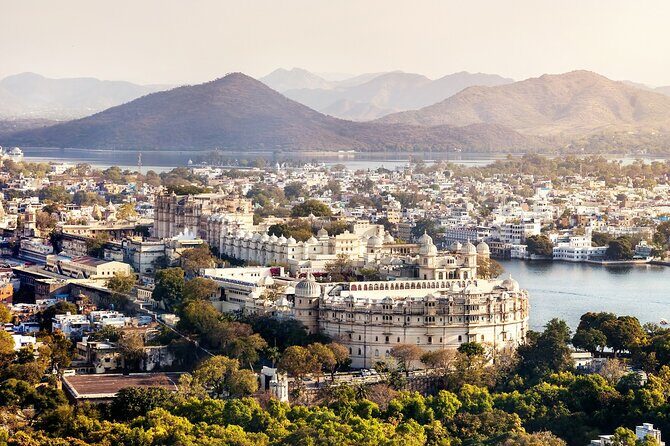
On Day 4, you head early to Jaipur, the capital of Rajasthan. Jaipur is the “Pink City” for a reason: it’s all about color, architecture, and street life. The tour gives you time to discover streets and markets, and that’s where Jaipur becomes more than forts and monuments.
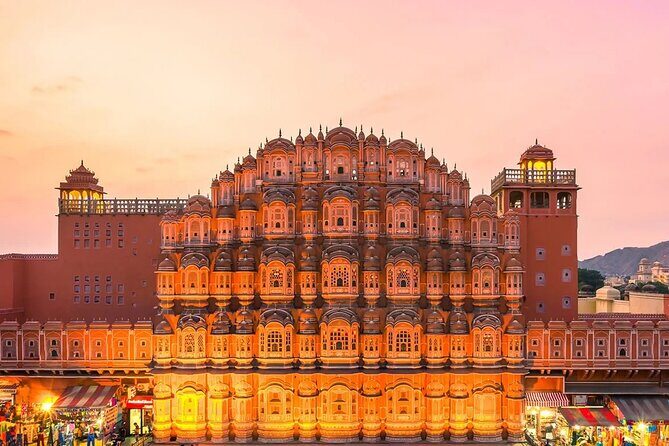
You’re also set up to see major highlights that the overall tour is built around, including Hawa Mahal (listed in the overview). Even when you don’t spend hours inside every site, seeing these landmarks helps you understand how the city was designed for climate, status, and community.
My practical advice: Jaipur can feel like sensory overload if you over-schedule. If you have strong shopping interests, aim for one focused market session and keep the rest flexible. Your guide can steer you toward what makes sense for time and interest.
Day 5: Amber Fort and the Power of Red Sandstone
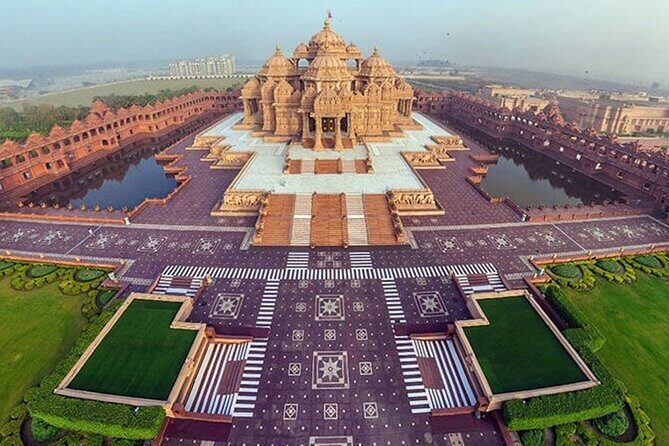
Day 5 centers on Amber Fort, built with red sandstone and packed with architectural features. The listing mentions spaces like the Sukh Niwas room, plus gates including Surajpol, Ganesh gate, and the Goddess-named gateway (the text cuts off).
This is one of those days where a guide earns their keep. Amber Fort isn’t just a big structure. It’s layered: courtyards, defensive design, royal living areas, and details that explain why certain rooms and gateways were built the way they were.
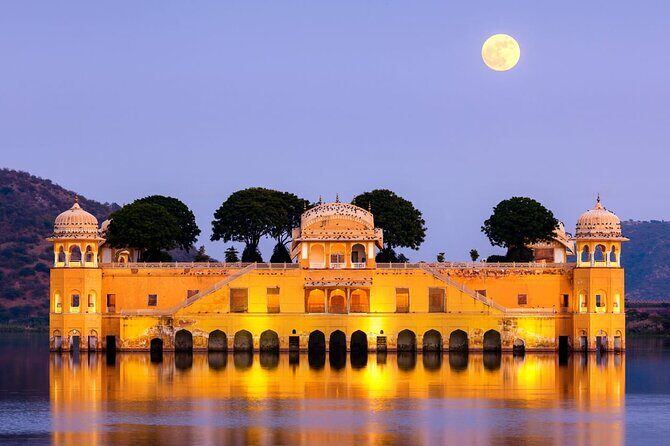
The tour overview also lists Jal Mahal, which is the “water palace” viewpoint that people often associate with Amber Fort routes. Even if you only see it from a viewpoint during your transfer, it adds a dramatic visual break from the fort stone.
Possible drawback: Amber Fort typically means more steps and stairways than you expect. If you’re traveling with mobility limits, tell your guide early so they can suggest pacing and the best time blocks.
Day 6: Jaipur to Agra via Fatehpur Sikri (UNESCO Stop)

Day 6 is a road-trip day—Jaipur to Agra—with Fatehpur Sikri as a UNESCO stop along the way. Fatehpur Sikri is one of the best “pause and reset” additions to this circuit because it’s a different Mughal-era story than what you’ll see in Agra.
You’ll also visit Jama Masjid and additional tomb-related sites noted in the listing (the details are truncated), which suggests the day is built around a cluster of major Islamic architecture points.
Why I like this structure: it avoids an “Agra arrives, see Taj, leave” approach. Instead, you start putting the Mughal era into sequence. That makes the final Agra days more meaningful because you’re not seeing random monuments—you’re building a timeline.
Practical note: road days can feel long, even with AC. Bring something for comfort: water (the tour includes one), sunglasses, and a layer for temperature swings.
Day 7 in Agra: Taj Mahal Day and Final Golden Triangle Payoff
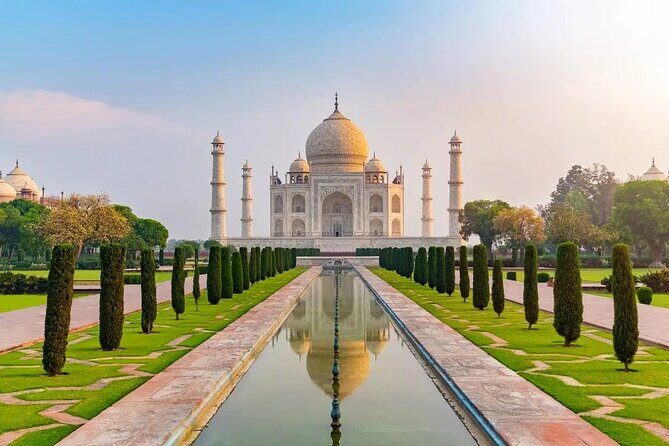
Your last day focuses on Agra’s top historical sights, with Taj Mahal called out as a key stop. The listing indicates you’ll start with the Taj Mahal and then continue through Agra’s main delights.
Taj Mahal day is always special, but the real value of this tour is that it doesn’t treat Taj Mahal as a one-off photo stop. You’ve already visited Jaipur’s fort architecture and Fatehpur Sikri’s Mughal structures. By the time you get here, you’ll likely notice patterns in design and scale—how power is expressed through stone, symmetry, and design choices.
Small reality check: Taj Mahal involves a lot of walking and standing. It’s worth wearing comfortable shoes and keeping your expectations flexible if you hit security lines.
What the Guides and Private Setup Change
A recurring theme in the trip reviews you shared is the quality of communication and hosting. One mention stands out: Mr. Dwivedi (the founder) responded quickly and seemed to understand what the trip needed to achieve. Another key detail: Mr. Singh, arranged as a guide, was described as informative and a wonderful host. That kind of guide relationship matters because it often determines whether the trip feels like a checklist or a story.
In a private setup, you can ask about the symbols on buildings, why a fort is designed a certain way, or what a neighborhood was originally for. And since transportation is private and AC, the day doesn’t collapse when you want to slow down for a photo or ask one more question.
Hotels and Comfort: 5-Star Basics That Matter on a Short Trip
The tour includes 6 nights of accommodation at 5-star hotels. Even if you don’t care about fancy lobbies, this matters in India because after a long day of sights, you want:
- a quiet place to recharge
- reliable showers and comfortable beds
- less stress about finding breakfast options
Also, the itinerary is built for early starts at least on some days, and breakfast is included daily. That helps you leave on time without wasting the morning.
Consideration: 5-star doesn’t always mean “perfect for every traveler.” If you prefer boutique hotels or want a specific neighborhood vibe, you might want to ask for details about hotel locations before booking.
Who This Tour Fits Best
This is a strong match if you want:
- a private experience instead of large-group touring
- an efficient route across major Indian icons
- guided explanations at the key stops
- comfortable travel and hotel standards
It may be less ideal if you:
- dislike flights as part of a multi-city tour
- prefer to travel at a very slow pace with long midday breaks
- want all monument and camera costs included in the price (they’re not)
Should You Book This 7-Day Delhi–Agra–Jaipur With Udaipur Tour?
I’d say yes if your goal is a well-paced, major-sites itinerary with private comfort and a guide who can explain what you’re seeing. The combination of Taj Mahal + Amber Fort + City Palace is a strong trio, and Udaipur adds a worthwhile contrast rather than repeating the same kind of scenery.
Before you book, do two things:
- Budget separately for monument and camera fees since they’re not included.
- Be ready for a schedule that includes early starts and at least one flight segment.
If you want a Golden Triangle tour that feels organized, comfortable, and easier to follow day by day, this one is built for that.
FAQ
How long is the tour?
The tour duration is 7 days (approx.).
What cities are included in this Golden Triangle tour?
It covers Delhi, Agra, Jaipur, and includes an added stop in Udaipur.
What time does the tour start?
The tour start time is 9:00 am.
Where does the tour begin?
It begins in New Delhi, India.
Is private transportation included?
Yes. You get private air-conditioned transportation.
Are airport transfers included?
Yes. The package includes both private airport transfers (pickup and drop).
What about hotel accommodations?
It includes 6 nights of accommodation at 5-star hotels.
Is breakfast included?
Yes. Daily breakfast is included (listed as breakfast for 7 mornings).
Are monument entrance fees included?
No. Monument and camera fees are not included and are paid as applicable at entrances.
What is the cancellation policy?
There is free cancellation up to 24 hours in advance for a full refund. If you cancel less than 24 hours before the start time, the paid amount isn’t refunded.