REVIEW · NEW DELHI
2 Days Rishikesh Haridwar Private Tour from Delhi
Book on Viator →Operated by Saksham Holidays · Bookable on Viator
Two-day Ganga pilgrimage feels like a fast rewind. This private tour stitches together Haridwar’s most important Har Ki Pauri ghat moments with Rishikesh’s iconic Ram Jhula and the city’s well-known yoga-and-ashram scene, all with a driver who keeps you moving. For a short trip, it’s a smart way to see the spiritual highlights without turning your vacation into a map app workout.
I especially like the private transportation with pickup, because it lowers the stress of getting around Uttarakhand for a two-day squeeze. And when you do need help, the service has a human touch—people mention smooth planning and support from Saksham Holidays, with Mr. Beer Singh Panwar named as the person behind the itinerary. One thing to plan for: the cable car to Mansa Devi and Chandi Devi isn’t included, so you may have extra costs (and extra time) depending on what you choose.
In This Review
- Key highlights you’ll care about
- Why Rishikesh and Haridwar fit together in 2 days
- Day 1 in Haridwar: from hilltop Devi temples to Har Ki Pauri
- Mansa Devi Temple and the cable car reality
- Chandi Devi Temple: another hilltop devotion stop
- Daksheshwar Mahadev in Kankhal: a Shiva stop with a shorter pace
- Ma Anandamayi Ashram: calm spiritual architecture
- Har Ki Pauri: where the Ganga becomes the main character
- Day 2 in Rishikesh: Ram Jhula and the ashrams that define the town
- Ram Jhula: a bridge, but also a threshold
- Sivananda Ashram: yoga tradition with a practical feel
- Geeta Bhawan: big complex energy on the riverbank
- Swarg Ashram: Kali Kamli Wala legacy
- Parmarth Niketan: large, organized, and garden-like
- Head back to Delhi after the Rishikesh stops
- From Delhi to Uttarakhand: what the private vehicle actually changes
- Price and value: is $120 per person worth it?
- Practical tips for temples, ghats, and ashrams in two days
- 1) Plan your energy for hilltop temples
- 2) Dress and behave for sacred spaces
- 3) Don’t rely on meals being included
- 4) Know what you’re seeing at the ghats
- 5) Keep your expectations realistic for two days
- Who should book this Rishikesh Haridwar private tour from Delhi
- Should you book this 2-day Rishikesh and Haridwar tour from Delhi?
- FAQ
- What is the duration of this 2 Days Rishikesh Haridwar Private Tour from Delhi?
- Where does the tour start and how do you return at the end?
- What’s included in the price?
- Is lunch or dinner included?
- Are temple tickets included?
- Is this a private tour?
- What if the weather is bad, and how does cancellation work?
Key highlights you’ll care about
- Private pickup in New Delhi with an air-conditioned vehicle and bottled water
- Har Ki Pauri as the central Haridwar ghat stop, tied to the Ganga worship atmosphere
- Mansa Devi and Chandi Devi hilltop temples with cable car optional/not included
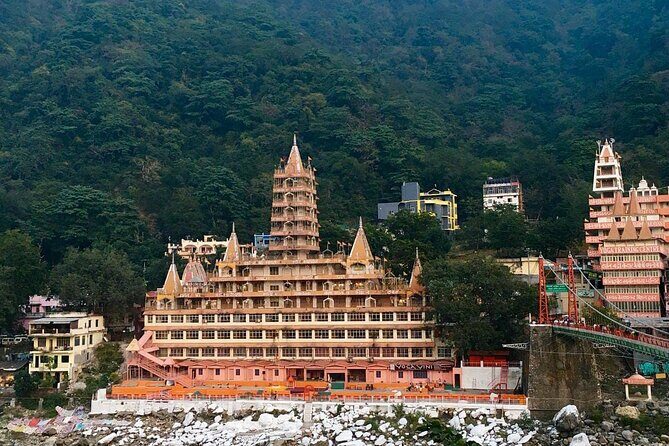
- Ram Jhula crossing the Ganga, plus multiple major Rishikesh ashrams
- Breakfast included for both days, while lunch and dinner stay flexible
Why Rishikesh and Haridwar fit together in 2 days
Rishikesh and Haridwar feel like two sides of the same sacred coin. Haridwar is where the Ganga pulls focus through ghats and nightly worship traditions, while Rishikesh shifts the vibe toward yoga study and ashrams. In just two days, you get the full mood range: river ceremony energy, temple devotion, and then the quieter rhythms of spiritual institutions.
What makes this style of tour work is that it’s built for flow. Instead of bouncing between locations you need to figure out, you’re guided from Haridwar’s hilltop temples and main ghat area into Rishikesh’s riverbank ashrams and back to Delhi. If you want a focused highlight reel (without sacrificing comfort), this is a good format.
You can also read our reviews of more private tours in New Delhi



Day 1 in Haridwar: from hilltop Devi temples to Har Ki Pauri
Day 1 starts in Haridwar with two big-name goddess stops: Mansa Devi Temple and Chandi Devi Temple. Both are dedicated to major forms of the divine feminine, and both are located on hilltops in the Sivalik hills area—so yes, you’ll be looking uphill and expecting some physical effort from the siting alone. These are popular because the views from the top are part of the experience, and the temples feel like a pilgrimage destination rather than a quick photo stop.
Mansa Devi Temple and the cable car reality
Mansa Devi Temple sits atop Bilwa Parvat on the Sivalik Hills. The tour info specifically notes that the cable car is not included, which matters because cable cars can make a big difference in how exhausting the day feels. If you’re traveling with elders, or if you’d rather save your energy for later ghat time, budget for this choice. If you’re fit and prefer to walk, you might still decide you’d rather climb on foot. Either way, going in knowing it’s not bundled helps you avoid surprise costs.
Chandi Devi Temple: another hilltop devotion stop
Next is Chandi Devi Temple, dedicated to Goddess Chandi Devi and located atop Neel Parvat. Like Mansa Devi, it’s a “temple with a view” kind of stop. This stop also has the same cable car not included condition, so plan your energy the same way: decide early whether you’ll take the convenience option or keep it simple with stairs/climbing.
In practice, these two temple visits set the tone: devotion, movement, and a sense that the day has a spiritual ladder—up to the hilltops, then down toward the river.
Daksheshwar Mahadev in Kankhal: a Shiva stop with a shorter pace
After the Devi temples, you shift to Shree Daksheshwar Mahadev (Daksha Prajapati Temple) in Kankhal, about 4 km from Haridwar. This stop is much shorter (around 30 minutes in the plan), which works well after two longer temple segments. It gives you variety: goddess worship first, Shiva worship next, and a different kind of local pilgrimage feel.
What I like about adding this kind of temple is that it prevents “all day, same type of experience.” You still get reverence and ritual space, but with a clearer change in theme.
A few more New Delhi tours and experiences worth a look


Ma Anandamayi Ashram: calm spiritual architecture
Then you move to Ma Anandamayi Ashram, a spiritual center dedicated to Sri Ma Anandamayi. The tour includes a visit of about an hour, and the site includes a mausoleum/samadhi. This kind of stop helps balance the intensity of the earlier hilltop visits. You’re not just chasing landmarks; you’re stepping into a place designed for reflection.
If your group is interested in the softer side of Indian spirituality—quiet devotion, routine, and spiritual memory—this stop often lands well.
Har Ki Pauri: where the Ganga becomes the main character
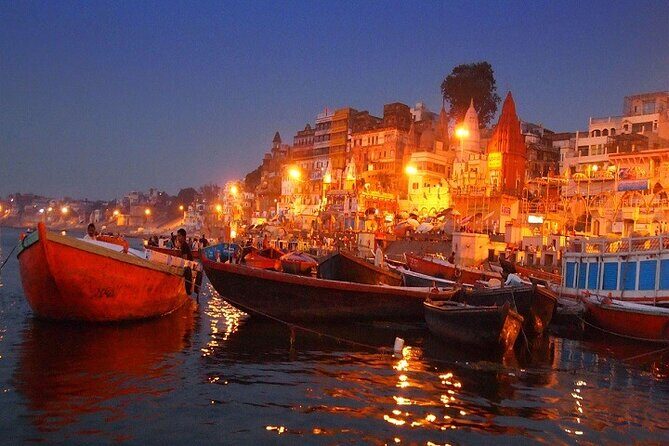
The day ends at Har Ki Pauri, Haridwar’s landmark ghat on the banks of the Ganga. This is one of the most famous steps in the city, and it’s strongly associated with the sense that the Ganga becomes especially sacred here. The broader context around the ghats includes nightly Ganga aarti, with Har Ki Pauri called out alongside Triveni Ghat as a key ceremony setting.
In a 2-day itinerary, Har Ki Pauri is the “signature” stop. Even if you don’t fully understand every layer of ritual, you’ll feel what people come for: the river, the steps, the crowd energy, and the focus of devotion.
Tip for your day: plan for waiting and moving slowly. Ghat areas can get busy, and the best moments tend to happen when you’re willing to stand still for a while.
Day 2 in Rishikesh: Ram Jhula and the ashrams that define the town
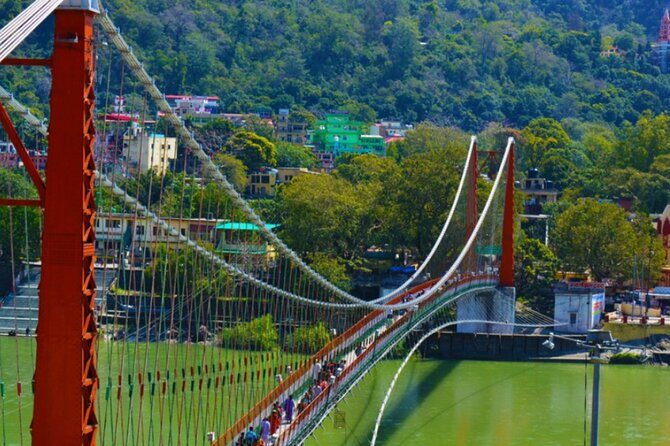
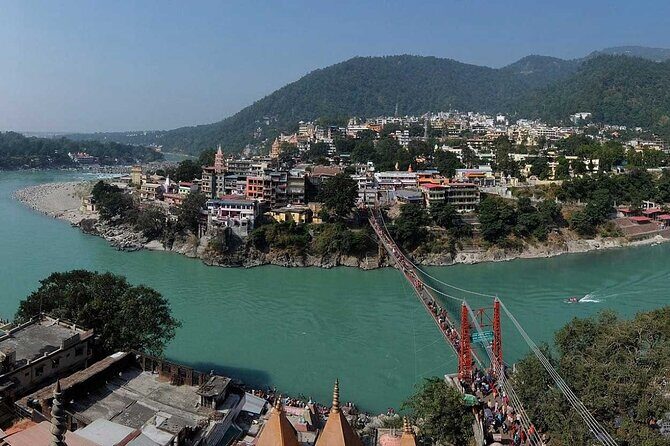
Day 2 is classic Rishikesh. You begin with Ram Jhula, the well-known iron suspension bridge over the Ganga. It’s about 450 feet long, connecting Shivananda Ashram with Swargashram. This is one of those places where the structure is part of the story—standing there, you understand why the riverbank built an entire ecosystem of yoga, meditation, and spiritual teaching.
Ram Jhula: a bridge, but also a threshold
A bridge stop sounds simple, but here it’s more than a viewpoint. It’s a connector between spiritual zones. If you like walking and taking in the river atmosphere, this is a great start because it gives you an immediate sense of place before you step into ashrams.
Sivananda Ashram: yoga tradition with a practical feel
Next up: Sivananda Ashram, founded by Swami Sivananda in 1936 and run under the Divine Life Society. You’ll get about an hour there. The tour info highlights that it’s one of India’s top yoga centers and includes a book shop.
That book shop detail matters more than it sounds. In many ashrams, you can buy reading materials connected to the teachings you’re seeing. If you want to bring something home that’s more than a souvenir magnet, this kind of stop is useful.
Geeta Bhawan: big complex energy on the riverbank
Then you visit Gita Bhawan, a large complex located at the banks of the Ganga in Swargashram. The tour includes a full hour. The description points out discourse halls and over 1000 rooms—so this isn’t a small quiet nook. It’s a working institution with capacity.
How to use your time here: don’t feel pressured to see everything. Instead, spend time in one or two spaces where the scale helps you understand the role of the place. If your group likes bigger organizational spaces, Geeta Bhawan will feel like the “main campus” style of spirituality.
Swarg Ashram: Kali Kamli Wala legacy
Next is Swarg Ashram, built in the memory of Swami Vishudhanand, known as Kali Kamli Wala (the saint with a black blanket). The stop is shorter (about 30 minutes), which fits well because you’ve just come from a large complex. You get a change of pace, and this one carries a specific story identity tied to the saint’s nickname.
If your group appreciates personality-driven spiritual history, this is a strong pause point.
Parmarth Niketan: large, organized, and garden-like
Finally, you visit Parmarth Niketan Ashram, described as the largest ashram in Rishikesh with over 1000 rooms and beautiful gardens. This is about an hour. The garden and clean atmosphere details matter, because ashrams can range from simple to very structured. Here, the plan suggests you’ll have a comfortable space to take in the surroundings without feeling rushed.
This stop usually makes for a great ending because it shifts the day from “you must see” to “you can breathe a little.” After two days of temples, bridges, and institutional spaces, that softer landing helps.
Head back to Delhi after the Rishikesh stops
At the end of Day 2, you continue the drive back to Delhi for drop-off at the airport, a railway station, or your hotel (depending on what you arranged). The tour schedule doesn’t include dinner, so plan your timing accordingly if you’re arriving hungry and want an easy meal on arrival.
From Delhi to Uttarakhand: what the private vehicle actually changes
The tour includes an air-conditioned vehicle, private transportation, and bottled water. Those details are not glamorous, but for a two-day trip they’re the difference between “we saw stuff” and “we enjoyed the day.”
Here’s what you gain:
- Less time negotiating routes and stops on your own.
- A smoother schedule, especially when going from Haridwar to Rishikesh and then back to Delhi.
- More control within the day, since it’s your group only rather than a constantly changing shared itinerary.
The reviews also lean toward one clear theme: the driver is described as polite and experienced, and the vehicle is noted as clean and comfortable (including for family groups). That kind of practical reliability matters because the itinerary is packed with spiritual sites, and you want energy left for each stop, not stress left over from transport.
Also, the experience is offered as a private tour/activity where only your group participates, so the pacing can feel less chaotic than group-departure tours.
Price and value: is $120 per person worth it?
At $120 per person for about two days, the biggest value question is what you’re actually buying besides driving.
From the included list, you get:
- All fees and taxes
- Air-conditioned vehicle plus private transportation
- Bottled water
- Breakfast (2)
You also have practical value in how the route is built. The tour covers several high-demand sites on both sides of the river: Mansa Devi, Chandi Devi, Kankhal’s Daksheshwar Mahadev, Ma Anandamayi Ashram, Har Ki Pauri, Ram Jhula, and multiple major Rishikesh ashrams (Sivananda Ashram, Geeta Bhawan, Swarg Ashram, Parmarth Niketan). For a short trip, that’s a lot of “signature” stops in one package.
Where you should account for extra spending:
- Lunch and dinner are not included.
- Cable car to Mansa Devi and Chandi Devi is not included.
If you’re traveling with family or a small group that wants a comfortable base and clear guidance, this price can feel reasonable. If you’re planning to eat only simple meals and you don’t want any extras, you still need to budget for food and possibly cable car choices.
In other words: the package does a lot of heavy lifting. Your spending focus becomes mainly meals and optional upgrades like cable car.
Practical tips for temples, ghats, and ashrams in two days
This route is meaningful, but it’s still a packed travel plan. A few practical things will make your experience smoother:
1) Plan your energy for hilltop temples
Mansa Devi and Chandi Devi are on hilltops, which means more effort than flat-city sightseeing. Since the cable car is not included, decide early what your group prefers: convenience vs. budget vs. exercise. If you’re going with kids, elders, or anyone with limited mobility, talk that through before you arrive.
2) Dress and behave for sacred spaces
All these stops are religious sites and spiritual institutions. That means modest clothing is a safe approach, and it helps to keep your pace respectful. Also, be ready for crowd flow at ghats, especially around Har Ki Pauri.
3) Don’t rely on meals being included
Breakfast is included twice, but lunch and dinner are not. If you want predictable meal timing, ask your driver or guide contact for suggestions for where to eat near the day’s stops. This keeps you from getting stuck searching when you’re already tired.
4) Know what you’re seeing at the ghats
Har Ki Pauri is a major ghat landmark on the Ganga. The general context around Har Ki Pauri and Triveni Ghat includes nightly Ganga aarti. Even if you’re not attending the full ceremony, you’ll still experience the ghat’s devotional gravity in the way people gather and move.
5) Keep your expectations realistic for two days
Two days means shorter visits and fast transitions between themes: goddess temples, Shiva temple, a samadhi-focused ashram, then ghat time, then bridge and ashrams. If you’re the type who loves long, unhurried wandering, you might feel the time pressure. If you like a curated hit list, you’ll probably enjoy the structure.
Who should book this Rishikesh Haridwar private tour from Delhi
This tour is a strong match if:
- You want a private experience with a driver and air-conditioned comfort.
- You’re short on time but still want the major Haridwar and Rishikesh signatures: Har Ki Pauri, Ram Jhula, and several major ashrams.
- Your group values clean, organized logistics, especially for family travel.
It may be less ideal if:
- You want a beach-style slow vacation with lots of free time.
- Your group only wants one or two spiritual sites and hates crowds.
- You dislike hilltop walking, unless you’re comfortable paying for the cable car option separately.
One more note: the tour says most travelers can participate, and it’s near public transportation. That suggests it’s not a highly specialized niche activity. Still, within the itinerary, hilltop locations do mean you should consider the physical side of temple visits.
Should you book this 2-day Rishikesh and Haridwar tour from Delhi?
I’d book it if your goal is clear: see Haridwar’s ghat devotion, hit the major Rishikesh river-and-ashram highlights, and get there with minimal hassle. The included transport comfort, bottled water, and two breakfasts make it easier to stay in the moment instead of constantly worrying about logistics.
I’d pause before booking if you strongly prefer fully inclusive pricing with no extra decisions. The cable car not included detail is the main wildcard, and lunch/dinner aren’t covered either. Also, the experience requires good weather, so if you’re traveling in seasons with frequent rain or mist, build in a little flexibility.
If you’re traveling with family or you want a trusted itinerary built by a real local contact like Mr. Beer Singh Panwar, this package looks like a practical, value-forward way to experience Uttarakhand’s spiritual heart in a tight window.
FAQ
What is the duration of this 2 Days Rishikesh Haridwar Private Tour from Delhi?
The tour is listed as 2 days (approx.).
Where does the tour start and how do you return at the end?
It starts in New Delhi, Delhi, India. On the second day, you drive back to Delhi for drop-off at the Delhi Airport, Railway Station, or your hotel.
What’s included in the price?
Included items are an air-conditioned vehicle, private transportation, bottled water, all fees and taxes, and breakfast for 2 days.
Is lunch or dinner included?
No. Lunch and dinner are listed as not included.
Are temple tickets included?
Most admission tickets are listed as free in the itinerary. However, the cable car on Mansa Devi Temple and Chandi Devi Temple is not included.
Is this a private tour?
Yes. It is a private tour/activity, and only your group will participate.
What if the weather is bad, and how does cancellation work?
The experience requires good weather. It also offers free cancellation: you can cancel up to 24 hours in advance for a full refund. If it’s canceled due to poor weather, you’ll be offered a different date or a full refund.