REVIEW · NEW DELHI
2 Days Delhi Agra and Fatehpur Sikri Tour By Private Car
Book on Viator →Bookable on Viator
Seeing the Taj twice changes everything. This 2-day Delhi to Agra journey strings together major Mughal sights in both cities, with a private car, a driver, and an English-talking aide who helps you make sense of what you’re seeing. You’re also set up to catch the Taj Mahal at dawn and dusk, not just one quick look.
Two things I really like about this tour are the smooth logistics and the guide quality. The car is described as spacious, clean, and air-conditioned, and pickup is handled with exact timing. On the guide side, the English-speaking aide you may meet can be Farhan Khan, praised for speaking excellent English (and even Spanish).
One thing to consider before you commit: entrance fees are not automatically included, unless you choose the option that includes monuments entrance fees. On top of that, lunch and dinner aren’t included, so you’ll want a simple plan for meals.
In This Review
- Key highlights you’ll feel right away
- Private Car Logistics: how the drive makes this trip easier
- Delhi Monuments Day 1: Humayun’s Tomb to Qutub Minar
- Humayun’s Tomb (about 1 hour)
- Jama Masjid (about 30 minutes, entrance included)
- Lotus Temple (about 1 hour, free entry)
- Qutub Minar (about 45 minutes, entrance included)
- Overnight in Agra: why the schedule is built for the Taj at two moments
- Taj Mahal at Dawn and Dusk: what the 2-hour visit feels like
- Entrance fees: check the option you select
- The guide makes a difference
- Fatehpur Sikri: a Mughal city that rewards patient watching
- Agra Fort and the Tomb of I’timād-ud-Daulah, the “second act” of your Agra day
- Agra Fort (about 45 minutes, entrance included)
- Tomb of I’timād-ud-Daulah, often called the Baby Taj (about 30 minutes, entrance included)
- Marble trim workshop: what to expect from a craft stop
- Price and value: what $108.02 really buys you
- Who should book this tour (and who should skip it)
- Should you book this 2-day Delhi–Agra experience?
- FAQ
- How long is the Delhi–Agra and Fatehpur Sikri tour?
- Is pickup included, and where does it start?
- What’s included in the price?
- Are monument entrance fees included?
- Does the tour include lunch or dinner?
- What are the hotel details if I choose the overnight in Agra?
- Is free cancellation available?
Key highlights you’ll feel right away
- Taj Mahal at dawn and dusk: Two totally different moods for the same famous building.
- Private car, only your group: No mixing with strangers, and the driver handles Delhi–Agra–Delhi.
- Professional English help: You get a guide/English aide to explain what you’re walking through.
- Big-hits itinerary without wasting time: Delhi monuments day one, Agra sights and forts day two.
- Optional entrance-fee add-on: You can control what’s included in your final cost.
- Agra hotel with breakfast (if you select it): One night makes the Taj timing possible.
Private Car Logistics: how the drive makes this trip easier
A lot of multi-city India tours fail on the unglamorous stuff: timing, transfers, and whether you’ll actually be where you need to be. This one is built around the simple idea of a private car for all transfers (Delhi–Agra–Delhi), so you’re not coordinating buses or figuring out routes while jet-lagged.
Pickup is offered, and the meeting point is the Indira Gandhi Intl Airport in New Delhi. That matters if you’re arriving by air and don’t want the stress of hunting down a driver after landing. The tour is also set up as a private activity, meaning it’s for your group only, not a mixed crowd that you have to herd through lines.
From the feedback you provided, the driving experience tends to be reliable: a spacious, clean vehicle with AC and on-time service. That combination makes a difference on days that start early and end late. You can focus on sights instead of arguing with traffic plans.
You can also read our reviews of more private tours in New Delhi


Delhi Monuments Day 1: Humayun’s Tomb to Qutub Minar
Day one is all about Delhi’s Mughal and early imperial landmarks. The pacing is tight but not frantic, and you get four major stops with a mix of architecture types—tombs, mosques, and a standout modern temple.
Humayun’s Tomb (about 1 hour)
This is the tomb of Mughal Emperor Humayun, commissioned by his first wife Empress Bega Begum in 1558. The design involved Persian architects chosen under her patronage, so even before you get into details, this stop is a reminder that Mughal culture wasn’t happening in isolation.
Why it works on this tour: it sets the Mughal stage for what you’ll later see in Agra. You’re not just hopping between attractions—you’re building a mental map of how these styles develop.
Jama Masjid (about 30 minutes, entrance included)
Jama Masjid is one of Delhi’s largest mosques, built by Shah Jahan between 1650 and 1656 and inaugurated by its first Imam. With only about half an hour, you won’t linger the way you could on a standalone mosque visit—but you’ll still get the essential experience: scale, layout, and the significance of the site.
Practical note: short mosque stops can feel rushed if you’re the type who needs time to absorb. If you like reading as you walk, the English aide can help you get the story quickly so the time feels worth it.
Lotus Temple (about 1 hour, free entry)
The Lotus Temple is a Bahá’í House of Worship, dedicated in December 1986. It’s known for its flower-like design, and it’s open to all regardless of religion or qualification.
This stop is a nice reset after the Mughal monuments. It’s modern, calm, and visually different, which helps your brain avoid architecture fatigue. If your tour group enjoys variety, this is a good inclusion.
A few more New Delhi tours and experiences worth a look






Qutub Minar (about 45 minutes, entrance included)
Qutb Minar is part of the Qutb complex, tied to Delhi’s oldest fortified city (Lal Kot) founded by the Tomar Rajputs. The minaret is a UNESCO World Heritage Site and is often treated as a centerpiece of the complex.
With about 45 minutes, you’ll get enough time to appreciate the tower itself and get oriented in the larger complex. This is also a helpful contrast point: Delhi isn’t only Mughal. By the time you reach Agra, you’ll notice the Mughal style more clearly because Delhi has shown you other layers.
Overnight in Agra: why the schedule is built for the Taj at two moments
The tour runs for about two days, with one night in Agra available in a 3–4 or 5-star hotel with breakfast (only if you choose the hotel option). That one overnight is the backbone that makes a dawn and dusk Taj plan possible.
Dawn is calmer and more atmospheric; dusk shifts the light and changes the mood. Even if you’re not chasing photography, you’ll feel the difference in how the crowd and the light behave. A one-night stop also means you’re not trying to do the Taj twice in one day with zero recovery time.
Hotel details aren’t listed beyond star level and breakfast, so I’d treat this as a comfortable base rather than a luxury-destination hotel. If you’re booking for comfort and logistics, the structure makes sense.
Taj Mahal at Dawn and Dusk: what the 2-hour visit feels like
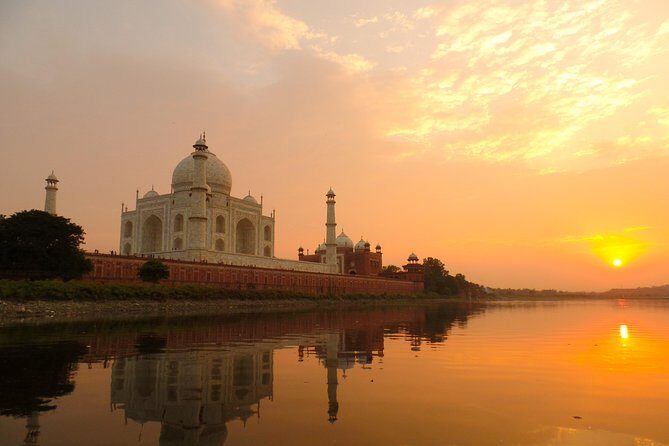
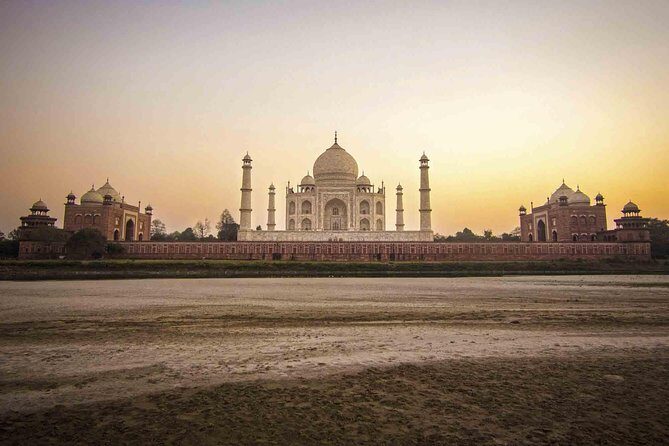
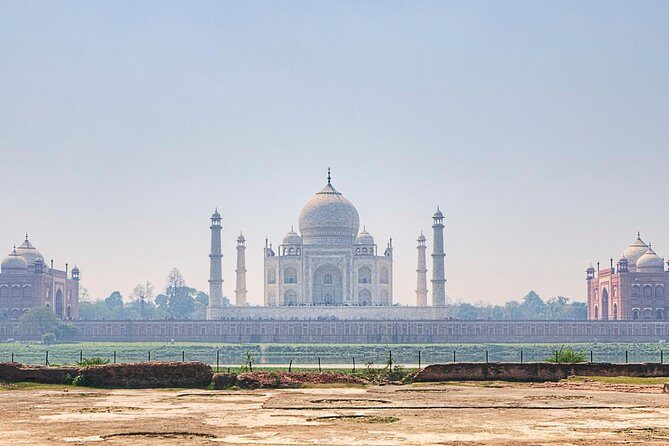
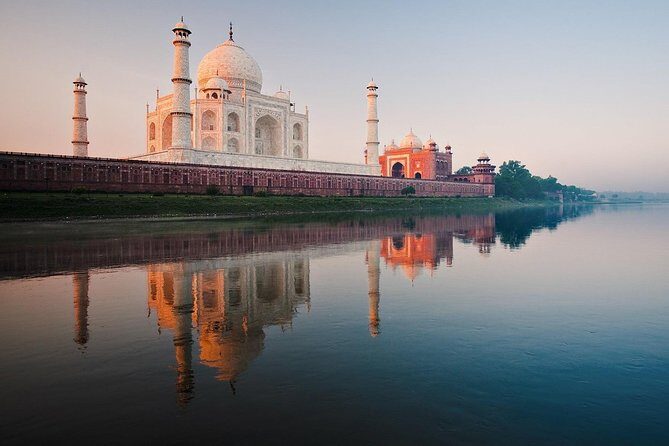
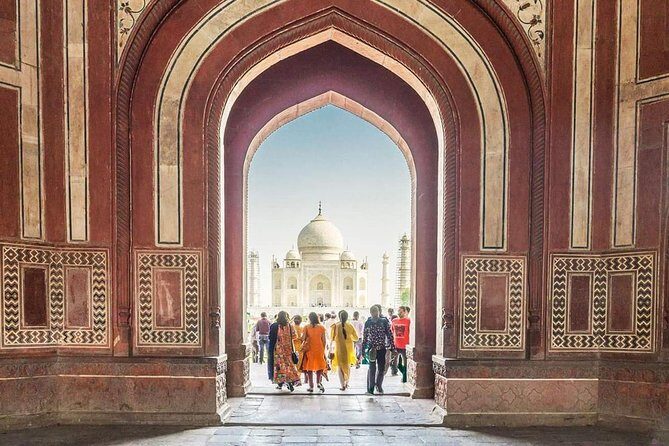
The Taj Mahal is a UNESCO World Heritage Site and a monument built by Emperor Shah Jahan for Mumtaz. The tour frames it as one of the eight wonders of the world, and it’s also presented as the most important tourist attraction in Agra.
The scheduled time at the Taj is about 2 hours, and the big differentiator here is timing: you’re aiming to appreciate it at both dawn and dusk. That’s a smart move because the Taj isn’t only about the building. It’s about the light on marble, the way reflections and shadows change, and the way your brain processes the same monument twice.
Entrance fees: check the option you select
Taj Mahal entrance is listed as not included (unless you choose the monuments entrance fee option). That’s worth paying attention to because it affects your final total.
What I’d do: when you book, confirm whether you want the entrance-fee add-on. If you prefer one less thing to manage on the ground, select the option. If you’d rather pay as you go, you can still do that—you just need to budget.
The guide makes a difference
The tour includes a professional guide, and the aide is there to explain the historical backdrop as you visit. With the Taj, those explanations matter. Without them, you might just see a stunning building and move on. With them, you start noticing design ideas and symbolism as you walk around.
Fatehpur Sikri: a Mughal city that rewards patient watching
Fatehpur Sikri is a UNESCO World Heritage Site around 43 kilometers from Agra. The tour describes it as one of the best examples of Mughal planning and architecture, and it’s also presented as a site that shows more than buildings—offering insight into administration and social structure.
Your time here is about 2 hours, and entry is listed as free. That makes it a rare value moment: you spend meaningful time on a UNESCO site without adding an extra ticket burden (based on what’s provided).
Why this stop fits well on a Taj trip: it broadens the story. The Taj Mahal is a personal monument. Fatehpur Sikri is a city-level statement—bigger in scale and more about how power and society were organized.
If you like architectural tours that focus on meaning (not just photos), this is one of the strongest parts of the itinerary.
Agra Fort and the Tomb of I’timād-ud-Daulah, the “second act” of your Agra day
Day two isn’t only the Taj. It includes Agra Fort and a smaller mausoleum that often gets less attention than it deserves.
Agra Fort (about 45 minutes, entrance included)
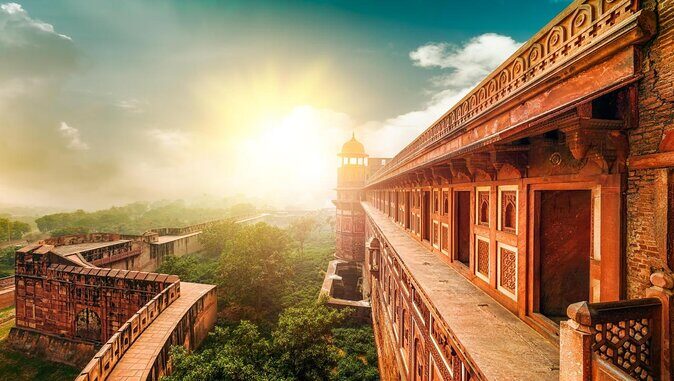
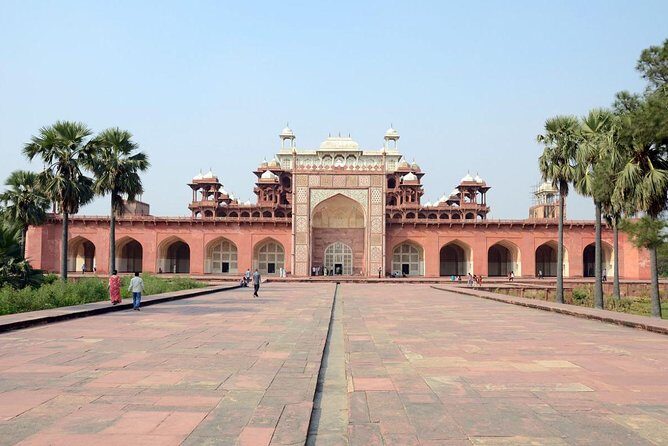
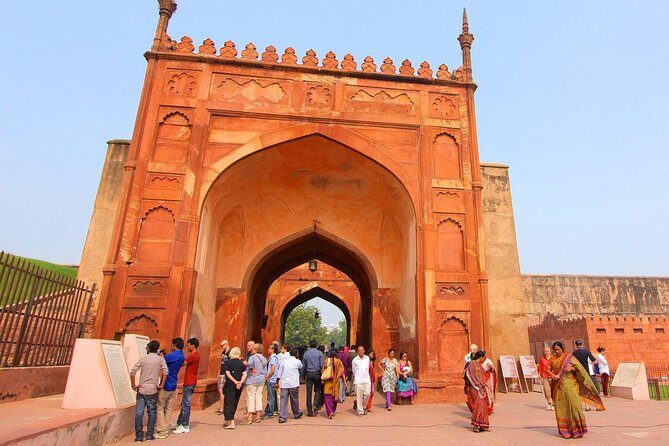
Agra Fort was built for Emperor Akbar between 1565 and 1573, and it served as the main residence for rulers of the Sikarwar clan before the Mughals occupied it. It remained central until the Mughal dynasty shifted the capital from Agra to Delhi in 1638.
The tour gives you about 45 minutes, which is enough to get a sense of why it matters, even if you don’t try to read every wall.
Tomb of I’timād-ud-Daulah, often called the Baby Taj (about 30 minutes, entrance included)
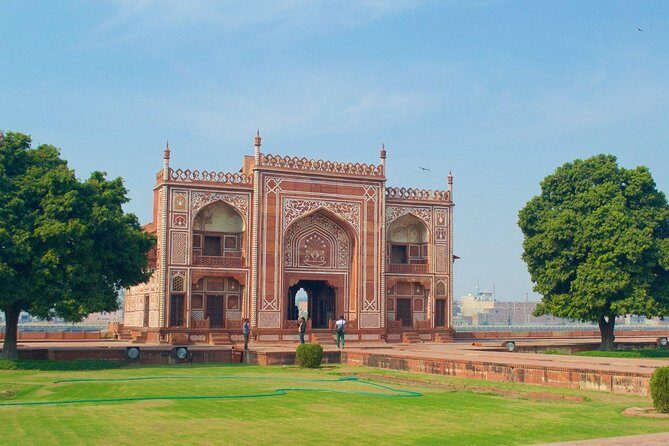
This tomb is frequently described as a jewel box, and it’s nicknamed the Baby Taj. The tour also notes that it’s often regarded as a draft of the Taj Mahal.
You’ll spend about 30 minutes here. That short window can be perfect if you want a quick beauty-and-style comparison. Seeing I’timād-ud-Daulah after the Taj helps you notice how decorative ideas scale up into monumental design.
Marble trim workshop: what to expect from a craft stop
The tour overview includes a visit to a marble trim workshop. These workshop stops can be interesting because they connect what you saw at the Taj—marble and ornament—to the materials and craftsmanship behind the look.
What I’d keep in mind: workshop visits often mix education with sales potential. The provided details don’t say how long the stop is or what the purchasing angle looks like, so I suggest treating it as a chance to learn and only buy if it genuinely fits your taste and budget.
If you like hands-on context, this is a good add-on that prevents the Taj from feeling like a random, standalone masterpiece.
Price and value: what $108.02 really buys you
At $108.02 per person, the value mainly comes from what’s included: private car for all sightseeing and transfers, a professional tour guide, and all vehicle and travel expenses plus applicable taxes.
That’s not a small thing in India. Transport and drivers can add up fast when you’re doing it yourself, and a guide helps you avoid wasting time trying to interpret what you see.
Here’s the trade-off. Certain items aren’t included:
- Lunch and dinner aren’t included.
- Tipping for guide and driver isn’t included.
- Monument entrance fees depend on whether you choose the option that includes them.
- The hotel in Agra is included only if you select that hotel option (3–4 or 5-star with breakfast).
So the best way to judge the price is to think about your travel style. If you want a no-hassle plan with English help and private transport, this is strong value. If you’re the type who prefers to pay only for what you choose and you already have transport figured out, you might find cheaper DIY options—but you’ll trade away time and stress.
Also, the tour mentions group discounts and a mobile ticket, which can add savings and reduce last-minute admin.
Who should book this tour (and who should skip it)
This tour is a great match if you:
- Want a highlight-heavy plan in a short window.
- Like having an English-speaking aide explain the Mughal story instead of guessing.
- Prefer private transport and consistent pickup timing.
- Care about seeing the Taj Mahal at dawn and dusk.
It may be less ideal if you:
- Are strongly budget-only and want to maximize free sites without any add-ons.
- Don’t want workshop stops or prefer totally independent shopping.
- Hate early starts, since dawn-focused Taj viewing requires that mindset.
Should you book this 2-day Delhi–Agra experience?
If you want the Taj Mahal without turning your trip into a logistics project, I’d book it. The combination of private car, a guide, and a plan that includes Delhi’s major monuments and Agra’s key UNESCO sites is exactly the kind of structure that saves time and reduces stress.
Before you hit confirm, do two quick checks:
- Decide whether you want the monuments entrance fee option so your total cost matches your budget.
- Plan for lunch and dinner on your own, since they’re not included.
If those fit your style, this tour is a practical way to get the big sights and the context that makes them more than postcard stops.
FAQ
How long is the Delhi–Agra and Fatehpur Sikri tour?
It’s approximately 2 days.
Is pickup included, and where does it start?
Pickup is offered, and the meeting point is Indira Gandhi Intl Airport in New Delhi.
What’s included in the price?
The tour includes a private car for sightseeing and transfers (Delhi–Agra–Delhi), a professional tour guide, and all vehicle and travel expenses plus applicable taxes. A hotel in Agra with breakfast is included only if you choose that option.
Are monument entrance fees included?
Monument entrance fees are not included by default, but they can be included if you choose the option that adds entrance fees. Taj Mahal and other listed sites show mixed inclusion depending on the option.
Does the tour include lunch or dinner?
No. Lunch and dinner are not included.
What are the hotel details if I choose the overnight in Agra?
The tour offers 1 night in Agra at a 3–4 or 5-star hotel with breakfast, if you select that option.
Is free cancellation available?
Yes. You can cancel for a full refund up to 24 hours in advance of the experience start time, based on local time.