REVIEW · NEW DELHI
16-Days Rajasthan Tour with Agra from Delhi by,Includes,Guide,Hotels,A-C Vehicle
Book on Viator →Operated by Holiday Tours And Travels · Bookable on Viator
One long route can beat weeks of planning. This private 16-day trip strings together Delhi, Agra, Rajasthan, and the Taj Mahal with English-speaking guides and a private AC car. I like how much it covers without turning every day into a stress-fest puzzle—your schedule, hotels, and city-to-city transfers are handled.
What makes it especially practical is the private guide time in each major stop, plus the convenience of being picked up in Delhi and moved through the route in a controlled, driver-led way. One thing to watch: monument entrance tickets aren’t included for many stops, so you’ll want to budget for those add-ons as you go.
In This Review
- Key Things That Make This Tour Work (and For Who)
- First Steps in Delhi: Getting Oriented Without the Fight
- Delhi Sights You’ll Actually Remember: Forts, Tombs, and Big Scale
- Agra by AC Car: Taj Mahal at Sunset, Not at the Rush Hour
- Fatehpur Sikri to Jaipur: Sandstone Colors and Palace Geometry
- Jaipur in Full: Amber Fort, City Palace, Hawa Mahal, and Jantar Mantar
- Pushkar for a Break: Lake Quiet, Temple Focus, Less Pressure
- Udaipur by Lake Light: City Palace and Three Water Stops
- Jodhpur: Mehrangarh’s Scale Plus Desert Ecology
- Jaisalmer: The Living Fort and a Real Desert Night
- Bikaner: Forts, Rat Temple Lore, and More Desert Reality
- Mandawa: Haveli Wall Paintings and the Slower Rajasthan Pace
- Back to Delhi and Fly Out: Easy Finish, Clear Departure
- Price and Logistics: What You’re Really Paying For
- Should You Book This 16-Day Rajasthan + Agra Tour?
- FAQ
- What is included in the tour package?
- Are monument entrance tickets included?
- How do you handle transportation within the trip?
- Do I get pickup from Delhi?
- What kind of accommodation will I have?
- Is the tour really private?
- Can I cancel and get a full refund?
Key Things That Make This Tour Work (and For Who)
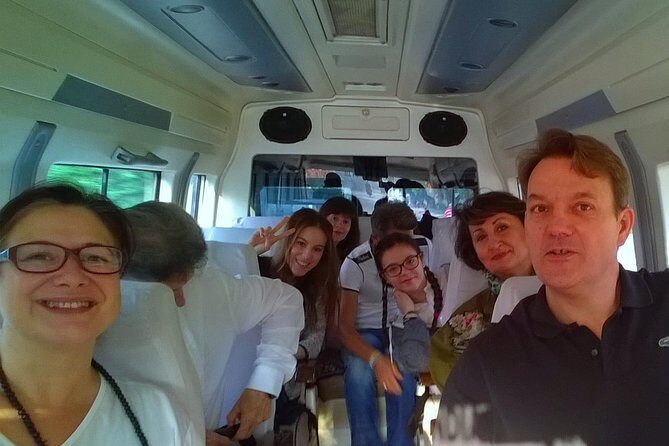
- Private AC transport throughout, sized for your group (Tata Indigo/Swift Dzire for 1–3; Toyota Innova for 4–6)
- English-speaking guides in Delhi, Agra, Jaipur, Udaipur, Jodhpur, Bikaner, and Mandawa
- 3-star hotels with breakfast for 15 mornings, plus dinner included
- One desert-camp night in Jaisalmer with full-board accommodation
- Budget clarity: many major sights are listed as free/varied, but several are not included, so plan for tickets and tips
- Operator support is part of the experience flow, including quick local coordination through their Delhi contact
First Steps in Delhi: Getting Oriented Without the Fight
Day 1 is built for arrival comfort. You’re met at Indira Gandhi Intl Airport (or the railway station), then transferred to your hotel. That matters more than it sounds, because first-day India travel is usually about jet lag, queue lines, and finding the right people—this tour cuts that friction.
On Day 2 you start with Mughal-era Delhi landmarks: the Red Fort, the huge Jama Masjid, the Raj Ghat memorial for Mahatma Gandhi, and Humayun’s Tomb. Then you swing into more modern-feeling landmarks like India Gate and the Lotus Temple, plus the UNESCO Qutub Minar complex and the Birla Mandir (Laxmi Narayan Temple). Even if you only get quick glimpses, the mix helps you understand the city’s layers fast.
Practical note: most monument entries are marked as not included, so you’ll likely pay some ticket fees on Day 2. Bring some cash, carry a small day bag, and set your expectations for walking in and around complexes (even when the visit blocks are short).
You can also read our reviews of more guided tours in New Delhi
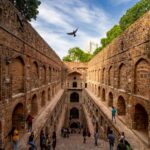
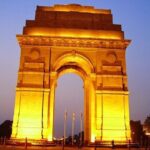

Delhi Sights You’ll Actually Remember: Forts, Tombs, and Big Scale
This Delhi day is a classic “see it all once” approach. The Red Fort and Jama Masjid are both about power and scale, but in different ways—one is a fortress complex, the other is a vast mosque that signals community life and architecture in one stop. Humayun’s Tomb adds a quieter, more garden-style moment, which is a useful mental reset after heavy crowds and big stone walls.
I also like the way the route includes both Mughal and non-Mughal symbols. Qutub Minar gives you a UNESCO landmark, India Gate gives you a public memorial space, and Lotus Temple gives you a different architectural mood entirely. By the end of the day, you’ll have a mental map of Delhi that makes the rest of the trip feel easier.
Possible drawback: when you stack this many sites into one day, you’ll have less time for slow photos, long sits, and wandering. If you want breathing room, you’ll need to treat each stop like a highlight, not a full-day experience.
Agra by AC Car: Taj Mahal at Sunset, Not at the Rush Hour
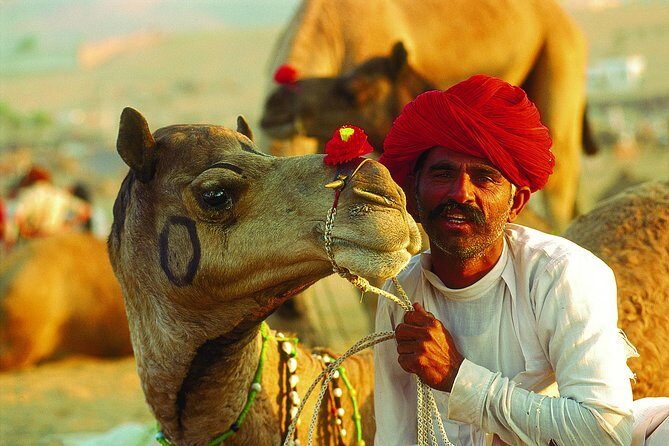
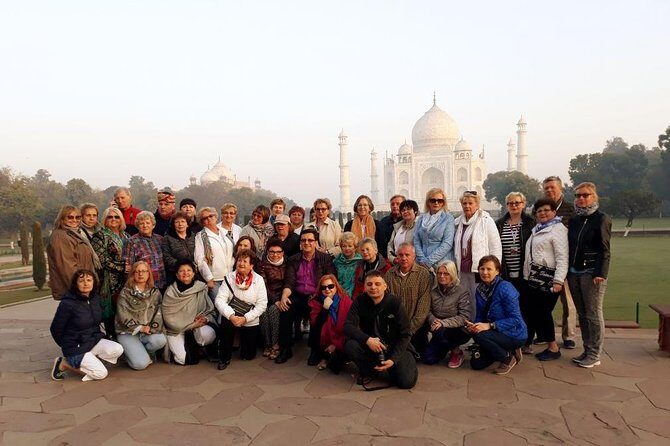
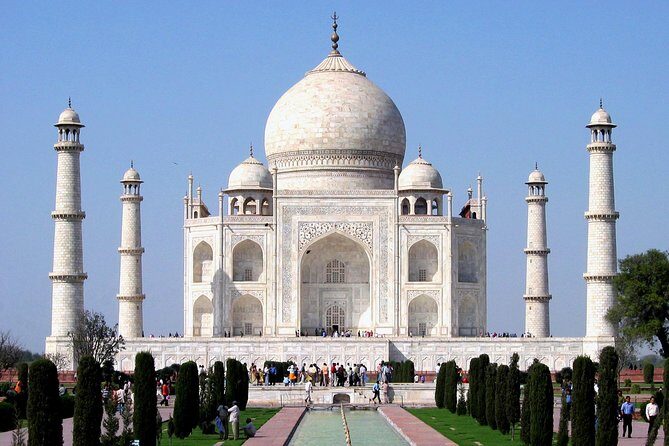
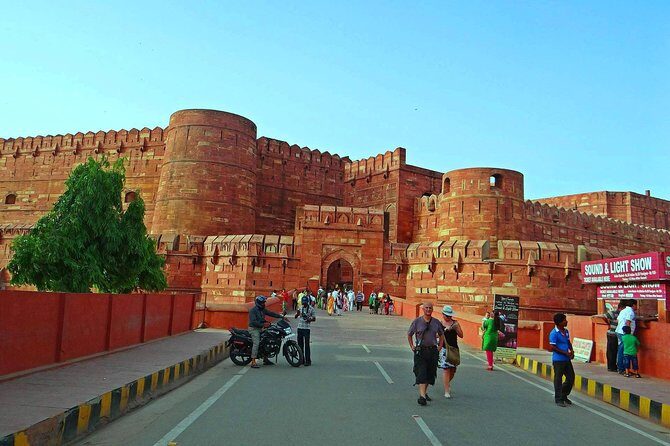
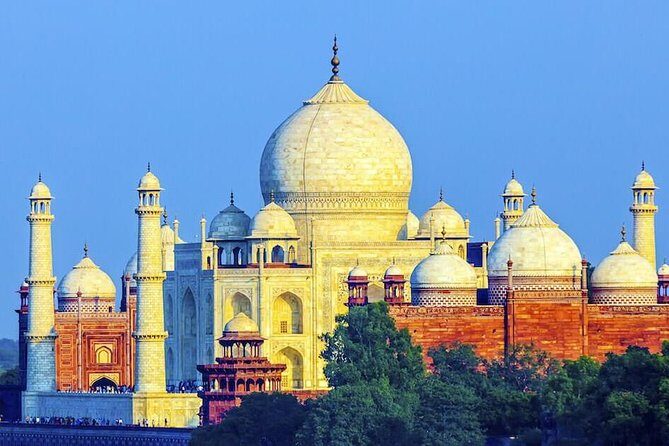
After breakfast on Day 3, you drive to Agra. This is where the tour’s “cover distance with comfort” plan kicks in—your private car helps you avoid the handoffs and waiting that can slow things down in India. Once you check in, you head to Agra Fort, then later the “main event” of the trip: the Taj Mahal at sunset.
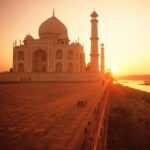
The Taj Mahal timing is a big deal. When it’s placed at sunset, you’re not fighting the hardest daytime heat and glare. The experience block also suggests you’ll have enough time to see the complex properly without it turning into a sprint-and-go-through-the-gates routine.
You also get two other Agra stops that round out the story:
- Itimad-ud-Daulah’s tomb, often nicknamed Baby Taj, which is a smaller-scale contrast to the big-ticket Taj.
- Agra Fort, which is tied to Mughal power in a more defensive, historic way.
If you’re trying to budget: the Taj Mahal and other monuments are listed as not included, so you should expect entrance fees. Build that into your planning so you don’t get surprised mid-trip.
Fatehpur Sikri to Jaipur: Sandstone Colors and Palace Geometry
Day 4 does something smart: it includes Fatehpur Sikri before pushing on to Jaipur. Akbar-era Fatehpur Sikri is presented with key landmarks like Buland Darwaza gate, the nearby Jama Masjid mosque entrance, the marble Tomb of Salim Chishti, and architectural highlights like Diwan-E-Khas and Panch Mahal. Even with a shorter visit window, it gives you a sense of a whole royal complex, not just one building.
Then you travel onward to Jaipur and get a check-in plus a leisure rest of the day. That breathing space is useful. Jaipur in particular can feel like information overload if you arrive and try to absorb everything at once.
One thing to know: Fatehpur Sikri is listed as free for the time block, but tickets aren’t described consistently across all stops. On this route, entrance policies can vary by monument and may depend on how the operator has marked each entry. Either way, you’ll want a flexible mindset and spare rupees.
Jaipur in Full: Amber Fort, City Palace, Hawa Mahal, and Jantar Mantar
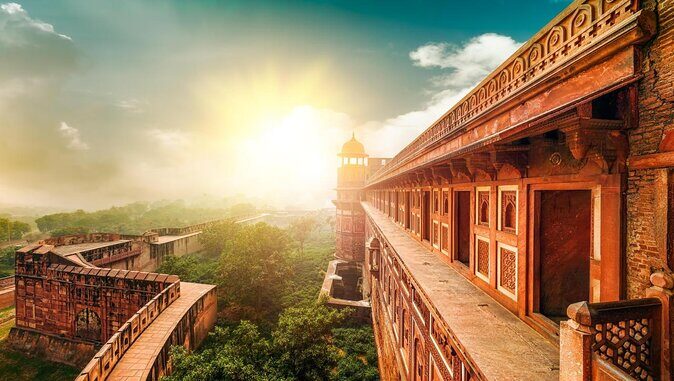
Jaipur days are where you start seeing the “Rajasthan feel” in stone and light. You’ll visit Amber Palace (Amer Fort), then Jal Mahal near the lake. Amber is your big fortress-and-palace anchor, while Jal Mahal works as a visual palate cleanser: it’s a palace within the Man Sagar Lake setting, so you get water-and-stone contrast.
After that, you hit three iconic “old Jaipur” spaces:
- City Palace of Jaipur, the seat of the Maharaja and a palace complex with multiple structures.
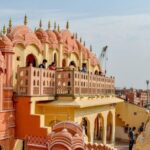
- Hawa Mahal, the famous palace of wind with its red and pink sandstone facade and connection to women’s chambers.
- Jantar Mantar, the UNESCO astronomical instruments site with the world’s largest stone sundial mentioned in the tour notes.
I like that the Jaipur plan mixes “wow architecture” with “why it was built,” even if your time is limited. Amber and Hawa Mahal are obvious photo magnets, but Jantar Mantar gives you context that most quick city tours skip.
Drawback to plan around: Jaipur sightseeing can involve uneven footing and lots of stairs around forts and viewing areas. If you prefer minimal walking, you’ll want to take it slow at Amber and use frequent breaks.




Pushkar for a Break: Lake Quiet, Temple Focus, Less Pressure
Day 6 shifts away from forts and palaces to a more spiritual tone. You arrive in Pushkar and visit Pushkar Lake (Pushkar Sarovar), followed by Brahma Temple (Jagatpita Brahma Mandir), linked to the sacred lake in the tour description.
This stop matters because it helps you recharge halfway through the itinerary. After big royal architecture days, Pushkar gives you a calmer pace and a different kind of attention. Also, the inclusion of the lake makes it easy to enjoy the place even if you’re not trying to memorize every detail.
Entrance fees are marked mixed here too, so don’t assume it’s fully included. But overall, this day is a nice reset.
Udaipur by Lake Light: City Palace and Three Water Stops
Udaipur is approached by drive on Day 7, then you get City Palace as your first major visit. The tour description emphasizes that it’s a palace complex developed over nearly 400 years by the Mewar rulers. Even in a condensed time block, City Palace gives you a sense of continuity—less “one emperor, one moment” and more “dynasty over time.”
Day 8 leans hard into the water theme:
- Lake Pichola
- Fateh Sagar Lake
- Sajjangarh Monsoon Palace (hilltop palace overlooking Fateh Sagar Lake)
- A return to City Palace of Udaipur for more time in the complex
Why this works for your trip: Udaipur is one of those places where being near water changes how everything feels. Monsoon Palace, in particular, is a great choice because it adds elevation and views after you’ve been indoors or along lake edges.
Possible consideration: multiple scenic stops on one day can make timing feel tight. If you like sitting quietly and watching, you’ll have to claim those minutes yourself between the guided highlights.
Jodhpur: Mehrangarh’s Scale Plus Desert Ecology
On Day 9 you drive to Jodhpur and settle in with leisure time. Then Day 10 is built around Mehrangarh Fort, which is described as one of the largest forts in India, sitting about 410 feet above the city. The guide time here likely helps you read the fort’s layout and history without feeling lost.
You also visit:
- Jaswant Thada, a cenotaph built in 1899 in memory of the royal family members.
- Ghanta Ghar, the clock tower of Rajasthan, dominating the market area.
- Rao Jodha Desert Rock Park, which focuses on restored desert and arid vegetation near Mehrangarh Fort.
I especially like the inclusion of the desert park. It’s not just “more fort walls.” It gives you a nature-and-ecology lens that feels different from the palace routine.
Budget note: several stops are not listed as included for admission tickets. Bring funds and keep a plan for optional purchases.
Jaisalmer: The Living Fort and a Real Desert Night
Jaisalmer starts on Day 11 with check-in and a visit to Jaisalmer Fort, described as a living fort where a portion of the old city’s population still resides. That detail changes how you experience the fort: it’s not only a museum-like structure, it’s part of daily life.
You also go to Gadsisar Sagar Lake, a landmark in Jaisalmer that carries cultural heritage. Then you get additional time at Jaisalmer Fort again—so you’re not just walking through one viewpoint and leaving.
Day 12 is the big shift: a desert tour of Jaisalmer, plus tent accommodation with full board. The tour block is long (12 hours), so plan your day around the desert timing. This is also where the “value” of the package shows—many Rajasthan routes either offer a desert night as an expensive add-on or keep it too short to feel real. Here, you get an actual sleep experience built into the plan.
Possible drawback: desert days can be windy and change in temperature fast. Pack layers even if the forecast seems mild when you leave town.
Bikaner: Forts, Rat Temple Lore, and More Desert Reality
Day 13 brings you to Bikaner for sightseeing. You visit Junagarh Fort, then head to Karni Mata Temple at Deshnoke, famous as the Temple of Rats. The tour description highlights the scale—around 25,000 black rats—and that worshippers revere the animals.
You might think the rat temple would be strange (it is), but it also offers a quick look at how religion and local practice can show up in everyday spaces. It’s memorable in a way that’s different from the big architectural landmarks.
Fort and temple together also balance the day. If you’re feeling “palace fatigue,” Junagarh gives you something sturdier and more straightforward, while Karni Mata gives you a cultural experience that’s hard to replicate elsewhere.
Entrance fees are not listed as included for parts of this day, so again: keep the budget flexible.
Mandawa: Haveli Wall Paintings and the Slower Rajasthan Pace
Mandawa arrives on Day 14, and the tour shifts into heritage detailing. You get a sightseeing loop that includes several named havelis: Murmuria Haveli, Goenka Double Haveli, Binsidhar Newatia Haveli, and Jhunjhunwala Haveli.
These stops are where you get to slow down and look. Havelis tend to reward patience: doorways, window patterns, and the storytelling style of interior/exterior decoration. Even if your time blocks are set, Mandawa typically feels easier than the nonstop fort-and-palace days.
Then you transfer to your hotel for the night, which is good planning. You end the long route with a calmer cultural stop before heading back toward Delhi.
Back to Delhi and Fly Out: Easy Finish, Clear Departure
Day 15 drives you back to Delhi and gives you a leisure rest of the day, with another hotel night. On Day 16, you’re transferred to Delhi Airport for your onward journey.
This finish is practical because it avoids the classic problem of rushed last-day sightseeing. You don’t need to cram one last monument into your final hours. Instead, you can recover, sort photos, and handle last-minute shopping without turning departure day into a frantic chase.
Price and Logistics: What You’re Really Paying For
At $585 per person for a roughly 16-day private route, the value depends on what you would otherwise pay to piece everything together. You’re not just buying transport. You’re also getting:
- A private AC vehicle with a driver
- English-speaking guides in the main cities listed
- 3-star accommodation with breakfast for 15 mornings
- Dinner included
- Fees like tolls, parking, fuel, and driver allowances
- A complementary phone SIM card with internet during the trip
What you are not getting automatically: monument tickets are not included for many stops, and lunch and other personal expenses aren’t included. Tips are also not listed as included. So the real cost is $585 plus whatever you spend for entrances and meals beyond dinner.
Who this works best for:
- First-time visitors to North India and Rajasthan who want a guided, low-planning setup
- People who like a packed route but still want private transport
- Travelers who value English guidance and reduced decision fatigue
Who should think twice:
- Anyone sensitive to long travel days or with medical concerns like heart complaints, since the tour is described as not recommended for serious conditions.
Should You Book This 16-Day Rajasthan + Agra Tour?
If your goal is a high-hit, first-timer-friendly Rajasthan and Agra tour with private AC driving, English guides, and hotel organization already handled, this is a strong match. The route covers major icons like Taj Mahal at sunset, multiple Jaipur landmarks, forts across Rajasthan, plus a genuine Jaisalmer desert camp night.
I’d book it if you’re the type who wants to see a lot with fewer logistics headaches. I’d also feel good if your group size fits the vehicle plan, since you’re not stuck in a shared bus with strangers.
If you hate surprise expenses, go in with your entrance ticket budget ready. And if you want slow travel with days that don’t feel scheduled, this style may feel too tight.
Overall, for the money and the structure, it’s a practical way to experience North India’s big cultural landmarks without playing transport-and-tickets roulette every morning.
FAQ
What is included in the tour package?
The package includes a private air-conditioned vehicle, English-speaking tour guides for Delhi, Agra, Jaipur, Udaipur, Jodhpur, Bikaner, and Mandawa, 3-star accommodation (double/twin sharing) with breakfast (15) and dinner, plus fees for tolls, parking, fuel, and driver allowances. It also includes a complementary phone SIM card with internet during the trip.
Are monument entrance tickets included?
No, monument entrance tickets are generally not included. Some visits are marked as free in the schedule, but many major sights are listed as not included.
How do you handle transportation within the trip?
You travel in a private AC car with a driver. Vehicle type depends on group size: Tata Indigo or Swift Dzire for 1–3 people, and Toyota Innova for 4–6 people.
Do I get pickup from Delhi?
Yes. You’re met at Indira Gandhi Intl Airport in Delhi (or the railway station) and transferred to your hotel at the start of the tour.
What kind of accommodation will I have?
You stay in 3-star hotels on a double/twin sharing basis. For the desert portion in Jaisalmer, you stay in a tent with full board basis.
Is the tour really private?
Yes. It’s listed as a private tour/activity where only your group participates.
Can I cancel and get a full refund?
You can cancel up to 24 hours in advance for a full refund. If you cancel less than 24 hours before the experience start time, the amount paid is not refunded.