REVIEW · NEW DELHI
15-Day Private Rajasthan Heritage Tour– Safari, Desert, Taj Mahal
Book on Viator →Operated by Taj Mirror Tours · Bookable on Viator
Fifteen days, five Rajasthan eras. This private, air-conditioned road trip threads Delhi monuments into desert towns like Mandawa and Jaisalmer, then swings to forts, temples, lakes, and ends with Agra’s sunrise Taj Mahal. You’ll have a live guide and a uniformed chauffeur handling driving, parking, and day-to-day logistics so you can focus on the sights (and the food stops).
I especially like the human touch: a careful driver and a local guide who can explain what you’re seeing. In prior trips with this operator, coordinators and drivers such as Chand, Anil Sharma, and Neeraj have been praised for patience and flexibility—exactly what you want when you’re moving fast across Rajasthan. I also like the mix of famous icons and quieter “worth the detour” stops, from Mandawa’s mural-rich havelis to Sam Sand Dunes camel time.
One drawback to plan for: most monument and safari tickets are not included, with a budget hint of about USD 200 per person, plus some sights close on specific weekdays (like Taj Mahal on Friday). Add early safari mornings and temple shoe rules, and you’ll need a little stamina.
In This Review
- Key Things That Make This Tour Work
- The Value of a Private Delhi–Rajasthan–Agra Road Trip
- Delhi Day One: Humayun’s Tomb and Akshardham’s Modern Scale
- Delhi Day Two: Qutub Minar, India Gate, Lotus Temple, and Chandni Chowk Lunch
- Mandawa’s “Open Art Gallery” Feel: Murals, Haveli Interiors, and Harlalka Well
- Bikaner: Junagarh Fort, Lalgarh Palace, and the Rat Temple Detour
- The Long Drive to Jaisalmer: Camel Country Energy and Museum Stops
- Jaisalmer Fort and Haveli Art: Yellow Stone Views and Mirror-Studded Interiors
- Sam Sand Dunes at Sunset: Camels, Culture, and an Optional Desert Overnight
- Jodhpur’s Mehrangarh and Marwar Details: Fort Views, Cenotaph Marble, and Markets
- Sunrise in Rao Jodha Desert Rock Park and Toorji Ka Jhalra Stepwell
- Ranakpur Jain Temples and the Calm of the Aravalli Hills
- Udaipur’s City Palace, Jagdish Temple, and the Lake Boat Moment
- Chittorgarh’s Fort Drama: Vijay Stambh, Kirti Stambh, and Meera’s Temple
- Pushkar: Brahma Temple, 52 Ghats, and a Vegetarian Town Feel
- Jaipur’s Palaces and Observatories Before Ranthambhore Wildlife
- Ranthambhore Early Safari: Tigers as the Goal, Nature as the Reward
- Agra Sunrise Magic: Taj Mahal, Agra Fort, and Itmad-ud-Daula
- Price and Logistics: What You’re Really Paying For
- Who This Tour Suits Best (and Who Should Think Twice)
- Should You Book This 15-Day Tour?
- FAQ
- What’s included in the tour?
- What’s not included?
- Do I need to pay extra for the Taj Mahal and other monuments?
- What happens if Lotus Temple is closed on Monday?
- Is this really a private tour?
- Do I need a photo ID?
- Can I do the desert camp overnight at Jaisalmer?
Key Things That Make This Tour Work
- Private AC chauffeur + live guide: fewer ticket-line headaches and better context at each stop
- Desert and safari combo: camel rides near Jaisalmer plus a tiger-park day in Ranthambhore
- Stepwells and water stories: places like Harlalka Well and Toorji Ka Jhalra add depth beyond forts
- Big-plate sights, not just checkboxes: City Palaces, UNESCO forts, and lake palaces at the right moments
- Optional desert camp: you can turn Sam into an overnight experience if tent availability lines up
- Comfort on long drives: the private car matters on days that run 4–6+ hours
The Value of a Private Delhi–Rajasthan–Agra Road Trip
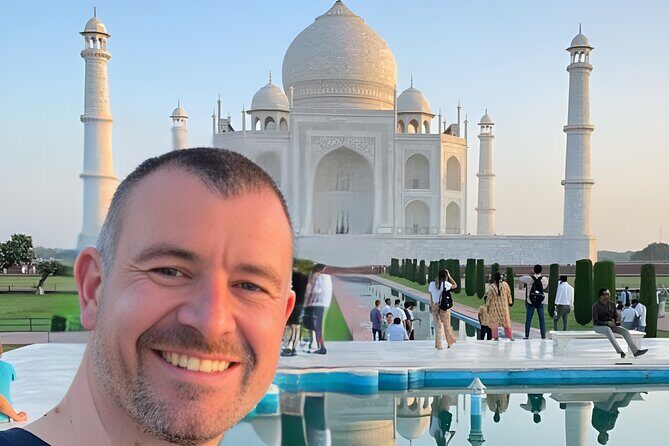
Rajasthan rewards people who slow down—but most of us don’t have two months. This tour’s real strength is its pacing: you’re not jumping cities by train or juggling buses. You’re in an AC car with one driver, which makes long travel days feel manageable and lets you show up at viewpoints without rushing like a sprint.
The route also makes sense. You start in Delhi (classic Mughal and modern spiritual stops), then move through Shekhawati (Mandawa), the desert edge (Bikaner and Jaisalmer), the fort-and-city rhythm (Jodhpur and Udaipur), then the emotionally heavy fort of Chittorgarh and the sacred pull of Pushkar. After Jaipur, you finish with nature (Ranthambhore) and the big Mughal finale in Agra.
Price-wise, USD 1,013 per person is not just a transfer fee. You’re paying for a private chauffeur, live guide support, and door-to-door pickup/drop within Delhi and beyond via the route planning. The catch is that the tour also clearly flags that monument and safari fees are extra (about USD 200 per person). So the best value comes if you’re realistic about budgeting tickets from the start.
If you like structure—when to go, where to stop, and what to see—this is a good fit. If you want total freedom to choose your own timing each day, you’ll probably feel constrained, because the day-by-day rhythm is part of the deal.
You can also read our reviews of more private tours in New Delhi



Delhi Day One: Humayun’s Tomb and Akshardham’s Modern Scale
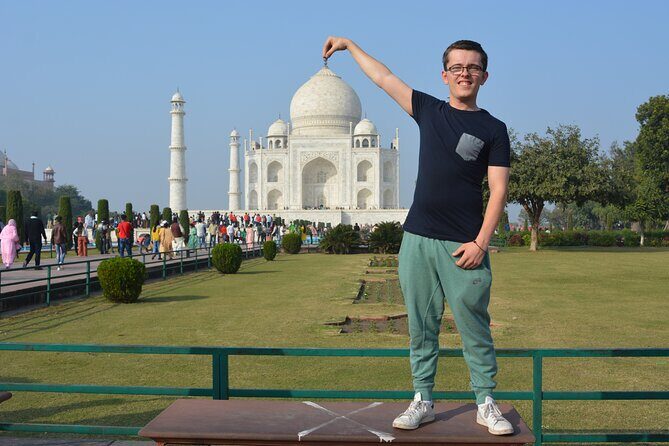
Delhi can be overwhelming on a first visit. What I like here is that your first day gives you two different kinds of Delhi: serious Mughal craftsmanship and modern Indian spirituality.
You start with an easy airport/hotel pickup and check-in, then head to Humayun’s Tomb. It’s a UNESCO site and a strong choice for orientation. The gardens and the red sandstone-and-white marble look give you a foundation for later Mughal sights in Agra. Admission is listed as not included here, so build that into your ticket budget.
Then comes Swaminarayan Akshardham, which is the opposite mood: modern, monumental Hindu architecture that opened in 2005. If you’re coming from Europe or the US, Akshardham is often the “wow” moment—carved details, temple halls, and a large complex that feels like a whole world inside one ticket.
Practical note: you’ll likely need modest clothing and you’ll be doing indoor/outdoor walking in batches. The tour is designed for that, but your comfort depends on wearing good walking shoes.
Delhi Day Two: Qutub Minar, India Gate, Lotus Temple, and Chandni Chowk Lunch
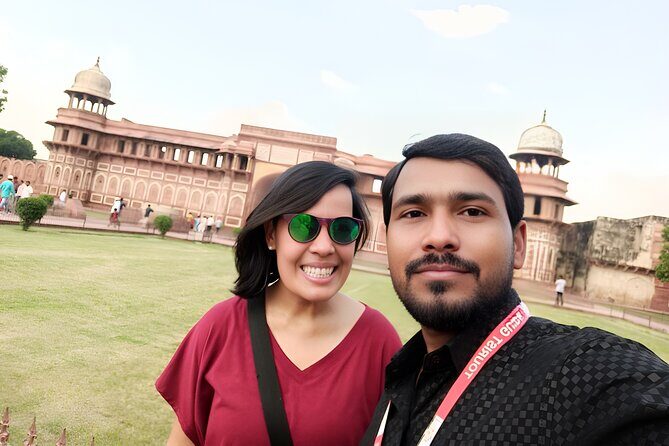
Day two is a classic Delhi mix with a smart order. You get Qutub Minar next—tall, iconic, and historically central to Delhi’s older layers. Then you pass India Gate, which is mainly a photo-and-stroll stop with time to breathe and look up at the architecture.
The tour includes Lotus Temple, with an important weekday note: it’s listed as closed on Mondays, and you’ll be taken instead to Iskcon Temple or Shri KalkaJi Temple. That matters if you’re traveling on a Monday, because you won’t be left with nothing to do—you’ll just switch temples.
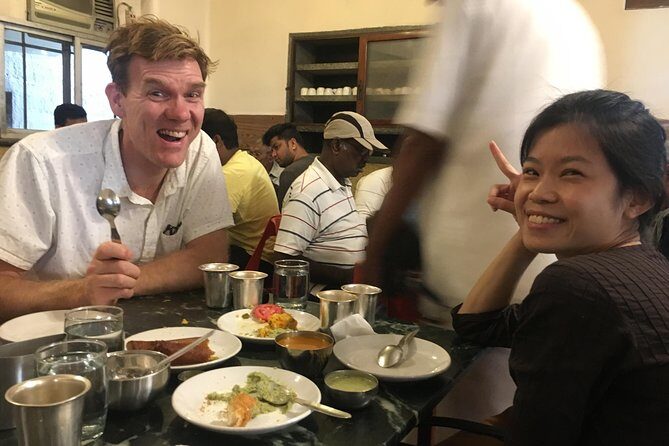
Lunch is planned in Chandni Chowk, and this is where I think the tour gives you real value. The area is famous for North Indian street-food style meals, and the day includes typical options like naan, curries, biryani, and dal makhani-style dishes. You’ll want to eat well here because your next move is road-travel into Rajasthan.
Mandawa’s “Open Art Gallery” Feel: Murals, Haveli Interiors, and Harlalka Well
From Delhi you head to Mandawa, the gateway to Shekhawati. This is where Rajasthan starts feeling like a storytelling book you can walk through.
Mandawa’s best part is the havelis: those mansion houses covered in frescoes and painted scenes. You visit multiple, and each one has a different personality. Tarkeshwar Goenka Haveli leans into mythological scenes and surprising modern images like steam locomotives and gramophones. Murmuria Haveli is known for its European-style figures and train-related paintings, which helps you see how trade and outside influences ended up inside Rajasthan homes.
Then Gulab Raj Ladia Haveli adds floral and myth-themed fresco work, with preserved detail that makes the time in Mandawa feel more than “one town, quick photos.”
One of my favorite included stops is Harlalka Well, a stepwell that’s not about luxury. It’s rustic and peaceful, and it connects to a practical truth: deserts weren’t survivable without water systems. You’ll also notice the tour consistently mixes showy architecture with small, functional spaces. That balance is what makes the region feel human.
If you care about detail, go slower here than you might in bigger cities. You’re walking into interiors and looking at painted walls, so good pacing makes the difference.
Bikaner: Junagarh Fort, Lalgarh Palace, and the Rat Temple Detour
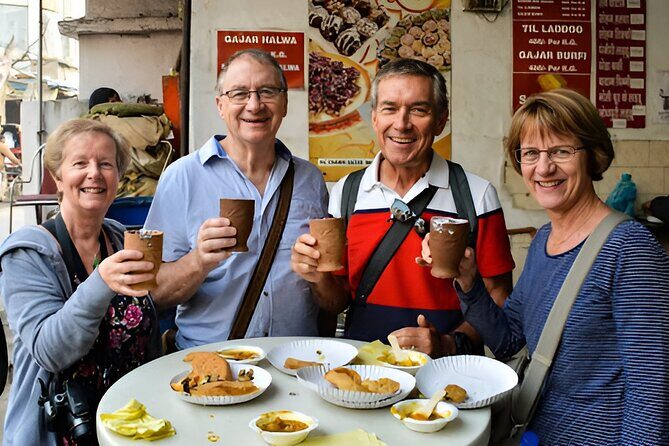
Bikaner is Rajasthan in a tougher, desert-adapted mood. The tour gives you a strong base with a heritage feel and then stacks several stops with different flavors.
Start with Junagarh Fort, known as Bikaner Fort. It’s a powerful complex, and the day includes Prachina Museum inside the fort—royal costumes, portraits, decorative arts, and heirlooms. That museum time helps the fort stop being just stone and turns it into lived history.
Next is Lalgarh Palace and Museum, which is striking because of its Indo-Saracenic look. The mix of Mughal, Rajput, and European elements gives you a useful perspective on how royal style evolved over time.
Then you hit the sensory part: lunch includes Bikaner favorites like dal bati churma and ker sangri, plus buttermilk. If you’re trying to eat “like the place,” Bikaner is one of the better stops for it.
For a detour that feels like a story, you go to Karni Mata Temple in Deshnoke, famous for its sacred rats. It’s one of those experiences where your brain will react before your feet catch up. You’ll also visit Jain Temple Bhandasar with gold leaf paintings and glasswork.
This day has a lot of stops, so I recommend you treat it like a museum circuit. Wear light layers, keep water handy, and don’t wait until the end of the day to rest.
You can also read our reviews of more historical tours in New Delhi



The Long Drive to Jaisalmer: Camel Country Energy and Museum Stops
Getting from Bikaner to Jaisalmer is a day built around transit plus a few “smart stops.”
On the way, you have National Research Centre on Camel. Even if you’re not a “camel person,” it’s a reminder of how central camels were—and still are—to desert life. Then you stop at Ganga State Museum for archaeological discoveries, coins, royal weaponry, and manuscripts. If forts are your thing, the weaponry and royal items help connect what you’ll see later in Jaisalmer fort.
The route also includes a countryside dhaba lunch stop en route. It’s often the kind of meal that’s simple but genuinely regional, and it breaks up the drive.
Jaisalmer Fort and Haveli Art: Yellow Stone Views and Mirror-Studded Interiors
Jaisalmer’s “Golden City” nickname isn’t marketing fluff once you see the buildings in yellow sandstone. The tour focuses on the fort first with Jaisalmer Fort and the fort palace museum inside. The museum gives you royal quarters, weapons, and paintings—useful context for the exterior views.
Then you move through major havelis, which is where Jaisalmer feels different from bigger fort stops. Kothari’s Patwon Ki Haveli / Patwa Haveli shows elaborate jharokhas and carved screens. Salim Singh-ki Haveli is known for its peacock plume-like arched roof and lots of carved balconies. Nathmal Ji Ki Haveli offers a neat architectural story about two brothers working on opposite sides.
After all that stone and detail, the day turns softer with Gadisar Lake, once a main water source and now a calm area with shrines and ghats. It’s a good breather before the desert payoff.
Sam Sand Dunes at Sunset: Camels, Culture, and an Optional Desert Overnight
This is your desert evening. You drive about 45 minutes to Sam Sand Dunes, ride camels over the dunes, and watch the light change as sunset approaches. Cultural performances with Kalbelia dancers are part of the program.
You also have an optional stop at the Desert Cultural Centre (puppet show), plus an optional overnight at the Jaisalmer desert camp in a Swiss tent. Tent availability is limited, so treat the overnight as a bonus, not something to assume will happen.
If you’re traveling with kids or you’re not into late evenings, you can skip the overnight and still get a full desert experience with the sunset ride.
Jodhpur’s Mehrangarh and Marwar Details: Fort Views, Cenotaph Marble, and Markets
Your move from Jaisalmer to Jodhpur is where the “fort city” feel returns with more everyday energy. Jodhpur is known as the Blue City, and the tour starts with Mehrangarh Fort. You’ll get big viewpoints and then step into the quieter side of royal memory at Jaswant Thada, a white marble cenotaph often called the Taj Mahal of Marwar.
Then you get Umaid Bhawan Museum, tied to the story of a famine-era palace built to provide employment. It’s a good reminder that royal buildings often had practical motives behind them.
Lunch and local time follow, including the Sardar market near the Clock Tower. This is where you can pick up spices, tie-dye fabrics, and handcrafted items. A simple food win is makhaniya lassi, a Jodhpur specialty.
For one more viewpoint of the past, you visit Mandore Garden, with royal cenotaphs styled like Hindu temples and a temple space dedicated to 33 crore Hindu gods.
Sunrise in Rao Jodha Desert Rock Park and Toorji Ka Jhalra Stepwell
Jodhpur day two starts early at a lesser-visited site: Rao Jodha Desert Rock Park. It’s designed to restore natural ecology, and the sunrise timing matters. This is the kind of stop that makes the itinerary feel more than a checklist. You’re walking in a rocky park rather than only climbing forts.
Then comes Toorji Ka Jhalra, a restored stepwell built in the 1740s. It’s symmetrical, carved, and it used to be a key water source. Even if you only spend an hour, it’s a strong reminder of how architecture solved daily desert needs.
Ranakpur Jain Temples and the Calm of the Aravalli Hills
From Jodhpur you head toward Ranakpur, with a scenic drive through the Aravalli hills. The schedule includes downtime options like walking near the village or around the resort area, so you’re not forced to go hard every minute.
At Ranakpur Jain Temple, you get a major temple visit in a forest-and-hills setting. Then there’s Surya Narayan Temple nearby with mural carvings. You also visit Sadri and several additional temple stops, including Muchhala Mahavir Jain Temple—famous for a rare iconographic moustache depiction.
The day also adds a nature-feeling pause at Ranakpur Dam for birdlife and calm photography.
Then you transfer to Udaipur, with sunset road views and a lakeside heritage hotel setup for the evening.
Udaipur’s City Palace, Jagdish Temple, and the Lake Boat Moment
Udaipur is where Rajasthan shifts from desert toughness to lake romance. The tour still keeps it practical: you start with the City Palace, then walk to Jagdish Temple, with Indo-Aryan temple details.
Sahelion Ki Bari gives you gardens and marble pavilions with lotus pools and fountains. Then you get Lake Pichola, the main lake with palace and ghats views. A boat ride across Lake Pichola is listed as not included, so you’ll need to budget if you want it. Jagmandir, the island palace, is also boat-access only and not included.
In the evening you can do Bagore Ki Haveli, a museum overlooking the lake at Gangaur Ghat. It also hosts Rajasthani performances in the evening, and it helps balance the palace time with cultural storytelling.
The tour also includes Fateh Sagar Lake and Sajjangarh Monsoon Palace for views over Udaipur. If you enjoy photography, the hilltop perspective helps you understand how the city works with the lakes.
Chittorgarh’s Fort Drama: Vijay Stambh, Kirti Stambh, and Meera’s Temple
Chittorgarh is a full-day fort experience, and it’s heavy in a way that feels different from “pretty palace days.” The tour’s choice to go to Chittorgarh Fort (UNESCO, spread across 700 acres) sets the tone. You’ll see gates, ruins, and multiple parts of the fort complex.
You visit Rana Kumbha Palace and Padmini’s Palace next. The Padmini legend may be debated, but the palace itself is a striking white structure beside a lotus pool, and your guide can help you interpret what you’re seeing.
Then you climb or visit monumental victory towers:
- Vijay Stambh with its 9-story structure and carvings
- Kirti Stambh (Tower of Fame), smaller but packed with Jain symbols
You also visit religious stops inside the fort, including Meera Temple, Kalika Mata Temple, and Gaumukh Reservoir, fed by a spring emerging from a cow-mouthed rock shape.
This is one of those days where the itinerary is packed, but it doesn’t feel random. Each stop reinforces the theme of courage, devotion, and memory.
Pushkar: Brahma Temple, 52 Ghats, and a Vegetarian Town Feel
After Chittorgarh, the tour moves to Pushkar, a spiritual town centered on Pushkar Lake and daily rituals. The timing is good because twilight in Pushkar sets a reflective mood.
You start with Brahma Temple, one of the few temples dedicated to Lord Brahma. Then it’s straight to Pushkar Lake, surrounded by 52 ghats where pilgrims perform rituals and take holy dips. You also visit Shree Savitri Mata Mandir, which you reach via cable car or short trek.
Then the tour continues with Varaha Temple and Old Rangji Temple. The schedule also includes Gurudwara Singh Sabha and a look at the camel trade fair field. During the annual fair (Oct 30 to Nov 5), it’s busy, but at other times it’s calmer and easier to take in.
Lunch is planned as a vegetarian feast prepared without onion or garlic due to local spiritual practice. Even if you’re not religious, eating here feels like part of respecting the town’s rhythm.
Finally, you drive to Jaipur, moving from desert-spritual energy toward big-city architecture.
Jaipur’s Palaces and Observatories Before Ranthambhore Wildlife
In Jaipur, you get several headline sights, plus a couple of viewpoint forts that let you see the city’s scale.
You visit the City Palace of Jaipur, then Jantar Mantar, a UNESCO observatory built by Maharaja Jai Singh II, with instruments for measuring time and celestial bodies, including the largest stone sundial.
Then you see Hawa Mahal, the five-story pink façade with many jharokhas. You’ll also have time for viewpoints at Nahargarh Fort and Jaigarh Fort, with Jaivana, the world’s largest cannon on wheels.
A nice photo stop is Jal Mahal at sunset, when reflections in Man Sagar Lake make the palace look like it floats. Entry isn’t mentioned, so focus on views rather than trying to go inside.
After Jaipur, you head to Ranthambhore National Park. This is where the itinerary shifts from architecture to wildlife.
Ranthambhore Early Safari: Tigers as the Goal, Nature as the Reward
Your Ranthambhore day is built around an early morning safari. The park is one of India’s premier tiger reserves and spreads over 1,300 sq km. The tour notes you may spot Royal Bengal Tigers and leopards.
You also visit Ranthambhore Fort, a UNESCO site dating to the 10th century, positioned within the forest environment. It’s a good contrast day: wildlife on one side, fort walls and temples on the other.
If tigers are your top priority, understand one thing: sightings aren’t guaranteed. The real win is that you’re doing the safari early and in the right place, with the park experience built into the trip rather than added as an afterthought.
Agra Sunrise Magic: Taj Mahal, Agra Fort, and Itmad-ud-Daula
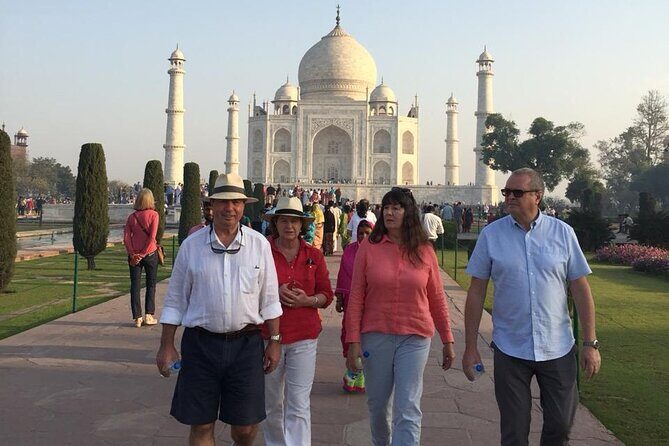
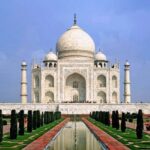
Agra is your finale, and the tour wisely puts the most time-sensitive moment first: sunrise at the Taj Mahal. The Taj Mahal is framed by changing light and the classic marble color shift you’ve heard about.
Important planning note: Taj Mahal remains closed on Friday. So check your travel dates. If you’re going on a Friday, you’ll want to confirm how the operator adjusts the Taj Mahal day.
After the Taj, you go to Agra Fort, built by Akbar and later embellished by Shah Jahan. Inside are palaces, courtyards, mosques, and the Musamman Burj, tied to Shah Jahan’s story.
Then you visit Itmad-ud-Daula, the tomb often called Baby Taj. It predates the Taj Mahal and is known for its intricate inlay work and pietra dura—less crowded for many visitors and very “look closer” friendly.
You finish with an Agra lunch and then drive back toward Delhi for drop-off.
Price and Logistics: What You’re Really Paying For
Let’s talk value without sugarcoating.
Included in your tour price is the big stuff:
- Private uniformed chauffeur
- Live tour guide in various foreign languages
- Private air-conditioned car/tempo traveler
- Pickup and drop in Delhi airport/railway station/desired locations
- Parking, tolls, fuel, and interstate taxes
- 5-star hotel accommodation with breakfast (if you choose that option)
Not included:
- Monument & safari fees, approx USD 200 per person
- Any other activities not listed
So what does that mean for you? It means you’ll still need to handle entry tickets and safari-related costs on site. But the advantage is that you’re not organizing transport between stops, negotiating entry tickets, or figuring out where to go inside each fort palace complex. That time and stress savings is real, especially in cities like Delhi and across multiple UNESCO sites.
Also, watch weekday closures:
- Taj Mahal closed on Friday
- Lotus Temple closed on Monday, with a replacement at Iskcon Temple or Shri KalkaJi Temple
One more “small” logistics detail that matters: bring a valid photo ID for monument entry checks. Also plan to remove shoes before entering temples and sacred places.
If you’re the kind of traveler who likes comfort and clear structure, this is a strong package. If you hate early mornings and long drives, you’ll need to mentally prep for a lot of movement.
Who This Tour Suits Best (and Who Should Think Twice)
This tour fits best if you want:
- A private road trip with a chauffeur and guide throughout
- A balanced mix of UNESCO forts, Mughal monuments, and spiritual sites
- Both desert experiences (camel ride at Sam, optional camp) and a wildlife safari day in Ranthambhore
- Someone else handling day-to-day driving and sequencing
It may feel like a lot if you:
- Prefer slower days with fewer stops
- Want everything included without extra ticket costs
- Have limited tolerance for early departures for safari-style timing and temple visits
Should You Book This 15-Day Tour?
Yes, if you want the comfort of a private car and guide while still getting the full Rajasthan-to-Agra arc. The route is strong: desert towns, stepwells, palace cities, a major fort day, Pushkar’s holy focus, Jaipur’s observatories, Ranthambhore wildlife, then Agra’s sunrise finale.
Before you book, do two quick checks:
1) Match your dates to closures like Taj Mahal on Friday and Lotus Temple on Monday.
2) Budget the extra monument and safari fees (~USD 200 per person) so the final trip cost doesn’t surprise you.
If those two items work for you, this is a smart way to see Rajasthan without turning your vacation into a planning project.
FAQ
What’s included in the tour?
The tour includes a private uniformed chauffeur, a live tour guide (various foreign languages), sightseeing by private air-conditioned car/tempo traveler, pickup and drop in Delhi, and parking/tolls/taxes/fuel. It also includes 5-star hotel accommodation with breakfast if you choose that option.
What’s not included?
Monument and safari fees are not included (about USD 200 per person). Any other activity not mentioned in the inclusions is also not included.
Do I need to pay extra for the Taj Mahal and other monuments?
Yes. Monument fees are not included in the package price, and Taj Mahal tickets fall under that category. The Taj Mahal is also closed on Friday.
What happens if Lotus Temple is closed on Monday?
Lotus Temple remains closed on Monday. You’ll be taken instead to Iskcon Temple or Shri KalkaJi Temple.
Is this really a private tour?
Yes. It’s described as a private tour/activity, so only your group participates.
Do I need a photo ID?
Yes. You should bring a valid photo ID for monument entry checks.
Can I do the desert camp overnight at Jaisalmer?
Yes, the desert camp overnight at Sam Sand Dunes is optional. Tent availability is limited and subject to confirmation at booking.