REVIEW · MUNNAR
WE COOKS- Home Cooking Class in Munnar
Book on Viator →Operated by Munnar Info · Bookable on Viator
Want Kerala flavors you can cook at home? In Munnar, this home cooking class is built to teach the how behind Kerala dishes, not just the final plate. You’ll get a hands-on feel for the process, plus explanations that connect the food with everyday health habits.
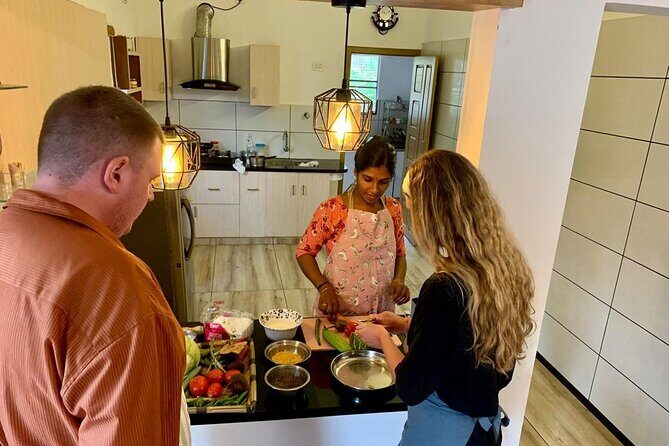
What I like most is the small group size (max 6) and the private setup for your party. That format makes it easier to ask questions and keep the pace comfortable, whether you cook often or mostly stick to simple meals. The other big win is that the host talks through health benefits while teaching, so the spices and ingredients feel purposeful, not random.
One thing to consider: it’s a 4-hour session that demonstrates about six dishes. That makes it a great intro, but it won’t turn you into a full-time Kerala cook or cover every regional specialty in one go—so go with the mindset of learning foundations and getting practical ideas.
In This Review
- Key highlights before you book
- Kerala Cooking Class in Munnar: The Real Purpose of This 4-Hour Home Session
- What You’ll Cook (and Why Kerala Food Has Such a Distinct Pattern)
- The 2:00 pm Pickup and How the Timing Works in Munnar
- Home Kitchen Learning: What the Class Feels Like in Practice
- The Dishes: Six Demonstrations Plus a Flavor Map You Can Reuse
- What “Health Benefits” Adds (Besides Making It Sound Nice)
- Dinner Included: The Best Part Is You Get to Eat What You Learned
- Vegetarian Notes: What You Must Tell Them Beforehand
- Pickup, Private Group, and Getting There Without Stress
- Price and Value: Is $23 a Person Actually Fair for a Home Class?
- Who This Munnar Kerala Cooking Class Suits Best
- Should You Book We Cooks in Munnar?
- FAQ
- FAQ
- What time does the cooking class start in Munnar?
- How long is the We Cooks home cooking class?
- Is dinner included?
- How many dishes are demonstrated during the class?
- Do they offer pickup, and where does the tour start?
- Can vegetarians join, and do I need to tell them ahead of time?
Key highlights before you book
- Max 6 people per session means you’re not lost in a crowd
- Pickup at 2:00 pm from Munnar Info and return to the meeting point saves hassle
- Six Kerala dishes demonstrated with an emphasis on how to cook them
- Health benefits explained alongside the recipe steps
- Dinner included, so you can stop planning meals after the class
- Vegetarian needs can be accommodated if you inform the team before the session
Kerala Cooking Class in Munnar: The Real Purpose of This 4-Hour Home Session
This class is designed like a friendly kitchen lesson, not a stage show. You start from the Munnar Info meeting point at 2:00 pm, and you’ll end back where you began. In between, the focus stays on Kerala cooking basics: ingredient choices, spice logic, and the steps that turn common food items into unmistakable Kerala flavors.
The whole idea—spreading Kerala taste beyond Kerala—shows up in how the host frames the meal. Instead of assuming you already know the cuisine, you get context: what makes Kerala food different, how spices are used, and how the flavors fit together in everyday meals and festival feasts.
It also helps that the session is small. With only up to six people, you’re more likely to get real feedback on what you’re doing and why. That matters because cooking isn’t just memorizing steps; it’s learning what to watch for (texture, aroma, thickness, timing). A big class can rush that part. A small one lets you learn the cues.
You can also read our reviews of more cooking classes in Munnar
What You’ll Cook (and Why Kerala Food Has Such a Distinct Pattern)
Kerala cuisine has a reputation for spice, but it’s not chaos. It’s structure. The class gives you the “why” behind that structure, then puts it into practice across the demonstrated dishes.
Here’s the culinary context you’ll hear during the lesson:
- Kerala meals commonly include vegetarian and non-vegetarian options.
- Traditional Kerala breakfast staples include appam, dosa, idli, puttu, and tapioca.
- Kerala’s best-known feast meal is sadhya, often served during the Onam festival. It’s built around rice plus many curries and sides.
Even if you aren’t hunting for a specific dish (say, breakfast comfort food or sadhya-style spreads), this background helps you understand what you’re tasting. It also makes the ingredients feel connected instead of random.
In the sadhya-style context, the class references curries and sides like:
sambar, aviyal, kichadi, thoran, pappadom, curd, and rasam (plus others). That list is useful because it gives you a mental map for how Kerala flavor families work—sourness, tang, coconut richness, spice heat, and cooling sides all play roles.
During the cooking time, you’ll see about six Kerala dishes demonstrated. The key is that the class isn’t only about results. You learn how the dishes are built, and the host explains what makes them feel right. If you’ve ever cooked from a vague recipe and ended up with something close but not quite there, this is the kind of “finish the logic” lesson that helps.
The 2:00 pm Pickup and How the Timing Works in Munnar
The session starts at 2:00 pm, with pickup arranged from the office at Munnar Info, Chithirapuram, Kerala 685565. The timing is smart if you’re already sightseeing in the morning. You avoid the rush of early tours and instead get a later start that fits naturally between tea-country views, markets, and hotel check-ins.
Because it’s not a full-day event, you can plan flexibility afterward. Dinner is included, so you don’t need to scramble for a meal right after. That’s a real value in a place like Munnar, where schedules can stretch.
Also note the meeting style: it’s near public transportation, and you’ll receive a mobile ticket. That combination usually makes it easier to coordinate if you’re hopping between parts of town rather than using private drivers everywhere.
Home Kitchen Learning: What the Class Feels Like in Practice
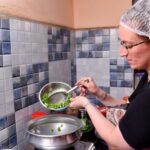
This experience is set up for learning, with you participating rather than watching from a distance. The class is described as involving the learner, and the goal is for you to come away with an idea of how to cook the items—not just taste them once.
Here’s what you can expect from the way this is presented:
- The host demonstrates dishes and teaches the steps in a clear, kitchen-to-kitchen way.
- You’ll hear health-related explanations as ingredients and methods come up.
- The home setting creates a more personal atmosphere than a commercial cooking studio.
One of the most repeated themes from the feedback is the warmth of the host and how naturally the session feels like you’re joining a family meal. That matters more than people think. Cooking lessons go better when you feel comfortable asking questions or admitting you’re a beginner.
The format is also a good match if you cook only occasionally. Cooking doesn’t demand “expert” knowledge here—what it needs is attention, and a patient mentor.
The Dishes: Six Demonstrations Plus a Flavor Map You Can Reuse
While the exact six dishes aren’t listed in the details you provided, the class clearly works from a Kerala foundation. You’re not just sampling one style—you’re learning how Kerala flavor patterns repeat across different dishes.
Use the class to build your own flavor map:
- When you hear about breakfast staples like appam, dosa, idli, puttu, and tapioca, it gives you ideas for texture and base flavors.
- When the host discusses sadhya, it gives you a template for how rice and curries interact.
- When the host talks about spices and health benefits together, it helps you understand why certain combinations are used for everyday eating.
So even if you can’t remember every dish name afterward, you’ll still come home with something valuable: a sense of which ingredients do what. In practice, that’s what makes recipes repeatable.





What “Health Benefits” Adds (Besides Making It Sound Nice)
Lots of cooking classes stop at technique. This one adds ingredient-focused health explanations. That changes how you cook afterward.
When you understand why certain ingredients are used—especially in a cuisine where coconut, spices, tangy elements, and cooling sides show up in the same meal—you’re more likely to recreate dishes with confidence.
For you, that means:
- You can adjust heat and balance better next time.
- You’ll know what to keep versus what to simplify if you’re cooking with limited ingredients.
- You’ll be more likely to cook Kerala-style food as an everyday meal, not only as a vacation memory.
This is also why the course can work for both experienced and occasional home cooks. Experienced cooks appreciate the reasoning. Occasional cooks appreciate that the explanation reduces the guesswork.
Dinner Included: The Best Part Is You Get to Eat What You Learned
Since dinner is included, the lesson doesn’t end with “good luck, see you later.” You’ll get to sit down and eat, which is where it all clicks.
Dinner matters for cooking classes because taste is the feedback mechanism. You learn what correct spice balance feels like. You understand when a curry should be thick or when it should stay lighter. You notice how sides (like those often seen in a sadhya) change the experience.
And since this is home-style cooking, you’re not dealing with restaurant portioning or generic plating. You’re eating a meal that’s presented as a family-style experience.
Vegetarian Notes: What You Must Tell Them Beforehand
If you follow a vegetarian diet, you should inform the team before the class. This is an explicit note in the experience details, and it’s worth taking seriously.
Don’t wait until the day of. Kerala food includes both vegetarian and non-vegetarian options, so communicating your needs ahead of time is the simplest way to make sure your meal plan makes sense.
If you’re not vegetarian but have dietary preferences, it’s still smart to message ahead too—at minimum, you’ll get clarity on what’s being prepared during the six demonstrations.
Pickup, Private Group, and Getting There Without Stress
This isn’t a huge bus-and-chair setup. It’s described as private, meaning only your group participates. That usually helps in two ways:
1) the host can tailor pacing to your group size
2) you don’t feel like you’re waiting your turn while a big group funnels through the kitchen
Pickup is included from the set point at 2:00 pm, and the activity ends back at the meeting point. That reduces the biggest headache for cooking classes: coordinating transport while also not missing the start time.
One extra practical tip: if you need help arranging transport beyond the set pickup point, the host may be able to assist for an additional cost. That’s useful if you’re staying farther out than the usual pickup area.
Price and Value: Is $23 a Person Actually Fair for a Home Class?
At $23.00 per person for roughly 4 hours, with dinner included and pickup offered, the value is pretty strong—especially in a small-group format.
You’re paying for more than “food.” You’re paying for:
- instruction focused on how the dishes are made
- explanations about health benefits
- the experience of learning Kerala cooking in a real home setting
- a meal at the end (dinner is included)
- a group limit that makes your questions count
For a shorter course with a small price tag, you’re mostly buying a foundation. If you want a super-long menu lesson or dozens of dishes, you might feel limited. But if you want practical knowledge and a meal in one tidy afternoon slot, the pricing looks reasonable.
Also, the class is often booked about 5 days in advance, so if you’re traveling during peak weeks, it’s wise to lock in early.
Who This Munnar Kerala Cooking Class Suits Best
This is a great fit if you:
- want a structured intro to Kerala home cooking
- like small-group experiences where you can ask questions
- enjoy spices and want the logic behind them, not only the recipe
- want dinner handled without hunting for a restaurant right after
It also works well if you don’t cook often. The class is set up for learners, not for people who already know every technique.
If you’re the type who loves deep specialty training, you may find six dishes in four hours a bit short. Think of it as a powerful starter course: you’ll learn how to approach Kerala flavors and cook at least a few items with confidence.
Should You Book We Cooks in Munnar?
I’d book it if you want an authentic Kerala cooking experience that feels personal, not mass-produced. The small group size (max 6) plus the home-kitchen setup makes it easy to learn and actually enjoy yourself while learning. Dinner being included turns the class into a full food experience, not just a lesson.
Skip or reconsider only if you need an extremely long, hands-on training program or you’re looking for a wide range of dishes beyond what a four-hour format can cover.
FAQ
FAQ
What time does the cooking class start in Munnar?
The class starts at 2:00 pm, with pickup arranged from the Munnar Info office meeting point.
How long is the We Cooks home cooking class?
It runs for about 4 hours (approx.).
Is dinner included?
Yes. Dinner is included as part of the experience.
How many dishes are demonstrated during the class?
The class demonstrates mainly 6 Kerala dishes.
Do they offer pickup, and where does the tour start?
Pickup is offered, and the start point is Munnar Info, Chithirapuram, Kerala 685565, India. The activity ends back at the meeting point.
Can vegetarians join, and do I need to tell them ahead of time?
Yes. You should inform them before the class if you are vegetarian.