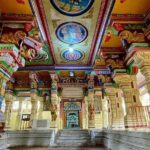
REVIEW · MADURAI
Vannakam Madurai – Explore Madurai like a local
Book on GetYourGuide →Operated by Chuttibaaz · Bookable on GetYourGuide
A morning tour in Madurai sounds simple—until you see it. You’ll start with Kolam patterns made in front of homes, then move into everyday village work with a cow milking session, plus hands-on market time and temple-friendly flower garlands. I like how this tour turns normal sightseeing into small, practical moments you can actually picture and repeat at home.
Two things I really like: first, the guide helps you connect the dots between what you’re watching and why it matters, including Tamil language, poetry, and history explained in English by the guide Dhanabalan. Second, the food finish is not an afterthought—your cup of South Indian filter coffee is a proper finale.
One possible drawback: you’ll be dealing with barefoot temple rules and a moderate-dress expectation, plus the tour isn’t a fit if you’re pregnant or very elderly. Plan for walking and the kind of early-morning pace that’s more village-style than museum-style.
In This Review
- Quick highlights for planning your morning
- Kolam in Madurai: Rice-flour art you’ll understand in minutes
- Cow milking with local farmers: Rural practice, real context
- Markets that feed real daily cooking: Veggies, bananas, and fast lessons
- Flower garland making: A fragrant craft with temple purpose
- A temple visit (and how to do the right things)
- The tuk-tuk and walking plan: What 4 hours actually feels like
- Filter coffee finish: Why the last sip is part of the story
- Value check: Is $77 for a half-day worth it?
- Who this tour suits best (and who should skip it)
- Quick tips before you go
- FAQ
- How long is the Vannakam Madurai morning tour?
- Is hotel pickup and drop-off included?
- Is the tour private, and do I get an English-speaking guide?
- What hands-on activities are included?
- Do you visit markets during the tour?
- Is filter coffee included?
- Do I have to remove shoes?
- What should I bring with me?
- Is the tour refundable if I cancel?
- Should you book Vannakam Madurai?
Quick highlights for planning your morning
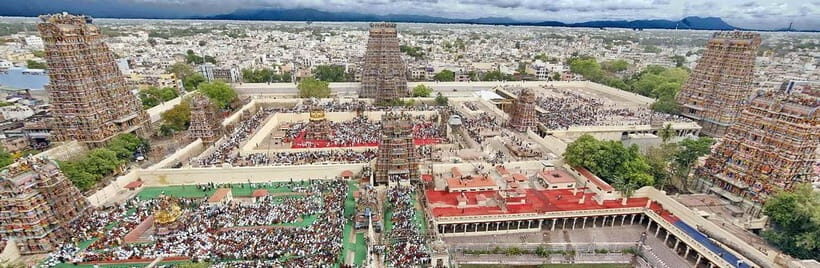
- Kolam drawing in front of homes, with a chance to try your hand and learn the meaning behind the lines
- Cow milking and how cattle connect to farming and religious customs
- Vegetable and banana markets where you can see seasonal produce and different banana varieties up close
- Flower garland making with fragrant blooms you’ll use in temple and home settings
- Filter coffee tasting at a local café, served hot and made the traditional way
- Temple etiquette help if your route includes a temple stop, including guidance on offerings like Ganesh
Kolam in Madurai: Rice-flour art you’ll understand in minutes
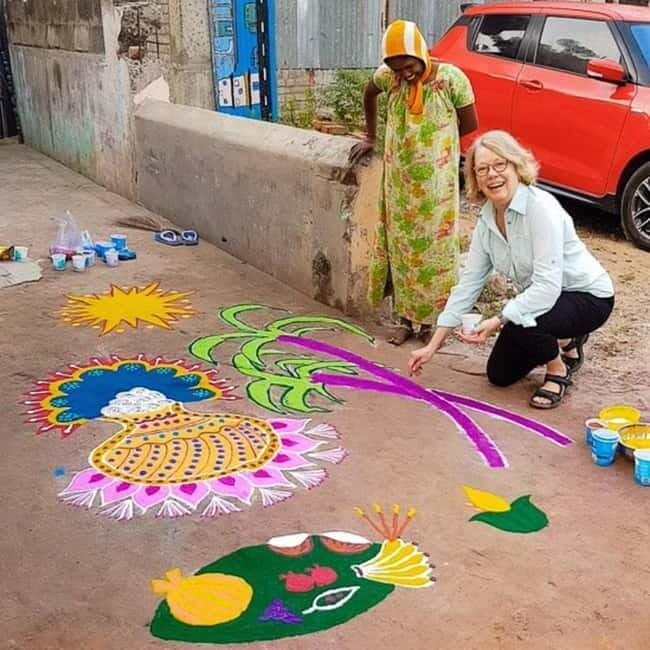
Kolam is the sort of thing that looks beautiful from a distance and suddenly becomes meaningful when you watch it made slowly. On this tour, you begin with the classic setup: designs drawn on the ground using rice flour or chalk right in front of homes. Your guide explains what the patterns represent and why the act itself is part of daily life—not only decoration.
What makes this start feel like a real local experience is the pace. You’re not rushed through a photo moment. You get time to see how a line is placed, how space is used, and how the final look comes together. Then you may get the chance to try your own Kolam, which is the fastest way to understand why locals can do this with such calm focus.
A practical note: Kolam usually happens at a level you’ll be looking down toward for a while, so bring your eyes (and your camera) ready. Wear comfortable clothes, because you’ll likely be standing close to the action, and this is an early-morning activity when the ground and pathways can feel a bit uneven.
You can also read our reviews of more tours and experiences in Madurai.
Cow milking with local farmers: Rural practice, real context
After art comes work. You’ll join local farmers for a cow milking session, and the goal here is not entertainment—it’s understanding. You learn traditional methods and why cattle matter so much in Indian life, from agriculture to religious customs.
This stop is one of the most quietly powerful parts of the morning. It’s not staged like a show. It’s practical, peaceful, and educational. You’ll see the rhythm of rural routines and hear how cattle fit into systems that have supported communities for generations. Even if you’ve never thought about farming before, you’ll come away with a new respect for how daily care ties into culture.
Considerations: this is a hands-on viewing experience that may put you near farm work areas. Keep your expectations grounded. You might not feel like a city tourist here—and that’s the point.
Markets that feed real daily cooking: Veggies, bananas, and fast lessons
Next you’ll move into market life: walking through stalls, talking with vendors, and picking up small facts that make recipes and meals feel less mysterious. The route includes local vegetable market time and also a banana market stop, which is a fun twist if you think you already know bananas.
In the vegetable market, you’ll see seasonal produce and how people choose what’s needed for everyday South Indian cooking. You’ll notice variety in shape, color, and size, and you’ll learn what locals look for. If you’re the kind of traveler who likes to eat well on the rest of your trip, this is the moment that improves your ordering later—because you start recognizing ingredients by sight and name.
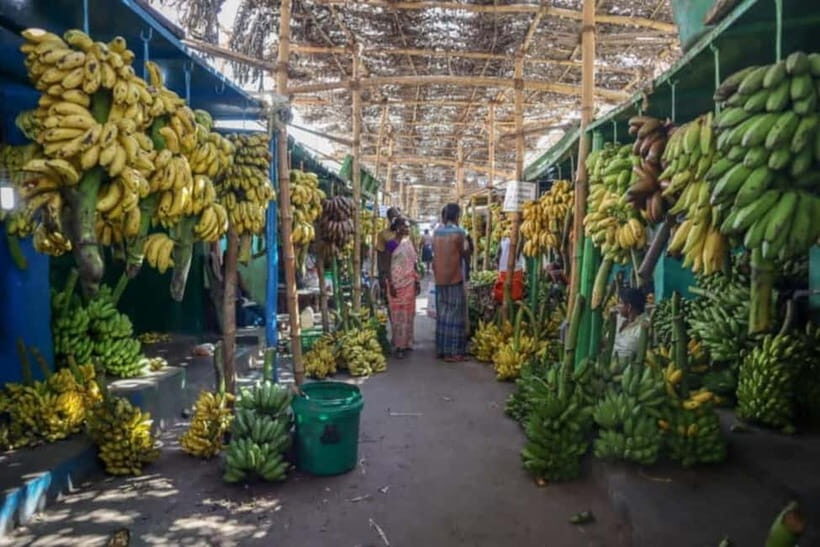
The banana market is the easiest place to have a lighthearted lesson. You’ll see different types laid out clearly, and you’ll hear how they’re grown and harvested, plus why bananas show up in meals and festivals. It’s a quick way to understand local agriculture without needing a classroom.
Since this is a walking segment inside active market areas, wear comfortable footwear and keep your phone/camera accessible. Also, markets can be warm and bright depending on the day, so keep some water habits in mind even if the tour itself doesn’t mention bottled drinks.
Flower garland making: A fragrant craft with temple purpose
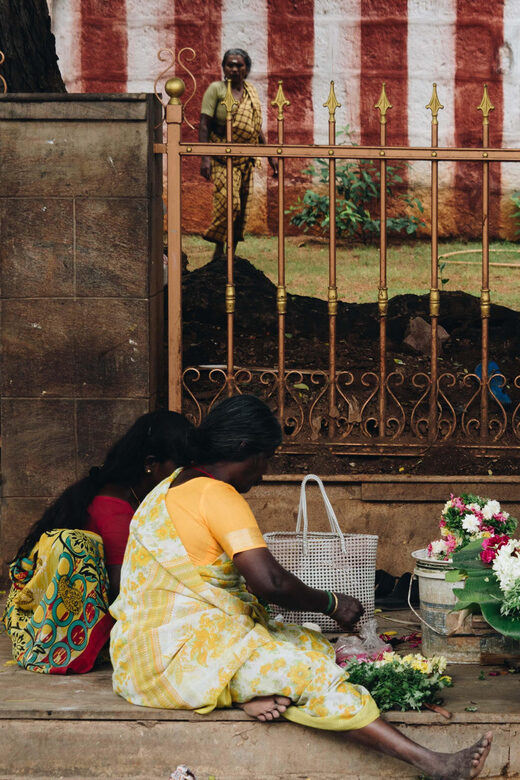
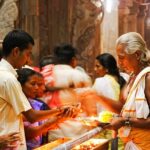
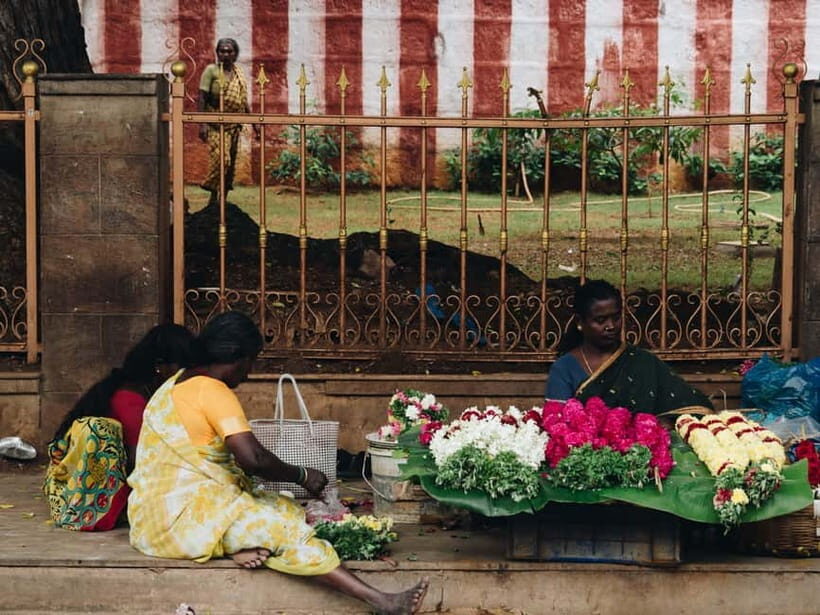
One of the most photogenic parts of this morning—without feeling like a souvenir trap—is flower stringing and garland making. You’ll work with fresh blooms such as jasmine and marigolds, guided by locals, and you’ll learn how these handmade garlands are used in temples, homes, and ceremonies across South India.
If you’re wondering why this matters beyond looks: garlands are a language. They signal welcome, devotion, celebration, and respect. Making one yourself turns a symbol into something you can actually feel—because you understand the patience and technique that goes into getting it right.
You’ll probably leave with a new level of awareness the next time you see garlands in Madurai. You’ll also know what to ask if you notice someone tying them with care. This is one of those skills that doesn’t take long to learn, but it changes how you see the city afterward.
A temple visit (and how to do the right things)
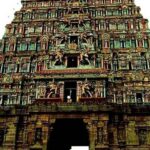
Some versions of this kind of morning route include a temple moment, and your guide’s role becomes especially important when you’re dealing with etiquette and offerings. In one past experience, the guide Dhanabalan made sure the visitor knew what to do correctly—right things to offer to Ganesh, and how to do it properly.
Another helpful detail: you might be able to catch a traditional dance inside the temple setting, and there’s also mention of asking your guide when you can see the temple elephant. Even if you’re not visiting on a guaranteed schedule, the best move is simple: ask early and let your guide guide your expectations.
Practical rule you should follow regardless: you’ll likely need to remove shoes when entering a temple (or other worship spaces like churches and mosques). Wear clothes that feel comfortable for that routine and keep a plan for your footwear. If you’re traveling with tight accessories, skip them—some dress rules lean on moderation.

The tuk-tuk and walking plan: What 4 hours actually feels like
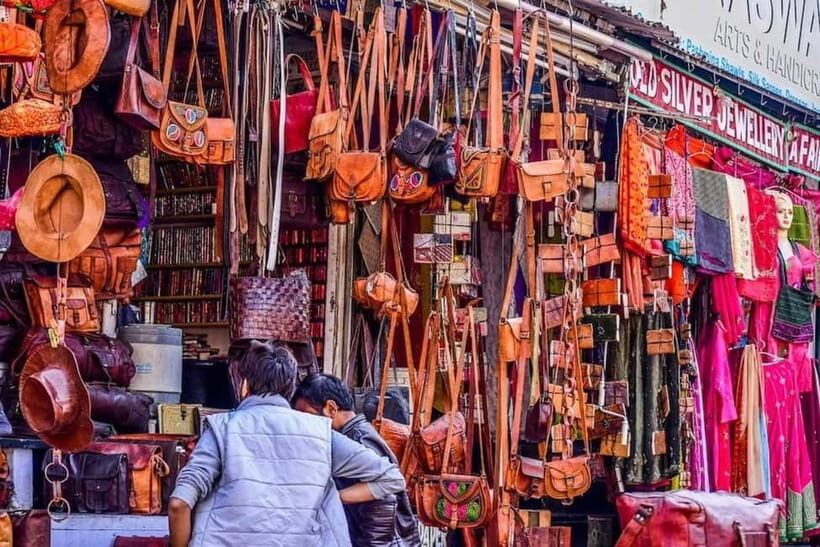
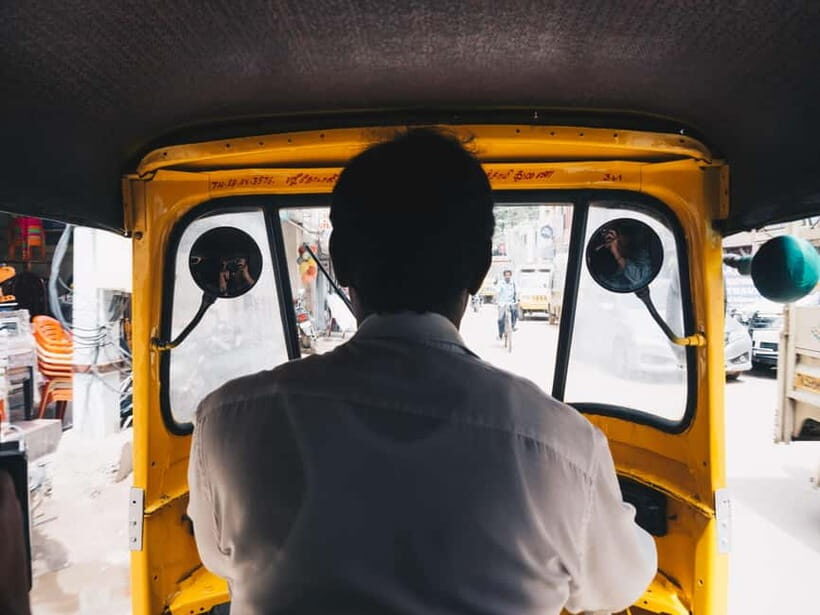
The tour runs about 4 hours, with a guided walking tour that’s around 3 hours. You get hotel pickup and drop-off, and you travel by tuk tuk for a short segment (roughly 10 minutes mentioned on the route). That mix matters: you’re close enough to the action on foot, but you’re not spending half the morning stuck in traffic or long transfers.
The group style is private. That changes the feel right away: you can ask questions, slow down when something catches your eye, and get help with etiquette rather than navigating alone. It’s also easier to keep the tour personal if you have dietary questions or want extra time for a specific market lane.
One more useful detail: you’ll use a separate entrance to skip the line. It saves time and keeps you from losing your morning to crowds.
Filter coffee finish: Why the last sip is part of the story
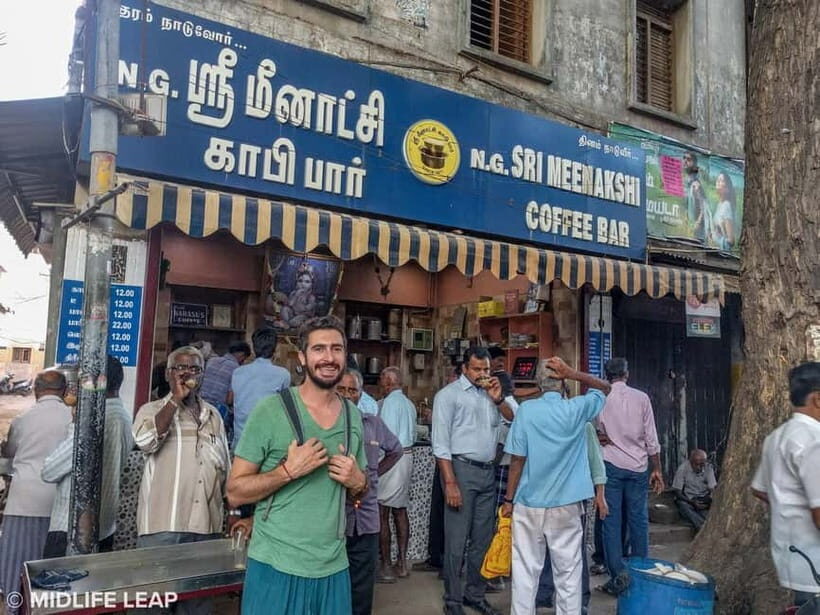
South Indian filter coffee is the sort of thing people talk about like it’s just a drink. On this tour, it becomes part of the cultural ending. You’ll stop at a local coffee house and taste freshly brewed filter coffee, made using traditional methods and served hot.
This is a good way to “come back to yourself” after hands-on activities. Your brain shifts from watching and learning to relaxing and reflecting. If you’re the kind of traveler who likes to understand a place through what locals actually drink and eat, this finish lands better than another generic snack stop.
Value check: Is $77 for a half-day worth it?
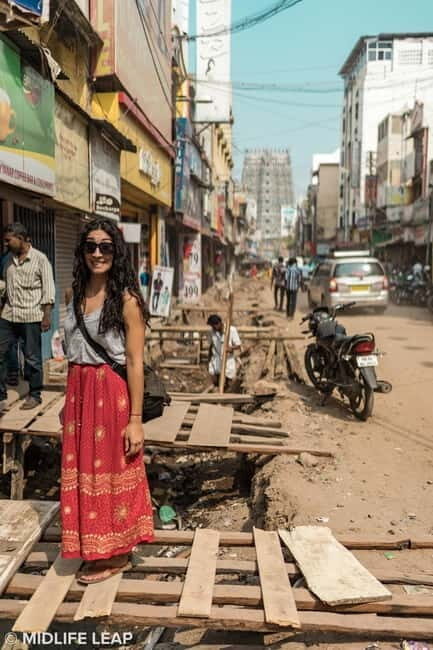
At around $77 per person for a 4-hour private cultural morning, you’re paying for more than walking and photos. You’re paying for guided context in English, plus multiple included activities: Kolam drawing, cow milking participation, market visits with vendor interaction, flower garland making, and the filter coffee tasting.
You also get hotel pickup and drop-off by tuk tuk and an added time-saver through the separate entrance when relevant. For many travelers, that combo is what makes this feel like value: it compresses several local experiences into one morning with a single guide who knows the pacing and etiquette.
If you enjoy food markets, cultural crafts, and learning how daily life works (instead of only big monuments), this price usually feels fair. If you only want headline sights and minimal walking, you might find it less aligned.
Who this tour suits best (and who should skip it)
This tour is a strong match for you if you want Madurai as daily life: art in the streets, farming practices, markets, and temple-adjacent culture. It’s also a good first-timer option because it gives you quick mental bookmarks you can use later when you’re exploring on your own.
It’s less suitable if you’re pregnant or extremely elderly (the tour notes it’s not appropriate for people over 95). Also, if you strongly prefer not to handle the shoe-removal routine, keep that in mind. Moderate clothing is expected, too.
Quick tips before you go
- Bring passport or ID, a camera, and some cash
- Wear comfortable clothes and expect you may need to remove shoes at religious sites
- Don’t bring pets, and skip anything alcohol/drugs related since those aren’t allowed
- Avoid tight clothing; dress modestly and respect local customs
- If you’re curious about temple offerings or etiquette, ask your guide early—help can make the difference between guessing and doing it right
FAQ
How long is the Vannakam Madurai morning tour?
It lasts about 4 hours. The guided walking portion is around 3 hours.
Is hotel pickup and drop-off included?
Yes. You’ll get hotel pickup and drop-off using a tuk tuk. You’ll need to share the exact pickup location.
Is the tour private, and do I get an English-speaking guide?
Yes, it’s a private group with an English-speaking local guide.
What hands-on activities are included?
You can take part in Kolam drawing, cow milking, and flower garland making.
Do you visit markets during the tour?
Yes. The route includes a vegetable market and a banana market, with time to interact with vendors.
Is filter coffee included?
Yes. The tour includes filter coffee tasting at a local café.
Do I have to remove shoes?
If the route includes entering religious sites like temples (and also churches or mosques), you’ll need to remove shoes.
What should I bring with me?
Bring passport or an ID card, a camera, comfortable clothes, and cash. A visa may be required depending on your nationality.
Is the tour refundable if I cancel?
The tour notes free cancellation up to 24 hours in advance for a full refund.
Should you book Vannakam Madurai?
If you want Madurai through daily life—Kolam on the ground, cattle care, markets, and garlands—this is an easy yes. You’ll get a local guide in English, a private pacing, and enough included experiences that you won’t feel like you’re paying just for a walk.
I’d skip it only if walking and temple etiquette rules aren’t your thing, or if you fall into the tour’s stated limitations (pregnancy or very advanced age). If you fit the style, book it and go in curious. Ask your guide questions, especially around what to do in any worship setting—having help like Dhanabalan’s made a real difference in at least one past experience, from Ganesh offerings to understanding what to look for.