REVIEW · MADURAI
Private tour of Rameshwaram from Madurai with guide and lunch
Book on Viator →Operated by 5 Senses Walks · Bookable on Viator
The drive to Rameswaram feels long, but the stops land. This private Madurai-to-Rameswaram day trip strings together the big-name sacred sites, from Ramanathaswamy Temple to Dhanushkodi, with a guide who helps the legends make sense and keeps the pace workable. I especially like the way the tour mixes major temple time with sea-and-sand scenery, and I like that lunch is included so you’re not hunting for food during a jam-packed day. One possible drawback: it’s an early start and a long day, so you’ll want good shoes and a flexible attitude about timing.
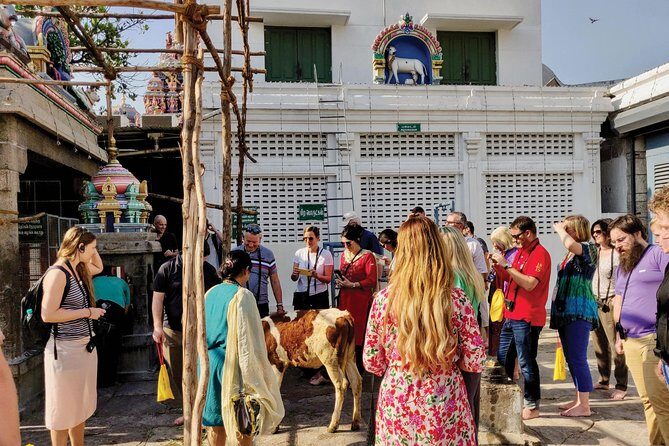
You might get a guide like Mani—known for being courteous, friendly, and willing to accommodate your needs. You’ll also get a solid driver, which matters because the day is long and the route takes time. If the weather turns rough, the experience can be changed or refunded, so plan for that.
In This Review
- Key highlights at a glance
- Why This Madurai-to-Rameswaram Day Trip Works
- Getting Ready: Start Time, Timing, and the 12-Hour Rhythm
- Agni Theertham: The Fire-Test Tank That Sets the Theme
- Ramanathaswamy Temple: Corridor Drama and Shiva Devotion
- Kodandaram Ramar Temple: A Temple Island with Bay Views
- Rama Setu Viewpoint: You’ll See the Water, Not the Bridge
- Dhanushkodi: White Sand, Tsunami Memory, and Open-Sea Feeling
- Floating Stones and the Five-Faced Hanuman Temple
- Ramar Padam: The Highest Point and Rama Imprints
- Price and Value: What $160 Per Person Gets You
- Who This Private Tour Best Suits
- Should You Book This Madurai-to-Rameswaram Private Day Trip?
- FAQ
- How long is the private Rameswaram day trip from Madurai?
- What time does the tour start?
- Does the tour include lunch?
- What stops are included during the day?
- Are there admission fees for these stops?
- What’s the cancellation policy if plans change?
Key highlights at a glance
- Private guide with real context for the Ramayana-linked stops
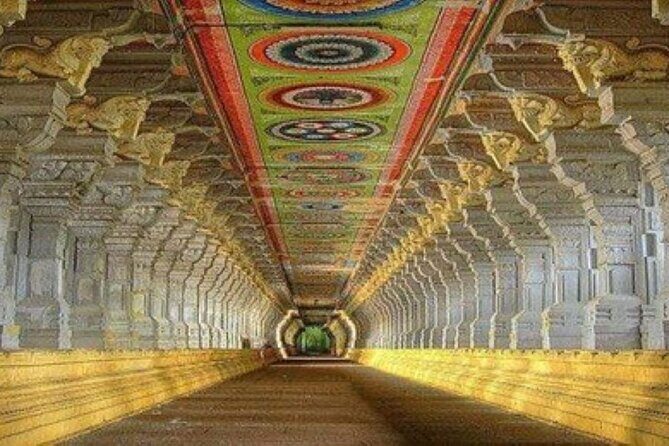
- Ramanathaswamy Temple and its world-famous corridor
- Kodandaram Ramar Temple island setting with Bay of Bengal views
- Rama Setu viewpoint that shows what’s underwater (you won’t see the bridge directly)
- Dhanushkodi beach at the confluence of sea waters and tsunami memory
Why This Madurai-to-Rameswaram Day Trip Works
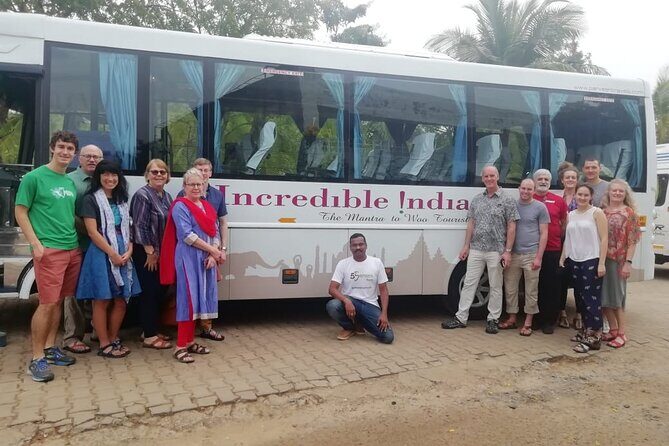
If you’re basing yourself in Madurai, Rameswaram can feel like it’s “too far for a day.” This tour is built for people who want the highlights without spending extra days or figuring out transport between scattered sites.
The biggest win is structure. You get a single plan from morning pickup through temple-and-seaside pacing, rather than bouncing between independently booked rides. Lunch being included helps too, since temple days can run long.
Also, the tour’s connection to local support is practical. The company focuses on training and employing local guides and supporting local businesses, which usually means smoother on-the-ground logistics and a more grounded experience.
You can also read our reviews of more guided tours in Madurai
Getting Ready: Start Time, Timing, and the 12-Hour Rhythm
This day trip starts around 7:30am and runs about 12 hours. That long duration is not just travel time—it’s time spent moving between religious sites, plus time inside temples and at viewpoints.
A good rule: treat the day like a marathon with breaks. You’ll have short, focused stop windows, so you’ll get the important sights without the slow, “wander forever” feeling. If you like to linger, you’ll still enjoy it—you just have to pick what matters most, then let the guide help you manage the rest.
Comfort matters. Wear shoes that can handle temple grounds and outdoor paths, and bring a light layer. Even if it’s warm, mornings can feel cooler near the coast later in the day.
Agni Theertham: The Fire-Test Tank That Sets the Theme
Agni Theertham is a tank tied directly to the Ramayana story. The legend centers on Sita asking Lakshman to light a fire and then sitting inside it as a test of purity. It’s one of those places where the story gives the location meaning fast.
Expect a calmer, devotional stop compared with the bigger temple complex later. You’re not just “seeing water”—you’re stepping into a specific myth that guides how people behave here.
Entrance is listed as free for this stop, which is a nice bonus. The practical catch: since it’s early in the itinerary, you’ll want to be awake and ready to absorb details. If you’re running on coffee alone, ask your guide to repeat the key story points once you arrive.
Ramanathaswamy Temple: Corridor Drama and Shiva Devotion
Ramanathaswamy Temple is the main event. It’s dedicated to Lord Shiva, and the story you’ll hear links it to Lord Ram visiting to atone for sins after the Ramayana war. The point of the visit isn’t only reverence—it’s the sense that this place is part of a larger spiritual map.
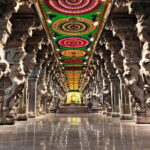
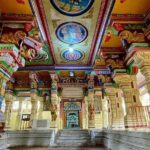
One standout detail: the temple is known for the world’s longest corridor. That means you’re not just looking at one hall or shrine. You’ll move through space designed to create a slow, rhythmic flow—good for photos, but also good for staying focused on the architecture.
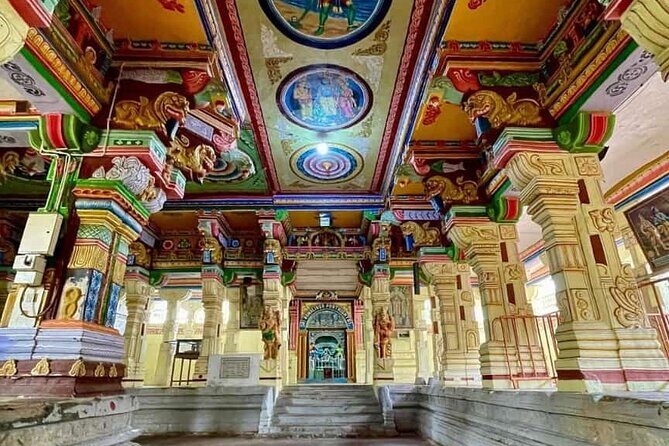
You’ll also encounter holy water-tank areas and a dense presence of carvings and sacred spaces. If you like sculpture and story-linked design, this is where the tour earns its name.
What I like most for first-timers: your guide can translate what you’re seeing into “why this matters.” Without that, huge sacred complexes can feel like a maze. With a guide, you get a path through the meaning.
Kodandaram Ramar Temple: A Temple Island with Bay Views
Next up is Kodandaram Ramar Temple, dedicated to Lord Ram. This one has a strong location advantage—it sits on an island surrounded by the Bay of Bengal and the Gulf of Mannar. That coastal framing matters because it changes the atmosphere: you feel the sea even when you’re staying on temple grounds.
The temple is said to be more than a thousand years old, and the setting is part of the reason it feels special. You’re not just walking through an ancient building; you’re looking at the sea edge that shapes the light and makes the island feel separate from the mainland.
The story element here ties to Vibhishanan, and your guide should connect how this temple fits into Ramayana events. Even if you only catch the core idea, you’ll likely walk away with a clearer mental picture of the epic’s geography.
A likely drawback: island-setting means outdoor exposure. Depending on the weather and wind, it can feel cooler or saltier than expected. Bring a cover for sun or dust, and keep an eye on your hat if you wear one.
You can also read our reviews of more private tours in Madurai


Rama Setu Viewpoint: You’ll See the Water, Not the Bridge
Now comes a spot that can disappoint if you expect a classic postcard view. The area associated with Adam’s Bridge / Rama Setu is located near the Kodandarama temple viewpoint, but the famous bridge is now under water, so you can’t see the bridge directly.
What you will see is the surrounding area tied to the legend. This is one of those “manage expectations, then enjoy the idea” stops. The value isn’t the bridge itself—it’s standing at a viewpoint connected to the myth, while knowing it’s now submerged and altered by nature and time.
If you’re the type who likes scientific explanations of what’s seen today versus what’s mythologized, ask your guide how people describe the underwater portion. If you’re here for spiritual storytelling, focus on the legend connection and let the sea setting do the rest.
Time here is short (about 20 minutes). Plan to use it intentionally: look once, take photos quickly, then listen to the guide’s framing so the stop doesn’t feel like a rushed “view and go.”
Dhanushkodi: White Sand, Tsunami Memory, and Open-Sea Feeling
Dhanushkodi is where the day gains emotional weight. You’ll visit the beach at Danushkodi, described as a thriving town that was destroyed by a tsunami. Now the coastline is known for its beauty and white sand, and it sits at the confluence of the Bay of Bengal and the Indian Ocean.
The practical benefit of this stop is a reset. After temple stone and corridors, you get a visual break—horizon lines, sea breeze, and space to breathe.
The drawback is that beach time depends heavily on conditions. This stop is scheduled for about an hour, so you’ll want to dress for sun, wind, and sand. If you’ve had a long morning, this is a good moment to slow down and just watch the sea instead of trying to do everything.
This is also one of the stops where respectful behavior matters. Keep your voice low, treat the place seriously, and let the guide’s context shape how you experience it.
Floating Stones and the Five-Faced Hanuman Temple
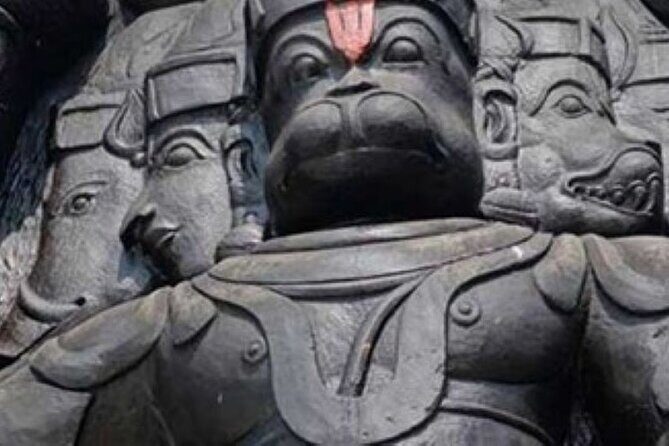
If you like symbolic details, this stop should satisfy you. You’ll visit the Sri Panchmukhi Hanuman temple and the area connected to Floating Stones.
The key detail: one piece of floating stone used to build Ram Sethu bridge is associated with this spot. That turns a legend into a physical object, which can make the story feel more grounded.
The temple itself is called five-faced for a reason. The middle face is Hanuman, with additional faces for Narasimha and other divine forms as part of the layout. Your guide can help connect the iconography to the Ramayana theme so it doesn’t become just a quick photo stop.
Time here is about 30 minutes. That’s long enough to see the main features and listen, but short enough that you won’t feel stuck waiting while everyone else moves on. If your group wants extra time, this is a good candidate to ask your guide to extend—just know the whole day schedule is balanced around keeping you moving.
Ramar Padam: The Highest Point and Rama Imprints
Ramar Padam is described as the highest point in Rameswaram, and it’s known for imprints of Lord Rama on a chakra. Legend says this was a resting spot for Lord Rama and his army before the assault was planned on Lanka.
This stop works for two types of people. If you’re religious, you’ll appreciate the devotional framing and the idea of sacred footsteps tied to the epic. If you’re more of a story person, you’ll like how the guide ties a place name to a scene in the Ramayana.
Expect about 30 minutes. It’s not meant to be a long hike, but it’s meant to give you a strong “final meaning” point after you’ve already seen temple, island, underwater-legends, and the coast.
Even if you’ve visited similar sacred viewpoints elsewhere in India, this one feels different because of the explicit “before the assault” narrative anchor.
Price and Value: What $160 Per Person Gets You
At $160 per person, this tour isn’t the cheapest way to do a day trip. But it also isn’t priced like a bare-bones ride.
You’re paying for four things that add up: a private experience, guide interpretation, pickup-driven logistics across multiple stops, and lunch included. You’re also buying time. A full-day schedule with a driver and guide is usually cheaper than trying to stitch together equivalent transport and pay for separate activities—especially when you’re doing multiple sites that are not all in the same area.
The tour is also private, meaning only your group participates. If you’re traveling as a couple or small family, the value often improves because you’re not sharing guide attention with a larger crowd.
Two practical perks you should notice from the tour details: mobile ticket support and group discounts. The day trip can be booked about 40 days in advance on average, which suggests it’s popular enough that planning ahead can help you lock in a convenient date.
On the flip side, the schedule is tight. If your priority is deep, unhurried exploration of each site, you might find the stop durations feel like “see it, learn it, move on.” Still, for a first trip to Rameswaram from Madurai, this pacing is usually what makes the day achievable.
Who This Private Tour Best Suits
This is a great fit if you want:
- A single-day highlights plan for Rameswaram from Madurai
- A guide who explains the Ramayana connections so the sites feel connected
- Temple-and-coast in one day, without planning the transport yourself
- A day that runs on a clear itinerary, with lunch handled
It may be less ideal if you hate early starts or you need long sit-down time at every stop. Since the bridge viewpoint can’t show the bridge itself, it’s also not ideal for people who want a purely visual, postcard-only experience.
Should You Book This Madurai-to-Rameswaram Private Day Trip?
If you’re looking at Rameswaram for the first time and you want the major sites without turning your vacation into a logistics project, I’d book it. The best reason is the combination: Ramanathaswamy Temple’s scale, island and sea-framed temples, a meaningful underwater-legend viewpoint, and Dhanushkodi’s emotional coastline—all in one guided day.
Choose this tour if you appreciate story-led travel and you like seeing how myths map to real places. Pick another option if your top priority is slow sightseeing or you want more “free time” than structured stops.
If you do book, do one thing that makes the day better: tell your guide what you care about most—temple architecture, Ramayana stories, or the coast—so the focus stays on what you’ll enjoy most.
FAQ
How long is the private Rameswaram day trip from Madurai?
The duration is about 12 hours (approx.).
What time does the tour start?
The tour starts around 7:30am.
Does the tour include lunch?
Yes, lunch is included.
What stops are included during the day?
The tour includes Agni Theertham, Ramanathaswamy Temple, Kodanda Ramar Temple, the Rama Setu viewpoint area near Kodandarama Temple, Dhanushkodi, a Sri Panchmukhi Hanuman temple stop connected with floating stones, and Ramar Padam.
Are there admission fees for these stops?
Admission tickets are listed as free for each of the listed stops.
What’s the cancellation policy if plans change?
You can cancel for free up to 24 hours in advance of the experience start time for a full refund. If canceled due to poor weather, you’ll be offered a different date or a full refund.