REVIEW · UDAIPUR
Udaipur Heritage City and Local Market Walking tour
Book on Viator →Operated by Countryside Excursion · Bookable on Viator
Udaipur feels alive in its lanes. I really like how this walk starts near Jagdish Temple, then shifts into the old-city streets where you catch classic Udaipur details on the way to the Lake Pichola ghats. I also love that you don’t just look—you taste and watch daily work up close, from snacks and sweets to leaf-plate and pottery making.
The guide, Manish, keeps the pace friendly and the explanations clear, and he’s the type who checks in if you want more detail. You’ll get stories about how the city was shaped over time, plus a close look at havelis from the outside and the wall paintings on home walls that most people would miss while rushing past.
One thing to consider: it’s a walking tour, so good shoes help, and the experience depends on good weather. If conditions are poor, the operator may offer another date or a refund.
In This Review
- Key Highlights You’ll Actually Feel During the Walk
- Entering Udaipur’s Old City Like a Local (Not a Tourist Shopper)
- Starting Near Jagdish Temple: The View of Faith and Street Life
- Lake Pichola Ghats: A Quick Pause That Changes the Mood
- Havelis and Wall Paintings: How Old Residential Spaces Communicate
- Vegetable and Spice Markets: Where Your Senses Get a Head Start
- Watching Crafts Up Close: Clay, Metal, and Bamboo Skills
- Leaf Plates and Bowls: A Small Item With a Big Story
- Masala Chai: The Tasting Moment That Turns Information Into a Memory
- Traditional Snacks and Famous Sweets: A Smart Way to Understand What People Crave
- The Wedding Market Walk: A Different Kind of Shopping Street
- Timing, What to Bring, and Who This Suits Best
- Price and Value: What $25 Buys in Real Experiences
- Should You Book This Udaipur Heritage City and Local Market Walk?
- FAQ
- What is the duration of the Udaipur Heritage City and Local Market Walking tour?
- Where does the tour start and where does it end?
- What time does the tour begin?
- Is admission required for Jagdish Temple?
- What’s included in the price?
- What kind of food and drinks do we get to try?
- Can I cancel if the weather is bad?
Key Highlights You’ll Actually Feel During the Walk

- Small group feel (max 10 people) that makes it easier to ask questions and slow down for photos
- Jagdish Temple + Lake Pichola ghats as your quick “big landmark” reset before you hit the neighborhoods
- Market-to-kitchen moments with vegetable and spice stops, plus chai and sweets tastings
- Craft watching you can’t replicate at home, including clay pots, metal utensils, and bamboo baskets
- Leaf-plate and bowl making that turns a daily table item into a real skill to watch
- Wedding-market walking to see another side of local shopping and tradition
Entering Udaipur’s Old City Like a Local (Not a Tourist Shopper)
This tour is built around a simple idea: Udaipur isn’t only monuments and views. It’s also everyday life—food, tools, workshops, and family-run trades that keep the city moving. For $25 and about 2 to 3 hours, you get a tight loop through landmark areas, old residential lanes, and hands-on market and craft stops.
The value here is how the guide connects what you see to what it used to mean for people living in the city. You’ll hear why havelis mattered, how specific home details were used, and what the wall paintings signaled on residential streets. That’s the difference between a photo walk and a “now I get it” walk.
Because it’s a small group and the guide is actively talking, you can ask questions in real time—especially helpful when you’re looking at crafts and don’t know what you’re seeing. Manish also helps with taking pictures, which matters more than you think in narrow lanes and busy market spots.
You can also read our reviews of more walking tours in Udaipur



Starting Near Jagdish Temple: The View of Faith and Street Life
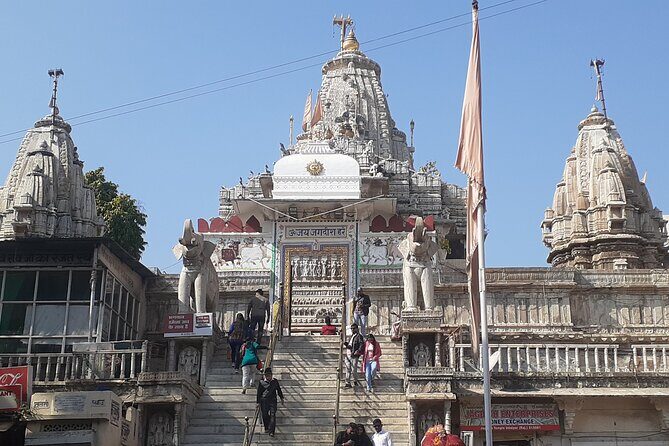
You’ll start near Jagdish Temple, with a short visit that gives you the anchor point for the whole morning. The temple itself is dedicated to Vishnu, and the stop is about 15 minutes with no admission ticket required for this activity.
What I like about starting here is timing and tone. Before you get pulled into the everyday motion of markets and workshops, you get a sense of where travelers and locals both feel the city’s spiritual rhythm. Then you roll out through old temple lanes, where the streets feel smaller and the buildings start to tell their own story.
A practical note: since this part involves walking through older lanes near the temple area, comfortable, grippy footwear helps. You’re not dealing with a long hike, but old-city paths can be uneven and tight.
Lake Pichola Ghats: A Quick Pause That Changes the Mood
After the temple lanes, you get a brief stop at Lake Pichola with time to enjoy the ghats and views. It’s about 10 minutes, and there’s no admission cost involved.
This is a smart stop because it resets your senses. Markets and workshops can become nonstop visual input—baskets, utensils, spices, snacks. A quick lake break gives you space to notice the big geography of Udaipur: water, steps down to the ghats, and the way daily life hugs the shoreline.
If you’re the type who likes photos, you’ll likely want to take a few here too. It’s an easy way to get landmark scenery without losing the rest of the route to sightseeing delays.
Havelis and Wall Paintings: How Old Residential Spaces Communicate
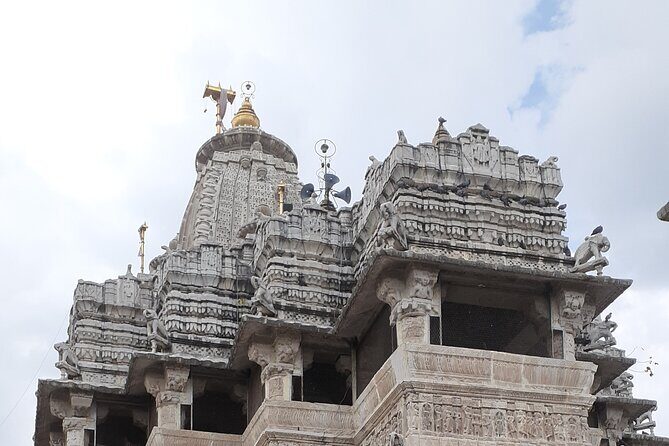
One of the most interesting parts of the walk is moving into the older residential areas and looking outward at havelis—and then understanding their purpose, not just their appearance. You’ll also see wall paintings on home walls and get context for what you’re looking at.
This section is valuable because it teaches you to “read” the architecture. When you understand why a building style mattered, you start noticing details you’d normally ignore: layout logic, decorative choices, and what home design suggests about community life. It turns the walk into a guided interpretation session rather than a checklist.
The drawback is also what makes it great: the details require attention. If you’re rushing through Udaipur and only want the biggest sights, you might feel like this part is “slower.” But if you enjoy architecture and lived-in streets, this is where the city starts to click.
Vegetable and Spice Markets: Where Your Senses Get a Head Start
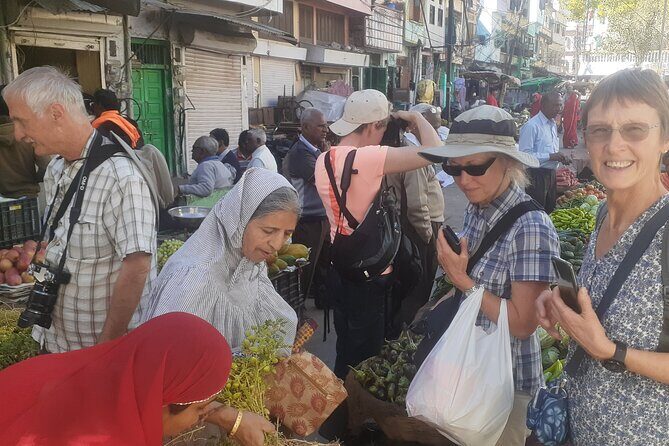
Then the route shifts into markets—starting with a vegetable market visit and continuing into the grocery and spice market areas. This is one of the stops you’ll remember because it’s directly tied to daily cooking and local supply.
You’ll be close to how foods are handled and sorted, and the guide will point out what’s happening around you. Even if you don’t buy anything, watching the rhythm of trading and the variety of ingredients helps you understand Udaipur beyond tourist food menus.
This section also sets you up well for what comes next: snacks, chai tasting, and sweets. Your brain is already in “food mode,” so the tastings land better.
You can also read our reviews of more city tours in Udaipur






Watching Crafts Up Close: Clay, Metal, and Bamboo Skills
The craft stops are a standout value because they’re not staged. You’re seeing communities where people make practical items by hand. The route includes:
- A clay pot makers community (you’ll learn how everyday vessels are produced)
- Metel pot and utensil making by hand (you can watch the process and understand the tool-making tradition)
- Bamboo baskets making process (useful objects made with local materials and technique)
What makes this section especially good is that the guide ties the craft to usage. When you see water pots and utensils created, you’re not just admiring “art.” You’re watching the production side of daily life.
From the experience feedback, the strongest praise centers on exactly this: seeing work people do that you wouldn’t find on your own without knowing where to go. If you want a more grounded Udaipur experience—one that goes past shiny souvenir streets—this is your payoff.
A consideration: markets and workshops can be active. If you’re easily overwhelmed by crowds or noise, keep your pace slow and rely on the guide to help you find comfortable spots to watch.
Leaf Plates and Bowls: A Small Item With a Big Story
One especially unique stop is the making of traditional plates and bowls using tree leaves. This part is fascinating because it turns a common disposable-looking table item into a craft process with purpose.
Even though this is a short segment within the broader walk, it’s the kind of detail that makes the whole tour feel specific to Udaipur. It’s also a great moment for questions—because the technique is different from what most visitors expect.
If you care about sustainability-like ideas (without turning it into a lecture), watching how local material and daily needs connect can feel quietly satisfying.
Masala Chai: The Tasting Moment That Turns Information Into a Memory
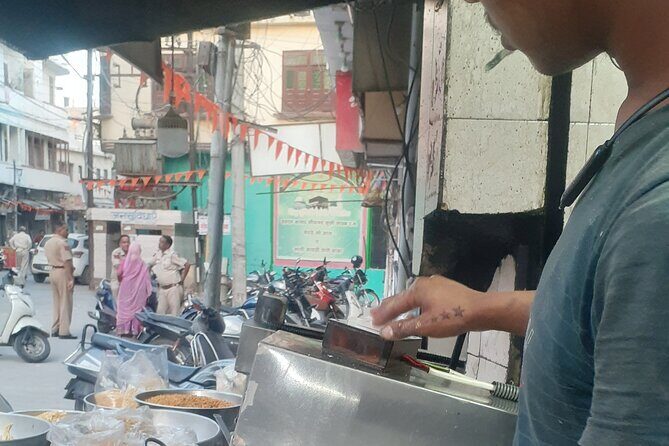
As the walk continues, you’ll reach the masala chai making and tasting part, and bottled water plus masala tea are included. This isn’t only about drinking something warm; it’s about learning the cultural rhythm of tea—how it’s prepared and how tasting fits into market life.
Chai is a great anchor for a walking tour because it resets you. After you’ve watched pots being made and baskets being formed, the chai stop gives a human pause. You can talk with the guide, ask questions, and just enjoy the pause without feeling like you lost time.
If you’re sensitive to spice levels, ask about strength. The route includes a tasting, but the experience still gives you a chance to gauge how it works for you.
Traditional Snacks and Famous Sweets: A Smart Way to Understand What People Crave
You’ll also get stops tied to traditional snacks making and famous sweets tasting. This is one of the most enjoyable parts of the route because it’s both practical and sensory.
From the tour feedback, the tastings are a big reason people feel satisfied at the end. It’s not just “here’s a snack.” You get the context of what you’re eating and why it shows up in local life. Plus, the guide’s attitude matters—Manish helps you sample different products in a way that feels organized, not chaotic.
One practical tip: eat slowly, and don’t worry if you only want a small taste of something. You’re walking for hours, and you still want energy for market viewing and craft watching.
The Wedding Market Walk: A Different Kind of Shopping Street
Near the end of the route, you’ll do a traditional wedding market walk. This part adds variety and shows how Udaipur shops for major life moments, not just day-to-day ingredients.
Even if weddings aren’t on your schedule, this is a meaningful cultural window. It helps you see how items and traditions connect to big events—making the city feel less like a set of attractions and more like a living culture with real priorities.
If you’re the type who likes visual contrast, the wedding market adds color and focus. The earlier crafts and food stops are about making and eating; this segment is about occasion and preparation.
Timing, What to Bring, and Who This Suits Best
The walk lasts about 2 to 3 hours, starting at 10:00 am. It ends back at the meeting point near Jagdish Temple. The group size stays small—maximum 10 travelers—which makes it easier to move as a unit without feeling herded.
What you should bring:
- Comfortable shoes for old-city lanes
- Sun protection (it’s an outdoor walking route)
- A reusable water bottle if you like, even though bottled water is included
Who it suits best:
- You want a Udaipur walk that mixes landmarks, markets, and working crafts
- You like food tastings and practical city details
- You prefer a conversation-led guide instead of silent headphone sightseeing
Who might want to think twice:
- If you only want major photo sights with minimal talking, the craft-and-food rhythm may feel like more “process” than “scenery.”
Price and Value: What $25 Buys in Real Experiences
At $25 for about 2 to 3 hours, this tour is priced like a value-focused walk, and the included items make it feel more complete than many cheap “see-and-go” tours. You get:
- Bottled water and masala tea
- English speaking guide support
- A route that includes multiple market categories, crafts, and tastings
The real value is not the inclusions on paper. It’s that the route organizes a lot of separate interests—temple lanes, architecture observations, craft communities, leaf-plate making, metal utensils, bamboo baskets, and wedding market shopping—into one cohesive walk.
If you’d otherwise have to hire separate local guidance for crafts and market locations, this pricing starts to look even more fair. It’s one of those deals where you feel you got your money’s worth by the end, mainly because you leave with more than photos—you leave with context and taste memories.
Should You Book This Udaipur Heritage City and Local Market Walk?
I’d book it if you want Udaipur to feel like a real working city, not just a postcard. The highest praise centers on Manish’s clear, attentive style—plus the fact that you’re guided into market and craft spots you’d likely struggle to find on your own. Add chai, snacks, and sweets, and it becomes an easy win for people who like hands-on culture.
I’d skip it or choose another option if you dislike walking, don’t want food tastings, or you only care about one or two big sights. This tour is balanced by design: landmarks for orientation, then daily life for depth.
FAQ
What is the duration of the Udaipur Heritage City and Local Market Walking tour?
The tour lasts about 2 to 3 hours.
Where does the tour start and where does it end?
It starts near Jagdish Temple, Udaipur, Rajasthan 313001, India, and ends back at the meeting point.
What time does the tour begin?
The start time is 10:00 am.
Is admission required for Jagdish Temple?
No. The Jagdish Temple stop is listed as free.
What’s included in the price?
Bottled water and masala tea are included, along with an English speaking guide.
What kind of food and drinks do we get to try?
The experience includes masala chai making and tasting, traditional snacks making, and famous sweets tasting.
Can I cancel if the weather is bad?
The experience requires good weather. If it’s canceled due to poor weather, you’ll be offered a different date or a full refund. Cancellation is free up to 24 hours in advance for a full refund.