REVIEW · BANGALORE
Traditional Gowda Cooking Class and Meal in a Bangalore Home
Book on Viator →Operated by Traveling Spoon · Bookable on Viator
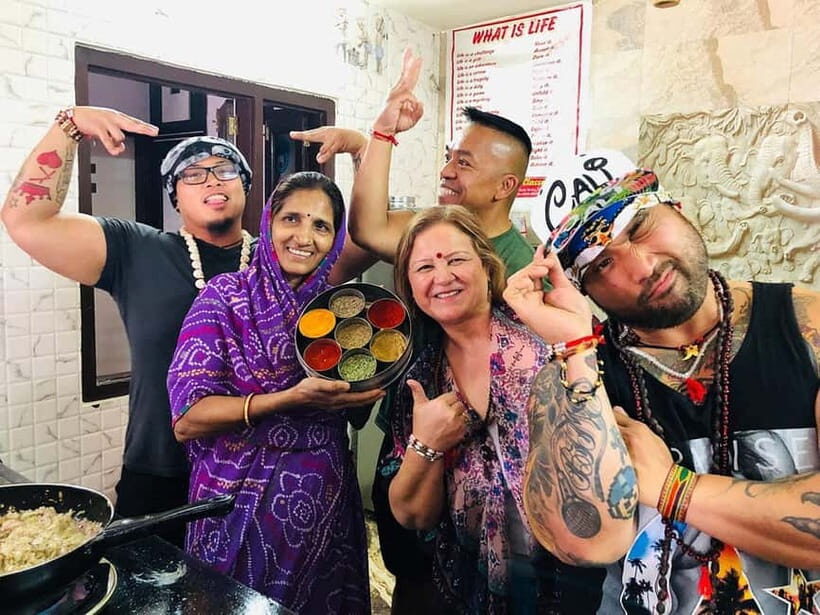
A home cooking lesson beats another restaurant meal every time. This Gowda cooking class in Bangalore is held in a real family house, with you preparing 2–3 traditional dishes before sitting down to eat what you made. I like that it’s hands-on from the start, with help available as you work, and you also learn how the recipes fit into everyday Bangalore family life.
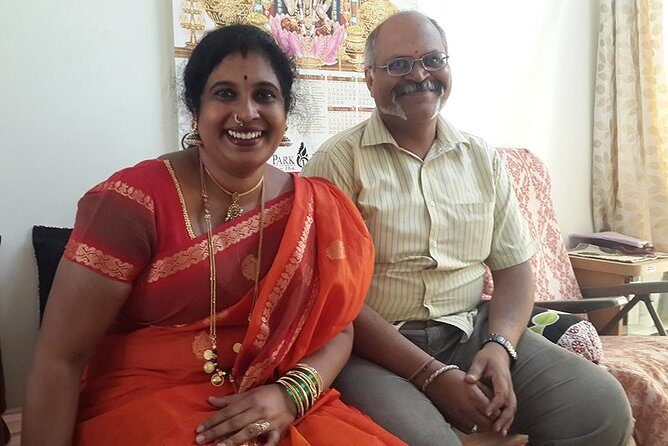
The other thing I really like is the warm, chatty hospitality—meeting Archana and her family makes the food feel personal, not just instructional. The main drawback to consider is logistics: there’s no hotel pickup, and the experience starts at Rajajinagar, so you’ll need to plan your own way there.
In This Review
- Key Takeaways Before You Go
- Why This Cooking Class Feels Like a Real Dinner Invitation
- The Welcome: Paanaka and Starters That Set the Tone
- Cooking the Meal: What You’ll Actually Make (2–3 Dishes)
- Bangalore Home Life: Why the Setting Matters
- The Meal: Banana-Leaf Service and a Full Spread
- Price and Value: Is $74 Worth It?
- Who This Cooking Class Is Best For
- Practical Tips for a Smooth, Comfortable Visit
- A Note on the Flow: Timing and Expectations
- Should You Book This Bangalore Gowda Cooking Class?
- FAQ
- Where does the cooking class start?
- How long is the experience?
- Is this a private experience?
- What dishes will you cook and eat?
- What’s included in the price?
- Is hotel pickup included?
- Is there a vegetarian option?
- How early will you get confirmation after booking?
Key Takeaways Before You Go
- Private cooking with lots of support as you make 2–3 dishes, not just watch
- A full meal on a banana leaf served on the floor, plus starters, dessert, and beverages
- Gowda-focused recipes like bisi bele huli anna and ragi mudde that are harder to find outside Karnataka
- Home-cooking ingredients and family context from a chef-instructor with deep roots in the area
- Bring dietary needs up front, since a vegetarian option is available if you request it at booking
Why This Cooking Class Feels Like a Real Dinner Invitation
Bangalore has no shortage of places to eat. But this experience is different because it’s built around the relationship between food and home life: you’re cooking where recipes were passed down, not in a classroom. Expect a full flow—welcome drink, snacks, active cooking, then a complete family-style meal.
For me, the standout value is that you don’t just learn one dish. The class targets several staples of Karnataka and especially Gowda traditions, so your meal becomes a mini food tour of the region. And since you cook, you’ll leave with more than names—you’ll know what the dishes are trying to achieve in texture, seasoning, and timing.
One more smart point: the menu isn’t only about “famous” items. You may prepare foods like bisi bele huli anna (rice with lentils and vegetables) and ragi mudde (millet flour balls), plus breads and savory stews depending on what’s being cooked that day. That mix gives you real perspective on why South Indian meals taste the way they do.
You can also read our reviews of more cooking classes in Bangalore
The Welcome: Paanaka and Starters That Set the Tone
Most lessons start with you getting settled. Here, you begin with a welcome drink called paanaka, a sweet lemon-based beverage. It’s a small thing, but it helps you shift into local rhythm fast, especially if you’re arriving hungry and a little jet-lagged.
After the drink, you’ll snack on starters that can include items such as kosambari (lentil salad), neruli bajji (fried onion fritters), and other crisp bites like nippat, chakli, or usli. The exact mix can vary, but the idea stays the same: you get a variety of flavors and textures before your hands go into the dough and pot work.
Practical tip: be ready for South Indian spice and aromatics. If you’re sensitive, tell your host early. The experience includes guidance, and you’ll have a better time if you communicate your comfort level before the cooking begins.
Cooking the Meal: What You’ll Actually Make (2–3 Dishes)
This is a class, but it’s also meal prep. You’ll learn to prepare traditional Gowda dishes—typically 2–3 main items—guided by your chef-instructor in her home.
Common dishes you might make include:
- Bisi bele huli anna: rice with vegetables and lentils in a savory, spiced base
- Ragi mudde: millet flour balls, a rural Karnataka staple
- Holige: lentil-stuffed flatbread (often made with care and patience)
- Mamsada saaru: stewed mutton (listed as a possible main)
Even if you don’t cook every last component from scratch, you’re still hands-on enough to understand how the meal comes together. The support matters here: the experience is designed so you get plenty of help, which is especially important for techniques like shaping dough, portioning fillings, or balancing seasoning in a simmering pot.
And yes, you’ll likely get context as you cook. That’s not filler. When you understand why a dish is built a certain way—like why ragi is treated as hearty and grounding—you cook with more intention instead of just following steps.
Bangalore Home Life: Why the Setting Matters
This experience isn’t only about food. It’s also about seeing how meals fit into Bangalore family life. You get to spend time in the home of the chef-instructor, and in that setting, small cultural details land differently.
One example from the vibe of the experience: you may start with a look around the home’s outdoor spaces, and some sessions include walking through a rooftop garden to select herbs for the day’s cooking. If that happens during your visit, it’s a lovely way to connect ingredients to everyday growing and kitchen use.
The home setting also changes the pace. You’re not rushing between stations or waiting for a group cycle. In a kitchen like this, conversation is part of the lesson—questions come up naturally, and your host can explain food traditions as you cook.
The Meal: Banana-Leaf Service and a Full Spread
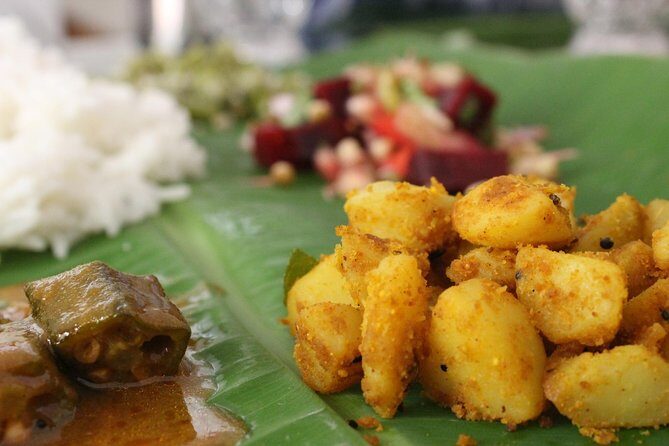
After you finish cooking, it’s time to eat your creation. The meal is served in a traditional way, on a banana leaf, and you’ll eat on the floor. That matters because it’s not a decorative gimmick—it’s tied to how South Indian meals are traditionally arranged and eaten.
Your table will include:
- The dishes you helped prepare (often 2–3 mains)
- Starters from earlier
- Dessert with traditional Gowda sweets
- Beverages along with the meal (in addition to that first welcome drink)
This is where the experience becomes more than a cooking workshop. If you’ve ever wondered what you’re doing wrong at home when you try to reproduce flavors from restaurant menus, this is a helpful reset. Restaurant food can be simplified and standardized. Here, you’re tasting the full range of textures and seasoning choices in one cohesive meal.
If you’re vegetarian, you can request a vegetarian option at booking. Do that early, and mention any dietary requirements so your host can plan accordingly.
A few more Bangalore tours and experiences worth a look
Price and Value: Is $74 Worth It?
At $74 per person for a roughly 3-hour private class with a full meal, the value depends on what you want from your trip.
If you’re the type who enjoys learning techniques and wants a story you can carry home—this is good value. You’re not paying only for ingredients; you’re paying for guided instruction in a real home kitchen and a complete meal experience. The fact that it’s private (only your group participates) also helps you get more direct attention than you’d find in larger group classes.
You can also look for group discounts if you’re booking with friends or family. Since the class starts at Rajajinagar and ends back at the meeting point, it’s designed to be compact and centered, not a long day of transport.
What might lower value for some people: if you mainly want a quick food hit with minimal participation, you may find the cooking time more than you expected. But if you want to feel competent at making at least a couple of Karnataka dishes by the end of the night, you’ll likely feel it was worth it.
Who This Cooking Class Is Best For
This works especially well for:
- People who like cultural context as much as food
- Anyone who wants a hands-on lesson rather than a tasting-only experience
- Visitors who are curious about Gowda traditions and Karnataka flavors
- Small groups who want a private meal experience in a home setting
It’s also a strong option for food-minded travelers who have already eaten the usual Bangalore restaurant hits and want something more grounded.
If you’re traveling with dietary restrictions, tell your host what you need at booking. A vegetarian option is available, and the class includes guidance, so communication matters more than guesswork.
Practical Tips for a Smooth, Comfortable Visit
Here are a few things that can make the experience feel effortless:
- Plan your ride: there’s no hotel pickup, and the start point is Rajajinagar. If you’re using public transit, the experience is described as near public transportation, which helps.
- Dress comfortably: you’ll be working in a home kitchen environment and likely spending time seated for the meal.
- Come with questions: the host’s family knowledge is part of the value. Ask about ingredients, techniques, or what makes one regional dish different from another.
- Mention dietary needs early: vegetarian is possible if requested at booking, and it’s smart to share any other dietary requirements in advance.
A Note on the Flow: Timing and Expectations
The schedule is built around a steady progression:
- Welcome drink and snacks
- Hands-on cooking for 2–3 traditional dishes
- Sit down to eat the full banana-leaf meal
- Finish with dessert and beverages
Because it’s private and designed for a group only, the pace should feel comfortable and interactive. You’re not competing for counter space or waiting for your turn to stir a pot.
Should You Book This Bangalore Gowda Cooking Class?
If you want a meal with real learning attached, I think you should book it. The combination of hands-on cooking, a full banana-leaf spread, and the chance to share the table in a home with a chef-instructor who loves her heritage makes it a standout experience in Bangalore.
Skip it only if you’re looking for a low-effort activity with no cooking, or if getting to Rajajinagar on your own will be a deal-breaker.
FAQ
Where does the cooking class start?
The experience starts in Rajajinagar, Bengaluru, Karnataka, India. It ends back at the meeting point.
How long is the experience?
It lasts about 3 hours.
Is this a private experience?
Yes. It’s a private tour/activity, and only your group will participate.
What dishes will you cook and eat?
You’ll learn to prepare 2–3 traditional Gowda dishes. Examples include bisi bele huli anna (rice with vegetables and lentils), ragi mudde (millet flour balls), holige (lentil-stuffed flatbread), and mamsada saaru (stewed mutton).
What’s included in the price?
The price includes a private authentic Gowda cooking class and a home-cooked South Indian meal.
Is hotel pickup included?
No. Hotel pickup and drop-off are not included.
Is there a vegetarian option?
Yes, a vegetarian option is available. You need to advise at the time of booking.
How early will you get confirmation after booking?
Confirmation is received within 48 hours of booking, subject to availability.