REVIEW · NEW DELHI
Taj Mahal Sunrise Tour from Delhi All Inclusive
Book on Viator →Operated by Agra Taj Visit · Bookable on Viator
A sunrise Taj sounds romantic, but the real win is logistics. This tour gets you to Agra early, with door-to-door pickup and a private guide so you can focus on the sights instead of figuring out buses or trains. In one smooth flow, you’ll do the Taj Mahal at first light and then continue on to Agra Fort.
What I like most is the mix of private guidance and timing. Guides like Khal (named in one guest’s experience) can turn the stone-and-story details of the Taj into something you can actually picture, not just read off a sign. The second big plus is the safety-and-comfort factor: the driver Harshit was specifically praised for keeping things secure and stress-free on the road.
One thing to consider: this is an early start. Pickup is 2:30 am, and you’ll be moving most of the day, so it helps to travel with a plan for sleep and jet lag.
In This Review
- Key things to know before you go
- Why the 2:30 am start makes the Taj Mahal day easier
- Delhi to Agra transfers: comfort, timing, and car choices
- The Taj Mahal at sunrise: what the guide changes for you
- After the Taj: hotel breakfast and how to budget for it
- Agra Fort and the rest of the day beyond the postcard
- Price and value: is $65 a smart deal?
- What to expect with a private guide (and why names matter)
- Smart planning tips: dress, energy, and comfort
- Should you book this Taj Mahal Sunrise tour?
- FAQ
- What time does the tour start?
- How long is the Taj Mahal sunrise tour?
- Is this a private tour?
- What transportation is included?
- Are monument entry fees included?
- Is breakfast included?
- What should I wear?
- Can I cancel for free?
Key things to know before you go

- 2:30 am pickup means you beat the crowds and catch the Taj in the best light windows
- Private tour setup keeps the schedule tight and your questions answered in real time
- Air-conditioned car transfers on the Yamuna Express Highway cut the headache of independent travel
- Agra Fort is built from red sandstone and adds a second UNESCO stop beyond the Taj photo
- Optional all-inclusive affects whether monument entry fees and lunch are covered
- Hotel breakfast is on you after the Taj visit, so plan for that extra cost
Why the 2:30 am start makes the Taj Mahal day easier
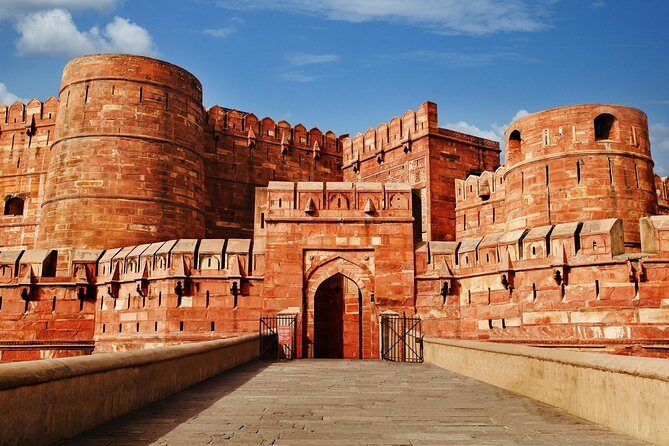
The Taj Mahal is famous, sure. But the experience is also about timing. When you’re starting in Delhi at 2:30 am, you’re not rushing around after breakfast somewhere in Agra. You’re arriving with enough energy to actually enjoy the Taj in the early hours, when the atmosphere is cooler and the light is more forgiving.
The big value here is that the plan is built around sunrise conditions. That reduces the common “we got there late” disappointment that happens when your independent transport runs behind. You also get a guided flow: once you arrive in Agra, your guide meets you at the hotel lobby and the day transitions smoothly into sightseeing.
There’s also a practical rhythm to a sunrise tour. You’re awake early anyway, so you might as well spend that time on the thing you came for most. By the time you’re finished at the Taj, you’ll have the kind of morning satisfaction that makes the rest of Agra Fort feel like a natural continuation instead of an afterthought.
The only drawback is stamina. A 12-hour day in total is normal for this kind of itinerary, but the early pickup means you should avoid stacking it with other late-night plans the day before. If sleep is fragile for you, treat this like a priority event and schedule accordingly.
A few more New Delhi tours and experiences worth a look



Delhi to Agra transfers: comfort, timing, and car choices
This tour handles the part that usually causes stress: getting you from Delhi to Agra and back, on time. Pickup starts at 2:30 am, and the drive is about 3 hours via the Yamuna Express Highway. That matters because sunrise tours live or die by punctuality.
You travel in an air-conditioned car, and the tour is designed as a private activity. That means you’re not waiting around for strangers or negotiating how to fit everyone’s baggage. Your group only travels together, with all transfers built in.
Car type is grouped by party size. For 1–2 people you’re in a sedan; 1–4 can also be a sedan; 1–4 uses a mid-SUV; and larger groups (up to 11) go in a mini van. In plain terms: you shouldn’t end up with an undersized vehicle that turns a long pre-dawn drive into a cramped one.
A small but useful inclusion is bottled water. When you’re leaving early, that little comfort helps more than you’d think.
One note for your planning: the pickup is listed as airport or anywhere in Delhi, so you can align it to where you’re staying. Still, confirm your exact pickup point when you book to avoid last-minute confusion at 2:30 am.
The Taj Mahal at sunrise: what the guide changes for you
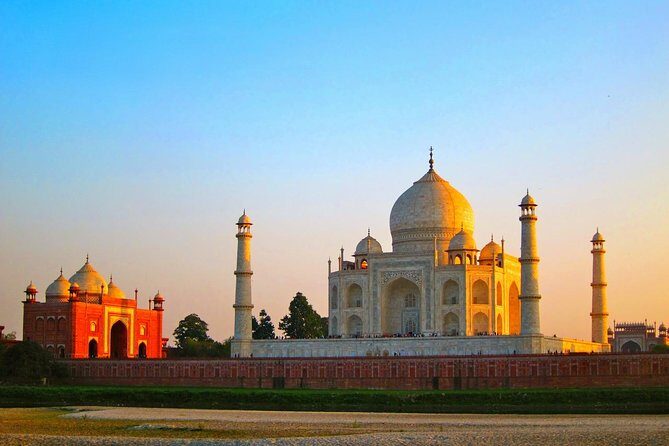
Seeing the Taj Mahal is one thing. Understanding why it looks the way it does is another. This is where a private guide makes the biggest difference.
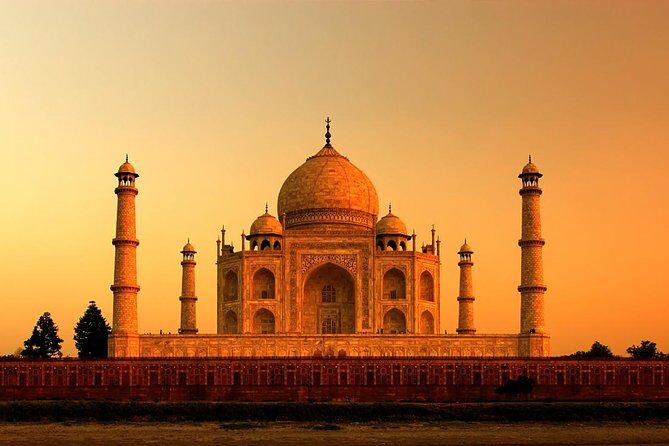
The tour route brings you into Agra for the sunrise Taj Mahal visit, and your guide takes the lead from there. You’ll hear the story behind the white-marble monument and the Mughal-era context that shaped it. In one guest’s experience, Khal was praised for introducing both the culture of India and the background behind the Taj Mahal. That’s the sort of added value you want at sunrise—context that helps the place click in your mind as you walk.
The other advantage is pacing. Private guiding helps you move through the site with fewer detours and fewer moments of standing still wondering what to look at next. You’re there for a short window where light is working in your favor, so it helps to have someone who knows what to prioritize.
If you’re the type who likes learning as you go, this works well because the Taj isn’t treated as just a checklist item. It’s treated like a story scene—monument, meaning, and atmosphere—stacked together at the hour when it feels most special.
Potential drawback: sunrise tours can feel like a blur if you don’t slow down. You’ll want to balance the urge to photograph everything with a little time just to look. Even in a guided format, I’d give yourself permission to stand still for a moment. That’s when the Taj stops being an image and becomes a place you remember.
After the Taj: hotel breakfast and how to budget for it
Once your Taj visit is complete, the tour plan includes a break for breakfast at a hotel. The important detail is cost: the buffet breakfast is listed as own expenses.
That means it’s not automatically priced into the base experience the way transfers, the guide, and (optionally) entry fees are. So if you like clear budgeting, assume breakfast will be an additional meal cost on top of the tour price.
Why this matters: breakfast isn’t just food. It’s recovery. Sunrise takes it out of you. After a morning of walking and quiet attention, you’ll want that warm meal to reset your body before heading to the next UNESCO stop.
The good news is that the tour already routes you to a hotel for breakfast instead of leaving you to hunt for something at an awkward hour. Even if you pay for it, the setup is practical.
If you’re watching your spending, eat thoughtfully rather than grazing. Plan for an energy-sensible meal so you don’t end up hungry again right when you reach Agra Fort.
Agra Fort and the rest of the day beyond the postcard
After breakfast, the itinerary shifts to Agra Fort, another UNESCO World Heritage Site. This fort was built by Emperor Akbar in 1565 A.D., and it’s described as a huge structure made of red sandstone. That material detail is a good clue about what you’re in for: the visual style changes from the Taj’s pale marble to a heavier, fortress feel.
Agra Fort matters because it widens the story. The Taj Mahal is about a single monument and its emotional purpose. The fort is about power, administration, and how a city organized itself. Even if you’re not a hardcore history person, the fort gives you a sense of how Agra functioned beyond the iconic mausoleum.
You’ll also have time for sightseeing and souvenir shopping at handicraft shops. That’s one of the best ways to keep the day from becoming too rigid. It gives you a chance to pick up small keepsakes and support local crafts without turning the afternoon into a scavenger hunt.
A balanced expectation: this is a full day. There’s enough to see that you’ll likely feel “on” for the whole stretch. If you’re traveling with someone who needs lots of long breaks, consider bringing snacks or planning your pace with the guide when the day feels tight.





Price and value: is $65 a smart deal?
At $65 per person for a roughly 12-hour private day trip, the value depends on one key detail: your all-inclusive choice.
Here’s what is clearly included as part of the tour:
- bottled water
- a private tour guide
- all transfers and sightseeing in an air-conditioned car
- pickup and drop-off from the airport or your chosen location in Delhi
What depends on the option:
- monument entry fees are included only if you select the all-inclusive option
- lunch is included only if you select the all-inclusive option
So how do you judge whether it’s worth it? Think in terms of what you’re buying: early-morning transport, private guiding time, and a guided itinerary between two major UNESCO sites.
If you’re traveling independently, the cost of guide services, admissions, and transportation adds up quickly—especially with the very early departure that makes public transport less convenient. In this setup, you’re paying for certainty: you get to Agra and you’re not stuck figuring out tickets or routing while half-asleep.
Group discounts are also listed, which can make the per-person cost even more attractive if you’re not solo.
What you should plan for outside the included items: gratuities are optional, and breakfast is an additional cost because it’s listed as own expenses. That’s not a dealbreaker, but it affects the all-in number you’ll pay at the end of the day.
Bottom line: if you want sunrise Taj plus Agra Fort without the transport headaches, the price is reasonable. Just check whether you’re selecting the option that covers entrance fees and lunch, and you’ll avoid surprises.
What to expect with a private guide (and why names matter)
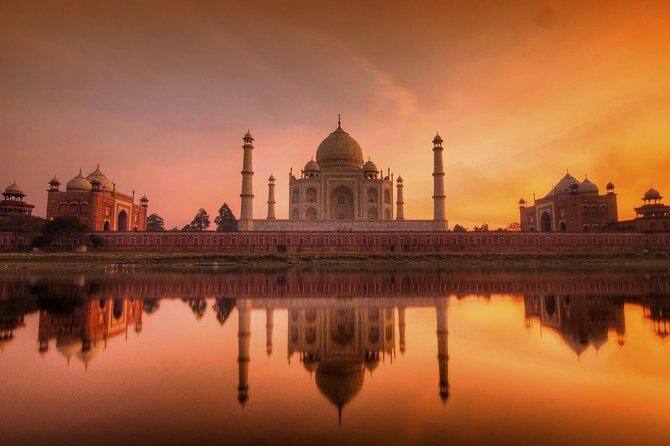
A private guide is more than a person holding a map. You’re getting someone to connect the scenes: what you’re looking at now, how it fits into the larger Mughal story, and what to pay attention to as you walk.
In one strongly positive experience, the driver Harshit was highlighted for safety and friendliness, and the guide Khal was praised for explaining culture and the Taj’s background. That combination is exactly what you want on a long, early day: safe driving so you’re calm, then clear storytelling so the sights land.
If you’re the type who has questions—about names, dates, architecture, or what you’re seeing—private guiding helps you ask and get answers on the spot rather than waiting to look things up later.
Practical tip for you: since the day starts at 2:30 am, keep questions simple at first. Ask what you should notice during the Taj visit, then follow your guide’s cues. You’ll get more out of the time you have.
Smart planning tips: dress, energy, and comfort
The dress code is smart casual. That’s helpful because it means you don’t need formal attire, but you should still dress comfortably enough for early morning and walking.
Energy is your real scheduling challenge. This is 12 hours, and it starts before most people have brushed their teeth for the day. If you can, build in a nap or early night before this trip. Once you’re on the road, the day becomes a series of transitions: Delhi pickup, highway drive, Taj sunrise visit, hotel breakfast, Agra Fort, and then shopping/sightseeing time.
Also think about camera and patience. Sunrise gives you light and atmosphere, but it also means you’re moving before the day fully warms up. Wear shoes you trust. That sounds boring, but for a monument-focused day, comfort affects your mood more than people expect.
Should you book this Taj Mahal Sunrise tour?
Book it if you want the Taj Mahal at sunrise without the hassle of arranging transport yourself. You’ll benefit from private guiding, air-conditioned transfers, and a day plan that keeps the main UNESCO hits in focus.
Skip or reconsider if you’re traveling with someone who can’t handle very early mornings. This isn’t a slow brunch-and-history stroll. It’s a morning-first, full-day outing, with breakfast at the hotel listed as your expense.
If you like clear value, choose the option that matches your needs. If you want fewer add-ons during the day, select the all-inclusive approach that covers entrance fees (and lunch). If you’re comfortable paying meals separately, then the base structure still works well because the core logistics are already handled.
FAQ
What time does the tour start?
The start time is 2:30 am, with pickup from the airport or anywhere in Delhi.
How long is the Taj Mahal sunrise tour?
The duration is about 12 hours.
Is this a private tour?
Yes. It’s private, and only your group participates.
What transportation is included?
You get all transfers and sightseeing by an air-conditioned car, with hotel/airport pickup and drop-off.
Are monument entry fees included?
Monuments entrance fees are included if you choose the all-inclusive option.
Is breakfast included?
After the Taj visit, there is buffet breakfast at a hotel, listed as own expenses.
What should I wear?
The dress code is smart casual.
Can I cancel for free?
Yes. Free cancellation is available up to 24 hours in advance for a full refund.