REVIEW · NEW DELHI
Taj Mahal and the Golden Triangle
Book on Viator →Operated by BeMetravels · Bookable on Viator
Taj dreams turn real in four days. I love the Taj Mahal sunrise/sunset timing and how you’re chauffeured in an air-conditioned vehicle with bottled water each day. The driver and guide team (Mahendra, in one recent group) adds real friendliness and keeps the trip feeling safe and easy. The one drawback to plan for: several key monuments have entry fees that are not included, so you’ll want some rupees ready.
This is a tight route that still covers a lot of big-name sights without feeling like a checklist robot. With a maximum group size of 15, you get room for questions and quick course-corrections when traffic or timing gets weird.
Comfort matters here because you’re doing early/late sightseeing, plus walking at forts and mosques. Bring comfortable shoes and expect that Old Delhi and market areas can be crowded and sensory-heavy, even on a short stroll.
In This Review
- Key highlights you’ll feel right away
- Golden Triangle in 4 days: where this route really wins
- Entering Delhi: mosque calm, imperial memorials, and Qutub Minar awe
- Agra day: fort views first, then the Taj with real viewing time
- Fatehpur Sikri and Jaipur: the route from Mughal grandeur to pink city icons
- Amber Fort (the big one)
- Jantar Mantar and the City Palace
- Hawa Mahal: quick exterior magic
- Jaipur downtime: shopping and settling in
- Price and value: what $247.23 really covers
- Comfort and logistics that matter on this route
- Who this tour suits best, and who might want a different plan
- Should you book this 4-day Taj Mahal and Golden Triangle tour
- FAQ
- How long is the Taj Mahal and the Golden Triangle tour?
- Where does the tour start and is pickup included?
- What’s included in the price?
- Are tickets to the monuments included?
- Does the tour include a sunrise or sunset Taj Mahal visit?
- How long is the drive from Delhi to Agra?
- What is the group size limit?
- Is tipping included?
- What is the cancellation policy for a full refund?
Key highlights you’ll feel right away
- Sunrise or sunset Taj Mahal: you get a long enough window to actually enjoy the place, not just snap and run
- Old Delhi icons in one day: Jama Masjid, India Gate, Raj Ghat, Qutub Minar, and Chandni Chowk area time
- Smarter pacing with an AC ride: the long stretches between cities are handled in comfort
- Marble-and-red-stone Mughal stops: Agra Fort, Itmad-ud-Daula, and Fatehpur Sikri add variety beyond the Taj
- Jaipur’s must-sees in sequence: Amber Fort plus the classic Jaipur skyline sites
- Small-group vibe (max 15): easier to coordinate timing and move through crowds
Golden Triangle in 4 days: where this route really wins
The classic Golden Triangle usually works because it compresses three different “faces” of India into one trip: the capital’s layered history, the Mughal grandeur around Agra, and Rajasthan’s palace-and-fort world in Jaipur. What I like about doing it in about four days is the balance. You get major sights you’d otherwise need multiple trips to stitch together, and you still have enough time in each place to enjoy the vibe.
In this plan, the driving is part of the experience, but you’re not stuck roasting in a hot vehicle all day. You ride in an air-conditioned vehicle with bottled water, which makes a big difference when you’re visiting during early or late light and doing stairs and uneven stonework.
Also, the trip is built around a guided, coordinated flow. You’re not on your own juggling buses, ticket lines, and changing schedules. The driver and guide act like your point people from the moment you’re picked up.
One more thing: this tour includes 4 breakfasts, so you start each day with one less decision to make. It won’t turn into a luxury food festival, but it does keep the mornings moving.
You can also read our reviews of more tours and experiences in New Delhi.



Entering Delhi: mosque calm, imperial memorials, and Qutub Minar awe
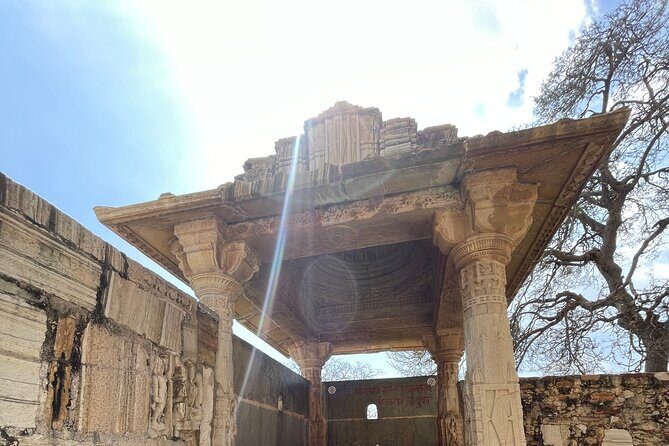
Day 1 is a strong introduction to Delhi because it mixes spiritual space, national memory, and landmark architecture.
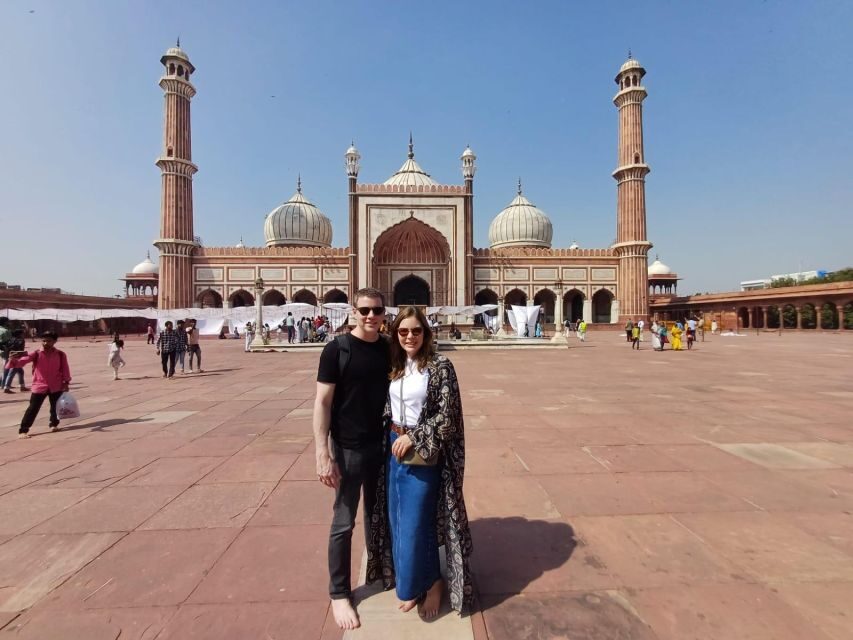
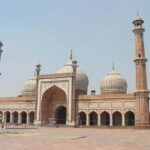
Jama Masjid is your first major stop. You’ll take a short guided stroll around the mosque and learn what you’re looking at instead of just standing there staring at stone. The entry fee is 200 rupees per person and not included, so budget for it. Even if you’ve seen photos, seeing a mosque of this scale up close hits differently, especially in the flow of people around it.
Next up is India Gate, a memorial from 1931 for Indian soldiers. It’s quick—think 30 minutes—and there’s no entry fee. I treat this kind of stop as a reset. It breaks up the heavier architectural moments and gives you a simple stretch break before you go to something more reflective.
After that, you visit Raj Ghat, Mahatma Gandhi’s cremation memorial. The garden setting is peaceful, and the visit lasts about 30 minutes with the admission included. This stop works well emotionally; it slows the day down right when you might be starting to feel sightseeing fatigue.
Then comes Qutub Minar, a UNESCO site with marble and red sandstone in a very recognizable style. You’ll spend around 1 hour, and admission is included. This is one of those places where you can walk around and still feel like you’re learning without a lecture. Look for how the materials and proportions tell a story of time.
Finally, you get a sensory hit at Chandni Chowk’s spice market area (often spelled and referred to in a couple different ways, but it’s the same famous Old Delhi shopping zone). It’s about 1 hour and the stop itself has no entry fee. The point here is the atmosphere. You’ll see piles of spices, meet shopkeepers, and get tempted—so keep a loose plan for spending. If you’re not shopping, you can still enjoy the colors and smells without buying much.
Agra day: fort views first, then the Taj with real viewing time

On Day 2 you travel from Delhi to Agra in roughly 4 hours. That kind of drive is exactly where the included AC vehicle earns its keep. It turns a stressful day-trip into something you can actually handle.
You start at Agra Fort, a major Mughal stronghold built under Emperor Akbar in the 1500s, sitting by the Yamuna River. You’ll have about 2 hours here. Admission for Agra Fort is 300 rupees per person and not included. This is a smart opener because it gives context for the Taj Mahal. The Taj looks like a final masterpiece, but Agra Fort reminds you it was built in a world of power, defense, and royal planning.
Next you visit Itmad-ud-Daula, nicknamed the Baby Taj. It’s about 1 hour, and admission is included. I like this stop because it’s still Taj-level marble beauty, but with a calmer pace. It feels like a warm-up act that doesn’t steal focus; it sets expectations for the craftsmanship you’ll see later.
Then comes the headline: Taj Mahal. You’ll spend about 3 hours, and admission is included. The tour is timed for either sunrise or sunset, and that choice matters. At sunrise, the light is gentler and the mood tends to feel hushed. At sunset, you get dramatic color shifts on the marble. Either way, the longer time window helps. You can take photos, yes, but you can also slow down and actually look at details like the stonework and symmetry.
Practical tip: plan your camera and your feet. Taj timing means you’ll likely deal with crowds and controlled movement. Comfortable shoes and a little patience go a long way.
Fatehpur Sikri and Jaipur: the route from Mughal grandeur to pink city icons
Day 3 shifts gears. First stop is Fatehpur Sikri, a heritage site with about 2 hours on the schedule, and no entry fee included is listed for this stop. That matters because it’s a useful “value filler” day element. You’ll get big-site impact without an extra ticket cost.
Then you travel on to Jaipur and focus on the classic lineup.
Amber Fort (the big one)
Amber Fort is one of Jaipur’s best-known stops. You’ll get around 2 hours there, with admission not included. Forts take time because you’re walking, climbing, and looking at details from different angles. If you like architecture, this is where your patience pays off.
I recommend you go into Amber thinking less about checking boxes and more about spotting patterns: courtyards, viewpoints, and the way the complex is laid out. Even if you’re not the kind of person who reads every sign, you can still learn a lot just by looking at how the fort functions as a royal environment.




Jantar Mantar and the City Palace
Next you visit Jantar Mantar, an astronomical observatory, for about 1 hour. Admission is not included here. It’s a reminder that this region didn’t just build pretty things; it measured the sky with serious tools.
Then you head to City Palace of Jaipur for about 1 hour, again with admission not included. This stop tends to work best if you treat it as a “how power lived” visit. You’re seeing palace space, not just viewing objects.
Hawa Mahal: quick exterior magic
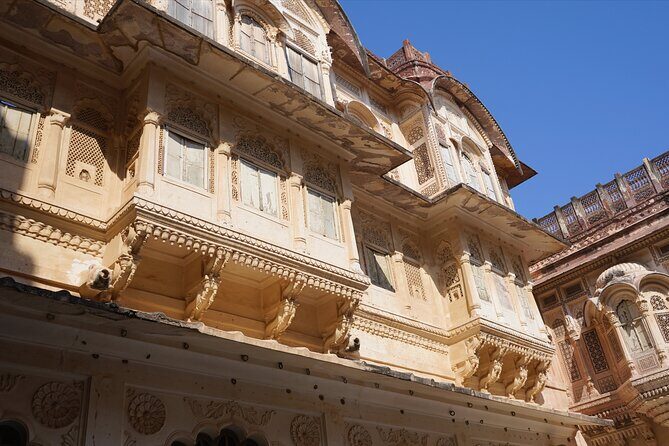
You finish with Hawa Mahal (Palace of Wind), which is the famous pink facade people recognize instantly. The stop is short—about 30 minutes—and admission is not included. For me, this is the perfect kind of stop to end with because it gives you a landmark moment without demanding hours of walking.
Jaipur downtime: shopping and settling in
Day 4 is lighter. You get about 2 hours in Jaipur with shopping time. This is smart for a short trip. It gives you a chance to convert memories into keepsakes, and it also helps you pace yourself after three more intense sightseeing days.
Because the tour doesn’t lock you into another full long list of sites on Day 4, you can use the time in a practical way: pick up a few items you actually want, grab snacks, or just sit somewhere and watch city life move.
One note: the itinerary includes multiple marketplaces and famous architecture, so if shopping isn’t your thing, you can still use Day 4 to rest your feet and adjust for the pace you felt on Day 3.
Price and value: what $247.23 really covers
At $247.23 per person, the value comes from the combination of transportation, guidance, and timed sighting.
Here’s what’s clearly included:
- Air-conditioned vehicle
- Bottled water
- Breakfast (4)
And what’s not included:
- Flights
- Insurance
- Tipping
- Several monument entries, like Jama Masjid (200 rupees), Agra Fort (300 rupees), and other Jaipur/fort sites listed as not included.
So how do you judge value? You look at the structure: the tour is doing multi-city driving with a guide-friendly plan, plus at least several major paid entries are included (like Raj Ghat, Qutub Minar, Itmad-ud-Daula, and Taj Mahal). That included set lowers the number of tickets you need to buy yourself.
What you should do before you go: convert a rough cash buffer for the not-included entries into rupees. The exact total depends on what you decide to pay and any optional spending at markets, but having some extra money avoids the annoying stop-and-stall feeling when you’re at a ticket window.
Also, tipping is not included. If you want to tip, you’ll need to decide that separately.
Comfort and logistics that matter on this route
This tour is built for small groups—up to 15 travelers—which helps with flexibility. It’s much easier for a driver and guide to manage timing when you’re not fighting a massive bus crowd.
You also have the convenience of pickup offered, starting near Indira Gandhi International Airport. The listing notes mobile ticket usage and that confirmation arrives at booking time. That combination usually means fewer last-minute hassles.
Most importantly, the tour includes professional driving between stops so you can focus on sightseeing rather than transit navigation. On this route, that’s half the battle.
My practical advice:
- Wear shoes you can walk in for forts and uneven surfaces.
- Carry a small amount of cash for the sites where admission is not included.
- Expect crowd energy at Old Delhi and major monuments.
- Keep your schedule flexible for sunrise/sunset timing, since the whole day revolves around light.
Who this tour suits best, and who might want a different plan
This is a great fit if you’re a first-time visitor to India who wants the highlights of the Golden Triangle without building the trip from scratch. It also suits solo travelers or couples who like the security of a guided plan and a friendly driver-guide relationship.
If you love architecture, this route makes sense because you see Mughal forts, marble tombs, and Rajasthan’s palace-fort world in sequence. You also get a memorial and a major mosque day, so the trip isn’t only about monuments for monuments’ sake.
You might want a different plan if:
- You dislike early mornings or late-day sightseeing tied to light at the Taj.
- You strongly prefer a fully-ticketed itinerary with no extra entry fees. This tour has several not-included monuments.
- You want more downtime in each city instead of a structured 4-day sprint.
Should you book this 4-day Taj Mahal and Golden Triangle tour
If you want a well-paced first introduction to Delhi, Agra, and Jaipur, this is an easy yes. You get the big emotional hit of Taj Mahal with a proper sunrise/sunset window, plus a sequence of Mughal and Jaipur landmarks that keeps the route interesting.
Book it if you value:
- AC transport + bottled water
- a small group setup
- guided visits at major sites
- built-in breakfasts to simplify mornings
Skip it if you’re counting on every ticket to be included. You’ll want to budget extra for several entries (like Jama Masjid, Agra Fort, Amber Fort, Jantar Mantar, City Palace, and Hawa Mahal).
FAQ
How long is the Taj Mahal and the Golden Triangle tour?
The tour is approximately 4 days.
Where does the tour start and is pickup included?
It starts at Indira Gandhi International Airport in New Delhi, and pickup is offered.
What’s included in the price?
The tour includes an air-conditioned vehicle, bottled water, and breakfast for 4 days.
Are tickets to the monuments included?
Some are included (for example Raj Ghat, Qutub Minar, Itmad-ud-Daula, and the Taj Mahal). Other attractions list admission as not included, such as Jama Masjid (200 rupees) and Agra Fort (300 rupees), plus several Jaipur sites.
Does the tour include a sunrise or sunset Taj Mahal visit?
Yes. The Taj Mahal visit is scheduled for sunrise or sunset, and you’ll have about 3 hours there.
How long is the drive from Delhi to Agra?
The drive is approximately 4 hours.
What is the group size limit?
The maximum group size is 15 travelers.
Is tipping included?
No. Tipping is not included.
What is the cancellation policy for a full refund?
You can cancel for a full refund if you cancel at least 24 hours before the experience’s start time. If you cancel less than 24 hours before, the amount paid is not refunded.