REVIEW · NEW DELHI
RAJASTHAN WITH VARANASI TOUR (15 Nights /16 Days)
Book on Viator →Operated by Indian Travel Online · Bookable on Viator
India’s best contrast is packed into this route. You’ll move from Delhi’s monuments to Rajasthan’s forts and palaces, then switch gears to Varanasi for Ganga Aarti and a morning boat on the Ganges. I like the practical setup: private AC car for most sightseeing and a smooth handoff to train travel when it matters.
One more thing I really value is the emphasis on getting you around safely and on time, helped by professional drivers I’ve seen named in past feedback like Dinesh, Ajay, Kumar, and Ajay Verma. The one drawback to watch for: monument and camera fees are not included, so plan extra cash for entrances and optional extras.
In This Review
- Key highlights you’ll actually care about
- Price and logistics: is $1,790 worth it?
- Day 1 in Delhi: Rajghat, Jantar Mantar, and photo stops that set the mood
- Jaipur and Amer Fort: palaces, bazaars, and views that make the drive worth it
- Bikaner: Junagarh Fort and Karni Mata Temple
- Jaisalmer and Sam Dunes: Golden Fort mornings and desert safari evenings
- Jodhpur’s Mehrangarh and Jaswant Thada: marble, scale, and big-fort drama
- Udaipur: Lake Pichola boat ride plus City Palace crystal gallery
- Chittorgarh and the “scale day”: Pride of Rajasthan on a cliff hillock
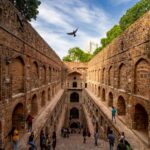
- Bundi and Kota: step wells, chhatri stops, and museum time in the afternoon
- Jaipur again, then Agra: Gaitore, Jal Mahal photos, Fatehpur Sikri, Buland Darwaza
- Taj Mahal morning and a night train to Varanasi: the trip’s sharpest turn
- Varanasi nights and mornings: Ganga Aarti at the ghats
- Sunrise boat on the Ganges plus temple circuit: Kashi Vishwanath and friends
- Sarnath: first sermon setting with stupa and museum stops
- Final Delhi day: Akshardham and one last market stroll
- Who this Rajasthan with Varanasi tour is best for
- Should you book this tour
- FAQ
- How long is the Rajasthan with Varanasi tour?
- What is the price per person?
- Where does the tour start and end?
- What types of rooms are included?
- Are transfers included throughout the trip?
- Do you travel by train during the trip?
- Are meals included besides breakfast?
- Are monument entrance fees included?
- What happens in Varanasi during the trip?
- Is there free cancellation?
Key highlights you’ll actually care about
- Private AC car sightseeing across Rajasthan (less stress, more control over stops)
- Agra to Varanasi by train to break up a long distance the sensible way
- Ganga Aarti plus a sunrise boat ride for a full-sensory look at Varanasi’s river life
- Big-fort days balanced with museum time (Bundi and Kota are great palate cleansers)
- Deluxe room stays for 14 nights/15 days, with breakfast included daily listed as 14 breakfasts
- Mobile ticket + group discounts noted as part of the package
Price and logistics: is $1,790 worth it?
At $1,790 per person for about 15 nights / 16 days, this trip is priced like a classic, all-in-one heritage circuit. What you’re really paying for is not just hotel beds—it’s the “in-between” that usually costs time and energy: transfers, driver, tolls, parking, fuel, and the day-by-day sightseeing plan.
Here’s what’s included that lowers your hassle:
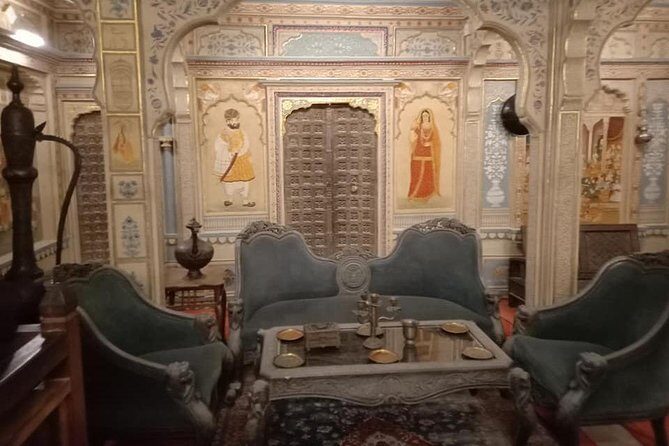
- Deluxe room accommodation for 14 nights / 15 days
- Private AC car transport for excursions and sightseeing (plus taxes like tolls, parking, and fuel)
- Agra → Varanasi and Varanasi → Delhi by train
- Welcome drink on arrival
- Breakfast (14) listed in the package
What’s not included (and can change your total):
- Monument entrance and camera fees
- Personal expenses, tipping, and any meals beyond what’s listed
- Any optional add-ons (for example, the boat during Ganga Aarti is optional and at your own cost)
My take: if you want a Fort-to-Ghats itinerary without negotiating transport every day, this is good value. If you plan to spend a lot on entrances anyway, your final cost will rise, but at least you’ll know where the money goes.
You can also read our reviews of more tours and experiences in New Delhi.

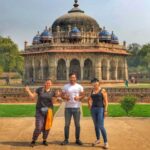

Day 1 in Delhi: Rajghat, Jantar Mantar, and photo stops that set the mood
Your tour starts with a meet & greet at Delhi airport or railway station and transfer to a hotel. After check-in, you get a first-day orientation—low pressure, but packed enough to feel like you’ve landed in the right place.
Afternoon sights include:
- Rajghat (a meaningful start point for Indian history and remembrance)
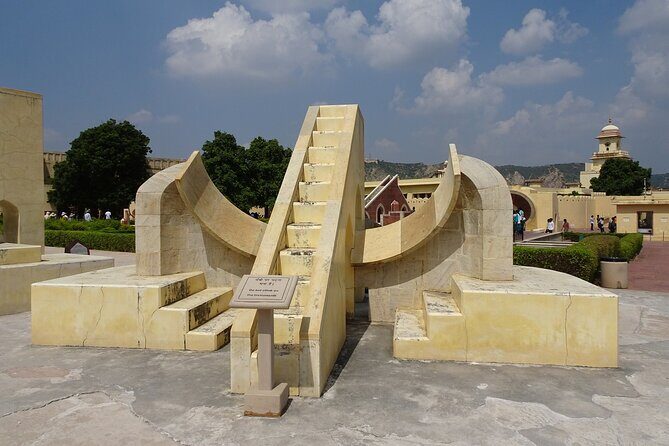
- Jantar Mantar, with its old-school astronomical instruments
- India Gate
- Exterior/photo stops at Parliament House and Rashtrapati Bhawan (listed with an asterisk)
What I like about this Delhi start is that it gives you context quickly. You’re not jumping straight to shopping bazaars without understanding what Delhi symbolizes. Also, the route keeps you moving at a manageable pace before the Rajasthan driving days begin.
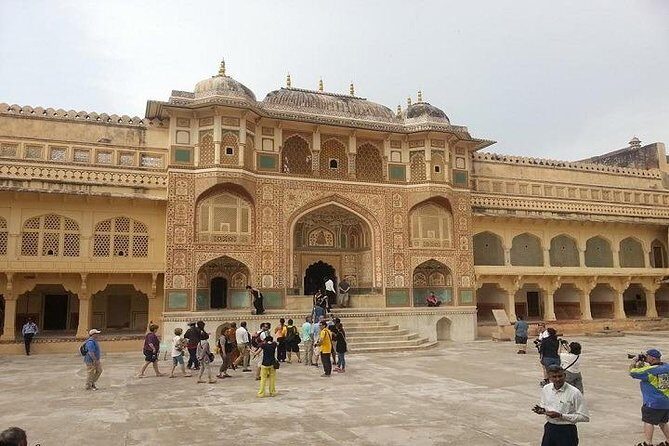
Jaipur and Amer Fort: palaces, bazaars, and views that make the drive worth it
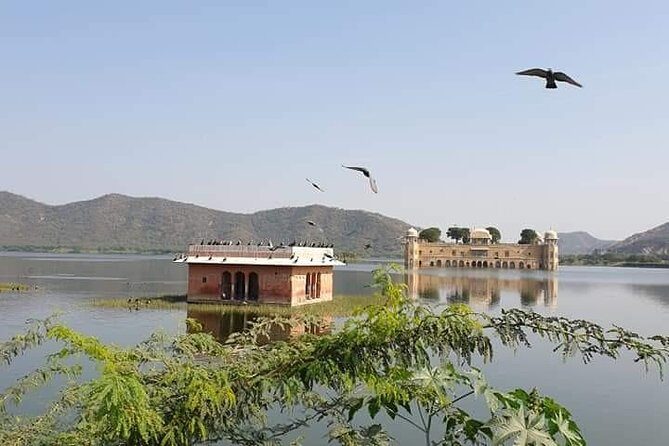
Jaipur is the day you’ll feel the whole “royal Rajasthan” vibe. You travel early from Delhi to your hotel, then later visit City Palace and the local market. If you’re curious, Chokhi Dhani is mentioned as dinner on your own cost—worth treating as optional rather than mandatory.
But Amer Fort is the headliner on multiple days. You’ll enjoy:
- Amer Fort in the morning (usually the best way to face crowds and heat)
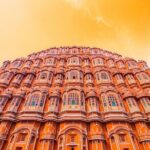
- Later photo stops in Jaipur such as Hawa Mahal and Jal Mahal
- A fuller lineup that includes Jantar Mantar, City Palace & Museum, plus evenings at Birla Temple and the local market
What makes Amer Fort special: the fort isn’t just a structure—it’s a stage. From above, you understand why these rulers chose height and walls. Even if you’re not a “fort person,” you’ll appreciate the layout and the way the city opens up below.
Practical note: you’ll be walking. Comfortable shoes matter more than you think.
Bikaner: Junagarh Fort and Karni Mata Temple
From Jaipur you head toward Bikaner, and the vibe changes from “showy pink city energy” to something more grounded and local.
Your Bikaner day includes:
- Junagarh Fort, noted for being built on plains (so it feels different from the hilltop giants)
- Karni Mata Temple (famous for its resident rats—this is one of those experiences you’ll either love or just tolerate with a wide smile)
- Local market time afterward
If you want Rajasthan that feels less curated, Bikaner is a good pick. The fort and temple combination also prevents the day from becoming too one-note.
Jaisalmer and Sam Dunes: Golden Fort mornings and desert safari evenings
Then comes the “Golden Fort” area. Jaisalmer is where Rajasthan starts looking like it belongs to its own planet.
You’ll visit:
- Jaisalmer Fort, described as one of the largest fortifications in the world
- Surya Gate (from the 12th century)
- Khaaba Fort, known for being slightly spooky and associated with the Paliwal Brahmins
- A desert safari in Sam with rolling sand dunes
This is a great sequence because you get the fort first (solid visuals, easier timing), then you shift to the desert for the classic Rajasthan memory-maker. Desert safari days can be long, and details like how much time you spend on the dunes vary, but the overall plan is built around the right rhythm.
If you’re sensitive to heat, plan your heavier walking earlier and save your energy for the fort views.
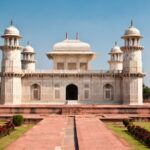


Jodhpur’s Mehrangarh and Jaswant Thada: marble, scale, and big-fort drama
From Jaisalmer you drive to Jodhpur, and your afternoon focuses on Rajasthan’s “wow factor” fort work.
You’ll see:
- Mehrangarh Fort, described as the best preserved fort of Rajasthan
- Jaswant Thada, a marble cenotaph often called the Taj Mahal of Rajasthan
What I like here is the pairing: a massive fort for the grand, then a marble memorial for the quiet details. It gives you a mental breather so you don’t feel like you’re just collecting castles all day.
Tip: bring water and keep a simple pace. Forts are deceptively tiring.
Udaipur: Lake Pichola boat ride plus City Palace crystal gallery
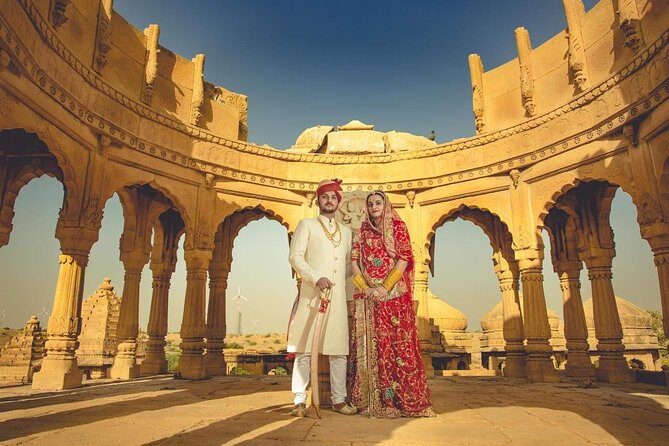
Udaipur is your “slow down and look around” day. On the way you stop at Ranakpur, then continue to Udaipur, a city described as the City of Lakes with that Venice-of-the-East comparison.
Your Udaipur highlights include:
- Boat ride on Lake Pichola in the evening
- Saheliyo ki Bari
- City Palace with the crystal gallery (this is one of those specific details that can make a visit feel more than generic)
- Jagdish Temple
- Garden of Maids (originally built for the queen’s attendants who came as wedding gifts)
Even if you don’t usually care about temples, Udaipur’s temples and palaces are tied into a visual setting. The city’s water and architecture work together.
Practical note: boat rides are often weather-dependent, so keep your expectations flexible. When it works, it’s one of the best “reward” moments of the trip.
Chittorgarh and the “scale day”: Pride of Rajasthan on a cliff hillock
Chittorgarh is a serious stop. You’ll drive in, check into your hotel, then visit the Chittorgarh Fort, described as a massive fort on a 180-meter high hillock covering about 700 acres.
You’ll also stop at:
- Gaumukh Reservoir, a deep tank fed by a spring coming from a cow mouth, considered sacred
- Mentions of Rana Kumbha as part of the fort’s historic layers
This is the day where the trip leans more “big picture.” Forts here feel like national monuments rather than just tourist sites.
If you’ve already done Amer, Mehrangarh, and Jaisalmer Fort earlier, Chittorgarh can feel like a repeat. But the scale and the cliff setting help it land differently.
Bundi and Kota: step wells, chhatri stops, and museum time in the afternoon
A lot of itineraries race through this region. Yours slows down enough to make it worthwhile.
On the way to Kota, you’ll visit Bundi, including:
- Braj Bhushan Ki Haveli
- Chaurasi Khambon Ki Chhatri
In Kota, you’ll tour:
- Maharao Madho Singh Museum
- Kota Government Museum, with collections of sculptures, rare coins, manuscripts, and Hadoti sculpture
This is where you’ll get relief from the constant fort climb. Museums also give you a chance to sit, cool down, and absorb what you’ve seen—so the next forts feel less random.
If you like architecture details, museums in Kota are a solid way to understand the region’s craft and culture beyond the dramatic stone exteriors.
Jaipur again, then Agra: Gaitore, Jal Mahal photos, Fatehpur Sikri, Buland Darwaza
Day 11 brings you back to Jaipur for a second round—this time with different sights.
You’ll see:
- Gaitore Cenotaphs (front view and photo stop)
- Jal Mahal (photo stop)
- City Palace & Museum
- Jantar Mantar
- Hawa Mahal (photo stop)
- Birla Temple and local market time
Then it’s on to Agra, with an excellent stop in between:
- Fatehpur Sikri, once Akbar’s capital
- Buland Darwaza, described as the largest gateway in the world
I like this routing because Fatehpur Sikri helps you transition from Rajput-era Rajasthan to Mughal-era Agra. It’s not just a “stopping for lunch” moment—it gives you historical continuity.
Taj Mahal morning and a night train to Varanasi: the trip’s sharpest turn
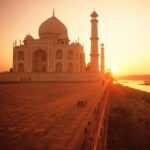
The next morning is built around the Taj Mahal, described as the world famous monument built by Emperor Shah Jahan for Mumtaz. You’ll also visit marble inlay making factories to see traditional workers making marble crafts.
Then in the evening, you’re dropped at the train station to travel overnight to Varanasi.
Two practical things to know:
- This is the emotional switch point. You go from polished symmetry at the Taj to the living texture of Varanasi.
- Overnight train travel can be comfortable or tiring depending on your train and sleeping setup. You’ll want to pack like it’s a long-haul day, not a nap.
This is also where value shows: that train transfer is included, and you’re not stuck trying to coordinate it yourself.
Varanasi nights and mornings: Ganga Aarti at the ghats
In Varanasi, you check into your hotel after pickup from the station/airport.
Then the tour gives you one of the most memorable experiences on the entire route:
- Ganga Aarti on the riverfront, with a glimpse of spiritual life at the Ganga ghats
- An optional boat during the Aarti, by your own cost
What I love about this segment is that it’s not “just watching.” You’re placed in the rhythm of the river. Even if you’re not religious, the energy is hard to ignore.
Go with patience. Varanasi is intense. That intensity is the point.
Sunrise boat on the Ganges plus temple circuit: Kashi Vishwanath and friends
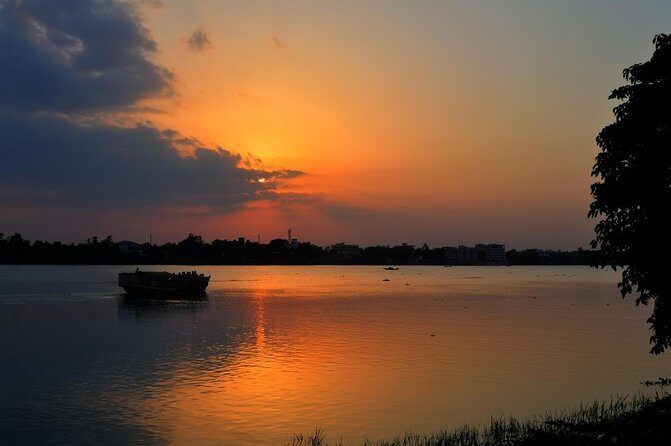
The next day starts early: you’ll take a boat ride on the Ganges, described as mystical and spiritual. You watch people offering water and devotees taking a holy dip, and you’ll visit famous ghats via boat.
After breakfast time, you’ll visit a temple cluster including:
- Kashi Vishwanath Temple
- Annapurna Temple
- Bharat Mata Temple
- Sankat Mochan (Hanuman Temple)
- Manas Mandir
Then later you head to Sarnath.
This is a lot of spiritual sightseeing in one day, so I recommend a simple strategy: don’t try to turn it into a checklist of every detail. Focus on the big moments—river boat, key temple stops, and the shift in atmosphere at Sarnath.
Sarnath: first sermon setting with stupa and museum stops
Sarnath is where the story of Buddhism connects to place. Your excursion includes:
- The idea that Buddha delivered his first sermon
- Buddha temples
- Dhamekha stupa
- Chaukhandi stupa
- Archaeological museum
This day works as a reset after Varanasi’s river intensity. Stupas and the museum slow your pace, and you can feel the historical layers in a calmer way.
If you’re tired, this is still manageable because Sarnath gives you a different kind of sightseeing: fewer crowded “rush” moments than the riverfront.
Final Delhi day: Akshardham and one last market stroll
On arrival back in Delhi, your vehicle picks you up and takes you to a hotel. After you relax, you’ll visit Akshardham Temple and the local market.
Then you’re dropped at the airport for your onward flight in the evening.
This final day is a nice way to end. You’re not scrambling through last-minute monuments—you’re getting a clean capstone and time to reset your feet for the trip home.
Who this Rajasthan with Varanasi tour is best for
This itinerary fits you if:
- You want a classic Delhi–Jaipur–Agra core but also want the desert and the quieter museum stops
- You like a mix of major sights and smaller, more specific places (Bikaner temple stop, Kota museums, the chhatri in Bundi)
- You prefer private, driven sightseeing rather than hopping between taxis all day
It might not fit you if:
- You hate early mornings. You’ll have early starts, especially for Amer and the Varanasi boat day.
- You want a lighter pace with lots of free time. This schedule is packed with planned stops most days.
Should you book this tour
If you want a guided, low-stress circuit that pairs Rajasthan’s forts and cities with Varanasi’s river spirituality, this tour is a strong choice. The best part for value is that it includes the hard parts: hotel stays, private car logistics, and train transfers. Add to that the focus on safe, professional driving (names like Dinesh, Ajay, Kumar, and Ajay Verma have come up in past feedback), and you’re likely to feel cared for day-to-day.
Before you book, do one simple thing: set aside budget for monument entrance and camera fees, and decide if you’ll pay for optional boat time during Ganga Aarti. If you plan around that, the rest is straightforward—and the payoff is huge.
FAQ
How long is the Rajasthan with Varanasi tour?
It’s about 16 days / 15 nights, running through Delhi, Rajasthan cities, Agra, and ending with Delhi.
What is the price per person?
The listed price is $1,790.00 per person.
Where does the tour start and end?
It starts with meet and greet on arrival at Delhi (railway station/airport) and ends back at the meeting point in Delhi.
What types of rooms are included?
The package includes accommodation for 14 nights / 15 days on a Deluxe Room basis.
Are transfers included throughout the trip?
Yes. The tour includes all transfers, excursions, and sightseeing by private AC car as per the itinerary, plus pickup/drop in Delhi and in Varanasi.
Do you travel by train during the trip?
Yes. Agra to Varanasi and Varanasi to Delhi are included by train.
Are meals included besides breakfast?
Only breakfast (14) is listed as included. Other meals are not included unless mentioned as your own cost (for example, Chokhi Dhani dinner).
Are monument entrance fees included?
No. Monument entrance and camera fees are not included.
What happens in Varanasi during the trip?
You’ll include Ganga Aarti, ghats sightseeing, and a boat ride on the Ganges (the boat during Aarti is optional by own cost). You’ll also visit major temples and go to Sarnath.
Is there free cancellation?
Yes, the policy states free cancellation up to 24 hours in advance for a full refund.