Street photos get smarter with context. This Rajasthan photography tour pairs Jodhpur pickup logistics with a cultural anthropologist-led approach, so you’re not just shooting pretty scenes—you’re learning how and why people live, work, and perform in Rajasthan. The plan can shift, but you’ll likely spend time with communities such as the Kalbelia, often known for snake-charming traditions, through respectful interaction, music, and dance.
Two things I really like about this experience: first, you get “photographic fixing” from Yusuf Khurram—meaning he helps arrange access and guide your process, not just drop you on a street corner. Second, it’s a private setup (just your group up to 2), so the day can flex around your interests, from documentary-style shooting to more casual portrait work and video. One thing to consider: monument entrance fees and any site tickets are not included, and the exact itinerary details are worth confirming in advance so you get the mix you want.
In This Review
- Key Highlights You’ll Notice Right Away
- How the Photographer-Fixer Model Works (And Why You Should Care)
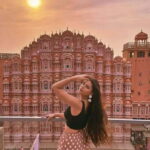
- Your Jaipur Day: 7:00 AM Start and Street Photography Around Town
- When Culture Conversations Become Photo Opportunities
- What Kind of Shooting Guidance You Can Expect
- Meals and Refueling: Lunch Is Confirmed, Dinner Needs a Quick Check
- Price and Value: What You’re Really Paying For
- Who This Tour Fits Best (And Who Might Want Something Else)
- Practical Tips Before You Go (So Your Photos Improve)
- Should You Book This Rajasthan Photography Tour?
- FAQ
- What time does the tour start?
- How long is the tour?
- Is the tour private?
- Do I get pickup or transportation?
- What’s included in the cost?
- Are entrance fees included for monuments or properties?
- Is there a mobile ticket?
- Does the guide have a cultural/anthropology background?
- What’s the cancellation policy?
- Is the meeting point near public transportation?
Key Highlights You’ll Notice Right Away
- Photographic fixing with an ethnographic filmmaker mindset for both pros and first-timers
- Respect-first cultural access with guided interaction and context through an anthropologist
- Private, flexible pace for your questions, your gear, and your filming style
- Street photography focus around Jaipur with timing and location choices discussed beforehand
- Transport support in an air-conditioned vehicle plus bottled water and coffee/tea
How the Photographer-Fixer Model Works (And Why You Should Care)
This tour isn’t sold as a basic sightseeing walk. It’s built around a different idea: the best photos often require relationships, context, and permission—not luck.
Yusuf Khurram’s background is right there in how the tour is described. He’s an ethnographic documentary filmmaker and culture educator, and he coordinates social and visual anthropology research projects in Rajasthan. That matters because he can read the social room you’re entering. When you’re photographing people, the “how” is just as important as the “what.” He’s set up to handle pre-shoot conversations and then support the actual shooting—so you’re not stuck figuring things out on the fly.
If you’re a professional, this kind of fixer role can save you time and improve your results. If you’re not, it can help you feel confident. Either way, you’ll get more than random street scenes—you’ll get a framework for approaching subjects ethically and effectively.
You can also read our reviews of more photography tours in Jaipur

Your Jaipur Day: 7:00 AM Start and Street Photography Around Town
The tour starts at 7:00 am, which is a practical gift in Jaipur. Morning light tends to be kinder for photography, and the streets are often easier to work when you’re planning shots and positioning your camera.
The itinerary is described as a street photography tour in the surroundings of Jaipur, with timing and specific locations discussed in advance. That’s important: you can treat the day like a flexible photo assignment rather than a rigid checklist. If you tell Yusuf what you shoot—portraits, city life, market textures, architecture details, documentary-style sequences—he can shape the route around it.
Because it’s private, you can also plan for your own pace:
- If you need time to swap lenses, check focus, or reposition, you can slow down.
- If your style is more “walk and catch moments,” you can keep moving.
- If you’re filming, you’ll likely get help managing angles and timing so you’re not constantly interrupting the flow of people around you.
One more practical note: the included items list mentions lunch and bottled water, coffee/tea, and an air-conditioned vehicle. So you’re not paying all day just to keep hydrated and fueled.
When Culture Conversations Become Photo Opportunities
The most distinctive part of this tour is the cultural study layer. The tour is framed around nomadic people who live in Rajasthan’s Thar Desert, with likely time spent with Kalbelia people in a remote village setting. The emphasis is on respectful interaction—learning through conversation, music, and dance rather than treating the day like a performance you watch from the outside.
This is where Yusuf’s “anthropologist + fixer” role really changes the experience. Instead of just pointing your camera, he helps you understand what you’re seeing:
- What daily life looks like
- How cultural traditions show up in movement, sound, and community rhythm
- What to ask, and how to ask it
In at least one documented experience, Yusuf arranged a stay with a Kalbeliya family and supported a learning-focused cultural goal (learning Kalbeliya dancing). That’s a good signal of what this approach can feel like: not a quick stop, but time that lets you connect and photograph with care.
Also, the itinerary can change. So if you’re hoping for a specific type of cultural encounter, don’t rely on guesses—talk it through before the day starts. The tour explicitly advises you to discuss the itinerary in advance based on your choices.
What Kind of Shooting Guidance You Can Expect
This is a photography and documentary-focused day, so it’s worth understanding what “photographic fixing” likely means in practice. From past experiences with Yusuf, the support includes:
- Help arranging transport and local support to make shoots happen
- Support with pre-photography interviews
- Assistance during the actual shoots
That’s a big deal if you’re trying to produce more than travel snapshots. Interviews and context help you frame stories, not just faces. Even if you’re not doing a formal documentary project, you’ll probably notice the difference in how you compose and how you talk to people.
If you’re a video person, you’ll also care about this. Film-making gets harder when you’re constantly asking where to go next or trying to get permission while the moment is slipping away. The structure here is designed to reduce that stress and help you keep your momentum.
And because it’s private and flexible, you can ask questions in real time. One past experience highlighted that Yusuf explains answers as you go, which is exactly what you want when you’re trying to understand what you’re filming.
Meals and Refueling: Lunch Is Confirmed, Dinner Needs a Quick Check
Food can make or break a long photo day, so I’m glad the essentials are included. The included details confirm:
- Lunch
- Bottled water
- Coffee and/or tea
- Air-conditioned vehicle
The overview also mentions lunch and dinner included, but the specific included section lists lunch. To keep this stress-free, I’d simply confirm dinner inclusion when you book. If dinner is included, you’ll be grateful—because shooting days can run long, and you don’t want to start improvising late in the day.
Either way, you should plan your energy for a long start at 7:00 am. Bring a hat and stay hydrated, even with bottled water on board.

Price and Value: What You’re Really Paying For
The price is listed as $107.84 per group (up to 2). For many visitors, that sounds low or reasonable until you remember what’s actually being arranged.
You’re paying for:
- A private day with a guide who’s also an educator and documentary filmmaker
- A cultural anthropologist-led approach
- Transport in an air-conditioned vehicle
- Bottled water plus coffee/tea and lunch
- The “fixer” work: access, introductions, and help positioning your camera or filming plan
Entrance fees are not included, including government and private monument properties. So your final spend can rise if the route includes paid sites. Still, the core value—time with a specialist and the ability to get better shots with less friction—tends to be what makes days like this worthwhile.
If you’re traveling with one other person, the per-group pricing is also a practical win. Two cameras, one plan, and you can split time between stills and video without losing momentum.
Who This Tour Fits Best (And Who Might Want Something Else)
This is a strong match if you’re one of these:
- A photographer or videographer who wants more than a route—someone to help you find access and meaning
- A documentary film maker, photo journalist, or culture-focused creator
- A curious non-professional who wants to learn how to approach people respectfully and photograph confidently
- Anyone who likes private guiding and wants a plan that can shift when your questions come up
It may be less ideal if you only want a classic monument checklist with fixed stops and guaranteed paid entrances. Since the itinerary details are discussed in advance and the culture component may shape the day, you’ll want flexibility in your schedule and expectations.
The tour also notes moderate physical fitness. That doesn’t mean hiking Everest, but you should be comfortable with being on your feet for a long morning of street work and transfers.
Practical Tips Before You Go (So Your Photos Improve)
Here are the few things that will make the biggest difference, based on how this kind of tour is designed:
- Talk your photo goals through in advance. The experience specifically recommends discussing the itinerary based on your choices. Bring a short list: the subjects you want, the style you shoot, and whether you’re doing stills, video, or both.
- Plan for entry fees. If monuments or private properties are part of your chosen route, you’ll pay those separately.
- Use the private format to ask better questions. One past experience notes that Yusuf explains answers. Take advantage of that: ask what you should notice and what you should be careful about when photographing people.
- Arrive ready for an early start. A 7:00 am meeting time means no late-night scrambling the day before.
Also, if you’re coming from Jodhpur, the tour notes daily transfers from your Jodhpur hotel are provided. If you’re not staying there, confirm pickup details and starting point before you go so there are no surprises.
Should You Book This Rajasthan Photography Tour?
If you want Jaipur photos with real human context—and you’re open to a guided, relationship-based approach—this is the kind of day that can change how you shoot. You’re not just buying transport and a camera-friendly route. You’re buying a skilled fixer and educator in one person, with a long track record working with gypsy nomadic and pastoral communities in Rajasthan.
I’d especially recommend booking if:
- you want assistance with interviews or access for photographing people,
- you’re working on documentary-style work, or
- you’d rather ask questions and learn as you go than follow a pre-made script.
Skip it (or consider another option) if your priority is only a standard monument sweep with fixed paid sites and you don’t want any itinerary movement around cultural study.
FAQ
What time does the tour start?
The start time is 7:00 am.
How long is the tour?
It runs about 9 hours (approx.). The street photography portion is described as 6 or 9 hours depending on timing and locations discussed in advance.
Is the tour private?
Yes. It’s a private tour/activity, and only your group will participate (up to 2).
Do I get pickup or transportation?
Pickup is offered, and an air-conditioned vehicle is included. The experience also notes transfers from your Jodhpur hotel are provided.
What’s included in the cost?
Included items are an air-conditioned vehicle, bottled water, coffee and/or tea, and lunch.
Are entrance fees included for monuments or properties?
No. Entrance fees for monuments and government/private properties are not included.
Is there a mobile ticket?
Yes, a mobile ticket is provided.
Does the guide have a cultural/anthropology background?
Yes. Yusuf Khurram is described as an ethnographic documentary filmmaker and culture educator, with specialization in gypsy nomadic tribal and pastoral communities of Rajasthan.
What’s the cancellation policy?
You can cancel for free up to 24 hours in advance for a full refund.
Is the meeting point near public transportation?
Yes, the meeting point is near public transportation.