REVIEW · AURANGABAD
Overnight Ajanta Ellora From Aurangabad Tour
Book on Viator →Operated by TOP TRAVEL AND TOURS PVT LTD. · Bookable on Viator
Ajanta and Ellora in two packed days. I love how this trip gives you Ajanta and Ellora in one tight loop of Buddhist art, Hindu temples, and Jain caves, and I also like the English-speaking guide who helps you make sense of what you’re seeing. The one real heads-up is the drive to Ajanta—roads can be rough, so don’t plan to feel like you’re on a smooth highway.
You’ll start each day with pickup from Aurangabad city hotels, then ride in an air-conditioned private vehicle just for your group. In the recent experiences I’ve seen, the planning and on-the-ground attitude really mattered, and the guide Mr. Anuj shows up as a common reason people felt the trip ran smoothly and on time.
Another reason this tour feels good is the small, practical touches: you get included rickshaw rides at the caves plus water bottles during the day. It’s still a short schedule, though, so you’ll want to pace yourself once you’re inside the sites.
In This Review
- Key highlights worth your attention
- Ajanta and Ellora in 2 days: why this route makes sense
- Price and value: what $253 per person really covers
- Day 1: Ajanta Caves, pickup, and what to expect inside
- Ajanta tip that saves frustration
- Overnight in Aurangabad: keep it simple, keep it early
- Day 2: Ellora Caves and the one-complex religious mix
- A good way to see Ellora without feeling lost
- Daulatabad Fort: the history break with real physical payoff
- Shri Grishneshwar Jyotirlinga: one of the 12 Jyotirlingas
- Bibi Ka Maqbara: the Deccan mausoleum comparison
- Panchakki (Water Mill): a working-history stop
- Transport and comfort: private vehicle details that matter
- Practical tips before you go (so the day flows)
- Should you book this overnight Ajanta Ellora from Aurangabad tour?
- FAQ
- How long is the Ajanta and Ellora overnight tour from Aurangabad?
- Where does pickup happen?
- Is monument entrance included in the price?
- Are rickshaw rides included?
- Is accommodation included?
- What meals are included?
- Is there a free entry stop on the itinerary?
- What kind of guide do you get?
- Is this tour private or shared?
- Can I cancel for a full refund?
Key highlights worth your attention
- Rickshaw rides at Ajanta and Ellora make the cave complexes easier to handle on foot
- A private AC vehicle with Aurangabad hotel pickup saves time and hassle
- Three religions in one cave world at Ellora (Hindu, Buddhist, Jain)
- Daulatabad Fort for contrast: military hilltop views between temple stops
- Shri Grishneshwar Jyotirlinga is free on the included stop list
- Panchakki Water Mill adds a working-historical stop beyond the big caves
Ajanta and Ellora in 2 days: why this route makes sense
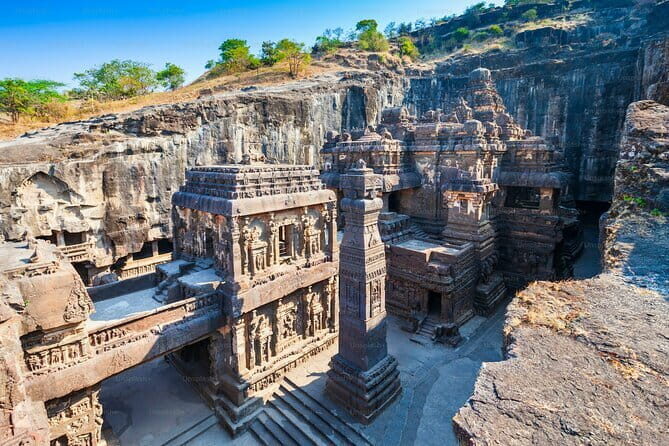
Ajanta and Ellora are both UNESCO World Heritage sites, but they feel like two different kinds of time travel. Ajanta focuses on Buddhist rock-cut caves with murals and sculpture details that reward slow looking. Ellora shifts into a whole religious mix, with caves carved across centuries that cover Hindu, Buddhist, and Jain traditions in one huge complex.
Doing both in an overnight format works because you’re not spending half your trip on logistics. You start from Aurangabad, see Ajanta on Day 1, sleep in Aurangabad (at your own accommodation), then hit Ellora on Day 2 before finishing with several Aurangabad-area sights. If you like a plan that’s structured but still lets you linger, this style fits well.
You can also read our reviews of more tours and experiences in Aurangabad.
Price and value: what $253 per person really covers
At $253 per person for roughly two days, the “value” depends on one big detail: monument entrance fees are not included. That means you’ll still need to budget for cave/monument tickets directly at the sites, plus possible camera fees.
What you do get for the price is the stuff that usually costs time and energy when you travel independently:
- Private air-conditioned transport for your group
- Pickup and drop from Aurangabad city hotels
- An experienced English-speaking guide
- Rickshaw rides at Ajanta and Ellora
- Two mineral water bottles (500 ml) per person per day
- All applicable taxes
For most people, private transport plus a guide is where you feel the money was spent. Ajanta and Ellora aren’t just “one stop each”—they’re big, spread-out cave systems where having context helps you understand what you’re looking at, instead of walking through them like a checklist.
Day 1: Ajanta Caves, pickup, and what to expect inside
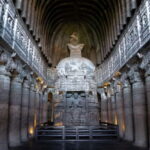
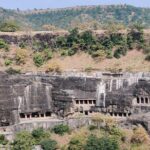
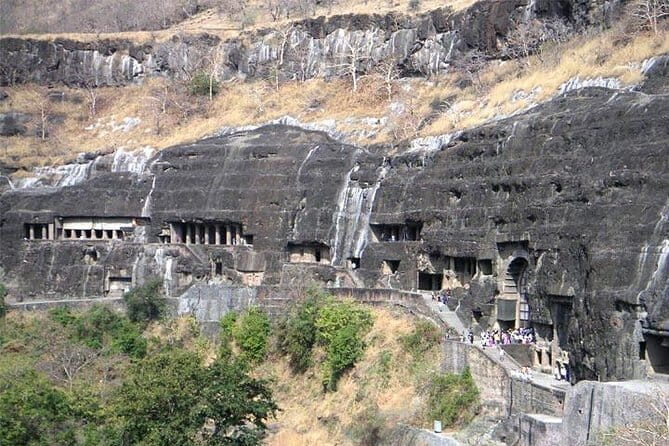
Your Day 1 starts with pickup from Aurangabad city hotels. Then it’s the drive to Ajanta Caves—a set of about 30 rock-cut Buddhist caves known for murals, intricate carvings, and detailed sculptures.
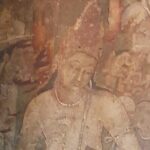
Ajanta is the kind of place where you’ll notice more if you go in with a guide’s pacing. The murals aren’t just decoration; they’re part of the storytelling tradition tied to Buddhist religious life. The stone carving details also reward close attention—faces, clothing folds, and layered designs all show up more clearly when you’re not rushing.
A practical note: the trip’s own pace assumes you’re comfortable with travel time and uneven cave conditions. And since you’ll be transferring from the vehicle to cave areas and walking inside, wear shoes you trust.
Also note the logistics: there’s an included rickshaw ride at Ajanta, which helps you conserve energy for the cave walk. Admission is on your direct purchase at the monument.
Ajanta tip that saves frustration
Plan to arrive mentally ready to look more than you photograph. Even with a guide, the best experience comes from pausing in the most interesting sections and letting the art details register.
Overnight in Aurangabad: keep it simple, keep it early
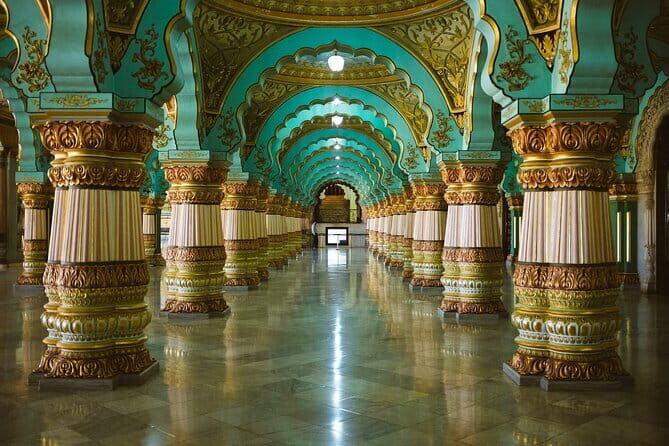
This tour uses your overnight stay in Aurangabad at your own accommodation. That’s a good fit if you want flexibility on hotel style and location, but it also means you should treat the night as part of the plan—not an afterthought.
Two things help:
- Get a good night of sleep so you’re not dragging through the second-day cave complex.
- Be ready for a morning start. Ellora is the bigger “multiple faiths” stop, and you’ll want your energy for the walk-through.
If you need help choosing lodging, the experience can be customized and hotel accommodation is available as an extra cost on direct basis, but it’s not included in the base price.

Day 2: Ellora Caves and the one-complex religious mix
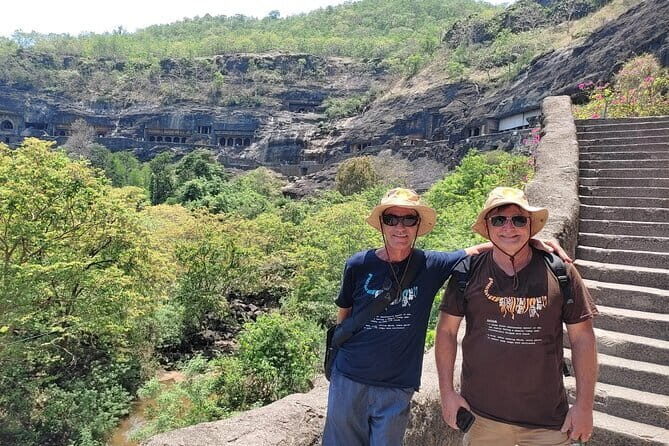
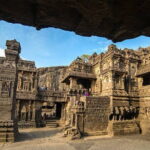
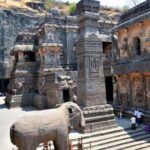
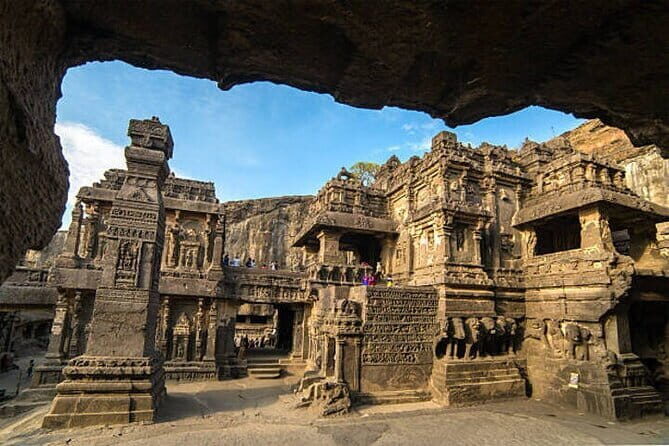
Day 2 starts with a morning drive to Ellora Caves (about an hour by car). Ellora is a complex of 34 rock-cut temples and monasteries carved between the 6th and 10th centuries CE, and it’s famous for showing three religions in one place: Hinduism, Buddhism, and Jainism.
Ellora feels different from Ajanta because it’s more varied in architecture and purpose. You’re not only seeing cave art—you’re also seeing how major religious traditions expressed themselves in stone across time. The result is a “choose your route” feel: you can focus on the sections that match what interests you most.
You also get an included rickshaw ride here, which matters because the cave complex covers enough ground that walking everything without help would be tiring.
Admission fees apply directly at the monument, so bring budget for entrance and any camera charges.
A good way to see Ellora without feeling lost
Ask your guide to point out the big “religion markers” as you move. Once you understand which cave cluster belongs to which tradition, the whole complex becomes easier to follow.
Daulatabad Fort: the history break with real physical payoff
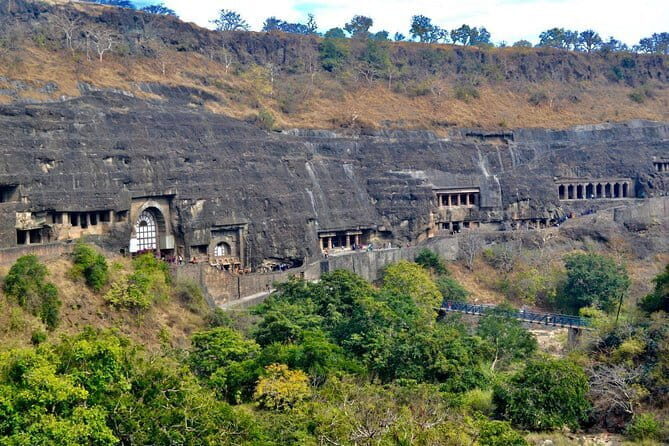
After Ellora, the tour adds Daulatabad Fort, a 12th-century hilltop fortress near Aurangabad. It’s known for strategic defenses—steep slopes, moats, and narrow passageways.
This stop is valuable because it breaks up the cave-heavy Day 2. You’ll shift from sacred stone interiors to a defensive landscape where planning and engineering matter. It’s also a place where the views (and the sense of elevation) help you understand why the fort mattered.
Time is short on this day, so the fort works best if you treat it as a “see what remains and imagine the fortifications” stop rather than a long slow museum visit.
Admission is not included, so plan to pay on the spot if the fort charges at entry.
Shri Grishneshwar Jyotirlinga: one of the 12 Jyotirlingas
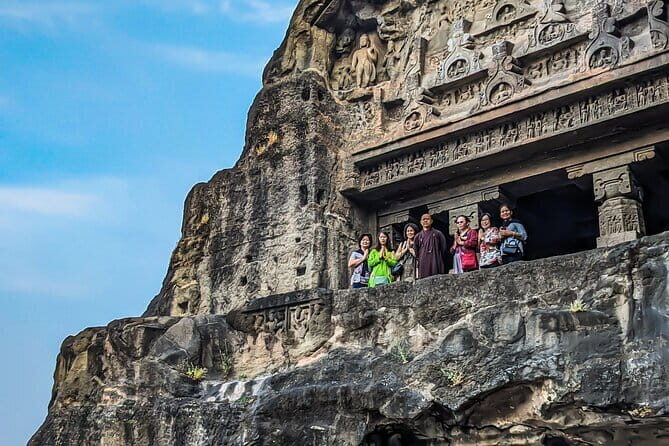
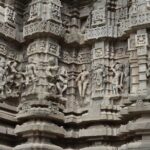
Next comes Shri Grishneshwar Jyotirlinga, an 18th-century Shiva temple and one of the 12 Jyotirlingas. It’s known for intricate carvings and spiritual significance.
This stop can be a nice reset. After cave architecture and a fort’s defensive design, you’re back to a working temple environment. If you’re into stonework, you’ll likely enjoy how the carvings are integrated into the temple details.
On this tour, admission for this stop is listed as free, which is one of the small value boosters in the Day 2 plan.
Bibi Ka Maqbara: the Deccan mausoleum comparison
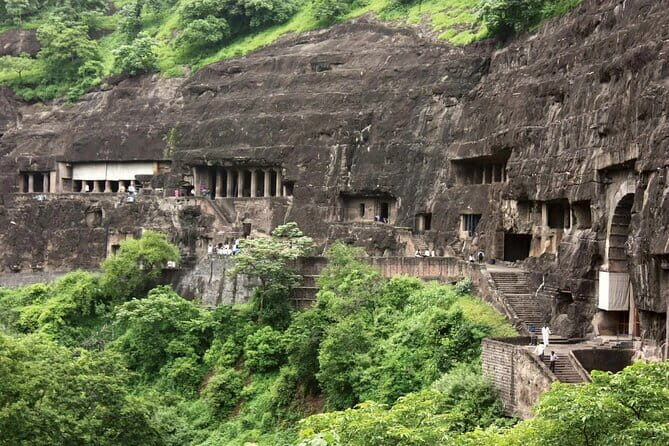
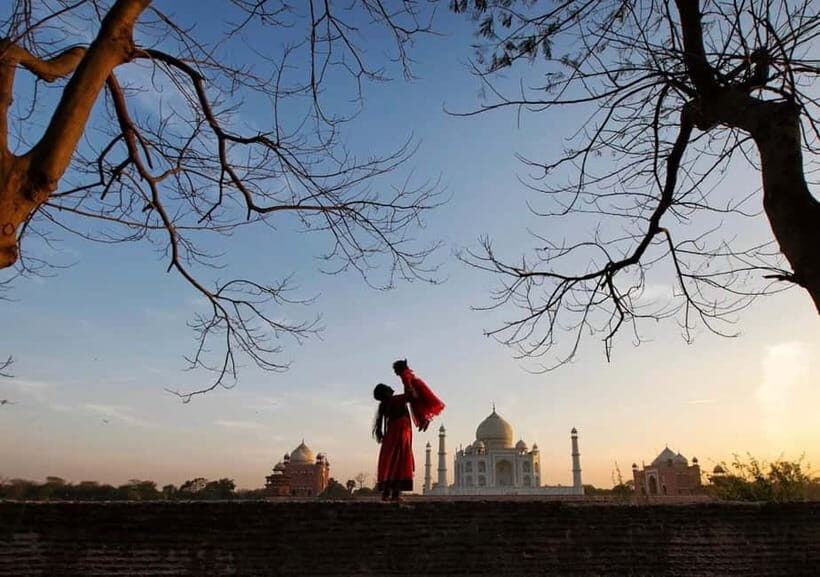
Bibi Ka Maqbara is a 17th-century mausoleum built by Aurangzeb’s son, Azam Shah, dedicated to his mother, Dilras Banu Begum. It’s often referred to as the Taj of the Deccan because of its resemblance to the Taj Mahal.
This is a good stop if you want something more than caves and forts. Mausoleums give you a different kind of architectural storytelling—symmetry, monument scale, and the way design signals respect and memory.
Again, admission is not included in the tour price, so you’ll pay directly at the monument.
Panchakki (Water Mill): a working-history stop
To close out the sightseeing loop, the tour includes Panchakki, a historic water mill built in the 17th century. What makes it interesting is its water management system—designed to serve as a vital source of water for the nearby shrine and community.
This stop is worth your attention because it doesn’t rely on legend. It highlights practical engineering. Even if you don’t spend a long time here, it adds variety to the story of the region—religion isn’t only about temples and carvings; it also depends on the systems that keep places alive.
Admission is not included.
Transport and comfort: private vehicle details that matter
This is a private tour, meaning only your group participates. You ride in an air-conditioned vehicle appropriate for your group size:
- 1–2 people: 4-seater sedan
- 3–4 people: 5-seater Innova
- 5–8 people: 9-seater Traveler
That matters because with cave sites, every time you transfer between stops you lose energy. A vehicle that matches your group size helps keep the trip comfortable.
You’ll also get pickup and drop from Aurangabad city hotels. If you’re staying outside the city hotel zone or starting from the railway station or airport, there may be extra cost on direct basis.
There’s a moderate physical fitness requirement. That doesn’t mean you need to be an athlete, but you should be ready for walking and uneven cave-site surfaces.
Practical tips before you go (so the day flows)
A short, packed UNESCO trip is fun—but only if you’re prepared. Here are the practical things that fit this exact schedule:
- Expect to pay monument entrance fees directly at stops like Ajanta, Ellora, Daulatabad Fort, and Bibi Ka Maqbara.
- Bring a bit of buffer for camera fees at monuments, since those aren’t included.
- Wear supportive shoes for cave floors and walking between points. This is especially important on Day 2 after Ellora.
- Since meals aren’t included (lunch is only available as an extra option), plan how you’ll handle eating around the cave timings.
- Bring a phone charger/power bank if you rely on your device for photos and notes, since personal expenses aren’t included.
If you want the trip to feel effortless, keep your questions ready for your guide. A good guide helps you see the art and architecture, not just the stone.
Should you book this overnight Ajanta Ellora from Aurangabad tour?
If your goal is to see Ajanta and Ellora without wrestling with transport schedules, this tour is a strong choice. The private AC vehicle, included rickshaw rides, and a competent English-speaking guide make a big difference on two long cave days.
I’d skip it—or at least rethink it—if you dislike paying entrance fees at multiple stops and prefer fully planned, ticket-included packages. Also, if you’re very sensitive to road conditions, mentally prepare for the drive into Ajanta. The rest of the route is mostly straightforward, with a good mix of caves, fort, temples, and a historical water mill.
If you want a compact itinerary that hits the big UNESCO names from Aurangabad and still gives you variety on Day 2, this is the kind of trip that makes sense.
FAQ
How long is the Ajanta and Ellora overnight tour from Aurangabad?
It runs for about 2 days (with Day 1 visiting Ajanta and Day 2 visiting Ellora plus several additional stops).
Where does pickup happen?
Pickup and drop are from Aurangabad city hotels.
Is monument entrance included in the price?
No. Monument entrance fees are not included and are paid directly at each site.
Are rickshaw rides included?
Yes. Rickshaw rides at Ajanta and Ellora are included.
Is accommodation included?
No. Any accommodation and meals are extra. You stay overnight at your own accommodation in Aurangabad.
What meals are included?
No meals are included. Lunch is available as an extra option.
Is there a free entry stop on the itinerary?
Yes. Shri Grishneshwar Jyotirlinga is listed with admission free.
What kind of guide do you get?
You get a professional and experienced English-speaking guide.
Is this tour private or shared?
This is a private tour/activity, and only your group participates.
Can I cancel for a full refund?
Yes. You can cancel up to 24 hours in advance for a full refund.