REVIEW · NEW DELHI
Old Delhi Heritage and Street Food Walk with a Local
Book on Viator →Operated by Akshay Jain · Bookable on Viator
Some cities teach you history. Old Delhi does it while you walk. You’ll move through Chandni Chowk’s tight lanes with history layered in real buildings and street life in your nose and ears. I like that it’s anchored by major landmarks like Red Fort and Jama Masjid, then made personal through the guide’s childhood memories.
My other favorite part is the way the stops connect faiths and empires side by side, from Mughal-era power to Sikh and Jain stories, all without turning into a lecture. One thing to consider: it’s a walking tour through narrow areas, so if you’re sensitive to crowds, sun, or lots of on-foot time, you may want to plan for slower breaks.
In This Review
- Key highlights you’ll feel fast
- History you can taste in Old Delhi’s lanes
- Starting at Shri Digambar Jain Atishay Kshetra Lal Mandir, across from Red Fort
- Red Fort’s next door neighbor: Sri Digambar Jain Lal Mandir
- Begum Samru’s Palace: a commander story hiding in plain sight
- Gurudwara Sis Ganj Sahib: where Mughal power meets Sikh martyrdom
- A church on Chandni Chowk’s edge: Central Baptist Church and the 1857 shock
- Ending at Jama Masjid: peaceful courtyard energy and possible minaret views
- The street food side: how the tour feeds all five senses
- Price and value: is $28.80 a fair deal?
- Who this Old Delhi walk is for (and who should rethink it)
- Tips to make the experience smoother in tight lanes
- Book it or pass: my take
- FAQ
- FAQ
- How long is the walk?
- What does it cost?
- Where does the tour start and end?
- Is there a mobile ticket?
- Do I need to buy admission tickets?
- How big is the group?
- Can I cancel for a full refund?
- Do most people find it manageable?
Key highlights you’ll feel fast
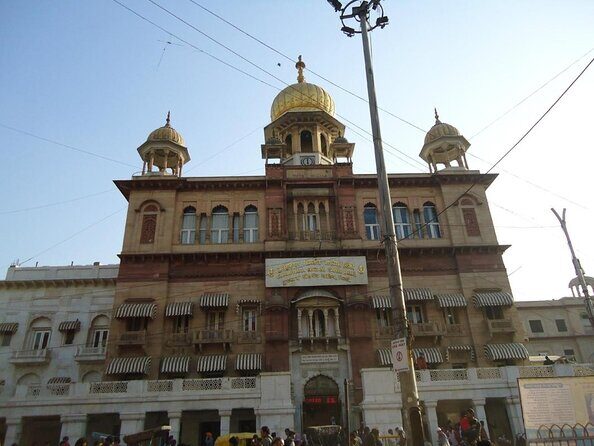
- Small group size (max 12) keeps the pace human in tight Old Delhi streets
- Air-and-scent street food fits naturally between monuments, not as an afterthought
- Akshay Jain’s storytelling ties the Mughal, British, and local layers together with personal details
- Free entry at several stops means you spend less time worrying about tickets
- Optional minaret climb at Jama Masjid for the Old City view, if you’re game
History you can taste in Old Delhi’s lanes
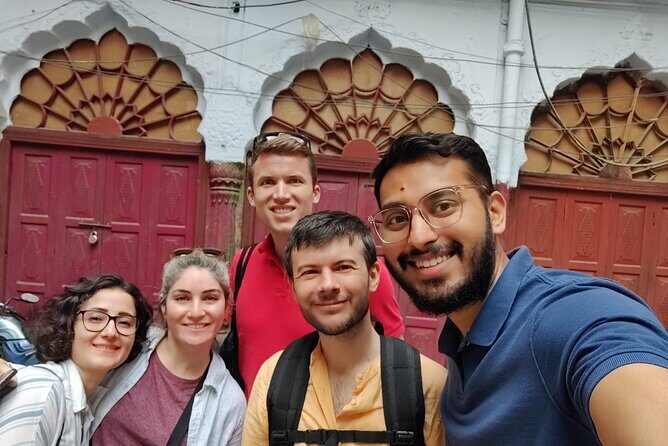
Old Delhi has a way of making time feel close. One minute you’re staring at stone ramparts; the next you’re following a local rhythm toward food stalls and quiet temple corners. This walk is built for that feeling, linking heritage sites with the syncretic culture of Delhi—where different faiths, rulers, and communities overlap in the same neighborhood.
The format helps. It’s about 2 hours 30 minutes on foot, with a guide who knows how to keep the flow. There’s no heavy museum pacing here. Instead, you get to see landmarks, understand why they matter, and then carry the meaning into the street life around them.
The story thread runs from the Mughal court era to later British rule, with Sikh and Jain history woven in along the way. It’s also personal. The guide grew up in Chandni Chowk and brings those childhood memories into the way he talks about the city’s sights and tastes.
You can also read our reviews of more walking tours in New Delhi



Starting at Shri Digambar Jain Atishay Kshetra Lal Mandir, across from Red Fort
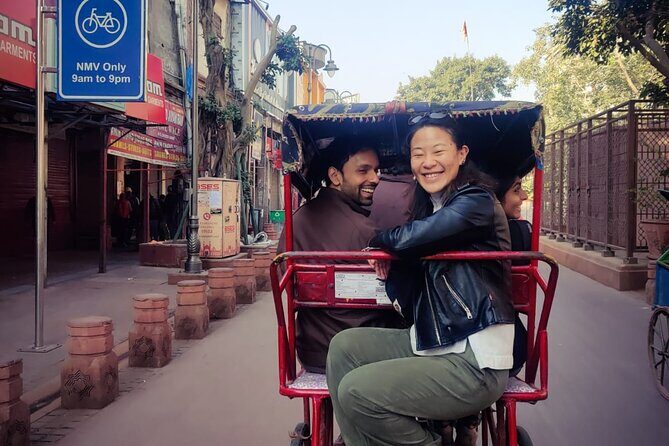
You begin at Shri Digambar Jain Atishay Kshetra Lal Mandir on Netaji Subhash Marg, opposite the Red Fort area. That setting is smart because it puts you in the view corridor of the Red Fort ramparts right away, so you can “see” the geography before you get the history.
From there, you hear the story of Shah Jahan. He’s known for moving his capital to Delhi and later for building the Taj Mahal—yet he also built this fort in 1648, turning Delhi into a Mughal power center. The walk starts with that big-picture anchor so the later religious and political stops won’t feel random.
Practical note: the Red Fort admission ticket isn’t included. You’re still getting the introduction and context from the start point, but if you want to go inside, you should expect to pay the entry fee separately.
Red Fort’s next door neighbor: Sri Digambar Jain Lal Mandir
Right after the Red Fort area, you stop at Sri Digambar Jain Lal Mandir, where the guide explains why a Jain temple sits beside a Mughal fort. The key idea is the city’s layering. Delhi didn’t operate in separate boxes, and this temple’s presence is one of the ways you can feel that.
This stop also works because it’s not only architectural. As a Jain, the guide shares stories from his upbringing and adds facts about Jainism as a way of life and religion. That matters because it keeps the tour from treating faith as scenery. You get more context on how people lived and what ideas shaped their daily choices.
Admission is free here, and the stop runs about 10 minutes. That makes it a good pause: you get meaning fast without losing too much time before moving back into the street flow.
Begum Samru’s Palace: a commander story hiding in plain sight
Then you shift to a very different kind of power. At Begum Samru’s Palace, you hear how Begum Samru rose from nautch girl to mercenary warrior, eventually becoming a ruler near Delhi and acting as a diplomat in the Mughal court. Yes, a woman held influence in Northern India in the 18th century—and this mansion is part of how that power left a physical imprint.
The tour’s value at this stop is perspective. It nudges you to look beyond the usual male-centered imperial timeline. Even if you’ve read about the Mughal era before, a figure like Begum Samru changes what you notice in the city. You start asking: Who had agency? Who negotiated? Whose story survived in buildings?
Admission is listed as free, and the stop is about 15 minutes. It’s just enough time to understand why the mansion exists and why her story belongs in a walk that also covers empires, faiths, and changing rule.
Gurudwara Sis Ganj Sahib: where Mughal power meets Sikh martyrdom
Next comes Gurudwara Sis Ganj Sahib, and this is where the tour turns emotional. You hear the question that anchors the history: who succeeded Shah Jahan after he shifted his capital to Delhi? Then the story connects that political shift to a Sikh guru who was executed here along with his followers.
The guide frames this as the beginning of the Mughal Empire’s decline. That’s a broad historical claim, but within the walking format it lands well because you’re standing at a place tied to that turning point. It also helps explain why Old Delhi’s religious buildings feel more than decorative. They’re tied to real conflict, sacrifice, and community memory.
This stop is about 10 minutes, and entry is free. It’s also a good moment to slow down, look around, and let the story settle before you move back into the street noise.
You can also read our reviews of more food & drink experiences in New Delhi





A church on Chandni Chowk’s edge: Central Baptist Church and the 1857 shock
From Mughal and Sikh stories, you move to a place that represents the next political shift. At Central Baptist Church, Chandni Chowk, the guide talks about the East India Company rising as the Mughals declined and gaining political power in India.
Then you hit the year 1857, described as a shock to the foundations of this period. The account emphasizes India’s first war of independence, followed by the Company’s triumph and the move toward British colony status under Queen Victoria.
This stop is only 10 minutes, and entry is free, but the payoff is big. In a single walk, you watch how power changes hands—along with the institutions that come with it. If you usually think of Old Delhi history as Mughal-only, this is the corrective.
It also balances the day’s tone. You’ve had grand stone and religious martyrdom. Now you see how colonial-era influence left its mark in a neighborhood already crowded with older stories.
Ending at Jama Masjid: peaceful courtyard energy and possible minaret views
The walk ends at Jama Masjid near the metro station area. After moving through tight lanes and major landmarks, reaching Jama Masjid feels like a reset. It’s described as splendid and peaceful, and you get about 30 minutes there to absorb it at your own speed.
This is also the stop where you can choose to be more adventurous. If you want the big view of Old Delhi, you can climb the minarets. That option is listed as available, so if panoramic photos and city geometry are your thing, this is your window.
Admission for Jama Masjid is not included, so plan to pay for access if climbing or entering paid areas is part of your plans. The good news is that even without extras, Jama Masjid still works as a strong conclusion because it’s a major spiritual and architectural centerpiece.
The street food side: how the tour feeds all five senses

This is a heritage walk, but it’s also a street food experience in the way Old Delhi does best: food isn’t stuck on a separate schedule. The sights and stories set your appetite, and the guide’s route keeps you near the action long enough to taste what the neighborhood is known for.
One detail that stands out from the experience: the guide includes familiar favorites like malai sandwiches as well as cultural references that make food feel tied to place. You don’t just eat; you learn what the neighborhood associates with comfort and routine.
What should you expect practically? You’ll be sampling street-style bites while moving between stops. That means you’ll want to pace yourself. Old Delhi can move fast, so I’d treat the food part like a guided snack session, not a full meal replacement unless you have a big appetite and an iron stomach.
Also, the sensory load is real. You’ll experience sounds and smells while you learn. If you’re worried about feeling overwhelmed, slow down during photo stops and take short water breaks. The walk’s structure gives you those little pauses between monuments.
Price and value: is $28.80 a fair deal?
At $28.80 per person for about 2.5 hours, the value comes from two things: access to context and a guide who can connect it all.
You’re not just getting “see this, then that.” You’re getting stories about Shah Jahan’s fort-building decisions, why a Jain temple sits beside a Mughal fort, how Begum Samru rose into power, why Gurudwara Sis Ganj Sahib matters, and how East India Company rule reshaped the political world. That’s a lot of meaning for the time.
On top of that, several stops are free entry. Only Red Fort and Jama Masjid require you to think about additional admission tickets. So your money mostly goes to the guide and route—not repeated ticket fees.
And with a group capped at 12, you’re more likely to get questions answered than if you’re stuck in a massive crowd. For a city like this, small-group pacing is part of the value.
Who this Old Delhi walk is for (and who should rethink it)
This tour fits best if you:
- Like history with a human voice, not just dates on a sign
- Want Old Delhi sights tied to faith and power shifts
- Enjoy street snacks and don’t mind short stops for photos and stories
It may not be ideal if you:
- Hate walking long distances or dealing with dense streets
- Get uncomfortable in religious spaces that may require extra respect and quiet
- Need very predictable, linear pacing with minimal sensory input
Because the tour is “most travelers can participate,” it’s designed to be workable for a wide range of people. Still, Old Delhi has its own tempo. If you’re the type who needs things to be calm and roomy, you’ll likely want a slower or more structured day plan.
Tips to make the experience smoother in tight lanes
A few simple things will help you enjoy this more:
- Wear comfortable shoes with grip. You’ll be moving between stops on foot.
- Keep water handy and plan a slow sip during transitions.
- Bring modest, flexible clothing for temple and religious-site moments.
- If you want the view from Jama Masjid minarets, mentally set aside time for that choice.
The guide’s strength is the flow. If you can match that flow—staying aware of your footing and your pace—you’ll get more out of every story.
Book it or pass: my take
If you want Old Delhi to feel like a living neighborhood instead of a checklist, this is a strong choice. The blend of major landmarks, religious history, and street food snacks works because it’s connected by a single storyteller, Akshay Jain, who knows how to make the layers click.
I’d book it when you have at least half a day for walking and you want the “why” behind what you see. I’d pass if you’re only interested in monuments inside paid sites and you’d rather skip guided context entirely.
FAQ
FAQ
How long is the walk?
It lasts about 2 hours 30 minutes.
What does it cost?
The price is $28.80 per person.
Where does the tour start and end?
It starts at Shri Digambar Jain Atishay Kshetra Lal Mandir on Netaji Subhash Marg, opposite Red Fort (Chandni Chowk). It ends at Jama Masjid near the Jama Masjid Metro Station.
Is there a mobile ticket?
Yes. The tour includes a mobile ticket.
Do I need to buy admission tickets?
Not for everything. Red Fort and Jama Masjid admission tickets are not included, while the other listed stops (Sri Digambar Jain Lal Mandir, Begum Samru’s Palace, Gurudwara Sis Ganj Sahib, and Central Baptist Church) are listed as free.
How big is the group?
The tour has a maximum of 12 travelers.
Can I cancel for a full refund?
Yes. Free cancellation is available up to 24 hours in advance for a full refund.
Do most people find it manageable?
The tour states that most travelers can participate.