REVIEW · NEW DELHI
New Delhi: Mughal’s architecture tour with transfers
Book on Viator →Operated by Go City Adventures · Bookable on Viator
Delhi’s Mughal monuments look even better in sequence. This 6–7 hour architecture tour strings together Old and New Delhi with hotel pickup, AC comfort, and a guide who helps you connect the dots between mosques, forts, tombs, and minarets.
I especially like the hotel pickup that saves time and hassle, and the air-conditioned vehicle with Wi‑Fi that keeps the day comfortable between stops. On top of that, the route is designed around major landmarks like Jama Masjid and the Red Fort, plus Mughal-era stopovers that most people miss when they self-plan.
One thing to plan for: entrance tickets (INR 2150 per person) and food aren’t automatically included, so your final cost can land above the $32 headline price.
In This Review
- Key highlights worth your attention
- A Mughal Day From Old Delhi to Qutub Minar
- Hotel Pickup and the AC Ride With Wi‑Fi: Small Things That Matter
- Jama Masjid First: Scale, Craft, and Morning Calm
- Red Fort: Shah Jahan’s Power in Stone
- Lunch Break Nearby: Street Food or Mughlai Classics
- Humayun’s Tomb: Persian Influence and Garden Planning
- Qutub Minar at the End: From Mughal to Delhi’s Earlier Layers
- Price and Entry Fees: What This Costs in Real Life
- Guide Quality and Communication: How to Get the Best Day
- How Much Walking Is Actually Required?
- Who This Tour Fits Best (and Who Might Skip It)
- Quick Tips for a Smooth Mughal Day
- So, should you book it?
- FAQ
- How long is the Mughal architecture tour?
- Does the tour include hotel pickup and drop-off?
- Is the tour private?
- Is transportation included?
- Are entrance tickets included in the price?
- Is lunch included?
- What stops are included?
- How much walking should I expect?
- What if I need to cancel?
Key highlights worth your attention
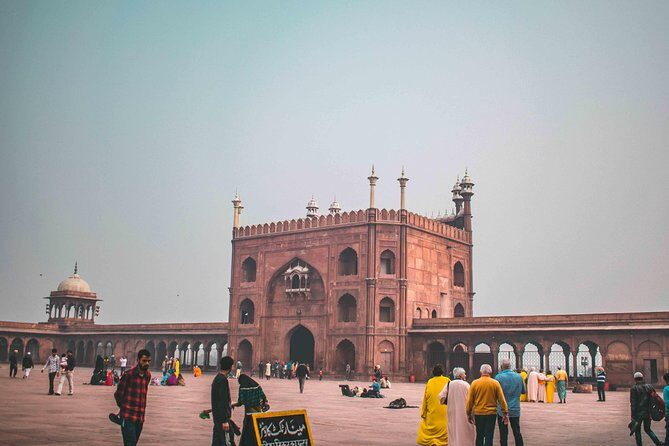
- Hotel pickup and drop-off so you don’t waste the morning on finding meeting points
- AC vehicle with Wi‑Fi for calmer transfers through Delhi traffic
- Private group format so your guide can pace the day for your crew
- Mughal architecture heavy hitters across Old and New Delhi in one day
- Four-quadrant garden style (Charbagh) showing how emperors planned “nature”
- Optional add-ons for lunch and entrance tickets if you want less on-site paying
A Mughal Day From Old Delhi to Qutub Minar

This tour is built for people who want structure. Instead of hopping around the city on your own, you get a guided route that moves through the major visual and cultural landmarks that define Mughal-era Delhi—then ties them together with context as you go.
The pacing matters. You start in Old Delhi and work your way through legendary monuments tied to Shah Jahan and the Mughal court, then you finish with Qutub Minar, which adds a wider view of Delhi’s layered architectural timeline. If you like seeing cause-and-effect—who built what, why it mattered, and how styles evolved—this kind of “guided sequence” is the whole point.
It’s also a nice match for first-timers. Delhi can feel chaotic fast, especially when you’re trying to juggle transport, opening hours, and where to stand for the best sightlines. Having a guide and driver handling the in-between time means you spend more energy actually looking.
You can also read our reviews of more tours and experiences in New Delhi.



Hotel Pickup and the AC Ride With Wi‑Fi: Small Things That Matter
The included hotel pickup and drop-off are a big quality-of-life win. Delhi traffic is real, and losing even 30–60 minutes to coordination can mess with your day. Here, you can plan around the tour start and just show up dressed and ready.
The air-conditioned vehicle with Wi‑Fi is more than a comfort perk. It helps you recharge your brain between stops, especially when you’re switching from one monument style to another. One moment you’re looking at mosque geometry and call-and-response crowd energy; the next you’re examining marble work and garden planning. When the transfer is comfortable, you stay alert for the details.
One practical note: the tour is private—your group only—so the day feels less like a conveyor belt. It’s easier to ask your guide to explain a detail again if you missed it the first time.
Jama Masjid First: Scale, Craft, and Morning Calm

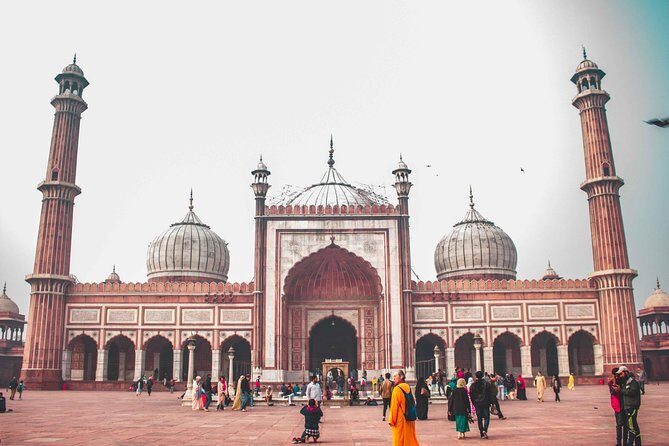
You begin at Jama Masjid in Old Delhi, one of India’s best-known and largest mosques. It’s a 17th-century masterpiece built under Emperor Shah Jahan. Going first is smart, because you get that grand first-impression without burning too much daylight on travel.
What makes Jama Masjid special is the mix of huge scale and close-up craft. From a distance, it’s about symmetry and monumentality. Up close, you can focus on the architectural details—so you’re not only seeing a landmark, you’re learning how it’s put together.
Also, it’s one of the rare major sights where you can quietly observe daily life and prayer in the same frame as the architecture. That makes the visit feel less like you’re ticking boxes and more like you’re understanding the place as a living part of the city.
Practical watch-outs:
- Admission isn’t included, so you’ll likely pay your entry ticket on-site.
- You’ll want comfortable shoes. Even where the main movement is limited, you still cover ground and stand to view.
Red Fort: Shah Jahan’s Power in Stone
Next comes the Red Fort, an adjacent UNESCO World Heritage Site and one of the most iconic symbols of India’s imperial past. Like Jama Masjid, this is tied to Shah Jahan’s era. The fort was constructed in the 17th century and served as the main home of the Mughal rulers for nearly two centuries.
Red Fort is a great stop for people who enjoy “architecture as storytelling.” You see opulent rooms, marble carvings, and expansive gardens—details that reflect both wealth and control. It’s not just a fortress; it’s a statement of governance and aesthetics in one package.
What I like about how this tour sets up Red Fort is that you’ve just visited Jama Masjid. So when you switch from a grand mosque to a grand imperial residence, you’re already thinking in styles and purposes. Your guide can help you notice how the visual language changes depending on what the building needed to do—worship versus rule.
Time note: this stop is usually around two hours. That’s enough to see the major areas without feeling like you’re rushing.
Lunch Break Nearby: Street Food or Mughlai Classics
Lunch is built in right after the Red Fort area. The idea is to keep you close, so you’re not wasting time crisscrossing the city.
You can sample street food or choose true Mughlai cuisine, depending on your appetite and comfort level. This is one of those moments where a guide helps in a subtle way: they can steer you toward safer, more sensible choices without turning lunch into a 90-minute debate.
Food is not included unless you choose the optional upgrade, so be ready to decide on the day. If you’re sensitive to spicy food, or you have dietary restrictions, it’s smart to tell the tour staff when booking so the plan can match your needs.





Humayun’s Tomb: Persian Influence and Garden Planning

After lunch, you head to Humayun’s Tomb, another UNESCO site and a standout example of Mughal architecture. This mausoleum was commissioned in the 16th century by Empress Bega Begum, and it’s famous for its Persian-inspired design and garden layout.
This stop is especially valuable if you like architecture that works with space. The complex isn’t just buildings; it’s marble work, water features, and a calmer rhythm to the grounds. The garden planning matters because Mughal design often treats gardens as an expression of order—how nature should be arranged.
And this is where the Charbagh idea comes into play. Mughal garden design is closely linked to the four-part layout concept (the Four Quadrant Garden). Even if you only catch it visually, it helps you understand why the grounds feel structured rather than random.
You’ll usually get about 1.5 hours here. That’s enough to walk the main paths, pause for detail, and still keep momentum for your final stop.
Qutub Minar at the End: From Mughal to Delhi’s Earlier Layers
To finish, you visit Qutub Minar, a UNESCO site and the world’s highest brick minaret. This is an important contrast point. The minaret was constructed in the 12th century by Qutb-ud-din Aibak, the first king of the Delhi Sultanate. So while your earlier stops focused on Mughal Delhi, this one anchors the city’s architectural story before the Mughals.
Qutub Minar helps you appreciate that Delhi’s “big monument” culture didn’t start with Shah Jahan. Styles evolve. Power changes. Materials and design rules shift. By the time you reach Qutub Minar, you’re no longer only looking at one era—you’re looking at a timeline.
This stop takes about two hours, with time to take it in and, if you want, continue on with shopping and dining afterward.
Price and Entry Fees: What This Costs in Real Life
The tour is listed at $32 per person, lasts about 6–7 hours, and includes hotel pickup and drop-off, transport in an AC vehicle with Wi‑Fi, and a private guide in your chosen language.
But here’s the key value equation: entrance tickets are not included, at INR 2150 per person. Lunch is also not automatically included unless you select the optional upgrade.
So the smartest way to budget is to think of the $32 as covering the guided route and the transportation, while the big-ticket items you still pay on top are:
- Entrance fees (INR 2150 per person)
- Lunch and drinks (unless you add the optional upgrade)
If you’re the type who hates dealing with ticket lines and last-minute costs, choosing the optional upgrade can make the day feel smoother. If you’re comfortable paying on-site and want more freedom with lunch, you may prefer to keep it flexible.
Guide Quality and Communication: How to Get the Best Day
The guide is central to making this tour feel worth it. When it works well, you get both facts and the “why does this look like this” explanation that turns monuments into something you remember.
In positive experiences, guides have been praised for professionalism and organization, and one guide named Suraj is specifically mentioned as knowledgeable and kind. Another highlight from past outings: if you had a special personal request during the day, it was handled.
There’s also a realistic consideration. If you rely on English at a fast pace, you might want to ask your guide to slow down a bit at the start. One review highlighted a mismatch in speaking speed even when English quality was good.
And based on a less smooth experience, I strongly recommend you confirm your pickup time and the driver details before you leave your hotel. Make it easy for everyone: double-check meeting points and ask for the vehicle information so you aren’t waiting in uncertainty.
How Much Walking Is Actually Required?
The tour mentions moderate physical fitness, and the day includes a fair amount of moving between stops plus time inside major sites.
You’re not doing a “marathon of stairs,” but you should expect:
- Walking from entrances to viewing areas
- Standing for photos and explanations
- Some time moving across uneven indoor/outdoor surfaces
Smart-casual clothing is required, but that mostly helps with practicality rather than strict formality. Wear comfortable shoes that can handle long standing and irregular ground.
Who This Tour Fits Best (and Who Might Skip It)
This experience is a strong choice if you:
- Want a guided day across Old Delhi and New Delhi without planning transport
- Like architecture details and want context as you look
- Have limited time and want to cover major Mughal landmarks in one go
- Prefer a private format where your guide can adjust to your group
You might consider a different approach if you:
- Only care about one monument and want a slower, deeper visit
- Plan to spend lots of time shopping for long stretches (this itinerary time is mostly structured around sightseeing and transfers)
- Don’t want to pay separate entrance fees on-site
Quick Tips for a Smooth Mughal Day
- Bring cash or a payment method for entrance fees since they’re not included.
- If you pick the optional lunch and/or entrance add-ons, decide this early enough to avoid stress after you arrive.
- Tell the team about dietary restrictions when booking so lunch choices can match.
- If your English needs are specific, ask for a pace adjustment right at pickup.
- For mosques and major religious sites, keep your clothing smart-casual and comfortable for long standing.
So, should you book it?
Yes, if you want a structured Mughal architecture day with a guide and easy transfers. The best part is the way the day links the monuments into one story: Shah Jahan’s influence through Jama Masjid and the Red Fort, Persian-style ideas and garden planning at Humayun’s Tomb, and then Delhi’s earlier architectural chapter with Qutub Minar.
I’d only pause if you’re very budget-tight or you hate surprise costs, because entrance tickets and lunch can add to the final total. If you’re okay with paying those add-ons and you want your time in Delhi to feel efficient, this is a solid way to see a lot without feeling lost.
FAQ
How long is the Mughal architecture tour?
It runs about 6 to 7 hours.
Does the tour include hotel pickup and drop-off?
Yes, pickup and drop-off in Delhi are included.
Is the tour private?
Yes. Only your group participates.
Is transportation included?
Yes. You travel by air-conditioned vehicle with Wi‑Fi service.
Are entrance tickets included in the price?
No. Entry tickets are not included and cost INR 2150 per person.
Is lunch included?
Food isn’t included unless you choose the optional upgrade. Lunch is planned during the day at a neighboring restaurant.
What stops are included?
The route includes Jama Masjid, the Red Fort, Humayun’s Tomb, and Qutub Minar, plus viewpoints tied to landmarks like India Gate and the President’s House.
How much walking should I expect?
Moderate walking is required as you move between sites and spend time exploring each monument.
What if I need to cancel?
You can cancel for a full refund up to 24 hours in advance of the experience start time. Confirmation is received at booking.