REVIEW · NEW DELHI
Delhi: National Museum Tour
Book on GetYourGuide →Operated by Crystal India Holidays · Bookable on GetYourGuide
A museum tour beats a random wander in Delhi. This private National Museum visit gives you a clear path through the big visual stories, from Indus Valley objects to miniature paintings and decorative crafts. You’ll also get an English guide in a tight time window, which is exactly what you want when traffic can eat your plans.
I especially love how the tour builds one era into the next, so the galleries feel connected instead of separate rooms. And I like that you’re not just looking at objects—you’re getting context for what you’re seeing, including how daily life and art styles changed across centuries. One thing to consider: museum hours and room access can affect timing, so the experience may run shorter than you expect.
In This Review
- Key highlights you’ll remember
- Private pickup and a guided route that actually saves time
- Gallery stop 1: Harappan Civilization and the Indus Valley behind everyday life
- Gallery stop 2: Maurya and Gupta art, where style starts to speak louder
- Gallery stop 3: Buddhist Art, murals and objects tied to movement across Asia
- Gallery stop 4: Miniature paintings, small scale with big technique
- Gallery stop 5: Decorative arts—jewelry, textiles, and the everyday beauty angle
- Gallery stop 6: Arms and Armour, where artistry meets function
- Optional special exhibit and the “time-flex” reality
- Ending well: museum shop, café break, and souvenirs that don’t feel forced
- Price and value: why $17 can be a smart deal in Delhi
- Timing and what to pack so you don’t feel rushed
- Who this tour fits best
- Should you book the Delhi National Museum tour?
- FAQ
- How long is the National Museum tour?
- Is this a private tour?
- What’s included in the price?
- Do I need to arrange pickup and drop-off?
- Are meals included?
- What galleries does the tour cover?
Key highlights you’ll remember
- Indus Valley (Harappan) finds: pottery, seals, and sculptures that show early urban life
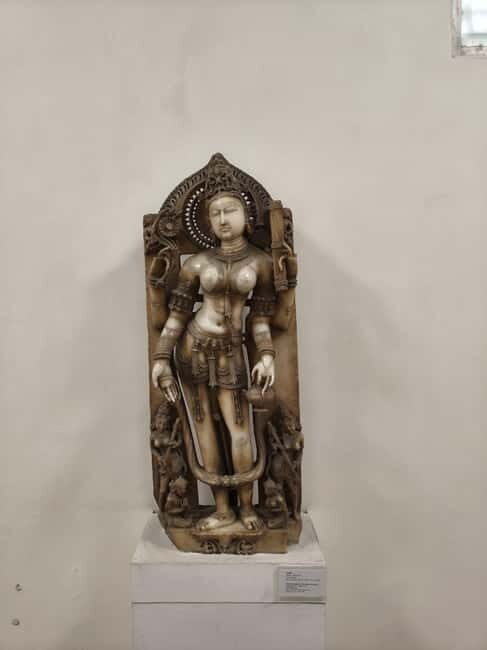
- Maurya and Gupta galleries: sculpture and artifacts that track major shifts in Indian art
- Buddhist art rooms: relics, statues, and murals linked to Buddhism’s spread
- Miniature paintings: small scale with serious detail and technique
- Decorative arts + armour: jewelry, textiles, and crafts paired with weaponry and protection
- Divi-style extra time: if access is limited, your guide may adjust the plan (like adding a stop at India Gate)
Private pickup and a guided route that actually saves time
Delhi is fast, loud, and not always friendly to a slow sightseeing plan. The easiest win here is the private air-conditioned car with pickup from your hotel, airport, train station, Noida, or Gurugram. Even if you’re only in town for a short window, this setup helps you start the museum visit without stress.
Inside the museum, your guide keeps you moving through the right rooms in the order that makes sense. That matters because National Museum galleries are broad; without a plan, it’s easy to bounce around and miss the connections between periods. You’re paying for time efficiency plus interpretation, not just admission.
You can also read our reviews of more museum experiences in New Delhi

Gallery stop 1: Harappan Civilization and the Indus Valley behind everyday life
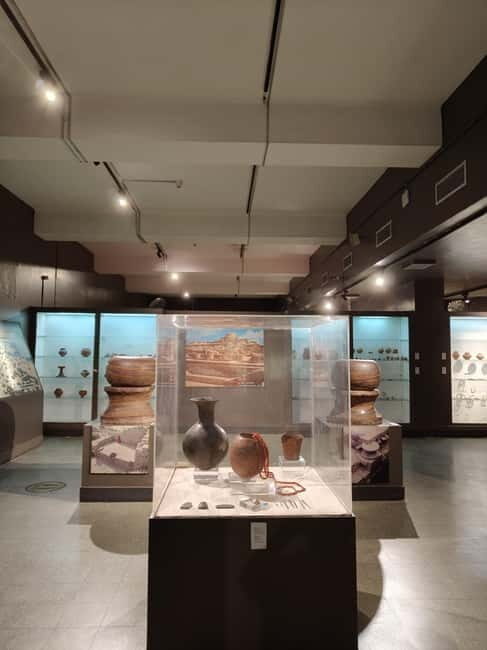
The tour begins with the Harappan Civilization Gallery, centered on the Indus Valley world. You’ll see objects like pottery, seals, and sculptures. The best part is how these items make the ancient city feel practical—things people used, marked, traded, and lived with.
If you’ve ever only seen Indus Valley history as a name from school, this gallery is where it becomes real. Seals and everyday objects help you picture how people organized daily routines and communication. And because the guide frames urban planning and daily life, you’re not just looking at ancient stuff—you’re learning what made the system work.
Gallery stop 2: Maurya and Gupta art, where style starts to speak louder
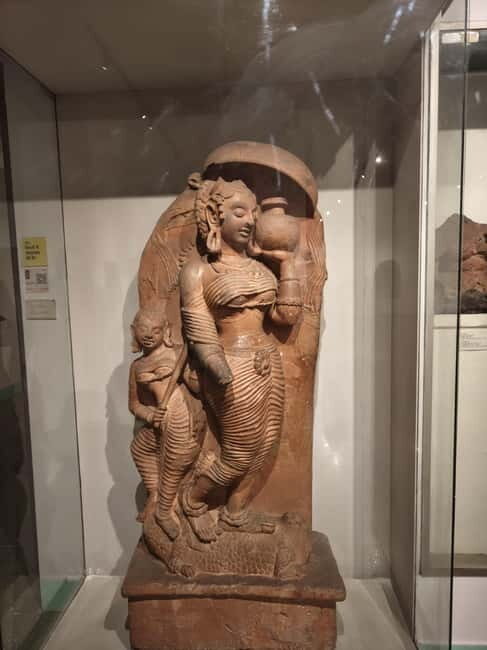
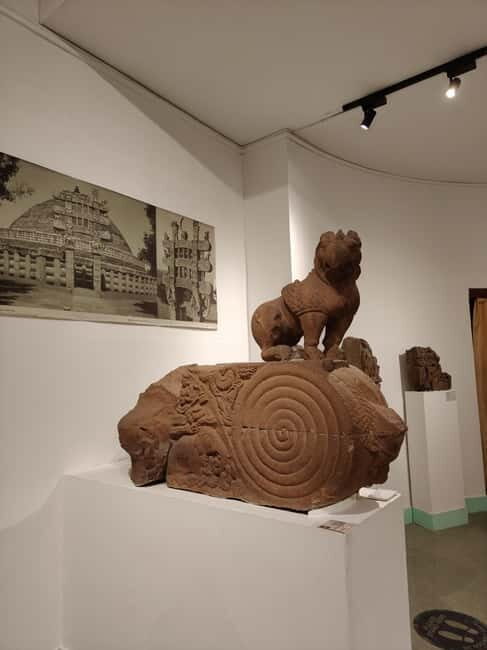
Next comes the Maurya and Gupta Art sections, focused on influential periods in Indian history. You’ll spend time with sculptures and related artifacts, and the guide explains how art and architecture evolved through these eras.
This is a great stop for anyone who wants the “why” behind visual style. Maurya-era and Gupta-era art are often discussed as distinct phases, but what you really notice in person is the change in how forms are treated—what feels refined, what feels monumental, and what seems to emphasize power, spirituality, or cultural identity.
Practical tip: if you’re the type who likes to sketch or take photos, let yourself slow down here. Sculpture and figures are made for close looking, and the context from your guide helps you spot details you’d miss at a glance.
Gallery stop 3: Buddhist Art, murals and objects tied to movement across Asia
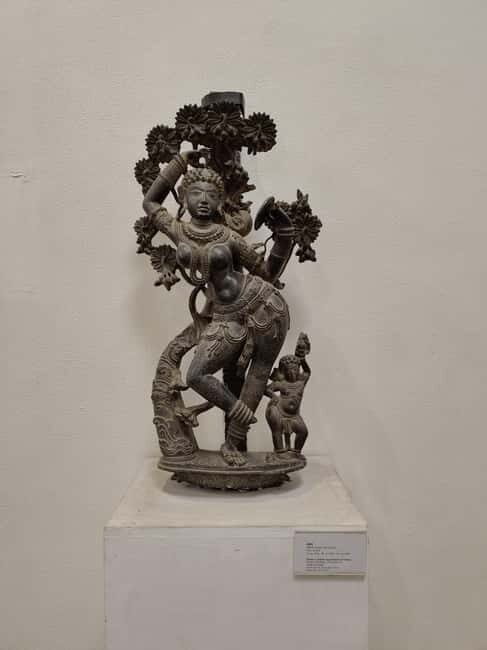
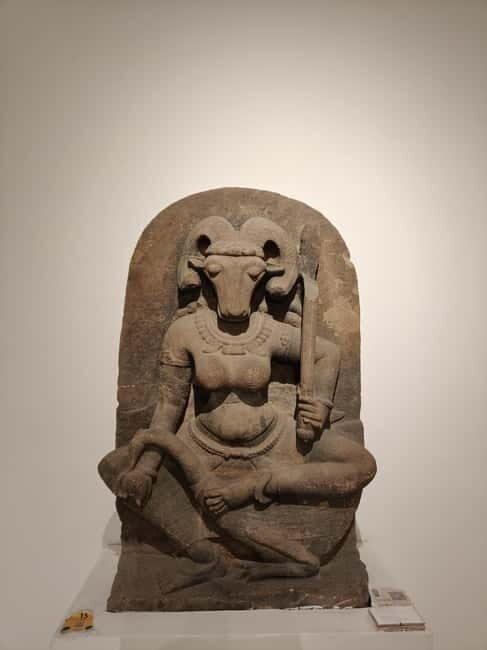
Then you shift into the Buddhist Art Gallery, which includes relics, statues, and murals from different regions. This section doesn’t just show Buddhist themes; it connects them to how Buddhism spread across Asia and influenced local culture.
I like this gallery because it’s a bridge between religion and art-making. Statues and murals are visual proof of travel, exchange, and adaptation—ideas moving, then changing in new settings. When your guide ties the objects to regional variation, you start seeing Buddhism not as a single style, but as a shared language that local artists interpreted in their own ways.
If you want a calm, thoughtful pace, this is often the best room to take it down a notch. The visuals can be intense, but the guide keeps the story clear.
Gallery stop 4: Miniature paintings, small scale with big technique
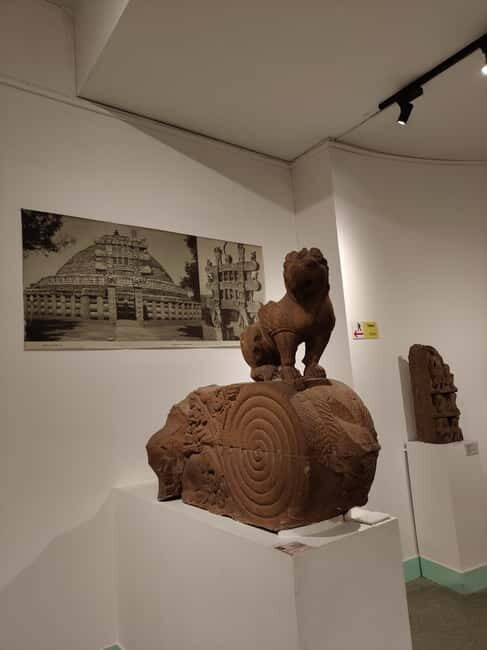
The Miniature Paintings Gallery is where the tour turns into craft appreciation. You’ll admire intricate miniature paintings from different parts of India, with the themes and historical context explained as you look.
Miniatures are easy to underestimate because they’re small. But up close, they demand patience: layered colors, careful line work, and compositions built for detail rather than size. Having a guide here helps you connect the subject matter to time and place, instead of treating the paintings like decorative items.
If you care about art technique—how an image is built rather than just what it shows—this is one of the strongest stops.






Gallery stop 5: Decorative arts—jewelry, textiles, and the everyday beauty angle
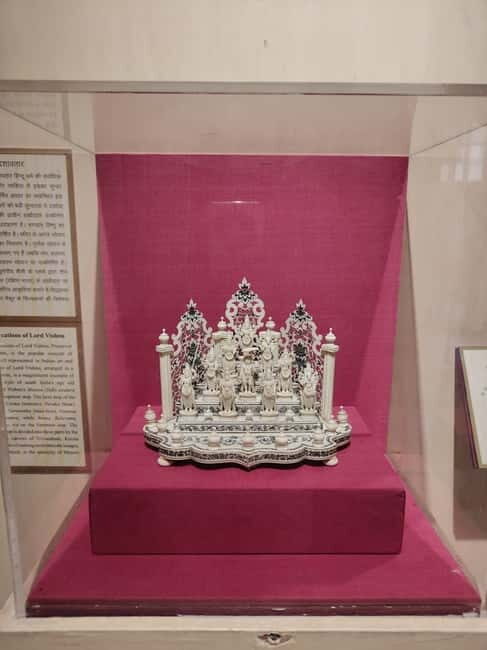
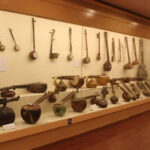
After paintings, you get Decorative Arts in a wider sense: jewelry, textiles, and decorative objects. This gallery is for you if you like design and materials. It shows how craftsmanship became cultural expression, not just “pretty things.”
What I like is that decorative arts often tell a story more directly than grand monuments. A textile pattern, a jewelry motif, or a crafted object can reflect social status, regional style, and practical design. With a guide’s explanations, you’ll understand what to notice while you’re looking—materials, ornament choices, and how objects were meant to be used or displayed.
Even if you’re not a collector, this stop is satisfying because it’s human-scale. You can imagine someone wearing it, using it, or gifting it.
Gallery stop 6: Arms and Armour, where artistry meets function
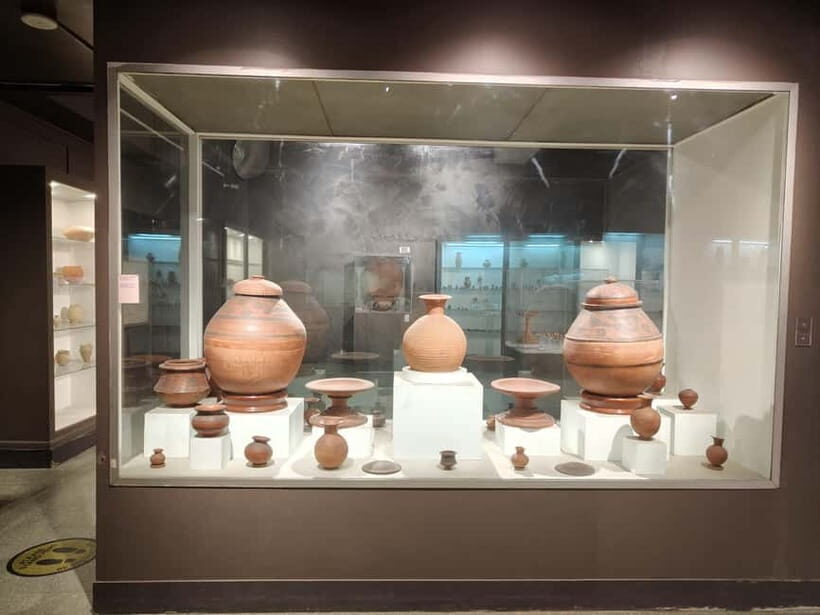
Next is the Arms and Armour Gallery, showing weaponry and armor from different periods. This section can surprise people because it’s not only about battle. You also see artistry in construction and the evolution of military technology.
I find that combining weapons with materials and craftsmanship helps the story feel grounded. You’re not learning history as dates; you’re seeing how tools were designed, protected, and refined. The guide’s framing makes it easier to connect “artifacts” to real problems people were solving.
If you’re traveling with someone who usually skips history museums, this room often wins them over. It’s visually dramatic, and it feels like engineering as much as culture.
Optional special exhibit and the “time-flex” reality
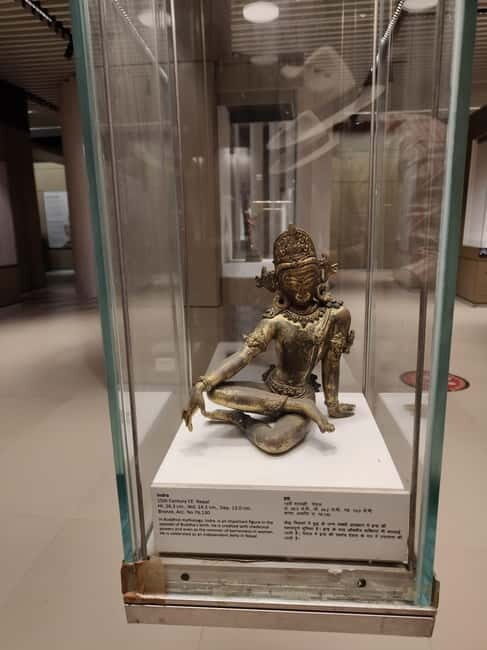
Depending on time, you may also visit a special exhibit or temporary gallery. The focus could range from contemporary art to specific cultural artifacts. This is a nice bonus because it keeps the tour from feeling like only standard rooms.
One real-world consideration: access can vary. In a past experience, the guide explained that not all areas were open, and the visit ran shorter than expected. In that case, Divi adjusted the plan and added a stop at India Gate to compensate for lost museum time.
That doesn’t mean it will happen every time, but it does tell you how the guide thinks: keep the value high even when the building won’t cooperate.
Ending well: museum shop, café break, and souvenirs that don’t feel forced
The tour wraps up at the museum shop. This is your chance to pick up souvenirs, books, or replicas related to what you saw. If you want something more practical than a postcard, the books and replica items can be worth it—especially if you enjoyed a specific gallery.
Then you can relax at the museum café for a light snack or refreshment before heading back. Even a quick pause helps after an art-and-history sprint, and it keeps the whole outing from feeling like a museum marathon.
Price and value: why $17 can be a smart deal in Delhi
At $17 per person, this tour is priced like a bargain, especially because it includes a lot of the pieces that usually cost extra in major cities. You get a private tour, a local government approved guide, entrance tickets, hotel/airport pickup by private air-conditioned transport, and bottled mineral water during the drive.
Meals aren’t included, so you’ll still want to plan for lunch or dinner separately. But for a 1.5 to 2.5 hour museum-focused experience, this pricing can be strong value if you prefer guidance over self-guided guessing.
The other big value: English live guide time. In a museum setting, interpretation is what turns “I saw rooms” into “I understood what I saw.”
Timing and what to pack so you don’t feel rushed
The duration is listed as 1.5 to 2.5 hours, which means this is a focused hit, not a half-day commitment. That’s perfect if you want museum depth without surrendering your whole day to traffic and indoor browsing.
Plan to move at a steady pace. You’ll be visiting multiple galleries—Harappan, Maurya/Gupta, Buddhist, miniatures, decorative arts, and arms and armour—so the schedule is built around key highlights rather than lingering for hours in one room.
What to bring:
- Comfortable shoes for museum walking
- A light layer (indoor temperatures can vary)
- Your phone ready for photos, plus extra memory if you love detail shots
- Water is provided during the journey by car, but you can still keep a refill plan in mind
Who this tour fits best
This tour is a great match if you:
- Want a structured National Museum visit that doesn’t rely on you figuring out the order
- Like variety—ancient civilization, religion, painting, textiles, and armour in one route
- Prefer private pacing with a guide in English
- Are short on time in Delhi but still want big museum coverage
It may not be ideal if you want a slow, gallery-by-gallery deep study. At this duration, you’ll see highlights with explanation, but you won’t have hours to become a full-time miniature painting specialist.
Should you book the Delhi National Museum tour?
I think it’s worth booking if you want a high-return museum experience with interpretation. For the price, the mix of major galleries and the private pickup/transport setup make it feel efficient rather than hurried.
If you’re the kind of person who gets more out of context than crowds, this tour should satisfy. And if some rooms are unavailable, the guide’s ability to adjust (including adding time at a nearby landmark like India Gate in at least one case) shows this isn’t a rigid script.
If you can only do one museum outing in Delhi, this one is a solid choice because it’s built around major art-and-history threads you can actually connect.
FAQ
How long is the National Museum tour?
It’s listed as 1.5 to 2.5 hours, depending on availability and timing inside the museum.
Is this a private tour?
Yes. It’s a private group with a live English guide.
What’s included in the price?
Private tour, a local government approved guide, National Museum entrance tickets, bottled mineral water during the car journey, and transport by private air-conditioned car (plus all taxes and fees).
Do I need to arrange pickup and drop-off?
Pickup is optional. You can be picked up from your hotel, Delhi airport, Delhi train station, or any desired location in Delhi, Noida, or Gurugram, and you’ll be dropped back to your chosen location.
Are meals included?
No, meals are not included.
What galleries does the tour cover?
You’ll visit key sections including the Harappan Civilization Gallery, Maurya and Gupta Art, Buddhist Art, Miniature Paintings, Decorative Arts, and Arms and Armour. A special or temporary gallery may be added if time allows.