REVIEW · NAINITAL
Munsiari Birding tour
Book on Viator →Operated by travelderness · Bookable on Viator
Munsiyari turns birding into a full-body experience. This 6-day Kumaon trip centers on high-altitude species in a place BirdLife International calls a top bird-rich area, with 300+ species recorded. I like that the route is built around real hotspots, not random scenic pull-offs.
Two things I’d put near the top of your checklist: the trip is led with special focus on target birds like Satyr Tragopan, Monal, and Cheer/Koklaas pheasants, and you get multiple birding sessions at different elevations so your chances don’t depend on one morning. The other big plus is the human touch—Mr. Sachin Pushkarna is mentioned by past participants for careful arrangements and calm, capable guidance.
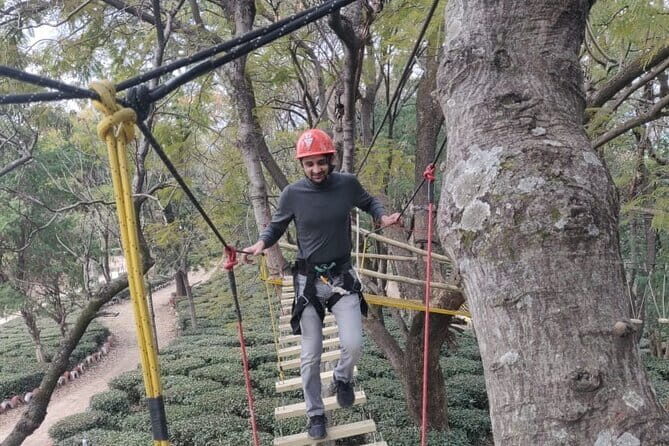
One consideration: it’s active. Several mornings start very early, and getting to Khaliya Top for Satyr Tragopan includes about a 1-hour trek, so you’ll want to be comfortable with cold, uneven footing, and thin-air pace at altitude.
In This Review
- Key highlights worth planning for
- First steps: getting from Kathgodam to Munsiyari without wasting daylight
- Betuli Dhar’s morning plan: why 5 a.m. actually works
- Nanda Devi temple sessions: small birds, repeatable results
- Khaliya Top for Satyr Tragopan: the trek that defines the trip
- Sarmoli village and Betuli Bend: babblers, thrushes, and raptors in the mix
- Madkote and College Road: winter logic and finishing the species list
- Day 6: Nanda Devi again, then back to Kathgodam
- Pricing and value: what $1,800+ is really buying you
- The human factor: why your guide matters for birds
- Weather, altitude, and what to pack for this Kumaon season
- Who this tour suits best (and who should think twice)
- Should you book the Munsiyari Birding tour?
- FAQ
- What is the duration of the Munsiyari Birding tour?
- Where does the tour start and end?
- How much does the tour cost per person?
- What kind of bird species is the tour targeting?
- Is the tour active or does it include trekking?
- What time do you start birding on early days?
- Is this a private tour or a group tour?
- Is the tour weather-dependent?
- Can I cancel and get a refund?
- Does it require special accessibility accommodations?
Key highlights worth planning for
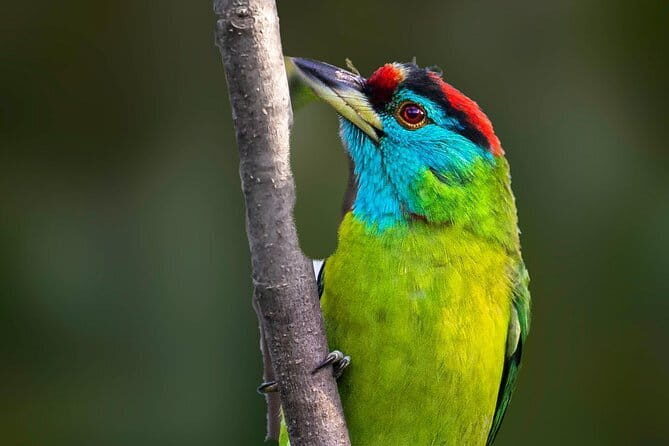
- Betuli Dhar at ~2600m: a dedicated morning sweep for Monal, Cheer pheasant, Koklaas pheasant, and finches
- Khaliya Top trek for Satyr Tragopan: a purposeful hike toward the tragopan’s preferred habitat
- Nanda Devi temple birding: repeatable afternoon and morning sessions for small birds like rosefinch, accentors, and serin
- Multi-village approach: Sarmoli village and Betuli Bend add babblers, thrushes, plus raptors/vultures chances
- Water-and-winter species logic: Madkote and lower spots are chosen for winter-leaning birds
- Private-group feel: only your group participates, so timing can stay practical for birding
First steps: getting from Kathgodam to Munsiyari without wasting daylight
The trip starts at Kathgodam station (also convenient via Haldwani), and it’s a long ride into the hills—about 250 km. That matters because birding here is about rhythm. The sooner you’re in the mountains, the more likely you catch birds when they’re moving and calling.
On the way, you don’t just sit in the car. There are scheduled breaks for birding at meaningful stops, including Kainchi Dham and Chaukori, where you’re set up to look for species like crested kingfisher (at Kainchi Dham) and thrushes (around Chaukori). You also pause for a waterfall stop at Birthi Falls, which is more than scenery—you’re changing habitat and altitude, which is how you increase your variety of sightings.
If you’re prone to travel-sleep habits, I’d try to stay “awake-lite” during the drive. You don’t need to be wired, but you’ll enjoy the trip more if you’re ready to scan when you stop.
You can also read our reviews of more tours and experiences in Nainital.
Betuli Dhar’s morning plan: why 5 a.m. actually works
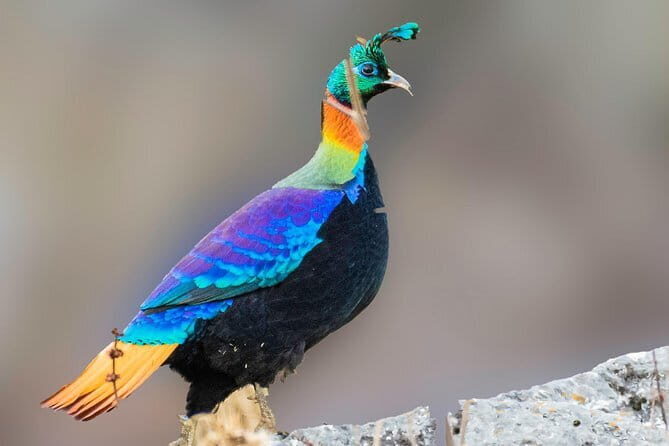
Day after day, the schedule leans into early light, especially the big push toward Betuli Dhar forest at around 2600 meters. You start around 5 a.m., birding until roughly late morning (about 10 a.m. before heading back). That timing is practical: at dawn, birds are often more vocal, more active, and easier to spot at the edge of treelines.
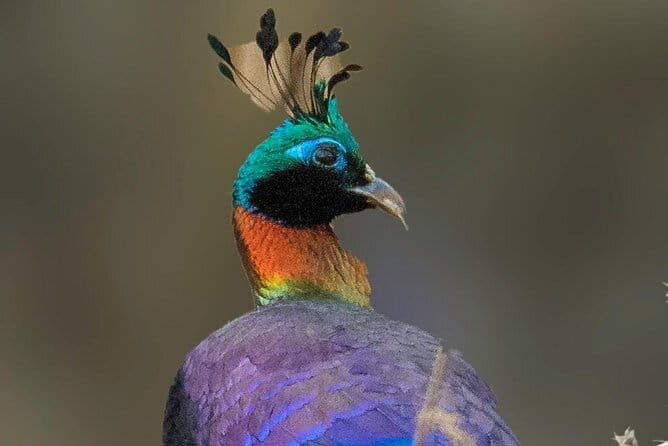
This is also where the tour is very direct about target species. The focus is on Monal, Cheer pheasant, Koklaas pheasant, and finches, with a secondary “bonus” list that includes woodpeckers, tits, warblers, laughing thrushes, and wood pigeons. In plain terms: you’re not banking your success on one mythical bird. You’re working a whole band of the food web.
The forest road is part of the game. You can keep scanning while moving slowly, which helps when you’re looking for birds that don’t tolerate long, loud stopping. I also like that the plan acknowledges photography. You’re given time to explore and photograph, not just sprint through.
When you return, you get a breakfast window and then a rest period before lunch. That break is smart. With altitude and cold mornings, your brain works better if you don’t pretend you’re a machine.
Nanda Devi temple sessions: small birds, repeatable results
After lunch (and sometimes with a rest built in), the tour shifts to Nanda Devi temple area for afternoon birding. This is a strong choice because temple zones in Himalayan towns often sit near habitat transitions—edges with shrubs, perches, and predictable movement.
Here, the bird targets are smaller and more frequent in appearance: finches, accentors, fire-fronted serin, eastern goldfinch, and golden bush robin are all named focus species. You’re also hunting rosefinch and more accentor/serin/goldfinch chances later in the trip.
I like that you get more than one shot at this area. Many birding tours do a single pass and move on. This one builds in repeat sessions, which matters because weather and bird behavior can shift day to day. If you missed a look the first time, the second visit increases your odds.
One practical tip for you: keep your listening gear ready even when you feel you’re “only” looking for finches. Accentors and serin can be hard to spot, but their movement and calls often give them away first.
Khaliya Top for Satyr Tragopan: the trek that defines the trip
If Satyr Tragopan is on your personal wishlist, this is the day. The plan uses a packed breakfast and then heads toward Khaliya Top, with about a one-hour trek to get closer to the tragopan’s preferred habitat.
That trek is both the reward and the caution. The reward is proximity—birding chances improve when you’re where the bird wants to be, not where it’s easiest for humans. The caution is that you’re going uphill in cold air. Take it slow and steady, not aggressive. If you push too hard, you’ll waste energy and lose focus.
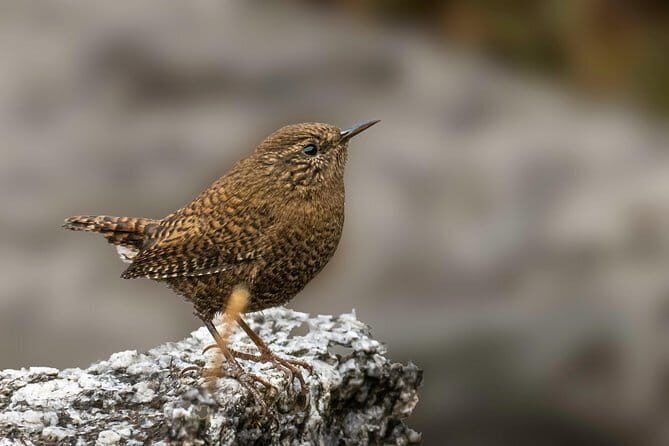
Around the tragopan target, the area is also expected to be good for winter wrens, woodpeckers, babblers, wren babblers, and spotted laughing thrush. That’s important because tragopans aren’t guaranteed. The day is designed so you’re not standing around hoping for one outcome.
If you’re deciding whether this tour fits you, this is the real question: can you handle a focused hike plus early morning scanning? If yes, your chances rise fast—not only for tragopan, but for the supporting cast of high-altitude species.
Sarmoli village and Betuli Bend: babblers, thrushes, and raptors in the mix
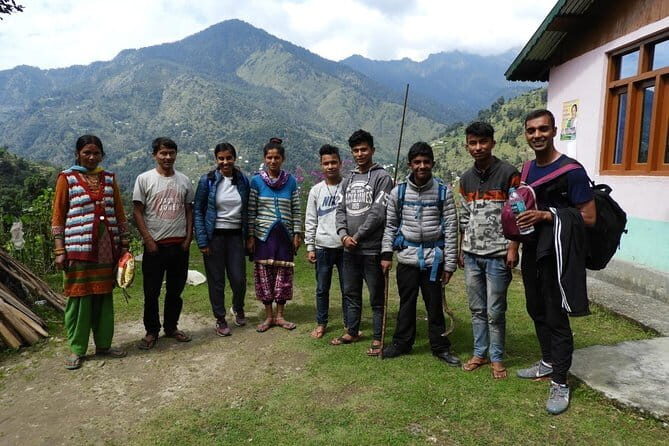
The middle of the trip widens the habitat net. You head toward Sarmoli village early for birding aimed at finches and a set of smaller Himalayan passerines, including scimitar babblers, wren babblers, bar-throated siva, yuhinas, and thrushes.
This matters because if you only bird forest roads and temples, you can miss the birds that respond to different cover and movement patterns. Village-edge birding often reveals what forest birding hides—especially when you’re hunting the kind of birds that hop and call from lower layers.
Then, you return for breakfast and lunch and move to Betuli Bend for afternoon birding, specifically for grosbeaks, steppe eagle, and bearded vultures. Raptors and vultures add a different kind of excitement: less about quick spotting, more about patience, scanning, and recognizing flight patterns.
I’d advise you to stay flexible with your “scope mindset.” Passing eagles and vultures might show up briefly, and you’ll want to adjust your scanning from close bushes to open air.
Madkote and College Road: winter logic and finishing the species list
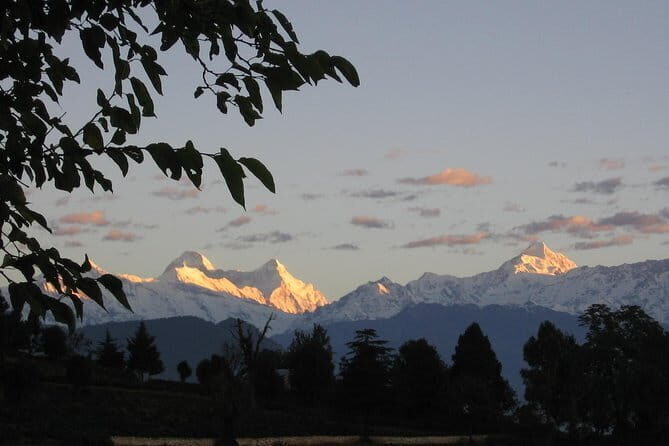
The last stretch turns more tactical. The early session at Madkote runs until about 11 a.m., designed to find birds that show up near water or at lower latitudes during winter. Named possibilities include chestnut-headed tesia, laughing thrushes, warblers, and even maroon oriole.
This is where I appreciate the tour’s birding logic. Instead of just repeating the same habitat, it changes the conditions to match winter bird behavior. That often makes the difference between seeing only the “usual” high-altitude birds and getting the winter-leaning species you came for.
Later, you return to the resort for breakfast and lunch, then go out again to College Road for left-out species. That “finish strong” approach is practical. It recognizes that birding is probabilistic, and it uses time on the ground to reduce regrets.
Day 6: Nanda Devi again, then back to Kathgodam
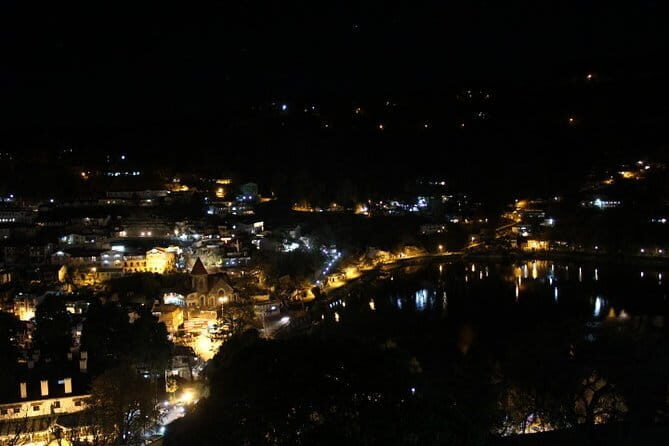
On the final morning, the focus returns to Nanda Devi temple area for more chances at rosefinch, accentors, serin, and goldfinch, with the emphasis on getting photos of the birds you’ve been working on.
After breakfast, you head back toward Kathgodam. The plan includes an overnight train to Delhi, which is a helpful way to avoid losing an extra day to travel.
For you, the key takeaway is mental: don’t treat the last morning as filler. It’s often where the birds you were waiting for decide to show themselves, especially if the timing lines up with your guide’s scanning rhythm.
Pricing and value: what $1,800+ is really buying you
At $1,800.32 per person for roughly 6 days, this isn’t a casual weekend. So the value question matters.
Here’s what you’re paying for, based on how the trip is built:
- Targeted birding strategy across multiple habitats and elevations (forest road, temple zones, village-edge areas, higher treks)
- Early starts and repeat site visits, which are time-consuming but often essential for probabilistic species like tragopans
- A capable lead—Mr. Sachin Pushkarna is repeatedly described as trustworthy and strong at arranging the details while keeping the experience stress-free
- Transportation plus structure: you’re picked up from Kathgodam, driven between birding points, and returned at the end
- Private-group format: only your group participates, so the schedule doesn’t get bent by unrelated interests
What isn’t explicitly clear from the info: whether every meal is fully included in your rate, or what the accommodation level is beyond the fact that you check into a hotel and have dinner. If you’re budgeting carefully, ask the operator what’s included versus paid locally.
My practical read: if you’re serious about high-altitude Himalayan birds and you want a guide who knows where to stand and what to listen for, the price can make sense. If you’re mostly chasing casual sightseeing, you might find better value elsewhere.
The human factor: why your guide matters for birds
Birding isn’t only about good eyesight. It’s about knowing how to work the moment.
Mr. Sachin Pushkarna comes up in past feedback for making arrangements smooth and for being experienced and trustworthy when you’re away from home. That kind of calm leadership helps a lot when you’re waking up at dawn, trekking in cold air, and scanning for species that may only show briefly.
Also, the trip is described as tailored to birding needs, with a small-group feel and attention to participants. That’s what you want when you’re trying to photograph fast-moving passerines and still keep up with shifts in bird activity.
If you’ve birded before, you already know: sometimes the birds show. Sometimes you’re just out of rhythm. A guide who can keep your day efficient helps you spend your effort on productive scanning rather than guessing.
Weather, altitude, and what to pack for this Kumaon season
This is high country. Even if you’re not thinking about it daily, your body will.
Plan for:
- Cold mornings because you’re starting early, often before dawn
- A trek of about one hour on Day 4 toward Khaliya Top
- Possible snow conditions—one past participant specifically noted birding while it was snowing
If you want photos, pack layers and keep gloves usable for camera handling. If you want sightings, make sure you can stand still for stretches without your hands going numb.
And yes, you need flexibility. The experience notes it requires good weather. If conditions are poor, you’ll be offered a different date or a full refund.
Who this tour suits best (and who should think twice)
This is ideal if:
- You’re traveling for serious bird species (Monal, Satyr Tragopan, Cheer/Koklaas pheasants, accentors/serin/goldfinch types)
- You can handle early starts and a trek
- You prefer a guided plan that changes habitats instead of staying in one place
You should think twice if:
- You struggle with uphill trekking or want an ultra-low-activity schedule
- You want mainly casual sightseeing with minimal cold-morning birding
- You’re not interested in scanning and listening for small birds, since a big portion is focused bird work
Should you book the Munsiyari Birding tour?
I’d book it if you’re the kind of traveler who gets satisfaction from repeat site visits, patient scanning, and working a bird list with purpose. The route is built for chances, not just views: forest roads for pheasants and finches, temple areas for small Himalayan species, village-edge birding for babblers and thrushes, and a dedicated trek day for Satyr Tragopan.
If you can handle cold mornings and that one-hour trek, you’ll likely feel like your time is used well. If not, you may end up wishing for more easygoing pacing.
FAQ
What is the duration of the Munsiyari Birding tour?
It’s listed as about 6 days (approximately 5 nights and 6 days).
Where does the tour start and end?
It starts at Kathgodam, Haldwani, Uttarakhand and ends back at the same meeting point.
How much does the tour cost per person?
The price is listed as $1,800.32 per person.
What kind of bird species is the tour targeting?
The tour focuses on high-altitude birds such as Satyr Tragopan, Monal, Cheer pheasant, Koklaas pheasant, plus species like finches, accentors, fire-fronted serin, rosefinch, and others named in the tour focus.
Is the tour active or does it include trekking?
It includes a trek. The Satyr Tragopan day involves trekking up for about one hour.
What time do you start birding on early days?
On the main birding day at Betuli Dhar, the schedule calls for an early start at about 5 a.m. Other days also include early starts, depending on the site.
Is this a private tour or a group tour?
It is described as private, meaning only your group will participate.
Is the tour weather-dependent?
Yes. The experience requires good weather, and if it’s canceled due to poor weather, you’ll be offered a different date or a full refund.
Can I cancel and get a refund?
You can cancel up to 6 days in advance for a full refund. Cancellation 2–6 days before gives a 50% refund, and less than 2 days before is not refunded.
Does it require special accessibility accommodations?
It states that most travelers can participate, but the trek on one day is part of the plan.