REVIEW · NAINITAL
Himalayan village walk to Khati Uttarakhand
Book on Viator →Operated by travelderness · Bookable on Viator
Khati feels worlds away, yet reachable. This private guided Himalayan walk blends village life with early-morning birdwatching and steep little climbs between forested valleys.
I love the bird-first approach, with your best shot at the colorful Monal from high-altitude spots, plus quiet watching time on the trails and meadows. I also like the lodging variety—hotel, homestay, and even tent nights—so each day feels like it’s changing with the altitude.
One thing to plan for is road conditions. The route toward Khati can be rough or under construction, and in those cases you may not stay exactly where you hoped (Dur gaon came up for one traveler), while cold and weather can also shape what’s possible.
In This Review
- Key points before you go
- Kathgodam drop-in: Kasar Devi temple, cafes, then Bageshwar
- Bageshwar temples: river confluence energy and an easy morning
- The ride to Khati and the forest walk that sets the tone
- Sunrise climb to Bajling Dhar: where early starts meet birds
- Khati village time: customs, warm homes, and keedajadi
- Dau and Jaikhuni bird time, then Kausani’s wide Himalayan views
- Sunrise at Kausani, then back to Kathgodam for your Delhi train
- Private guided trek value: why the small details matter
- Price and what you’re really paying for ($599.87 per person)
- What to bring and how to pace yourself (moderate fitness means “steady”)
- Should you book this Khati village walk?
- FAQ
- FAQ
- Where does this tour start?
- How long is the trek?
- What kind of lodging will I have?
- Are meals included?
- Is this tour suitable if I’m only moderately fit?
- What happens if the weather is poor?
Key points before you go
- Private trek, your pace. Just your group, led by the guide (Sachin is named in the operator’s responses), with support when conditions get tough.
- Birdwatching is built in. You’re timed for early starts and high viewpoints, including the hope of seeing the Monal.
- Rhododendron and oak trail time. A 5 km forest walk on arrival sets a mellow tone before the bigger climbs.
- A real village day, not a drive-by. You get time to learn daily customs, warm-home building, and glacier-area livelihoods.
- Khati to Kausani with mountain payoff. After Khati, you head to Kausani for wide views and sunset/sunrise if weather cooperates.
Kathgodam drop-in: Kasar Devi temple, cafes, then Bageshwar
Your day starts with a very doable logistics move: pickup from Kathgodam Railway Station at 12:00 pm. If you’re coming from Delhi, the train plan is simple—Shatabdi runs daily from Delhi to Kathgodam, leaving at 6:20 am and arriving 11:35 am—so you can arrive, eat, and still make the afternoon meetup without stress.
After pickup, there’s a stop at Kasar Devi Temple. It’s known for the hippie culture that took off there in the 1970s, and that history still shows up in the form of laid-back cafes around the temple area. The temple admission is included, which is nice because it cuts one more paid line item out of your day.
Then you ride on to Bageshwar and check in late evening. Bageshwar sits at the confluence of the Sarju and Gomti rivers, and it’s famous for ancient Shiva temples. For me, this is a smart first-night pairing: you’re not forcing a big hike on day one, but you’re already landing in a place that feels spiritual and local.
Watch-outs you’ll actually feel: it’s a travel day before you get walking days, so keep your body fueled. Also, if the skies are cloudy, you’ll miss some of the “watch the peaks” moments later—just don’t let that turn into worry. In the Himalayas, you work with the weather.
You can also read our reviews of more walking tours in Nainital
Bageshwar temples: river confluence energy and an easy morning
Bageshwar isn’t just a hotel stop. You’ll have time to visit the Ancient Shiva temples at the river confluence of Gomti and Sarju. The itinerary lists this as included (and notes admission as free for this stop), which makes it easy to treat as a real visit rather than a quick glance.
This kind of stop matters on a trek like this. When you spend several days in forests and high-altitude paths, you want one day where the pace slows and you can reset your attention. Temple time gives you that. It also helps you understand the region’s rhythm: water, worship, and old stone places that people still use.
If you’re the kind of traveler who likes small detours, Bageshwar is exactly that. You’ll be in town, walking at a human speed, and then heading back into the “boots on dirt” days tomorrow.
The ride to Khati and the forest walk that sets the tone
Day two is where the trek actually starts. After breakfast, you drive about 3 hours to the roadhead at Kharkiya, and then you walk 5 km toward Khati through rhododendron and oak forests. The trail is described as easy, with the walk taking roughly 1.5 hours.
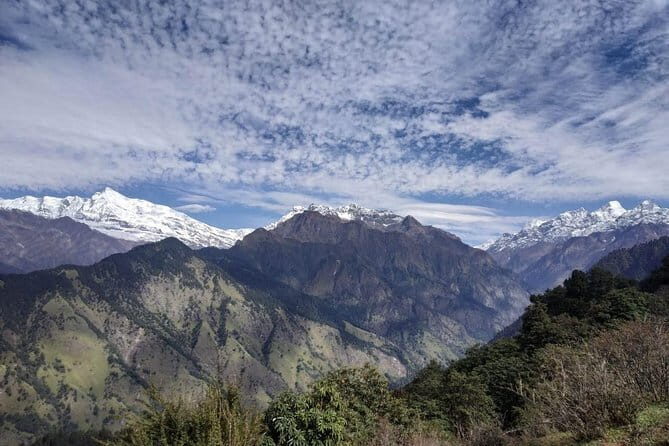
The drive portion is more than just transportation. Once you cross Kapkote, the route shifts into the high, vertical middle Himalayas. The day includes climbing up to a mountain pass at Vinayak, around 2700m asl, and then descending into the Pindar valley. On clear days, this is when you get your first “wow, that’s real” views of peaks including Maiktoli, Panwali Dwar, and Nanda Devi.
When you reach Kharkiya, you get a small reset—tea at simple roadside dhabas lined up at the end of the road. That’s a small detail, but it’s exactly how mountain travel feels: a quick warm drink before the next section.
Finally, you end the day in Khati. That transition—from road into forest path into village—makes the trek feel like a journey, not a sequence of hikes stapled together.
Sunrise climb to Bajling Dhar: where early starts meet birds
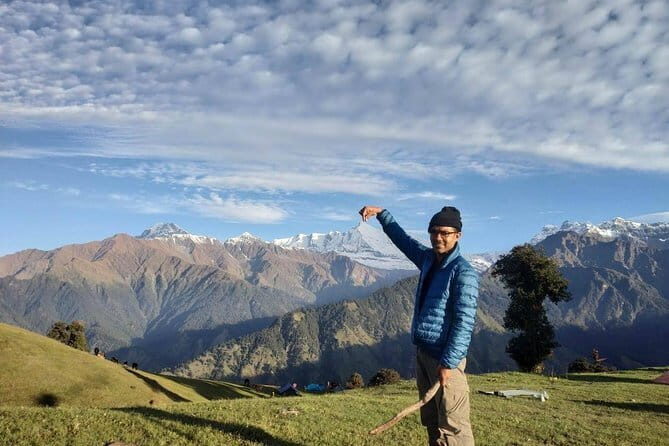
If Khati is the village base, day three is your “earn the views” day. You’ll get up early to try for sunrise over the peaks of Maiktoli—weather dependent, but that’s part of the deal. If the sky cooperates, this is the moment that makes people talk about this region with full sentences.
After early breakfast, you start a 4–5 km trek up to the high-altitude meadow of Bajling Dhar. The climb begins with a steep ascent from Khati, and the day’s timing suggests about 2–3 hours to reach the top of the rise. This is not a stroll. You don’t need to be an ultra-athlete, but you do need steady effort and patience.
The route passes the local school as you leave the village behind. That small detail adds meaning. You’re not just climbing a mountain; you’re moving along the pathways locals use and watching how daily life sits alongside the wilderness.
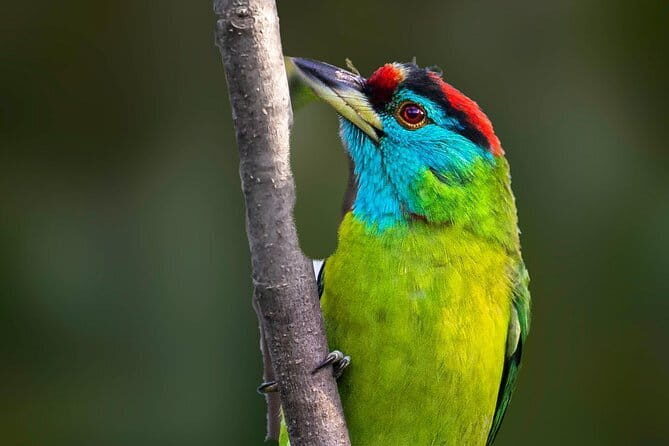
You’ll go through rhododendron, oak, and deodhar forests, cross a couple of streams, and then reach the meadow. Once there, the plan is to try for a glimpse of the Monal—the colorful state bird—along with other high-altitude bird chances on the way.
Practical tip from the way this day is described: carry enough water in your backpack. On a steep morning climb, “I’ll be fine” has a way of turning into “why didn’t I listen?”
And one more reality check: in the Himalayas, clear mornings are gold. If you don’t see the peaks or birds, the forest itself is still worth it—but you shouldn’t expect every morning to perform.
Khati village time: customs, warm homes, and keedajadi
Day four slows down on purpose. You descend back to Khati village by noon, and then the afternoon becomes a walk through the village focused on daily life.
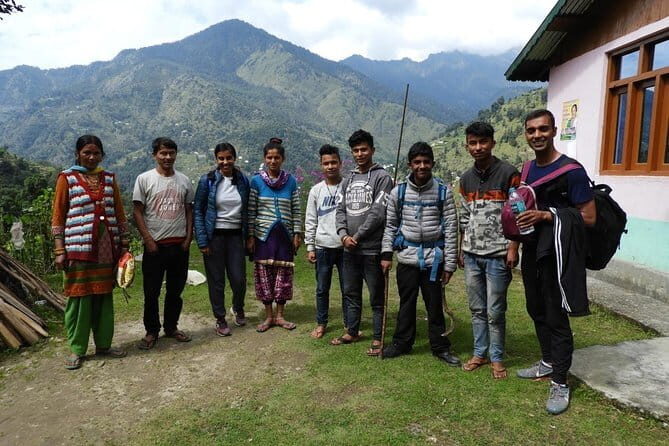
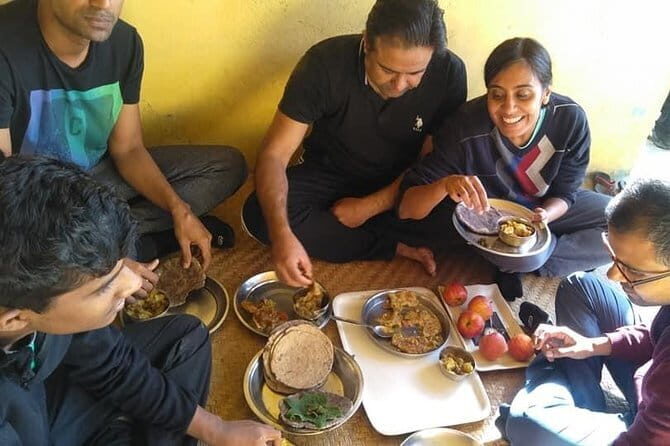
This is one of my favorite types of travel days because it doesn’t feel like a tourist script. The plan is to understand local customs and traditions and how people live in these remote parts. You’ll talk about what they grow and how they build homes to stay warm during harsh winters—practical architecture shaped by weather.
There’s also a specific, conversation-rich topic: journeys to glaciers, where people stay for months collecting keedajadi (a caterpillar used in Chinese medicine that can fetch a high price in the market). That’s not just trivia. It explains why some livelihoods in this region connect to seasons and hard-to-reach places, and why the wilderness isn’t only scenery.
Then you get evening time for tea and snacks at the guest house, followed by dinner and an overnight at Khati.
If you like travel that helps you understand how people make a living and survive cold seasons, this day is the payoff. If you prefer only movement and views, you might find it slower—but it’s still outdoors, still real, and it adds depth to the trekking you’ve been doing.
Dau and Jaikhuni bird time, then Kausani’s wide Himalayan views
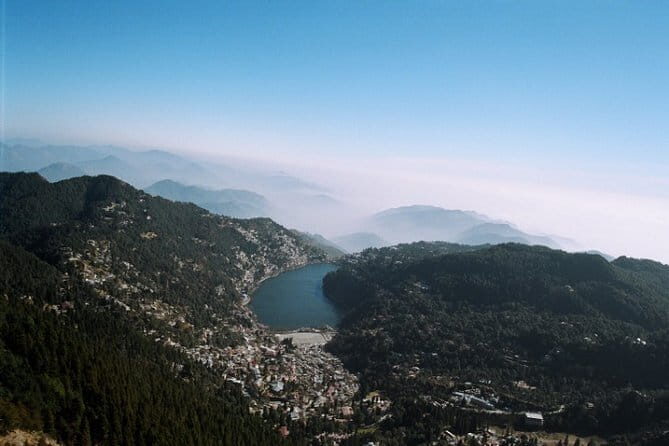
On day five, you head to neighboring villages for early birdwatching: Dau and Jaikhuni. You’ll trek about one kilometer from Khati to those spots, and the idea is to use the early hours for high-altitude birds. After that, you’ll visit a couple of local houses and then return for breakfast back in Khati.
This is a clever pairing: it keeps the morning active while giving you time to do the kind of quiet watching that birds often demand. You’re not rushing; you’re timing.
After a heavy breakfast, you pack and trek back to Kharkiya—listed as 1.5 hours—and then drive about 5 hours to Kausani. Kausani is the second big “view payoff” stop on this trip. It’s described as a place with a 180-degree view of the greater Himalayas, and you’ll have sunset time planned (weather dependent). Dinner and overnight are at a hotel.
The Kausani switch matters because it changes the feel of your trip. Khati is remote village trekking. Kausani is a classic hill-station-style base where the mountains sit dramatically in front of you. Even if the days feel similar on paper, the mood shifts.
Sunrise at Kausani, then back to Kathgodam for your Delhi train
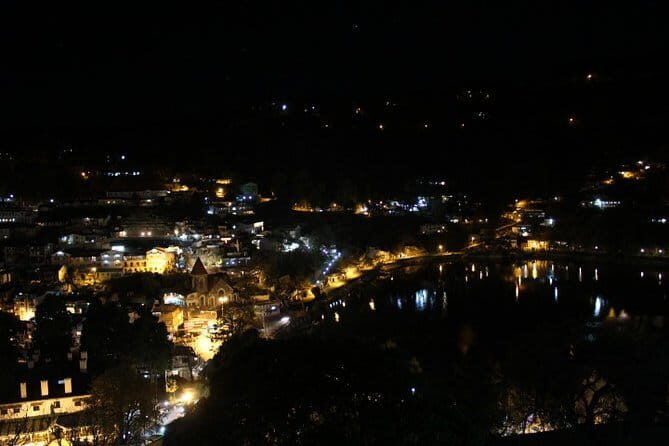
Day six is mostly about timing and comfort. You’ll get up early for sunrise and try for a majestic view of the Himalayan range (again, clear weather helps). After breakfast, you travel back to Kathgodam, with a listed drive time of 5–6 hours.
Your onward connection is planned via Shatabdi. The schedule here says a 3:35 pm Shatabdi takes you back to Delhi. That’s helpful if you’re building the rest of your trip around getting home without a midnight scramble.
This final day is a good reminder of how these trips work. The hiking days are physical, but travel days are where you need to manage energy. If you treat day six like a victory lap, you’ll enjoy it more and arrive less worn out.
Private guided trek value: why the small details matter
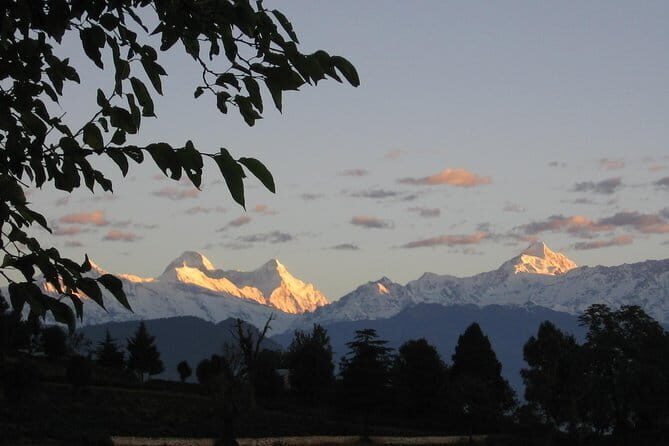
This is a private trek for just your group. That sounds like a sales line, but here’s what it means in real life.
First, your schedule can flex with your party’s pace. Second, the guide can focus on the things that matter—like where to stop for birdwatching, when to slow down on a steep ascent, and how to handle weather that changes fast. In the operator’s own communication, Sachin is mentioned as doing meticulous planning, and he’s also credited with support during rougher conditions (including rain) on at least one trip.
You also get included meals—breakfast (5), lunch (6), dinner (6)—which matters more than it sounds. In remote areas, food options can be limited, and when meals are handled for you, your day becomes simpler. You can focus on trekking, watching birds, and meeting the people you pass.
The trek also mixes lodging styles: hotel, homestay, and tent accommodation. That variety isn’t just for fun—it’s part of how you experience the region’s altitude zones and the way nights feel different as you move.
And you’ll have a mobile ticket, plus pickup is offered, which removes some friction at the start.
Price and what you’re really paying for ($599.87 per person)
At $599.87 per person, this isn’t a budget “walk in the hills on your own” deal. But it’s not just for the trekking view.
You’re paying for:
- Private transportation for the road portions
- Guiding and support across multiple trekking days
- Meals included (breakfasts, lunches, dinners)
- Mixed accommodation across the route (hotel/homestay/tent)
- Included admission for Kasar Devi Temple (and other temple visits listed as free)
That’s the value math: your biggest costs in remote trekking often aren’t only the trail itself—they’re food, transport, and logistics. When those are handled, you’re not spending mental energy guessing where to eat or whether the next ride will show up.
What’s not included matters for your planning:
- mineral water
- conveyance charges to and from Kathgodam
- tips
- insurance
So I suggest budgeting a bit for water and small extras. Also, keep a little cash aside for the kinds of things that pop up when you’re traveling in villages and stopping for tea along the way.
One more pricing thought: private treks often feel worth it when you’re chasing specific interests like birds and don’t want a mixed group tempo. This one leans hard into wildlife watching, so the private structure supports that goal.
What to bring and how to pace yourself (moderate fitness means “steady”)
The tour asks for moderate physical fitness. That’s the right phrasing for this itinerary. There are a few easy sections (like the 5 km forest walk to Khati), but there are also steep climbs and early mornings.
Based on how the trek is described, here’s what you’ll want to prepare for:
- Steep ascent days (especially the climb to Bajling Dhar)
- Early starts for sunrise and morning bird time
- Water needs—the itinerary explicitly tells you to carry enough water in your backpack
- Cold and weather risk—the experience requires good weather, and rain or cloud can change what you see
Pack with altitude reality in mind. Even if you’re not told exact temperatures, sunrise climbs in the Himalayas usually mean you’ll be adjusting layers fast. Wear footwear that grips on dirt and stone. Keep your pack manageable so you can hike comfortably for several hours.
And pace smart. On steep days, slow effort beats aggressive speed. You’ll enjoy the birds more when you’re not breathing like a drum.
Should you book this Khati village walk?
I’d book it if you want a Himalayan trek that treats people and wildlife as part of the journey—not just as scenery. The mix of forest trails, village learning, birdwatching, and view moments in Khati and Kausani makes this a strong choice for travelers who like nature plus human scale.
I’d skip (or at least go in with eyes open) if you hate travel days, dislike early mornings, or need perfectly smooth road access. The route to Khati can be affected by construction or tough conditions, and the experience also depends on weather.
If you’re planning around birdwatching and you like the idea of combining village conversations (including glacier-area livelihoods and keedajadi) with serious morning hikes, this tour matches that taste well.
FAQ
FAQ
Where does this tour start?
The tour starts at Kathgodam Railway Station, with pickup at 12:00 pm.
How long is the trek?
The experience runs for about 6 days.
What kind of lodging will I have?
You’ll have a mix of hotel, homestay, and tent accommodation during the journey.
Are meals included?
Yes. Breakfast is included for 5 days, and lunch and dinner are included (lunch for 6 days and dinner for 6 days).
Is this tour suitable if I’m only moderately fit?
The tour is listed for travelers with a moderate physical fitness level.
What happens if the weather is poor?
The experience requires good weather. If it’s canceled due to poor weather, you’ll be offered a different date or a full refund.