REVIEW · MADURAI
Madurai: City Highlights Temple and Market Tour
Book on GetYourGuide →Operated by Dhanabalan Perumal - Tourist Facilitator · Bookable on GetYourGuide
Madurai makes sense when someone explains it. This 4-hour private walk puts Meenakshi Amman Temple rituals next to the Thousand Pillars Museum, then adds market streets and a palace photo stop. I especially love how the guide connects Hindu stories and temple practice to what you’re looking at, not just dates and facts. I also love that the markets get real time, so you see daily Madurai, not only monuments.
One caution: the Thirumalai Nayakkar Mahal stop may be limited if restoration work is underway. The rules can also catch you off guard: plan on no cellphones and no flash at the temple sites, so keep your photo plan simple.
In This Review
- Key highlights worth showing up for
- Starting at SPS Tiffins near Meenakshi’s south entrance
- Meenakshi Amman Temple: carvings, rituals, and the logic of worship
- Thousand Pillars Museum: why the “pillars” matter
- Elu Kadal Street and the market route that feels local
- Thirumalai Nayakkar Mahal photo stop, with restoration in mind
- Ritual viewing and the guide’s role in helping you see at the right moment
- Price and value: what $38 covers for a private guided highlights loop
- Who this tour fits best (and who might want something else)
- Should you book this Madurai highlights tour?
- FAQ
- FAQ
- Where is the meeting point?
- How long is the tour?
- Is this a private tour?
- What language is the guide?
- What’s included in the price?
- What is not included?
- Does the tour help you skip ticket lines?
- What items are not allowed during the experience?
- Are cellphones allowed?
- Can I cancel and get a refund?
Key highlights worth showing up for
- Meenakshi Amman Temple guidance that explains what you’re seeing as you move through the complex
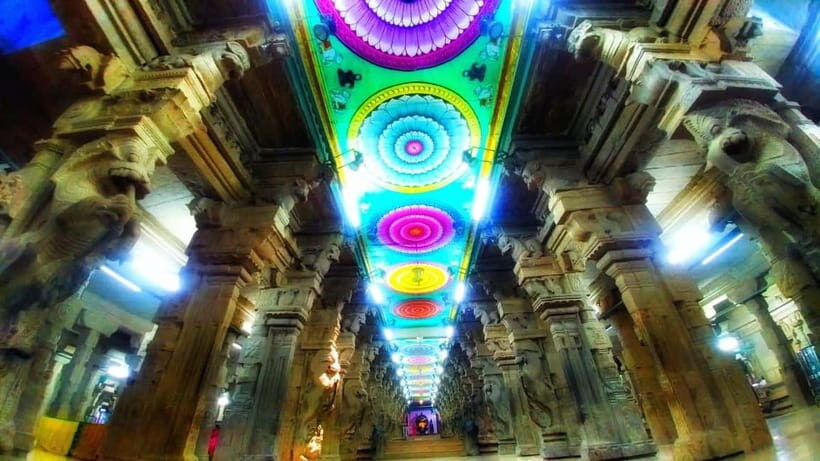
- Thousand Pillars Museum interior views that turn architecture into story
- A market-focused route, including a banana market photo stop
- Thirumalai Nayakkar Mahal photo moments, with restoration limitations possible
- Ritual viewing support, helping you catch ceremonies at the right spots without stress
Starting at SPS Tiffins near Meenakshi’s south entrance
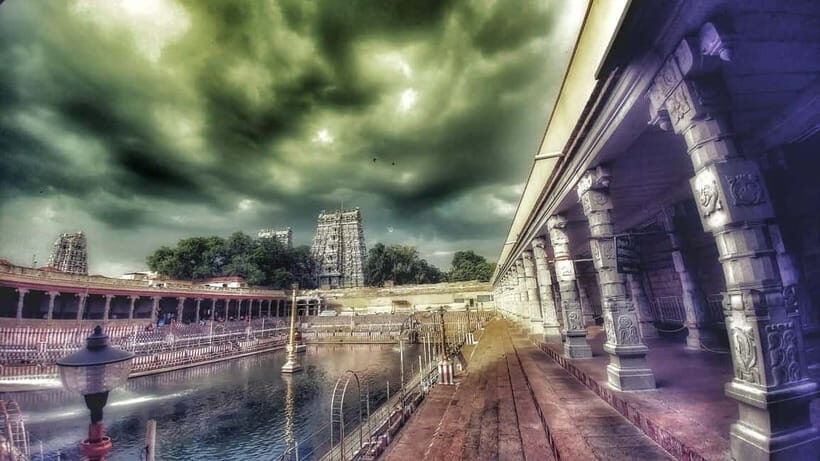
I like tours that start where the action is, not where you have to guess your way there. This one meets near the south entrance of Meenakshi Temple, with the walk beginning around the SPS Tiffins & Fruit Shop area (the place associated with Madurai-style jigarthanda). That’s a smart anchor point because you’re already in the temple zone, and your guide can help you get oriented immediately.
It’s a private group, and the tour runs about 4 hours. That timing matters in Madurai. You’ll have enough minutes for temple attention, a museum stop, and market wandering—without feeling like you’re sprinting from one famous spot to another.
There are also a couple of rules to plan around. The activity notes say no professional cameras, no flash photography, no video recording, and no electronic devices like cellphones. So if you’re the type who documents everything, you may need to adjust your expectations. Bring a small bag, water if you’re allowed to carry it, and keep your focus on observing rather than shooting.
Finally, one detail I really respect: a local guide can sometimes coordinate a start time to help you avoid long queues. In at least one case, the guide checked if an earlier start like 5:30am would work to save time and allow more meaningful conversation. If you can do early, you’ll likely enjoy a calmer visit.
You can also read our reviews of more city tours in Madurai
Meenakshi Amman Temple: carvings, rituals, and the logic of worship
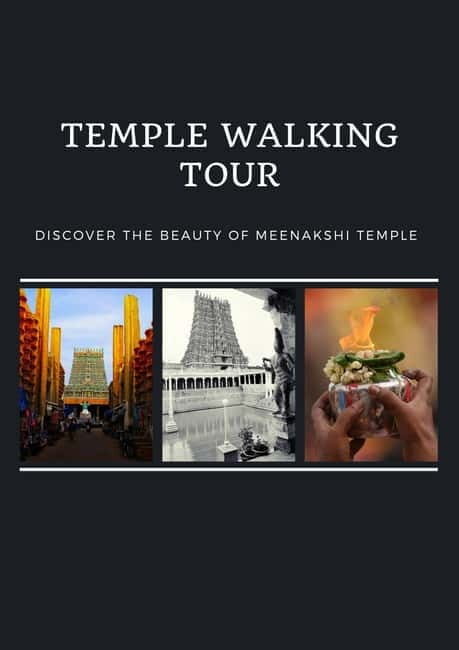
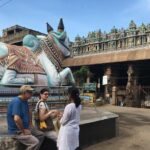
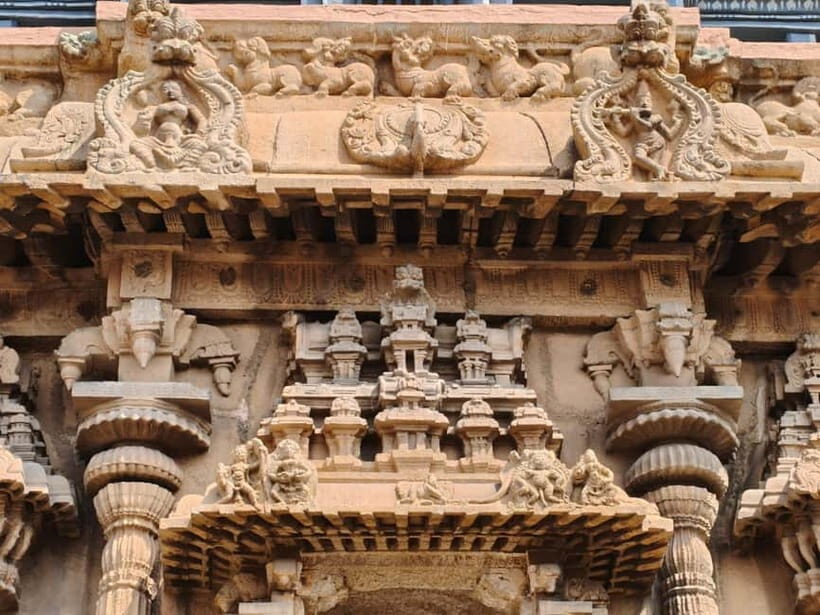
Meenakshi Temple is the kind of place that can feel overwhelming on your own. With a guide, it becomes readable. You’re not just looking at statues and towers—you’re learning how worship works here and why certain details matter.
Expect a guided walk through the temple area with a strong emphasis on tradition and ceremony. Your guide (Dhanabalan Perumal, who you may hear called Balan) is there to explain temple history, Hindu mythology, and everyday worship practices. That storytelling is the difference between seeing “a lot of stuff” and understanding what the symbols are doing.
In practice, this kind of temple-focused guidance helps you avoid the common problem of wandering aimlessly. When you know what you’re looking at—what a shrine represents, what rituals signal, why people move the way they do—you move with purpose. And when a ceremony happens around you, you’re more likely to understand what’s unfolding instead of only noticing motion and chanting.
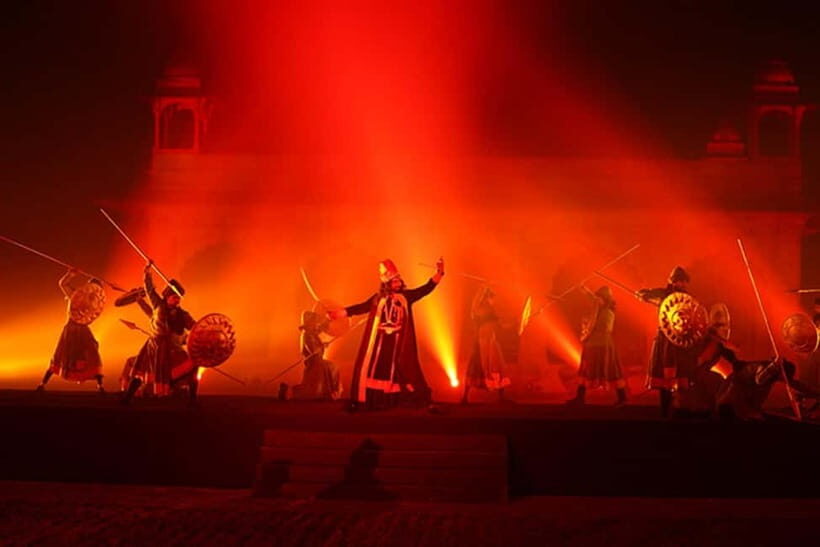
You’ll also see the temple as a living space, not a frozen museum piece. The experience is built around that spiritual rhythm, including the chance to observe rituals and ceremonies. If your timing aligns with an evening program, you may even catch a more festival-style atmosphere. One guide-led account includes the wow-factor of seeing the temple’s many statues during a night festival, described as a spectacular visual scale.
Thousand Pillars Museum: why the “pillars” matter
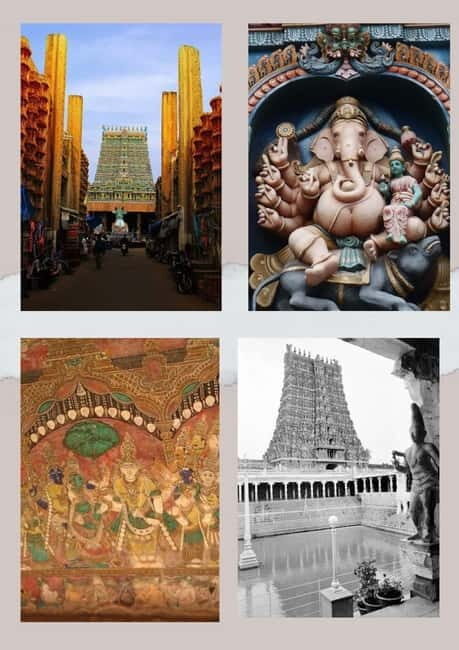
After Meenakshi, the Thousand Pillars Museum stop is short but rewarding. The point isn’t just to say you saw a museum. It’s to understand how architecture carries meaning in Tamil temple culture.
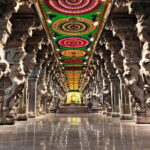
You’ll get a guided sightseeing segment here, around 20 minutes. That sounds brief, but it’s the kind of stop where a guide helps you notice the right things quickly: the way the interior is laid out, how the stone work creates visual patterns, and why the space is famous for its pillar design.
If you’re the type who likes to connect form to function, this is a good match. You start to see how art supports ritual movement and how temple-adjacent spaces preserve craft traditions. Even if you’re not a “museum person,” the guide’s explanations can turn it into a visual lesson rather than a time sink.
The practical angle: because photography rules can be strict at temple-related sites, treat your eyes as the main camera. You’ll remember the geometry and the interior feel more than any single photo.
Elu Kadal Street and the market route that feels local
This is where the tour earns its keep for me. Madurai’s markets aren’t decoration. They’re part of the city’s daily life, and walking through them with a guide helps you read what you’re seeing.
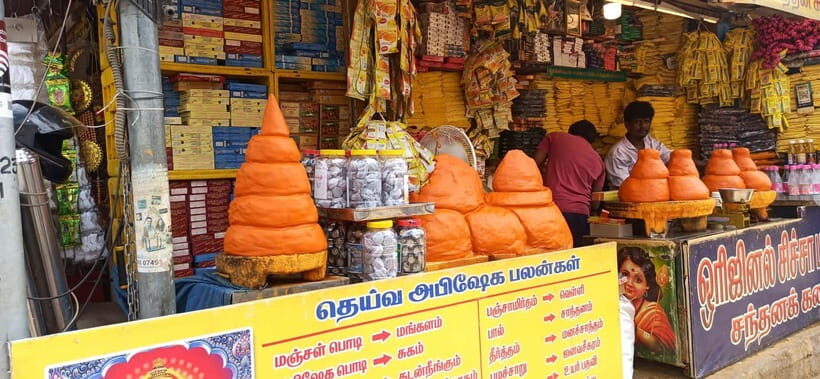
You’ll stop at Elu Kadal Street for a short guided visit and sightseeing. You also get a dedicated pause for a banana market photo stop. Those choices might sound small compared to Meenakshi, but they do something important: they balance the spiritual focus with an everyday slice of Madurai.
Market time helps you understand context. When you’ve just come from a temple complex, it’s easy to think the city only revolves around ceremonies. The market route resets that. You see how people move, shop, and talk. You get a sense of what’s important day-to-day—produce, small stalls, quick purchases, and the rhythm of street commerce.
Photo-wise, keep it simple. Even if flash and certain recording are restricted in temple zones, the market areas are usually less strict—but still be respectful. Your guide can point out where it’s easiest to photograph without blocking customers.
And because this is a walking tour, you don’t have to ride around and guess where the interesting streets are. Your guide does that routing for you, so you spend your energy looking instead of navigating.
Thirumalai Nayakkar Mahal photo stop, with restoration in mind
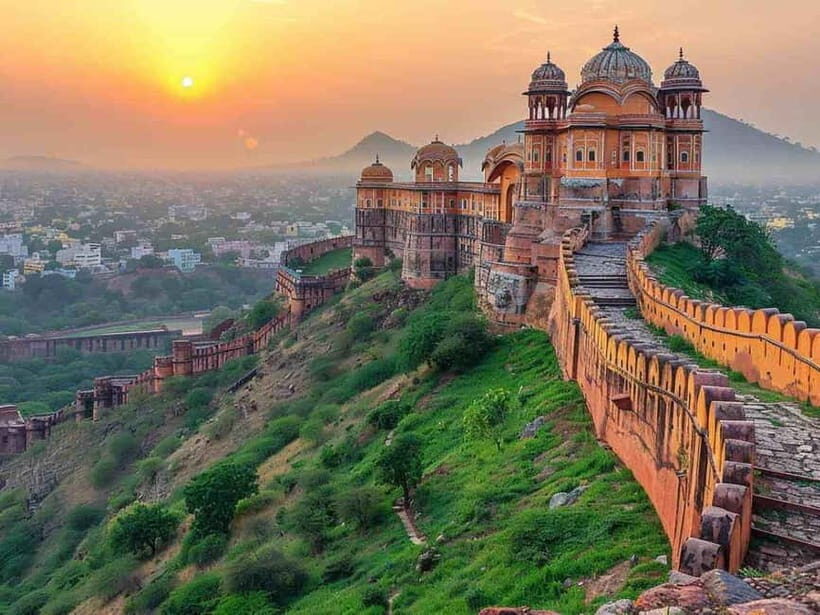
The final major named stop is Thirumalai Nayakkar Mahal. Plan for a photo stop plus a guided look around for about 30 minutes.
Here’s the key practical thing: restoration work can affect what you can actually see. One guide-led experience notes the palace was under restoration, which reduced what was visible. So when you come, adjust your expectations. Think “photo moment and exterior/accessible views,” not “fully staged palace tour.”
That said, the palace is still worth the visit. Even partial views can give you a feel for the scale and style of the structure, and a guide can point out features you might miss if you’re only scanning for the postcard angle. If you’re into architecture and dynastic influence in Tamil Nadu, this stop adds a different chapter after the temple focus.
If your photos matter most, bring your best patience. The rules at temple sites may limit electronics, and restoration may limit access here. Your best plan is to enjoy the experience first, photos second.

Ritual viewing and the guide’s role in helping you see at the right moment
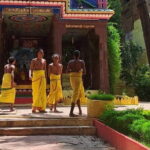
The tour’s highlights emphasize seeing traditional rituals and ceremonies. That’s not just a marketing line—it’s why a guide matters so much in religious spaces.
A good guide can help you:
- know where to stand when a ceremony begins
- understand what the ritual is connected to
- avoid stepping into areas that are meant for worshippers, not sightseeing
This is especially valuable in a place like Meenakshi Temple, where timing and flow affect what you experience. In one case, a guide (Dhanabalan Perumal) helped adjust the start time early enough to reduce waiting and increase time for explanations. That kind of planning means you’re more likely to see ceremonies with context rather than only catching fragments.
Also, the guide approach can affect the pace. One documented experience praises patience and careful explanations, plus the guide offering extra walking help after the main tour without being pushy. That’s a good sign if you’re the kind of traveler who wants a little extra direction once the formal portion ends.
Price and value: what $38 covers for a private guided highlights loop
At $38 for a private group (up to 1), the value depends on how you’ll use the included pieces. Here, you get entry fees and a private tour guide, plus the benefit of skipping the ticket line. Those three items can add up fast if you’re buying entry separately and waiting around.
The rest of the cost picture is simple:
- You handle your own spending (food, snacks, personal shopping).
- There’s no pick up/drop included, so you’ll meet at the temple area and return on your own.
For me, the best value isn’t just the money saved. It’s the time saved and the context gained. Meenakshi Temple without explanations can feel like noise. With a guide who connects Hindu mythology and worship practices to specific visuals, you’re paying for understanding. That’s harder to quantify, but it’s exactly what makes this tour feel worth it.
If you’d rather explore independently and you already know Hindu temple symbolism well, you might not need a guided format. But if you want a guided “guided meaning” day that still includes market life, this price structure makes sense.
Who this tour fits best (and who might want something else)
This walking tour is a strong match if you:
- want a temple-first Madurai experience with added context
- like when someone explains what’s happening, not just where it is
- enjoy markets and street life as much as major monuments
- want a private English guide for flexible pacing
It may be less ideal if you:
- need unrestricted phone use for photos and video (the site rules explicitly restrict electronics and recording features)
- only want interior museum time and don’t care about ceremony viewing
- can’t handle walking segments and short transitions between stops
If you can do early morning, you’ll likely enjoy calmer temple conditions and more room for conversation. If you can’t, don’t panic. The guide can still help you focus on the right places at the right times.
Should you book this Madurai highlights tour?
I’d book it if you want a 4-hour Madurai sampler that actually teaches you something. The biggest reasons to choose it are the Meenakshi Temple context and the market stops that keep the day grounded in real life. Add in the private English guide (Dhanabalan Perumal/Balan) and included entry fees, and the value becomes practical.
I’d hesitate only if you’re expecting unlimited photos and full palace access. Restoration can limit Thirumalai Nayakkar Mahal views, and the activity rules restrict certain devices and recording. If you can adapt to those realities, you’ll likely leave with a clearer sense of how Madurai’s sacred traditions connect to its street-level rhythm.
FAQ
FAQ
Where is the meeting point?
You meet near the south entrance of Meenakshi Temple in Madurai.
How long is the tour?
It lasts 4 hours.
Is this a private tour?
Yes, it’s a private group.
What language is the guide?
The live tour guide speaks English.
What’s included in the price?
Entry fees and a private tour guide are included.
What is not included?
Your own expenses are not included, and pick up/drop is not included.
Does the tour help you skip ticket lines?
Yes, it includes skip-the-ticket-line access.
What items are not allowed during the experience?
Weapons or sharp objects, drones, professional cameras, flash photography, alcohol and drugs, chewing gum, and video recording are listed as not allowed.
Are cellphones allowed?
No. Cellphones are listed as not allowed, along with other electronic devices.
Can I cancel and get a refund?
Free cancellation is available up to 24 hours in advance for a full refund.