REVIEW · KOCHI
Kochi: Kathakali Evening Show with Transfers
Book on GetYourGuide →Operated by Trip Buggy · Bookable on GetYourGuide
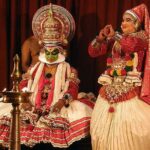
Makeup tells the story first. In Kochi, I love how pre-show Kathakali makeup turns performers into living myth in a way you can actually watch happen. It’s part theatre, part craft lesson, and it sets the mood fast.
I’m also a big fan of the live music and dance-drama format. When the chenda and maddalam start up and the actors shift into character, you feel like the stories from Kerala’s classical tradition are being performed at you, not explained at you.
One thing to consider: the evening can include a decent amount of narration, and a few people felt the pace around the makeup could be clearer. If you like your shows tight and quick, go in expecting a slow-build.
In This Review
- Key highlights you’ll care about
- Kathakali in Kochi: Why This Evening Works
- Getting There From Napier Heritage Fort and Your Hotel
- The Pre-show Makeup Session: Watch the Transformation
- Inside the Performance Hall: Music, Lamps, and Action
- How You Follow the Story Without Knowing Every Word
- What Makes the Costume and Eyes So Important
- Transfers, Group Size, and Why They Matter for Your Evening
- Photography Rules and Tips for Better Shots
- Price and Value: Why $11 Can Still Feel Like a Lot
- Who This Kathakali Evening Is Best For
- Should You Book This Kathakali Show With Transfers?
- FAQ
- How long is the Kathakali evening experience?
- What does the tour include?
- Do I need to arrange my own transport in Kochi?
- Where does the experience start?
- Is there an English guide?
- Can I take photos or videos?
- Is food or drinks included?
- Is the event suitable for someone with a wheelchair?
- How many people are in the group?
- What’s the starting time?
Key highlights you’ll care about
- Pre-show makeup demonstration shows how the face becomes character, using natural pigments and rice paste
- Live chenda and maddalam give the performance its muscle and momentum
- English live guidance helps you follow the plot even when the dialogue is classical
- Small group (up to 8) keeps it more personal in a smaller hall setting
- Round-trip hotel transfers from Kochi or Ernakulam remove evening hassle
- No flash photography, but photos and videos are generally welcomed (without flash)
Kathakali in Kochi: Why This Evening Works
A Kathakali evening show in Kochi is not just “watch dancing.” It’s closer to watching a story get built in real time—face, body, voice, and rhythm all snapping into place. The big win here is that you don’t only see the finished product. You get the build-up.
You’ll start with the pre-show makeup. That’s where the magic turns practical. You see the materials, the colors, and the method behind those intense, expressive faces. Then you move into the performance itself, a dance-drama built from gestures, facial expressions, and stylized movement.
And because this tour includes hotel transfers and an English guide, you’re not spending your evening playing transport detective. In Kochi, that matters. Traffic, timing, and where you end up can turn a “simple plan” into a late-night scramble. This one is designed to keep you focused on the show.
You can also read our reviews of more evening experiences in Kochi
Getting There From Napier Heritage Fort and Your Hotel
The evening starts around Napier Heritage Fort Kochi, a good base area if you’re staying nearby. If you choose pickup, you’ll be collected from your hotel in Kochi or Ernakulam and taken to the venue for the show.
This kind of transfer is worth paying attention to because Kathakali shows run like performances, not like museums. You want to arrive with time to settle in before the makeup demonstration. Being on schedule also helps if you want good seating before the lamps go up and the music starts.
Good news: people report the pickup feeling smooth, with drivers arriving early and sharing details ahead of time. That’s exactly what you want for an evening activity.
The Pre-show Makeup Session: Watch the Transformation
This is one of the most memorable parts. The performers go through a makeup demonstration right before the show, and you get a behind-the-scenes look at how they make their characters.
What you’ll see:
- Natural pigments and rice paste used to build the face
- Vivid colors applied to create strong expressions and dramatic identities
- A system where color codes signal traits like good, evil, power, and spirituality
If you’re the type who loves details, this portion pays off. You’ll start recognizing what you’re looking at once the performance begins. That means later, when an actor’s face locks into a fierce look or shifts into something devotional, you’ll understand it’s not random acting. It’s part of a codified language.
One small caution: some people felt the timing around the makeup session could be clearer. If you’re sensitive to waits or you hate long explanations, keep a relaxed mindset. The makeup is the point, but it may not feel like a quick stop.
Inside the Performance Hall: Music, Lamps, and Action
After the makeup, the atmosphere shifts quickly. Lamps are lit and traditional percussion begins—especially the chenda and maddalam. The hall setting matters here. These are not loud outdoor concerts where you catch only half the story. This is an intimate performance space where movement, facial expression, and rhythm land clearly.
Then the show starts: Kathakali is a dance-drama, which means it’s storytelling through more than steps. You’ll see:
- Mime-like acting and stylized movement
- Live music supporting the performers
- Hand gestures (mudras) that communicate meaning
- Facial expression styles tied to emotion and narrative
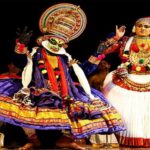
Expect the performers to enter in full character. You’ll see ornate costumes, flowing skirts, headgear, and those iconic painted faces. The intensity can be startling at first—then it becomes addictive once you realize how controlled it all is.
How You Follow the Story Without Knowing Every Word
Kathakali stories often draw from ancient Indian epics like the Mahabharata and Ramayana. The themes are big: battles between gods and demons, divine interventions, and human virtues.
But the show doesn’t rely on you catching spoken plot points. It runs on visual grammar:
- Mudras (hand gestures) carry meaning
- Facial expression techniques (navarasas) communicate emotion
- Body movement punctuates conflict, resolve, and transformation
Language can be classical Malayalam or Sanskrit, but you don’t have to fear being lost. This experience includes English commentary through a live guide, so you can connect the dots as the drama unfolds. That’s a huge value add if you want the art form, not just the spectacle.
A few more Kochi tours and experiences worth a look
What Makes the Costume and Eyes So Important
Kathakali isn’t subtle. The costumes are full-on symbolism: layered textures, heavy headpieces, and striking colors that help you track who’s who even from across a hall. The facial painting does the same work, turning a performer into a recognizable character type fast.
One detail worth noting: the performers’ eyes are lined with natural dyes. You’ll see that the eyes move in dramatic rhythms, pushing emotion forward—rage, devotion, authority. It’s one of those small elements that suddenly clicks once you’ve seen the makeup stage.
So if you’re wondering what to “look for,” here’s your cheat code: pay attention to the face first, then the hands. If the face shows the emotional state, the hands show the meaning.
Transfers, Group Size, and Why They Matter for Your Evening
This tour keeps the group small—limited to 8 participants. In practice, that usually means you spend less time herding people and more time settling in. It also helps if the venue feels snug. Kathakali performances can be intense, and having space to see and focus helps.
You also get round-trip transfers from your Kochi or Ernakulam hotel. That’s not just comfort. It’s time management. Kathakali runs on a schedule, and you don’t want to burn your evening figuring out buses or negotiating late-night rides after the show.
Also, the tour notes a skip-the-ticket-line benefit. Even if the line isn’t long, it can still buy you peace of mind.
Photography Rules and Tips for Better Shots
This experience has one clear rule: no flash photography. That keeps the performers’ attention and the hall atmosphere intact.
Beyond that, you might find photography encouraged rather than discouraged. People have noted that they were able to take close-up pictures during the makeup stage, and performers were happy to pose. So bring your camera, but keep it respectful:
- Turn off flash
- Stay out of the performers’ way
- Get your best shots during the makeup stage, when faces and materials are clearly visible
If you want video, try to keep your phone low and steady. You’ll get better results and you won’t block anyone.
Price and Value: Why $11 Can Still Feel Like a Lot
At around $11 per person, this is one of those deals that feels surprisingly fair—especially because the cost includes more than just a seat.
You’re paying for:
- Round-trip transfers from Kochi or Ernakulam hotels
- A pre-show makeup demonstration
- The full Kathakali performance
- A live English guide
In Kerala, transport and guide time add up quickly for evening activities. So when the price stays low while the package covers logistics and the main cultural event, that’s where the value lands.
The only real “extra” cost you should plan for is food and drinks, since those aren’t included. If you’re hungry, eat earlier or keep a simple plan for before or after the show.
Who This Kathakali Evening Is Best For
This experience is a strong fit if you want:
- A classic Kerala cultural performance you can follow in English
- A hands-on element before the show (the makeup session)
- A low-stress plan with hotel pickup and return
- A smaller group evening activity
It also works well for first-timers. Kathakali can look complicated at first glance, but the show’s structure plus English commentary helps you understand what you’re seeing.
Who might find it less ideal: if you dislike narration or you hate any part of a show that feels like explanation rather than pure action, the evening pace may feel slower. The makeup session and commentary are part of the experience—so go in expecting that rhythm.
Should You Book This Kathakali Show With Transfers?
I’d book it if you’re doing Kochi for a short stay and you want one high-impact cultural night without the hassle. The combination of pre-show makeup, live music, English guidance, and round-trip transfers makes it a smart way to spend an evening.
Skip it only if you’re very sensitive to pacing and prefer ultra-minimal talk during performances. Otherwise, this is exactly the kind of tradition you’ll remember: face paint becomes character, rhythm becomes story, and you watch the epic drama take shape in front of you.
FAQ
How long is the Kathakali evening experience?
It’s listed as 1 day total, and the Kathakali dance show portion is about 2 hours, with the pre-show makeup demonstration included.
What does the tour include?
It includes round-trip transfers from hotels in Kochi or Ernakulam, a pre-show makeup demonstration, and the Kathakali dance performance.
Do I need to arrange my own transport in Kochi?
No, if you select the pickup option you’ll get round-trip transfers from your hotel in Kochi or Ernakulam.
Where does the experience start?
The starting location is Napier Heritage Fort Kochi.
Is there an English guide?
Yes. The tour includes a live tour guide in English, and the show includes English commentary.
Can I take photos or videos?
Flash photography is not allowed. Photos and videos are generally encouraged, including close-up pictures during the makeup stage, as long as you follow the no-flash rule.
Is food or drinks included?
No. Food and drinks are not included.
Is the event suitable for someone with a wheelchair?
Yes. The activity is wheelchair accessible.
How many people are in the group?
It’s a small group limited to 8 participants.
What’s the starting time?
Starting times depend on availability for that day, so you’ll want to check available start options when you reserve.