REVIEW · JODHPUR
jodhpur: street food tour with over 8 food tastings
Book on GetYourGuide →Operated by jodhpur blue city tour · Bookable on GetYourGuide
Street food in Jodhpur is a flavor sprint. In this 2-hour walk, you’ll get over 8 tastings and a local guide who takes you through the city’s everyday food spots, including the clock-tower market and the small lanes where locals actually eat.
What I like most is the straightforward focus: you don’t just taste food—you learn how the market works and why these dishes fit Jodhpur life so well.
My second big win is the drinks and sweets. You’ll sip masala tea from a clay pot and work your way through creamy lassi and classic treats like gulab jamun. The only catch: you’ll leave full, so come hungry and expect spicy, fried, and sweet flavors in quick succession.
In This Review
- Key highlights you’ll feel right away
- Why Jodhpur street food hits differently in the Blue City
- Meeting your guide near your hotel (and why it matters)
- Clock Tower Market: start with samosa, lassi, and the street’s energy
- Clay-pot masala tea on the way: your palate’s reset button
- Pani puri and dahi bada: sour, crunchy, and built for instant satisfaction
- Gulab jamun and old-school sweets: the finish you’ll remember
- How much you’ll eat (and how to show up)
- Price and value: what $21 buys you in real terms
- Where this tour fits on your Jodhpur itinerary
- Practical tips for enjoying the walk without regretting it
- Should you book this Jodhpur Blue City street food tour?
- FAQ
- How long is the Jodhpur street food tour?
- What’s the price per person?
- Is this tour private?
- What languages does the guide speak?
- Do I get hotel pickup and drop-off?
- How many food tastings can I expect?
- What food and drinks are included?
- Is a guide tip included in the price?
- What’s the cancellation policy?
- Do I need to pay right away?
Key highlights you’ll feel right away
- Over 8 tastings in 2 hours so you can try a lot without planning your own route
- Clay-pot masala tea and lassi to balance fried street food
- Clock Tower Market stop for the kind of browsing and people-watching you can’t fake
- Pani puri and dahi bada for the sweet-sour-crunch combo street food is famous for
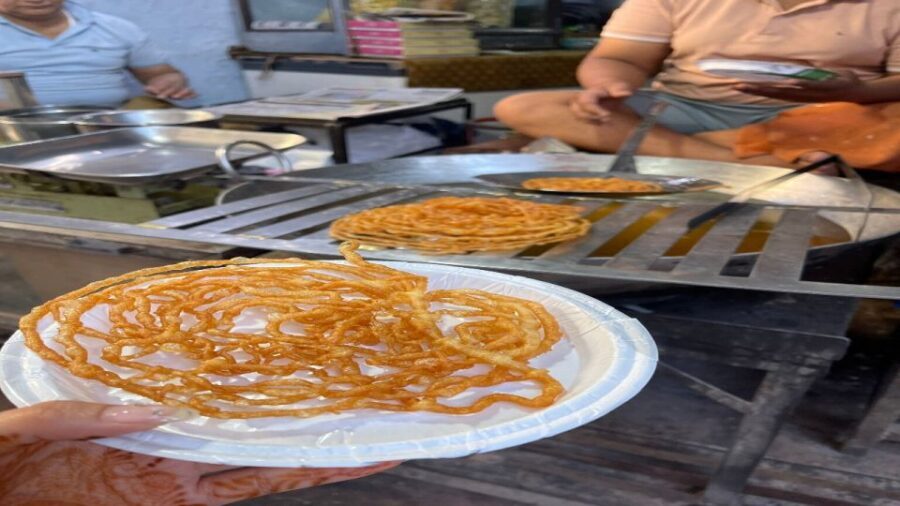
- Gulab jamun and other sweets at a long-running sweets shop for a proper finish
- Nagendra’s guidance in English and Hindi, with picky choices to keep things smooth and safe
Why Jodhpur street food hits differently in the Blue City
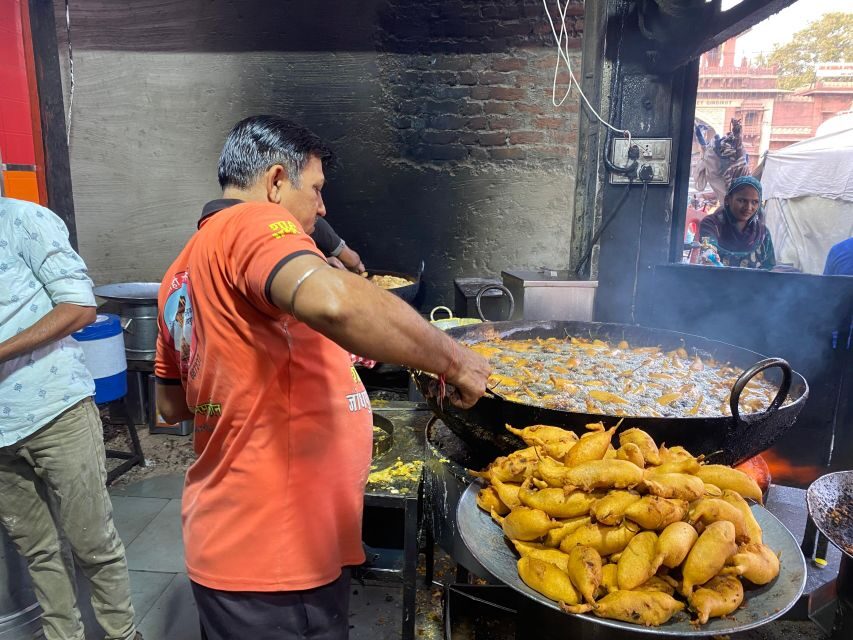
Jodhpur’s food scene is built for walking. You’re not dealing with fancy set-ups or long waits. You’re moving through tight market streets where spices are part of the atmosphere, and the food is designed for speed, sharing, and repeat visits.
That’s why this tour feels practical. You get a compact route through key market areas, and you taste a spread that covers savory starters, tangy snacks, and finished-off sweets. The “Blue City” flavor also matters here. In Jodhpur, the streets and buildings aren’t just scenery—they shape what vendors sell and how people move through the day.
If you like eating like a local, you’ll enjoy the flow. You’ll sip tea, grab crunchy snacks, then sit with a sweet—almost like your stomach is following the same storyline as the neighborhood.
You can also read our reviews of more food & drink experiences in Jodhpur

Meeting your guide near your hotel (and why it matters)
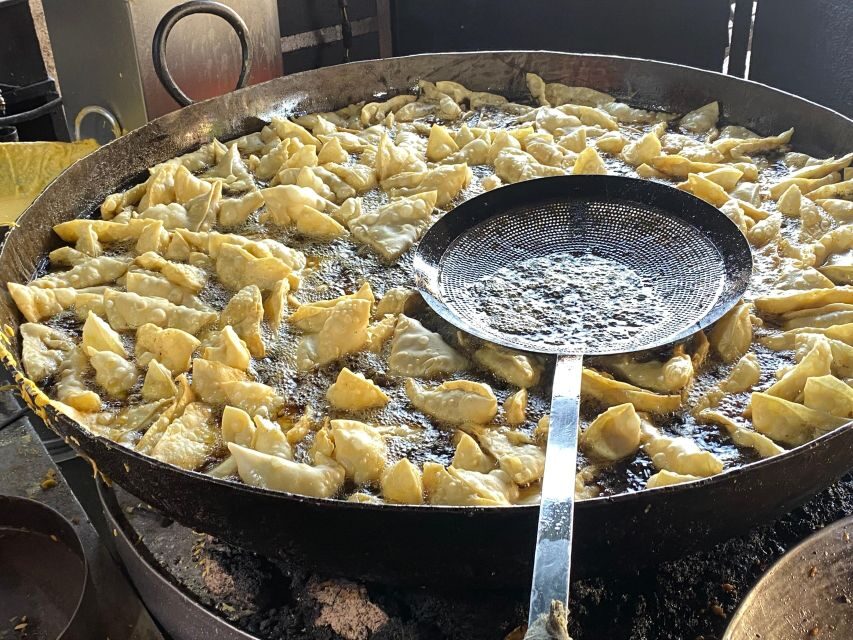
You’ll meet your local guide near your hotel and then start the walk shortly after pickup. The pickup happens about 5 minutes before the tour begins, and you’ll get hotel pickup and drop-off, so you’re not juggling taxis or figuring out where to start.
This is also a private group setup, and the guide speaks English and Hindi. That matters because street food tours can get shaky when you can’t ask questions. Here, you can talk through what you’re tasting and why each vendor is using that particular style of spice, texture, and serving method.
A detail I appreciate: the guide doesn’t run on autopilot. Based on what I’ve seen from other tours with Nagendra (the main guide name), he tends to adapt the stops to what your group can handle. If you’re extra hungry, you’ll move fast. If you’re getting full, you won’t get dragged through portions that feel like punishment.
Clock Tower Market: start with samosa, lassi, and the street’s energy
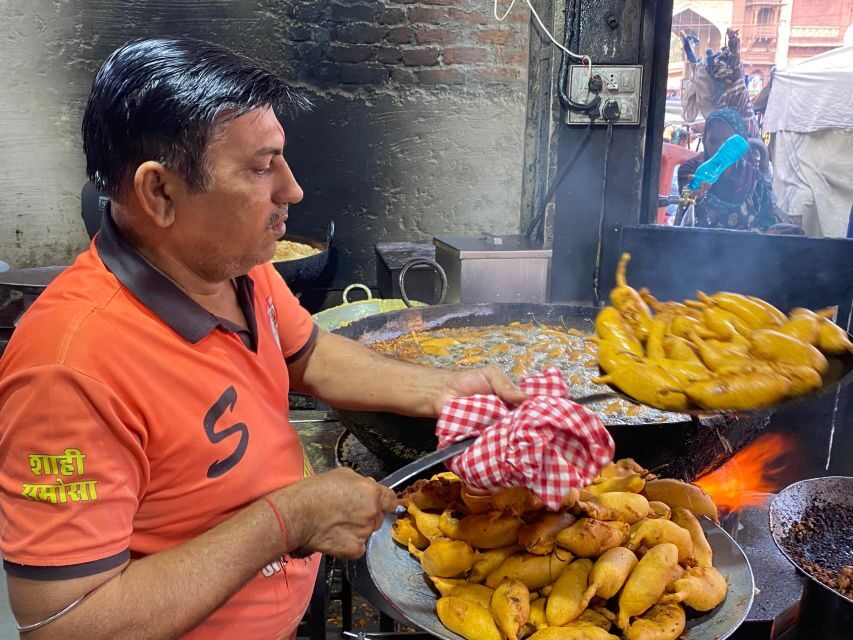
The first real taste zone is the Clock Tower market area. This is where the tour helps you get oriented. You’ll see vendors selling everyday snacks and ingredients, then you’ll jump right into classic comfort food.
You’ll start with items like samosa, and you’ll also drink lassi in the market area. Lassi is a smart opener because it cools down the spice and gives you something creamy to reset your palate. The market context helps too: you’re not tasting in a vacuum. You’re tasting while watching how people order, where they line up, and how fast plates move.
One small practical win: the guide also helps you read the street. In one account, the guide pointed out what feels safe to eat—basically steering you toward vendors set up for high turnover and fresh prep. That’s the kind of information you can’t easily learn from a quick guidebook stop.
And yes, expect the typical street-food “front seat” feeling. You’re close enough to smell hot oil and spice mixes, and that makes every bite feel more connected to the place.
Clay-pot masala tea on the way: your palate’s reset button
Right after you start walking, you’ll sip masala tea made with a clay pot. That’s not just a cute detail. Clay-pot tea often tastes fuller and a little different than tea poured from metal dispensers, and it can change how your first savory bites land.
Think of it like a palate reset mid-walk. Street food can swing from crunchy to sour to rich desserts fast. Tea gives your mouth a warm, spiced baseline so later tastings don’t feel like they’re all fighting at once.
If you’re sensitive to strong spices, tea can help you slow down without stopping the tour. If you love heat, it can make the next snack taste even more intense in the best way.
Pani puri and dahi bada: sour, crunchy, and built for instant satisfaction
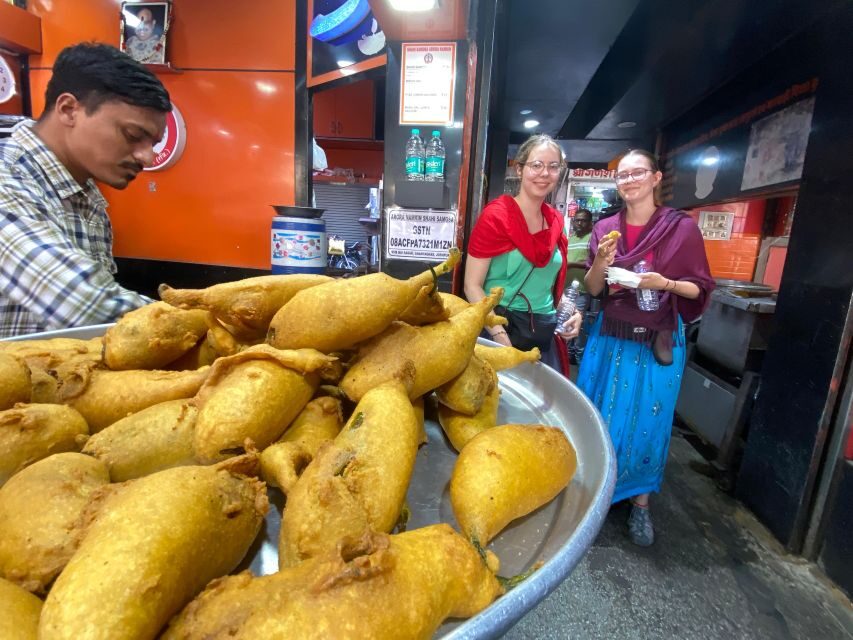
After the market start, the walk continues to more street snack stops. This is where you get to go beyond the “I’ve heard of it” foods and actually taste the variety.
Two highlights here are pani puri and dahi bada. Pani puri delivers a quick hit: crisp shells, tangy filling, and that pop of flavor that makes you want another bite immediately. Dahi bada adds a different texture—soft and creamy with sour notes—so your snack experience isn’t just fried and crunchy all the time.
One reason I like this part of the tour is pacing. You’re moving through the city and changing textures every few stops. That keeps your stomach from feeling like it’s only absorbing oil and salt.
Also, you’re walking through regular local selling areas, not a special “tour-only” lane. That’s where you get the real rhythm of the neighborhood—vendors calling out, customers passing through, and everyone keeping things flowing.




Gulab jamun and old-school sweets: the finish you’ll remember
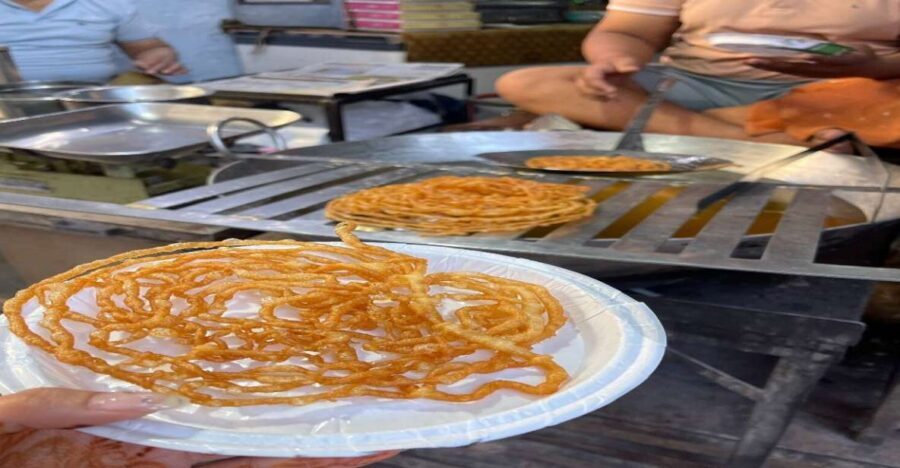
You’ll keep walking and eventually reach a sweets stop known for a 120-year tradition—Chatarbhuj sweets (spelling varies, but the landmark name is clear). This is where gulab jamun enters the story, along with other sweets like cashew sweet depending on what’s available on the route.
Gulab jamun is a heavy hitter: soft fried dough balls soaked in syrup, usually served warm or at least freshly prepared. It’s rich, sticky, and sweet in a way that makes sense after savory snacks. In fact, a lot of people realize about halfway through they’re going to have trouble finishing the day—then the sweets arrive and they still do it.
That sweet shop stop also explains why the tour duration makes sense. Two hours is short enough that you don’t feel like you’re doing a whole day’s food marathon. But it’s long enough to let savory and sweet both hit properly.
In at least one account, the guide also asked whether people wanted to add extra experiences like a Hindu temple detour, which can add a meaningful pause from food. It’s not listed as a guaranteed feature, but it’s an example of how the walk can become more than eating.
How much you’ll eat (and how to show up)
This tour is built for the hungry. Multiple people emphasized that they were stuffed by the middle or by the end, and I’d take that seriously. With an 8-plus tasting format, the servings are not tiny samples meant for polite photos. They’re real bites that add up.
So do yourself a favor:
- Eat light before you go. If you skip breakfast or lunch, you’ll enjoy the tasting more.
- Bring an appetite for spice and fried snacks. Jodhpur street food leans into bold seasoning and deep-fried texture.
- Expect to slow down. You’re walking and tasting continuously, so your pace matters.
A good guide helps here, and Nagendra’s name comes up again and again for adapting to the group’s appetite. If you start looking done, you’ll likely adjust on the fly rather than forcing an unhappy finish.
Price and value: what $21 buys you in real terms
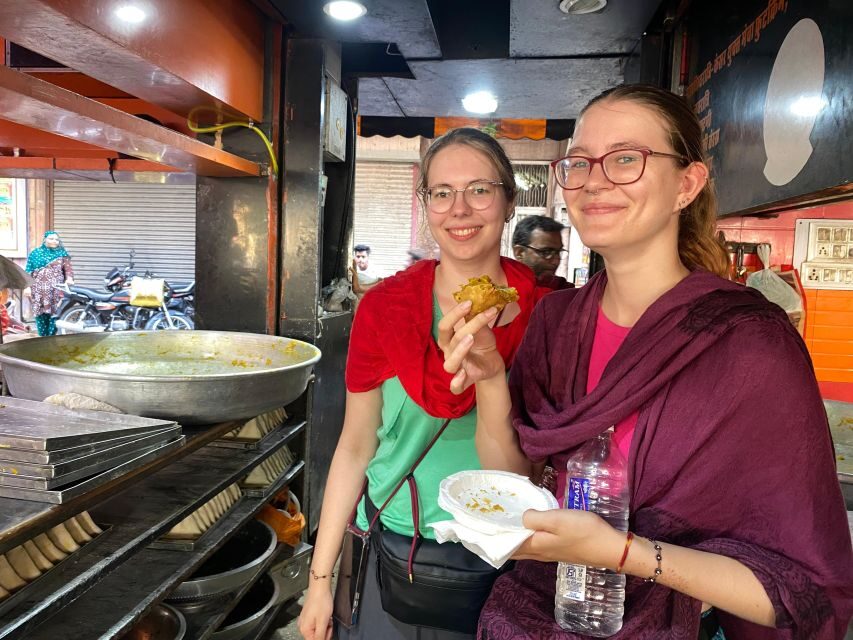
At $21 per person for a 2-hour private street-food experience, the value comes from the combination—not just the food.
You’re getting:
- Hotel pickup and drop-off
- A live guide speaking English and Hindi
- Food tastings (over 8)
- Beverages, including tea/coffee and a clay-pot masala tea
- A water bottle
- Items like samosa, kachori, plus local snacks and local sweets
When you compare that to what you’d pay for just a guide plus several vendor stops on your own, it starts to look like a smart buy, especially in a city where lanes can be confusing if you’re trying to do this solo.
The only thing not included is guide tip. So if you like to tip (most people do), factor that into your budget.
Where this tour fits on your Jodhpur itinerary
I think this works best early in your Jodhpur stay—or at least when you want a quick, guided introduction to how the city feels. One of the biggest benefits of street food tours is getting your bearings. You learn where the market energy concentrates, how people order, and what parts of town feel walkable without getting lost.
It also pairs well with a day that includes major sights. If you’re also planning places like forts or palaces, this tour gives you the lived-in side of Jodhpur. It’s not just history on a stone wall—it’s food, motion, and how locals handle a normal day.
If you’ve been to Jodhpur already, it still makes sense because you’re not repeating big-ticket landmarks. You’re doing a “taste map,” and that’s a different kind of learning.
Practical tips for enjoying the walk without regretting it
Street food tours have two enemies: going in too full and walking shoes that don’t support you.
Since this is a walking tour through market streets, wear comfortable footwear. You’ll also want to pace yourself. When you’re offered a crunchy snack, then a creamy one, then a sweet, it’s okay to alternate rather than try to power through everything in one gulp.
One more tip: ask the guide questions. Nagendra-style tours tend to turn into mini food classes because the guide is happy to explain what you’re eating and how to think about it. Even if your Hindi is minimal, the guide speaks English too.
And if you’re worried about spice or texture, bring that up early. The whole tour experience is smoother when you communicate what you can handle.
Should you book this Jodhpur Blue City street food tour?
If your goal is to eat a lot in a short window, yes—book it. This is the kind of tour that turns first-time Jodhpur into a memorable food walk, not a list of restaurants you’ll forget the next day.
I’d especially recommend it if:
- you want over 8 tastings without planning a route
- you like market energy and real vendor interaction
- you’re excited about classic street staples like samosa, kachori, pani puri, dahi bada, and gulab jamun
The main reason to hesitate is simple: you’ll get very full. If you hate spicy food, or you know you get stomach trouble with fried snacks, skip it or go in with smaller expectations.
But if you can handle bold flavors, you’ll come away feeling like you actually understand Jodhpur’s food culture—one bite at a time.
FAQ
How long is the Jodhpur street food tour?
The tour lasts 2 hours.
What’s the price per person?
The price is $21 per person.
Is this tour private?
Yes, it’s listed as a private group.
What languages does the guide speak?
The tour includes a live guide in English and Hindi.
Do I get hotel pickup and drop-off?
Yes. Pickup and drop-off are included, and pickup is arranged about 5 minutes before the tour start.
How many food tastings can I expect?
You can expect over 8 food tastings.
What food and drinks are included?
Included items include food tastings plus beverage, water bottle, tea/coffee, samosa, kachori, and local sweet. The tour highlights also mention masala tea in a clay pot, lassi, pani puri, dahi bada, and gulab jamun.
Is a guide tip included in the price?
No, guide tip is not included.
What’s the cancellation policy?
Free cancellation is available up to 24 hours in advance for a full refund.
Do I need to pay right away?
No. The listing says reserve now and pay later, meaning you can book your spot and pay nothing today.