REVIEW · JODHPUR
Jodhpur Bishnoi Village Safari Half Day Tour
Book on GetYourGuide →Operated by Jodhpur Blue City Walk Experience · Bookable on GetYourGuide
Wildlife walks start right outside Jodhpur. What makes this half-day trip interesting is the Bishnoi village focus on living with the desert, where you may spot animals like black buck and blue bulls while also meeting the families behind the traditions. I love the round-trip hotel transfers that make this feel easy, and I love the chance to see desert birds around Guda Pond, including migratory Demoiselle cranes. The one thing to consider: parts of the experience can feel arranged for visitors, and you may get shopping pushes during the route.
This isn’t just sightseeing. You’re stepping into a landscape where the Bishnoi worldview is tied to wildlife protection and even tree survival, and that context helps the crafts and demonstrations make more sense. I also like that you go with an English-speaking guide and driver in a private setup, so you can ask questions and keep the pace right for your timing.
Because it’s only about 3 hours, plan around short, concentrated stops. Food and drinks aren’t included, so you’ll want water and a light snack strategy if you start at a busy time of day.
In This Review
- Key Things to Watch for on This Bishnoi Village Safari
- Price and Logistics: What $16 Gets You in 3 Hours
- Entering Guda Bishnoiyan: Desert Wildlife and the Crane Connection
- Khejarli and the Khejri Tree Story: Why 363 Names Still Matter
- Salawas Durry Rugs: Watching Craft With Meaning Behind It
- Kankani Pottery: A Hands-On Look at Local Clay Work
- The Guide Factor: When English Explanations Actually Help
- Where Shopping Stops Can Creep In (and How to Handle It)
- Value Check: Is This Safari Worth It for Your Style of Travel?
- Who This Half-Day Tour Fits Best
- Should You Book the Jodhpur Bishnoi Village Safari?
- FAQ
- How long is the Jodhpur Bishnoi Village Safari half-day tour?
- Where does pickup and drop-off happen?
- Is this a private tour or shared group?
- What wildlife might I see during the tour?
- Which villages and activities are included?
- Is food or dinner included?
- Is there an English-speaking guide?
- FAQ
- Can I cancel for a full refund?
- Is there an option to reserve without paying right away?
Key Things to Watch for on This Bishnoi Village Safari
- Desert wildlife spotting: black buck, chinkara, blue bulls, desert foxes, partridges, and peacock (if conditions are right)
- Guda Pond crane views: thousands of migratory Demoiselle cranes in season
- Khejri tree protection story: the Khejarli village legacy tied to 363 Bishnois who died saving a tree
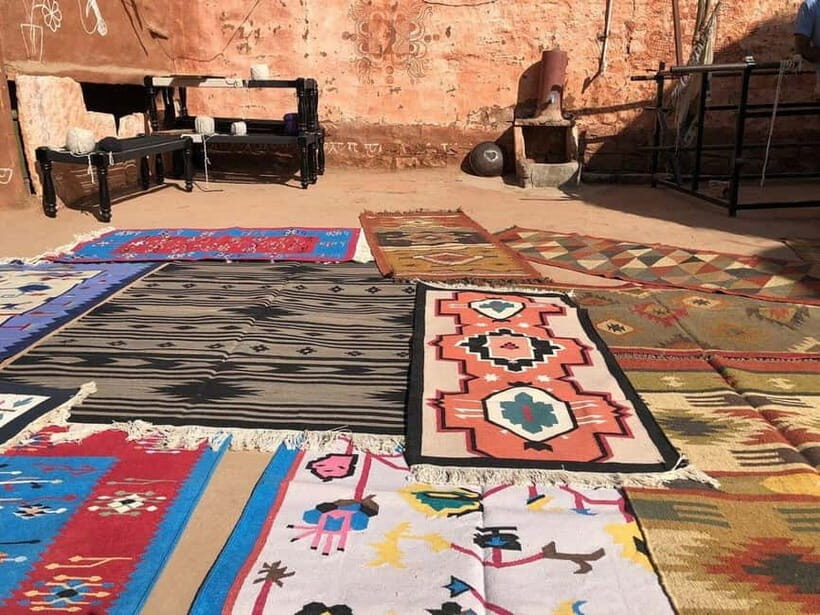
- Salawas durry rug weaving: cotton or wool rugs explained through hands-on observation of local makers
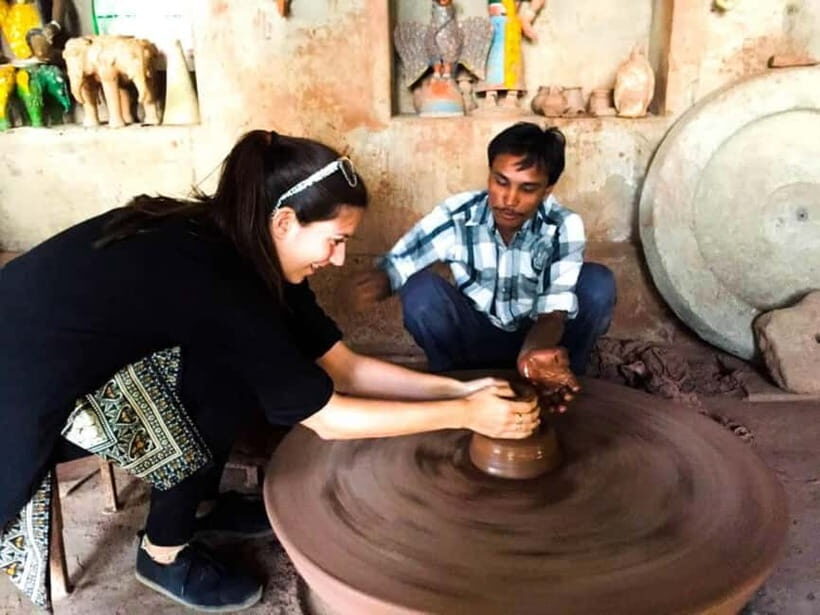
- Kankani pottery practice: a clear look at how pottery is made, with a chance to try
Price and Logistics: What $16 Gets You in 3 Hours
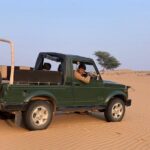
At around $16 per person for a half-day, this is priced like a budget-friendly way to experience Bishnoi village life rather than an all-day luxury safari. For the money, the big value is that you’re not arranging transport yourself. Pickup and drop-off in Jodhpur are included, and you ride in a private vehicle with an English-speaking guide and driver.
That included structure matters. With only three hours, you do not want time lost to finding the right road, paying for local transfers, or negotiating in the heat. This tour keeps you on schedule, and it also lets the guide manage what you see, where you stop, and how long you spend in each village.
On the flip side, what you’re paying for is a guided circuit. That means you should expect “demonstration time” rather than a long, slow, fully informal village visit. If you want meals included or a full, unstructured day in the countryside, you’ll feel the limits.
And one more practical point: food and drinks aren’t included. If you’re coming from a morning start, eat first and carry water.
A few more Jodhpur tours and experiences worth a look



Entering Guda Bishnoiyan: Desert Wildlife and the Crane Connection
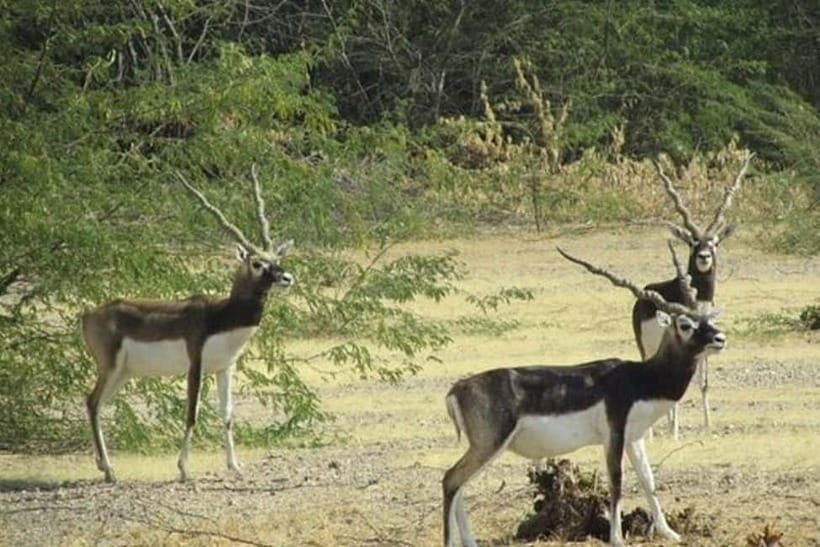
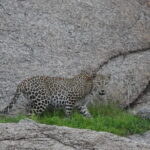
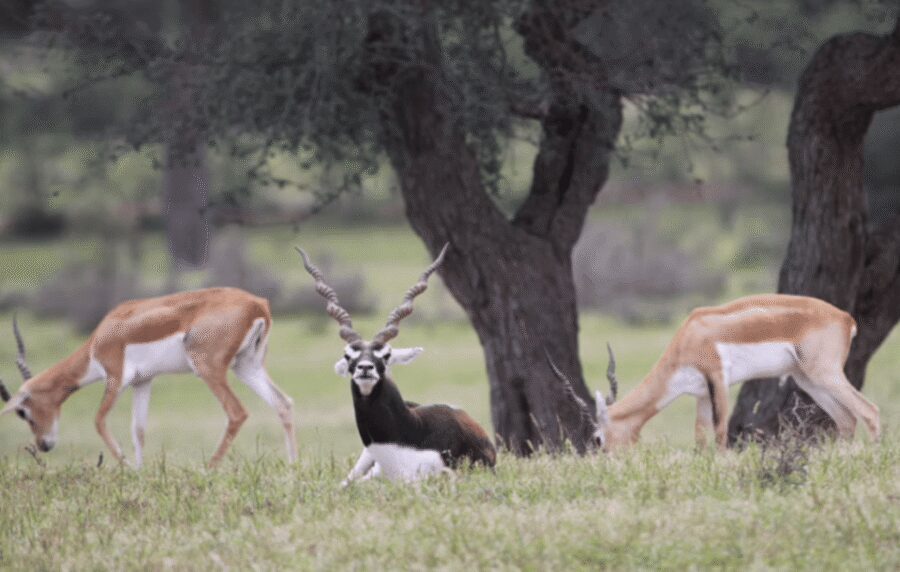
Guda Bishnoiyan is where this trip leans hardest into the desert-nature angle. The goal here is to help you spot desert wildlife such as black buck, chinkara, blue bulls, desert foxes, partridges, and peacock. Wildlife spotting is never guaranteed in open desert conditions, but you’ll at least be in the right story zone: a landscape where animals still belong.
This is also where Guda Pond comes into the picture. The tour highlights the view of thousands of migratory Demoiselle cranes around the pond and nearby areas. If you’re visiting during the crane season, this can be the most visually memorable moment of the whole half day—because it’s not just one bird, it’s the scale of migration.
What I like about this stop is that it turns “wildlife viewing” into something meaningful. You’re not watching animals in isolation. You’re seeing them in the setting that Bishnoi communities traditionally protect, which makes the animals feel less like a random spectacle and more like part of the local life system.
Small consideration: cranes and wildlife may be easier to see at certain times of day. If you can choose your start time, go earlier in the day. You’ll generally have better light for viewing and a calmer pace for everyone involved.
Khejarli and the Khejri Tree Story: Why 363 Names Still Matter
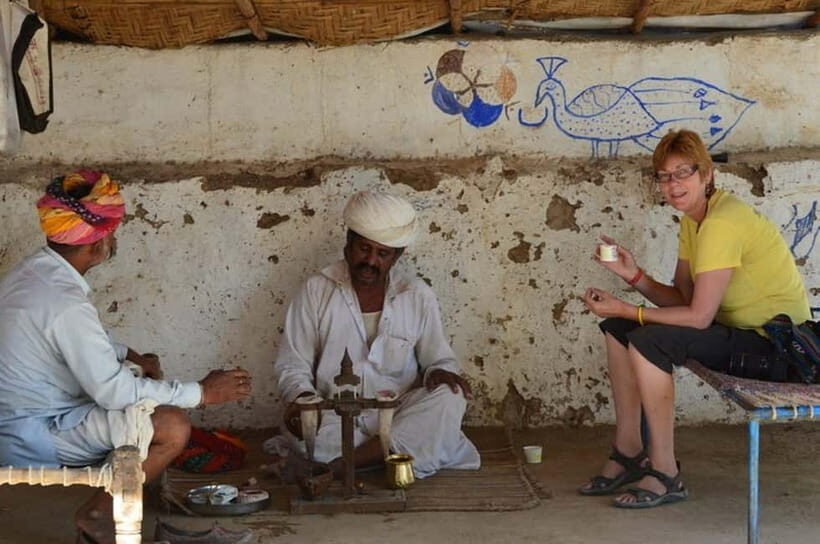
Next comes the village of Khejarla/Khejarli, about 30 km from Jodhpur. On paper, that’s a straightforward travel distance. In reality, this stop carries a heavy theme: the town name connects to khejri trees, once abundant here.
The centerpiece is the account that about two centuries ago, 363 Bishnois died saving the Khejri tree. The Khejri tree is also designated as a state tree of Rajasthan. That single story does a lot of work for you as a visitor. It explains why this culture doesn’t treat nature as scenery. Trees and animals aren’t background—they’re part of morality and survival.
You’ll likely hear the meaning behind the village practices, and it helps when the guide ties the story to what you’re seeing around you. When the guide does that well, it changes the way you look at the desert plants and the small signs of human care.
Practical thought: because this is a story-focused stop, bring your listening patience. You may not be running from viewpoint to viewpoint. Instead, you’ll spend time understanding why this community made certain choices and what those choices still shape today.
Salawas Durry Rugs: Watching Craft With Meaning Behind It
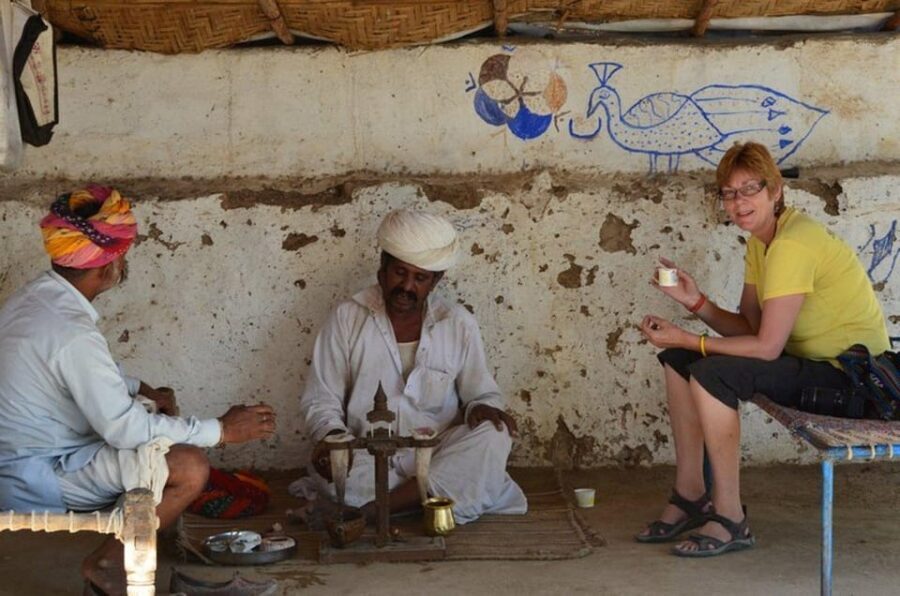
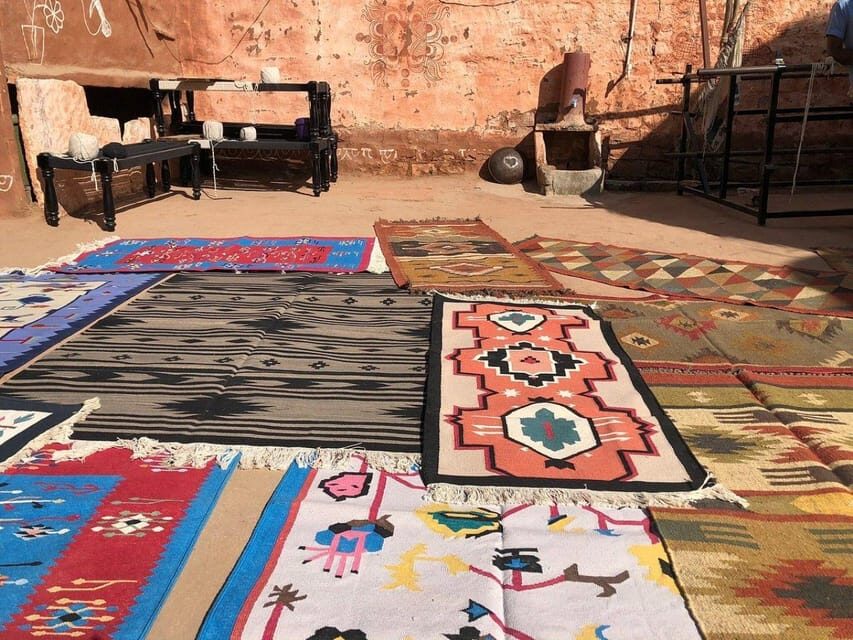
Salawas is famous for rugs made by local craftspeople. The highlight is the durry—a traditional rug—woven from cotton or wool. If you’ve ever wondered how “handmade” actually happens, this is the right stop type. The goal here isn’t just to see a finished product. It’s to watch the process and understand the tradition that goes with it.
The tour’s description leans into the idea that colorful rug-making keeps heritage alive, with folklore and local technique tied into everyday living. That matters because rugs are not just décor. In many craft areas, making a durry is a way families manage skills, identity, and household income. Even if you don’t buy anything, observing the steps helps you connect the price tag to effort.
Now the balanced warning: craft villages can attract sales energy. One reason this tour gets mixed feedback is that people feel shopping pressure. You can avoid most of that by setting your boundary early. If you aren’t planning to buy rugs or souvenirs, tell the guide politely and firmly at the start of the stop. This keeps the experience focused on learning and watching, not negotiating.
If you do want to buy, do it with clear eyes: ask what it’s made from (cotton vs. wool), how it’s woven, and what makes it worth your money in that moment. A good guide won’t mind your questions.
Kankani Pottery: A Hands-On Look at Local Clay Work
The final craft stop is Kankani, noted for pottery. Here you’ll get a demonstration of how people make pottery and you may even help with the process. This stop usually works well for visitors who like to do something, not just look.
Pottery is a great counterpoint to wildlife and crane viewing. It grounds the trip in daily work. You’re learning a different kind of knowledge—how clay behaves, how shapes come together, and how everyday items connect to local materials and technique.
If you get time to try making something, take it as a learning moment, not a final product. The best souvenir from this type of stop is often the skill you pick up in watching and asking questions, plus the way you understand the maker’s choices.



The Guide Factor: When English Explanations Actually Help
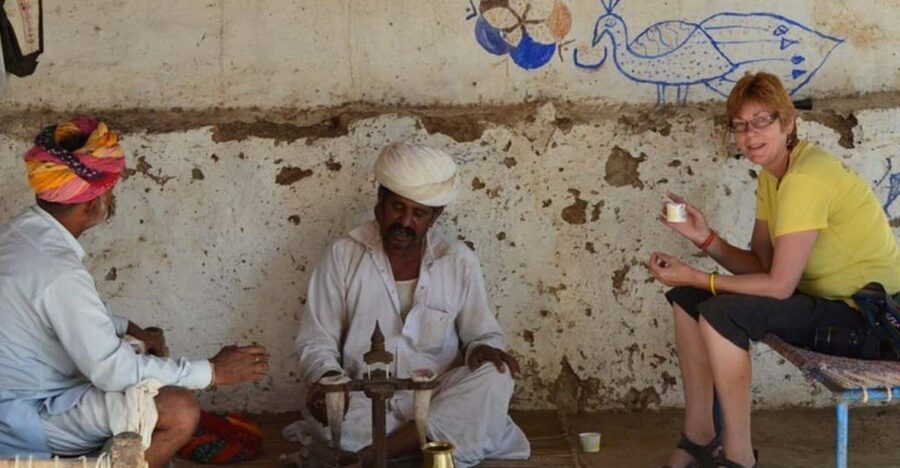
This is an English-speaking guide and driver setup, which is a big deal on a short tour. In three hours, your experience depends on how well the guide translates culture into something you can follow without effort.
One guide name that shows up is Devi. In an earlier experience, Devi handled the day well, including on-time pickup, and the explanations were described as clear and interesting. If your guide is similarly strong, you’ll get more than surface-level facts. You’ll understand why the Bishnoi story connects to wildlife, trees, and craft.
What to do: ask one question at each stop. For example, ask what the Khejri tree story changes in everyday choices, or ask how durry weaving fits into a family’s routine. Good guides often have clean answers, and it makes the visit feel personal even on a tight schedule.
Where Shopping Stops Can Creep In (and How to Handle It)
Let’s be honest. Village and cultural tours in Rajasthan sometimes include shopping stops or sales moments. In this case, that concern comes up directly: some visitors say certain house stops feel set up for tourists, and others say there are sales pitches throughout the route.
You can reduce the stress. First, decide your goal. If your goal is learning and photos, say so early. Second, be prepared for stops like an export warehouse mentioned as an extra stop on at least one departure style. If that doesn’t interest you, you can decline it firmly.
You can also set a respectful rule for tipping. One piece of practical advice from a verified experience: tipping villagers is considered polite. If you enjoy a demonstration, a small tip can feel like fair appreciation, especially for craft moments where someone gives their time and skill.
Value Check: Is This Safari Worth It for Your Style of Travel?
Here’s the value math I’d use. You pay $16 for three hours, and you get:
- private transport with an English guide and driver
- pickup and drop-off in Jodhpur
- visits tied to Bishnoi villages and craft demonstrations
That’s not a bad deal if you want a structured introduction to Bishnoi culture without spending half a day figuring out logistics. You also get the wildlife plus crane possibility, which is a rare combo for a short tour.
It’s less worth it if:
- you hate shopping pressure
- you expect fully lived-in homes with no tourist-facing elements
- you want a longer, deeper immersion without “demonstration” pacing
So I’d frame it like this: this tour is best as a taste test. It gives you the key symbols—desert wildlife, crane views, Khejri tree protection, durry weaving, pottery craft—and you can decide from there whether you want a longer independent exploration later.
Who This Half-Day Tour Fits Best
This safari fits best if you’re:
- short on time in Jodhpur but want more than city sights
- interested in how conservation ideas show up in real community life
- the type who enjoys craft viewing, especially when you can ask questions and maybe try a technique
- traveling with friends or family and prefer a private pace
It may feel frustrating if you’re:
- the type who wants zero sales moments
- expecting a wildlife safari in the classic sense, where you drive through lots of habitat for long stretches (this is village- and culture-centered)
- looking for a food-and-dining included day
Should You Book the Jodhpur Bishnoi Village Safari?
I’d book it if you want a short, guided hit of Bishnoi culture with nature context—especially if cranes or desert animals are on your wish list. The price-to-structure ratio is attractive, and the stops (wildlife around Guda Pond, Khejri tree legacy at Khejarli, durry weaving in Salawas, pottery in Kankani) give you several angles on the same world.
Skip it or go in with eyes open if you hate any shopping pressure or if you’re only satisfied when everything feels like everyday life with no visitor staging. If you do go, plan your boundaries early: be clear about what you’re interested in, and decline extra sales-focused stops if they don’t match your goal.
FAQ
How long is the Jodhpur Bishnoi Village Safari half-day tour?
It lasts about 3 hours.
Where does pickup and drop-off happen?
Pickup and drop-off are included in Jodhpur, including pickup from the hotel (and it also mentions airport or station pickup).
Is this a private tour or shared group?
It’s a private group.
What wildlife might I see during the tour?
The tour mentions possible sightings of black buck, chinkara, blue bulls, desert foxes, partridges, and peacock.
Which villages and activities are included?
The tour covers Bishnoi village visits including Guda Bishnoiyan, Khejarla/Khejarli, Salawas (durry rug traditions), and Kankani (pottery demonstration and practice).
Is food or dinner included?
No. Dinner and food and drinks are not included unless specified.
Is there an English-speaking guide?
Yes. The tour includes an English-speaking guide and driver.
FAQ
Can I cancel for a full refund?
Yes. Free cancellation is available up to 24 hours in advance for a full refund.
Is there an option to reserve without paying right away?
Yes. It offers reserve now and pay later, so you can book a spot and pay nothing today.