REVIEW · JODHPUR
Jodhpur: Heritage Walking Tour
Book on GetYourGuide →Operated by Jodhpur Heritage Walk · Bookable on GetYourGuide
Jodhpur’s old city is a maze worth walking. A heritage walking tour here turns the iconic blue houses and waterworks into something you can actually picture, not just photograph. I like that it mixes landmarks with everyday details: narrow lanes, old markets, and the quiet logic behind the city’s water systems.
What I especially like is how the tour focuses on places that explain how people lived: Toor ji ka Zhaalra (a stepwell) and the water reservoirs like Raniser/Padmaser/Jeta Bera. One possible drawback is that this is a street-and-stairs kind of walk, and it’s not a fit if you have limited mobility or struggle with uneven, narrow lanes.
In This Review
- Key highlights you’ll feel on the ground
- Entering Jodhpur’s old city from the Clock Tower
- Toor ji ka Zhaalra: the stepwell that kept life going
- Pachetiya Hill: a change of pace for photos and perspective
- Navchokiya blue houses: not just color, but everyday craft
- Water bodies at Raniser, Padmaser, and Jeta Bera
- Temples and early-morning rituals in the lanes
- Juni Dhan mandi: the old grain market vibe
- Local snacks: how to eat smart without slowing the group
- Price and group pace: is $18 good value?
- What to bring (and what to skip) for comfort
- Guide style matters: you’ll feel it in the small moments
- Who this Heritage Walk is best for
- Should you book this Jodhpur Heritage Walk?
- FAQ
- Where does the tour start?
- Where does the tour end?
- What is included in the tour price?
- Which languages is the tour offered in?
- What should I bring?
- What footwear and bags are not allowed?
- Is it suitable for wheelchair users or limited mobility?
- Can I reserve and pay later?
Key highlights you’ll feel on the ground
- Clock Tower start point: easy to find, right where the old city energy begins
- Toor ji ka Zhaalra stepwell: medieval water-harvesting design you can see up close
- Pachetiya Hill: a breather with big-city-on-hill perspective
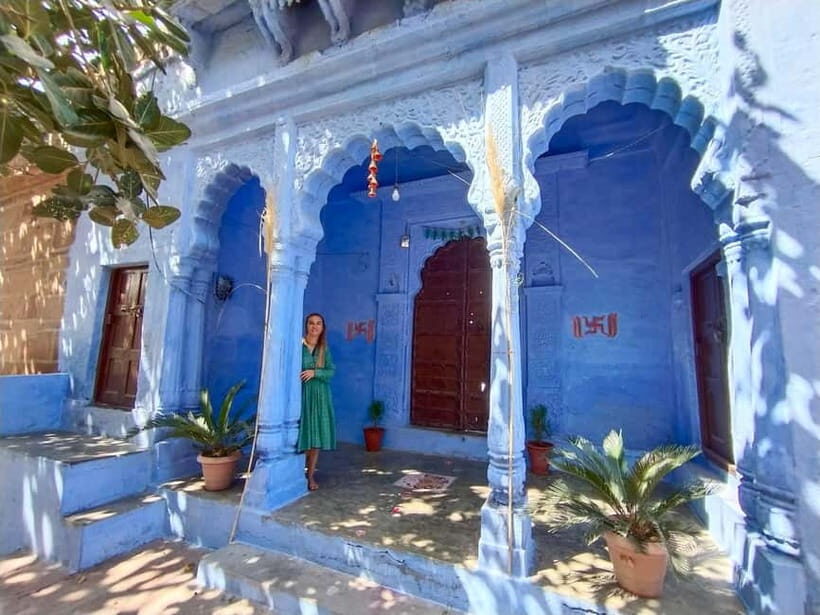
- Navchokiya blue houses: doorways, courtyards, and painted facades made for photos
- Raniser, Padmaser, Jeta Bera: water reservoirs that explain why Jodhpur works
- Juni Dhan mandi + local snacks: old grain-market setting, with food available by direct payment
Entering Jodhpur’s old city from the Clock Tower
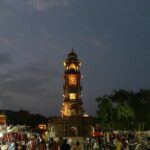
Starting just under the Clock Tower is smart. It’s a clear landmark, and it puts you in the flow fast—before you’ve even thought about directions. From there, you’ll move through the old city’s narrow lanes, where the scale shifts from “sightseeing” to “wandering like you belong.”
You’ll also notice how Jodhpur’s look changes from street to street. Color shows up in decorated bazaars, people’s colorful turbans, and the “blue city” facades that get mentioned again and again for good reason. On this walk, you’re not just chasing the famous view—you’re learning how all those visual pieces connect.
You can also read our reviews of more walking tours in Jodhpur


Toor ji ka Zhaalra: the stepwell that kept life going
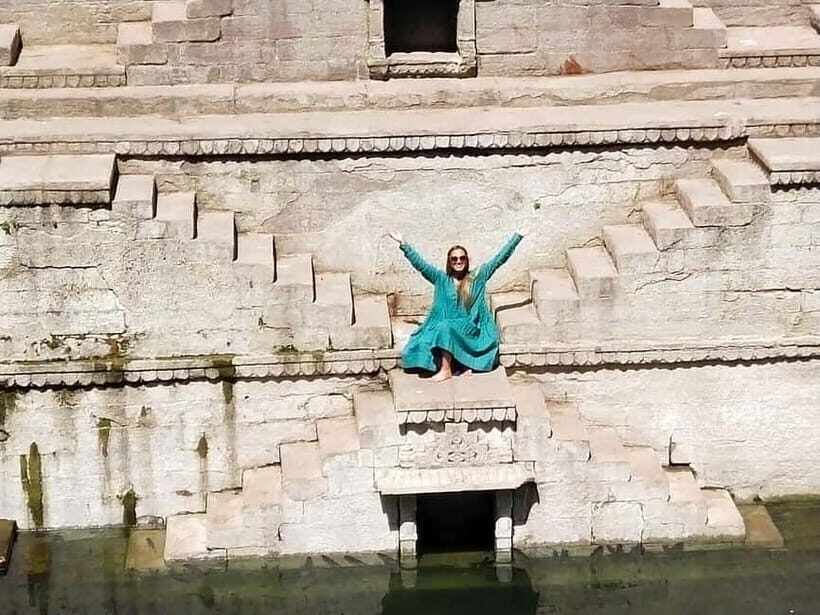
One stop you won’t forget is Toor ji ka Zhaalta, the stepwell. Stepwells are more than architecture; they’re practical climate tools. Here, you can see the basic idea: a community’s water plan built into stone, designed so people could reach water even when conditions were harsh.
What makes this stop valuable is that it slows you down. Instead of rushing past another monument, you stand and look at how the steps and structure work. Then the rest of the tour makes more sense—especially when you start spotting other water-related sites later on. If you like “how things worked” more than “what things looked like,” this is your kind of moment.
Pachetiya Hill: a change of pace for photos and perspective

After the tight lane feel, Pachetiya Hill gives you a different rhythm. You’ll get a break from the market-street maze and a chance to see Jodhpur’s setting with fresh eyes. Even if you’re not a big viewpoint person, the hill stop helps you understand why the old city developed where it did.
This is also a good time to refocus on photos. The blue houses and waterworks are easier to appreciate when your brain has a bigger frame to hold them. Just remember that your comfort matters here—wear shoes that grip and be ready for uneven ground.
Navchokiya blue houses: not just color, but everyday craft
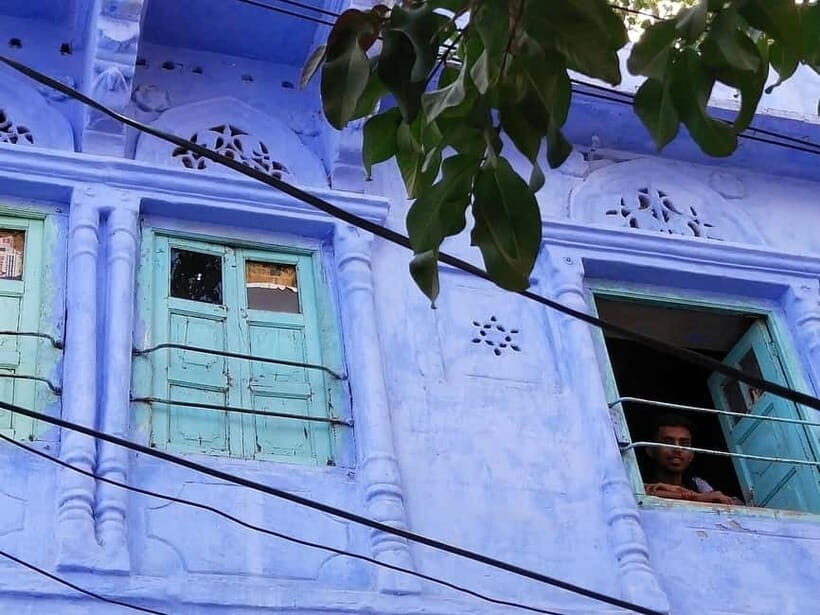
The “blue city” reputation usually means one thing to visitors: photos. But Navchokiya (blue houses) is more interesting when you look past the color. You start noticing the edges—painted facades, carved details, and the way houses face the street.
This walk helps you slow down at the right times. You’ll be guided to look at the front-of-house details people used every day: doorstep areas, carved elements, and the overall sense of tradition in how spaces are presented. It’s the difference between snapping a picture and really understanding what you’re seeing.
And yes, the blue houses are a dream for photography. Still, the smartest move is to balance shots with observation. Try taking one or two wider photos first, then switch to close-ups of doorways and textures. That’s where the “why this place looks like this” story lives.
Water bodies at Raniser, Padmaser, and Jeta Bera
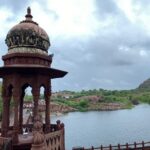
Jodhpur’s old water system is part of the city’s character. On this tour, you’ll visit water bodies such as Raniser, Padmaser, and Jeta Bera. These stops are a reminder that a heritage city isn’t just about temples and palaces—it’s also about engineering and survival.
The value here is practical understanding. When you connect the stepwell at Toor ji ka Zhaalta with reservoirs around the city, you start to see a pattern: water wasn’t an afterthought. It was planned, protected, and built into public life. That’s why this tour’s water focus feels more meaningful than a random checklist of monuments.
You can also read our reviews of more historical tours in Jodhpur



Temples and early-morning rituals in the lanes
You’ll also visit a temple, and you’ll notice how religious life threads into daily movement. The tour is described as including the feel of old city life with early morning rituals, and even without getting too specific about timing, you’ll still sense that temples aren’t isolated stage props here.
What I like is the way the walk encourages respectful attention. You’re in close quarters—so you learn to watch quietly, step aside when needed, and take your cues from what’s happening. It makes the streets feel lived-in, not staged for tourists.
Also, temples often change how people walk. You’ll see small shifts—pauses, gestures, and local rhythm—right in the lane environment. That’s the kind of detail that turns a generic city walk into something memorable.
Juni Dhan mandi: the old grain market vibe
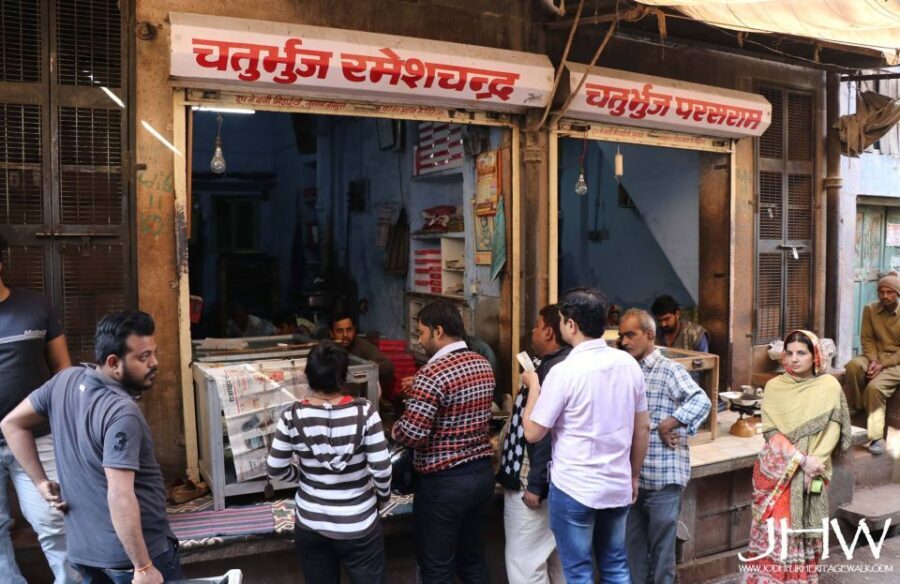
No matter how good the stepwell and viewpoints are, the tour’s best “real city” moments often show up in the market areas. Juni Dhan mandi is the old grain market, and it gives you context for how commerce shaped the old city.
Even if you don’t buy anything, market streets teach you something: where people gather, how goods move, and how everyday life sits alongside heritage structures. It’s also a great place to test your comfort with walking—because markets are where lanes get busy and visual noise ramps up fast.
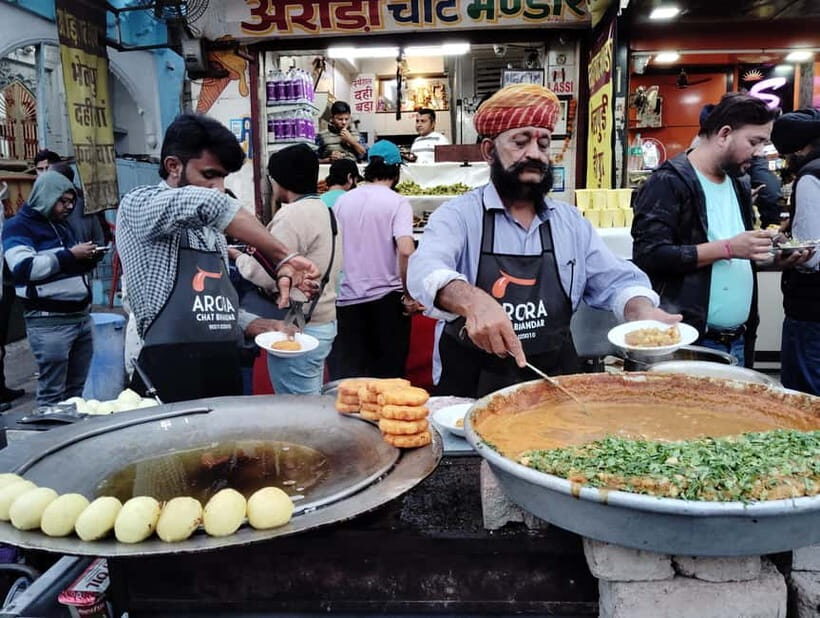
If you’re a foodie, this is where you can start thinking about snacks. Local eateries are included as an option on direct payment, so you can try what looks good without feeling locked into one set menu.
Local snacks: how to eat smart without slowing the group
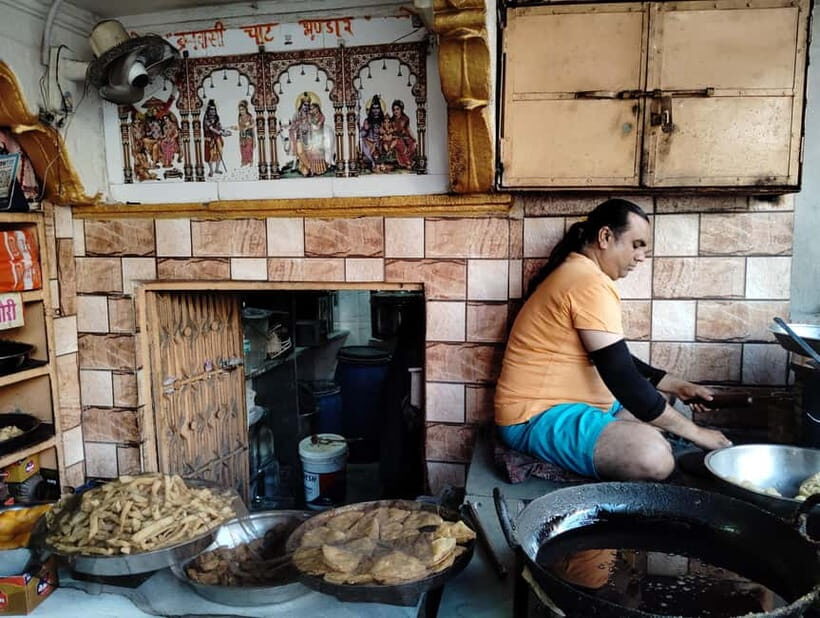
Snacks are part of the Jodhpur experience, and this walk works with that reality. Local food is available for you to buy directly, which means you control your pace and preferences. If you’re traveling with a sensitive stomach, you can still choose wisely—look for busy places and eat what’s being served fresh.
One practical tip: carry water and keep it easy. Walking tours in old cities can surprise you with how quickly you get thirsty. With heat and close quarters, even a short break can help you enjoy the next stretch instead of dragging.
Price and group pace: is $18 good value?
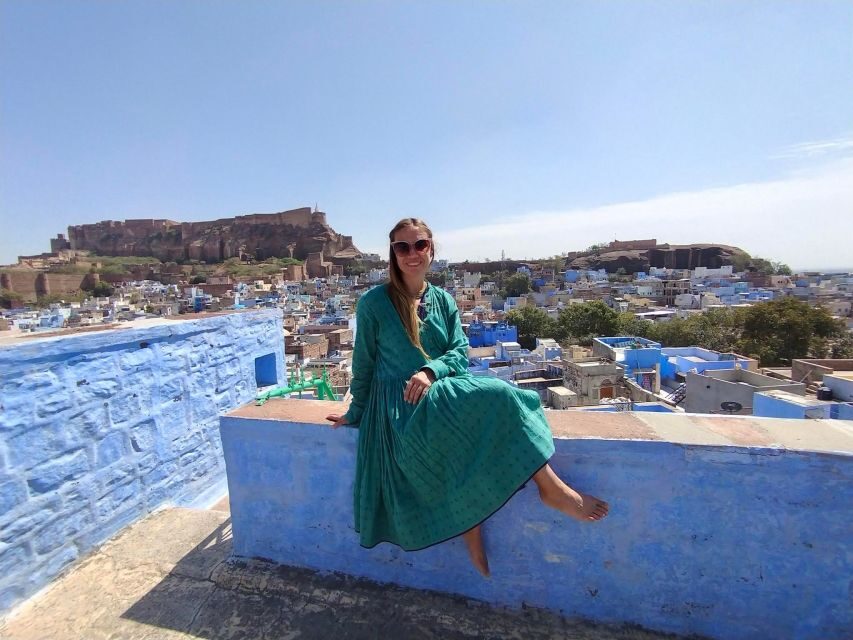
At $18 per person, this tour is priced like a “use your time well” experience. You’re paying for a licensed guide plus a route that covers big visual anchors and practical sites: Clock Tower, Toor ji ka Zhaalta, Pachetiya Hill, blue houses, water bodies, a temple stop, and the old grain market.
The value isn’t only in the listed stops. It’s in the way a guide helps you read the city. Without that context, you might see pretty blue walls and miss the water-harvesting story that explains much of the old layout. A good guide also helps you notice details you’d otherwise walk past—carved house elements, street-level cues, and local patterns.
One more point: the walk is described as time bound, but exploration depends on visitor interest. That flexibility matters. If you’re the kind of traveler who wants to pause for photos and ask questions, this kind of structure tends to work better than rigid tours.
What to bring (and what to skip) for comfort
This walk is physical. Bring comfortable shoes first. The route includes old lanes, and you’ll be standing and moving often. Also pack water, and consider hand sanitizer or tissues since you’ll be in markets.
In your luggage plan, keep it light. Oversize luggage isn’t allowed, and you also can’t bring things like baby strollers or large bags. High-heeled shoes are a no-go. If you need something mobility-related, note that the tour is not suitable for people with mobility impairments and not suitable for wheelchair users.
One funny-but-real detail to expect: the streets can come with a lot of flies. If you’re sensitive, travel prepared—light layers and quick hand hygiene go a long way.
Guide style matters: you’ll feel it in the small moments
This tour comes down to the guide as much as the route. One guide name you may hear is Prabhat, and the reviews on the guide experience point to a few traits that are genuinely useful: clear storytelling, patience, and a strong local connection.
For example, when someone arrived late, the guide was patient and waited. Another helpful detail: the guide coordinated rides back to hotels and, when one pickup plan looked suspicious, used an alternative option through a contact. That kind of support is reassuring, especially for solo travelers.
If language matters to you, the tour indicates English and Hindi. And there’s at least one case where the guide handled French well too—so language comfort can be broader than you might expect.
Who this Heritage Walk is best for
You’ll enjoy this most if you like cities that reward slow attention. This is a good fit for:
- People who want photogenic old streets with context
- Travelers who enjoy water-history and architecture that served practical needs
- Solo travelers who appreciate a guide who pays attention to safety and comfort
- Anyone who wants markets, temples, and everyday life—not just big-ticket sights
It’s less ideal if you want minimal walking or predictable, car-like comfort. The tour route stays in the old city environment, and the physical reality of narrow lanes and uneven surfaces is part of the experience.
Should you book this Jodhpur Heritage Walk?
If your goal is to understand Jodhpur—why it looks like it does and how people lived—then I think this is a strong choice. $18 feels reasonable for a licensed guide and a route that connects the blue houses with the city’s water system, not just pretty stops.
I’d skip it if you have mobility limitations or if you hate walking on uneven, tight streets. If you can handle a steady stroll and you’re curious about how medieval-era design still shapes what you see today, this tour gives you a lot for the money.
If you do book, set your expectations right: come ready to walk, carry water, and keep your camera handy—but also keep your eyes open for doorways, steps, and street-level details. That’s where Jodhpur turns from “a place I visited” into “a place I understood.”
FAQ
Where does the tour start?
It starts just under the Clock Tower.
Where does the tour end?
The activity ends back at the meeting point (under the Clock Tower).
What is included in the tour price?
The tour includes a licensed tour guide plus visits to the Clock Tower, Toor ji ka Zhaalra (stepwell), Pachetiya Hill, Navchokiya (blue houses), water bodies (Raniser/Padamser/Jeta Bera), a temple, Juni Dhan mandi, and time in narrow lanes. Local eateries are available for you to pay directly.
Which languages is the tour offered in?
The tour is offered in English and Hindi.
What should I bring?
Bring comfortable shoes, water, comfortable clothes, and hand sanitizer or tissues.
What footwear and bags are not allowed?
The tour does not allow high-heeled shoes and it restricts oversize luggage and large bags.
Is it suitable for wheelchair users or limited mobility?
No. It is listed as not suitable for people with mobility impairments and not suitable for wheelchair users.
Can I reserve and pay later?
Yes. The tour offers reserve & pay later, meaning you can book your spot and pay nothing today.