REVIEW · JODHPUR
walk to bluecity heritage tour
Book on Viator →Operated by Walk to blueCity heritagetour · Bookable on Viator
A morning walk through Jodhpur’s blue lanes feels like a cheat code. This tour focuses on places bus tours can’t reach and pairs the route with real storytelling about architecture and local life. You get the practical win too: no navigation worries, since a guide handles the plan and keeps you moving through tight lanes.
I especially like two things: first, the chance to see Toorji Ka Jhalra and other heritage spots on foot, including stops where entrance is covered. Second, the experience is led by local guides with a clear love for Jodhpur, like Bantu and Prabhat, who turn “sightseeing” into something you can picture and repeat later.
One possible drawback: it’s a walking tour, so if your knees or stamina are limited, you’ll want to wear comfortable shoes and plan for a steady pace over about 2.5 hours.
In This Review
- Key highlights worth getting excited about
- Why Jodhpur’s blue lanes need a walking tour
- Price and value: what $11 buys you
- Meeting at 8:30 and how the pacing feels
- Stop-by-stop: Toorji Ka Jhalra stepwell first
- Pachetia Hill for 360° blue-city views
- Navchowkiya: a historic neighborhood near Fateh Pol
- Ranisar and Padamsar Lakes: 1459 water heritage
- Clock Tower Market: the tour starts and ends here
- Food and drink breaks: chai and samosa during the walk
- Guides make it: Bantu, Prabhat, and the storytelling effect
- Who should book this walk (and who should skip)
- Quick practical checklist before you go
- Should you book this Walk to BlueCity heritage tour?
- FAQ
- What time does the tour start?
- How long is the walk?
- What does it cost?
- Is pickup available?
- Is this a private tour?
- Do I need navigation skills to follow the route?
- Where does the tour start and end?
- Are entrance tickets included for all stops?
- Is the tour affected by weather?
- Can I cancel for free?
- Is there a mobile ticket?
Key highlights worth getting excited about
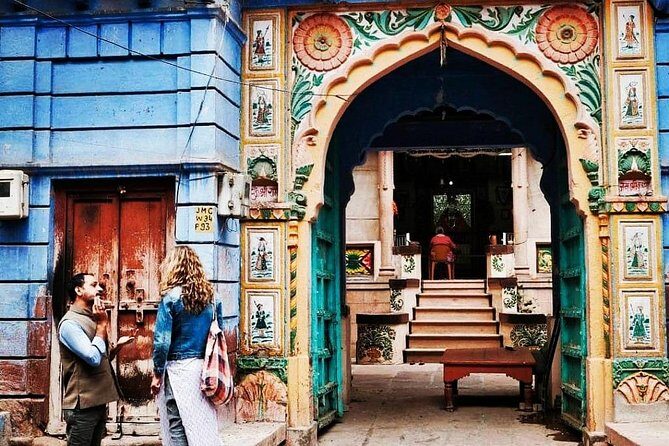
- A walking route that reaches heritage corners buses miss, in the lanes where the city actually lives
- Local guides with strong Jodhpur pride (you may meet guides like Bantu or Prabhat)
- Stepwell, lakes, and hill views as the core “blue city” sights
- Treat stops along the way, including drinks and a samosa
- Mixed admission setup: some entrances included, some stops free
- Private group experience so your guide can adjust to your pace
Why Jodhpur’s blue lanes need a walking tour
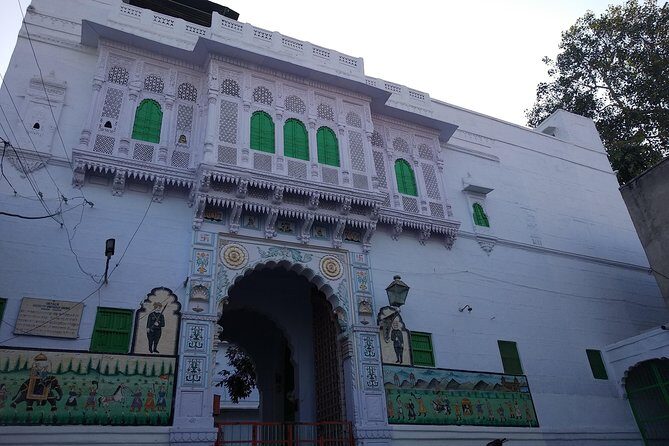
Jodhpur’s “blue city” reputation isn’t just a color in photos. It’s a maze of lanes, courtyards, and stair-step streets where small details matter. A bus tour can drop you at a big viewpoint, then move on. This kind of tour is different: you’re moving through the city at the speed of discovery.
The big advantage is simple. When the guide is leading, you don’t waste time figuring out where to turn next. That matters in Jodhpur because one wrong turn can send you into a dead-end alley, or away from the best angles. Here, the guide route keeps things efficient while still feeling like you’re exploring, not following a checklist.
And because it’s on foot, you get close to the building textures. You notice the way carved stone frames a doorway, the way old water structures sit inside the neighborhood, and how people use public spaces around temples and markets.
You can also read our reviews of more walking tours in Jodhpur


Price and value: what $11 buys you
At $11 per person, this tour is priced like a practical city experience, not a luxury add-on. The value comes from three places:
First, the guide is part of the deal. You’re paying for local direction and interpretation, not just walking from Point A to Point B.
Second, some stops include admission tickets. You’re not paying separately every time you hit a heritage site, which keeps the total cost predictable.
Third, the tour includes small food moments. You get drinks and a samosa along the way. It’s not a full meal, but it turns a morning walk into an actual break from sightseeing.
A detail that helps: the tour is private for your group. That often means more flexible conversation and a pace that doesn’t feel like you’re being herded.
If you’re visiting in a busy stretch, consider booking early. The average booking window here is about 9 days in advance, which is a hint the best slots can go.
Meeting at 8:30 and how the pacing feels
The tour starts at 8:30 am. Mornings in Jodhpur usually make walking easier—less heat and better light for photos of blue façades and carved stone details.
The total time is about 2 hours 30 minutes. That’s long enough to hit several meaningful heritage stops, but short enough that you still have energy for Mehrangarh Fort later (or for market wandering after).
You also get pickup offered, and the tour is designed as a point-to-point experience that starts and ends at the Clock Tower area. In plain terms: you’re not scrambling for transport details mid-tour, and you’re not stuck at some far-off spot with no way back.
Stop-by-stop: Toorji Ka Jhalra stepwell first
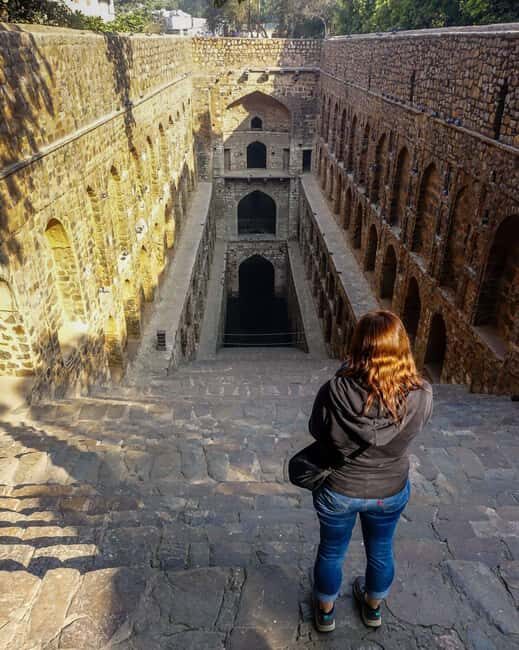
You begin with Toorji Ka Jhalra, also known as Toorji’s Step Well. This isn’t just a pretty photo stop. It’s heritage that shows how the city managed water, and how royal patrons shaped public life.
This stepwell was built in the 1740s, connected to Maharaja Abhay Singh’s era, and it’s tied to a queen’s initiative. Because the tour starts here (about 10 minutes at the stop), you set your mental “frame”: you learn to look at the architecture as a story of daily needs—water storage, community access, and design—before heading into the rest of the old city.
Admission is included at this stop, so you can focus on the experience rather than waiting at a ticket desk.
What you’ll notice here: the layered structure and geometry of the steps, and the way stepwells become a landmark inside the neighborhood. Even if you don’t know the technical terms, you’ll understand the purpose fast.
Pachetia Hill for 360° blue-city views
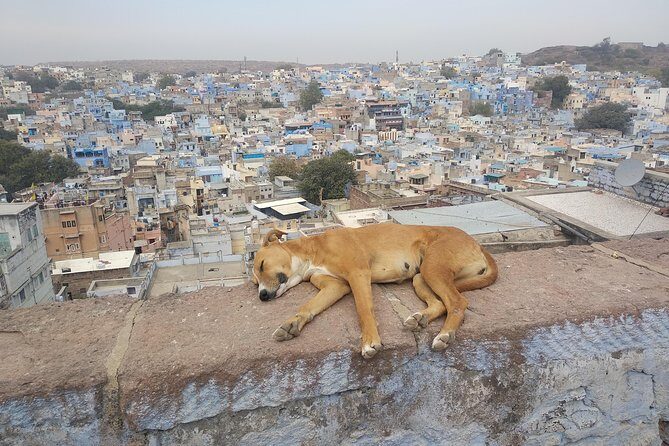
Next comes Pachetia Hill, a hill in the middle of Jodhpur that offers a 360-degree view for the blue city. This is where you get the bigger picture. From ground level, blue feels like color and texture. From a higher point, you understand it as a whole neighborhood pattern.
The stop is short (around 15 minutes), but it’s timed well. You should use the time to look slowly. Don’t just point your camera and shoot. Take a couple moments to trace how the blue stretches across rooftops and lanes.
The stop is free in terms of admission, so there’s no extra cost pressure here.
Possible drawback to consider: hill viewing can mean uneven ground and stairs. If you’re cautious on steps, wear shoes with grip and go at a steady pace.
You can also read our reviews of more historical tours in Jodhpur





Navchowkiya: a historic neighborhood near Fateh Pol
Then you step into Navchowkiya, described as a Brahmpuri 15th-century colony located near Fateh Pol. This stop adds context: it links the city’s layout to the broader timeline of Jodhpur’s development.
The dating shared for this area points to 1459, connected to the foundation of Mehrangarh Fort. Even if you’ve never read that history before, the guide’s job here is to make it make sense on the street—how old precincts sit near major gates, and how neighborhoods grow around power and routes.
Admission here is free, and the stop runs about 25 minutes, which gives you time to absorb the local feel instead of sprinting through.
What I like about a stop like this is the “human scale” benefit. This is where you start seeing Jodhpur less like a monument collection and more like a living city shaped by older plans.
Ranisar and Padamsar Lakes: 1459 water heritage
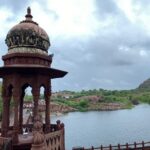
After the hill and neighborhood context, the tour shifts back to water and stone with Ranisar and Padamsar Lakes. These two adjacent lakes were constructed in 1459—so yes, you’re looking at heritage tied to the same era as the fort foundation story.
This stop is brief (around 5 minutes), and that makes sense because you’re likely pairing it with quick observations rather than long wandering. But even in a few minutes, you can still pick up the idea: lakes like this weren’t just landscaping. They were part of a city’s survival systems.
Admission here is included, which is a nice bonus considering it’s a short stop.
If you’re someone who loves how engineering becomes architecture, this is one of those stops that rewards your attention.
Clock Tower Market: the tour starts and ends here
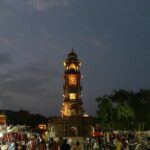
Your walk begins and ends at the Clock Tower, a central landmark area. The Clock Tower itself dates to the reign of Maharaja Sardar Singh, placed between the late 19th and early 20th century.
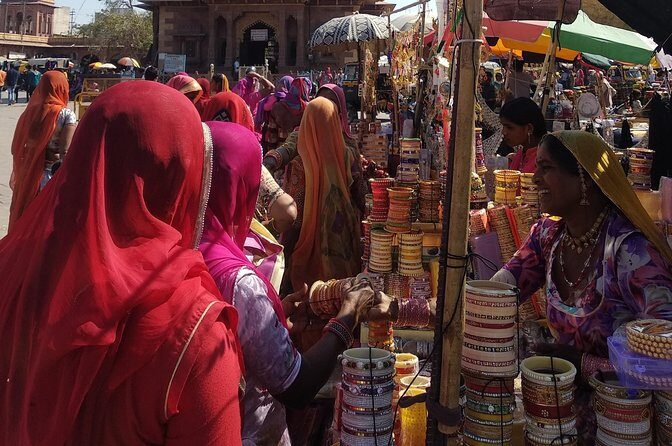
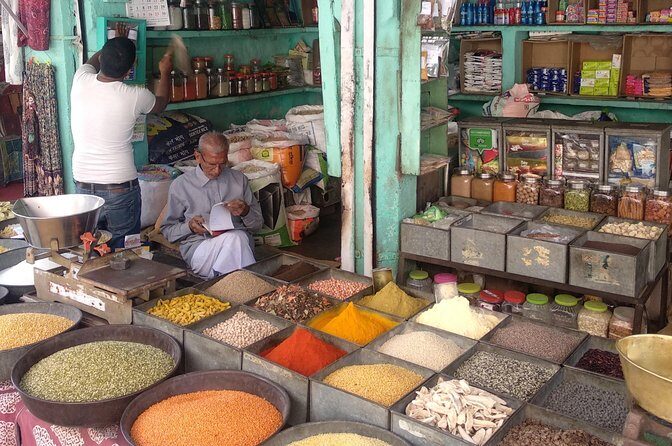
This end-point matters. Markets and main hubs are where you can continue the day without thinking. After the tour, you’re placed right where you can eat, browse, or ask locals for directions for whatever you want next.
Admission is included for this stop as well, and the time at the Clock Tower area is about 15 minutes.
Small practical tip: keep some energy for wandering after. This is a good spot to transition from guided history to casual exploration.
Food and drink breaks: chai and samosa during the walk
One of the best parts of this style of tour is that it doesn’t treat snacks as an afterthought. You get drinks and a samosa along the way. It’s the kind of stop that keeps you human on a morning walk, not just a camera on legs.
The reviews associated with this tour also point to chai breaks in charming temple-adjacent spots. Even if the exact seating changes by day, the overall pattern is clear: you’ll have a moment to pause, cool down, and taste something local without turning the tour into a restaurant detour.
Guides make it: Bantu, Prabhat, and the storytelling effect
The highest praise here isn’t about the route alone. It’s about the guide. Names that come up often include Bantu and Prabhat.
The consistent theme: the guides don’t just list facts. They connect details to everyday life—colors, architecture, and how people experience the city. When a guide clearly loves Jodhpur, it shows in how they pace the story and how easily they answer questions.
That also explains why people call the tour off-the-beaten-path. Even if you’re looking at “the highlights,” the lanes between them are where the tour wins. A good guide picks the turns that make the city feel real.
Since this is private for your group, you can also ask questions without the pressure of a crowd timer. That often leads to better conversations and a tour that matches your curiosity level.
Who should book this walk (and who should skip)
This tour is a strong fit if you want:
- A guided route through Jodhpur’s inner areas without getting lost
- Heritage sights that are accessible on foot
- A morning plan that includes small food breaks
- A better understanding of why Jodhpur looks the way it does
It’s less ideal if:
- You struggle with continuous walking, uneven surfaces, or stairs (the hill stop is the main one to think about)
- You want a purely car-based sightseeing day with minimal walking
If you’re traveling solo, with a partner, or as a small group, the private setup can make it feel more personal. For families, it depends on kids’ stamina, since the total time is about 2.5 hours.
Quick practical checklist before you go
- Wear comfortable shoes with grip for stone and uneven lanes.
- Bring water, even if you’ll get drinks during the tour.
- If you’re sensitive to heat, aim for the 8:30 am start and go easy on pacing early.
- Plan for weather. This tour needs good weather. If it gets canceled due to poor conditions, you’ll be offered a different date or a full refund.
Should you book this Walk to BlueCity heritage tour?
Yes, if you want Jodhpur’s blue city to feel like a place, not just a photo set. For $11, you’re getting a guided walk that reaches heritage spaces on foot, includes some admission tickets, and gives you chai-and-samosa breaks to keep the day enjoyable.
I’d especially recommend it if you’re short on time and don’t want to spend your energy on navigation. With a guide like Bantu or Prabhat, you’re not only seeing landmarks—you’re learning how to read the city as you walk.
Skip it only if walking and stairs are tough for you, or if you strongly prefer minimal walking in exchange for faster, vehicle-based stops.
FAQ
What time does the tour start?
The tour starts at 8:30 am.
How long is the walk?
It’s about 2 hours 30 minutes (approx.).
What does it cost?
The price is $11.00 per person.
Is pickup available?
Pickup is offered.
Is this a private tour?
Yes. It’s private, and only your group participates.
Do I need navigation skills to follow the route?
No. The guide takes care of the route, so you don’t have to worry about navigation.
Where does the tour start and end?
It starts and ends at the Clock Tower.
Are entrance tickets included for all stops?
No. Some stops include admission tickets (like Toorji Ka Jhalra Bavdi, Ranisar Padamsar Lakes, and the Clock Tower), while other stops are free (like Pachetia Hill and Navchowkiya).
Is the tour affected by weather?
Yes. It requires good weather. If it’s canceled due to poor weather, you’ll be offered a different date or a full refund.
Can I cancel for free?
Free cancellation is available. You can cancel up to 24 hours in advance for a full refund.
Is there a mobile ticket?
Yes, you’ll use a mobile ticket.