REVIEW · JAIPUR
Jaipur Tuktuk Local Sightseeing Day Tour
Book on Viator →Operated by Cozy Jaipur Tours · Bookable on Viator
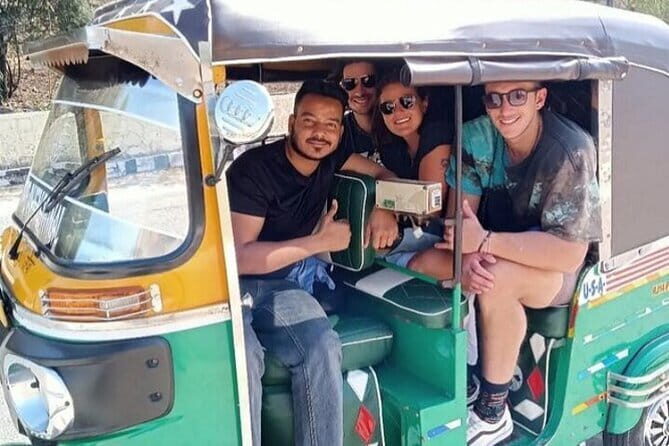
Jaipur can feel like a blur—this slows it down. A private tuk-tuk day tour lets you hit the big icons and still get that local rhythm, without wrestling with buses or haggling for every turn.
I really like two things about this setup: first, the friendly, English-speaking guides (people like Umar, Firoj, Ali, and Jimmy come up often) who talk through what you’re seeing and keep the day moving. Second, the mix of famous stops with a couple of more personal-feeling moments—especially the stepwell area around Amer.
One thing to plan for: monument entry isn’t included. Budget for entrance fees (about $30 per person) and possibly a camera fee (about $35), plus lunch.
In This Review
- Key things you’ll notice on this Jaipur tuk-tuk day
- Jaipur by Tuk-Tuk: a practical way to see more
- Price and logistics: what $8 gets you (and what’s extra)
- Hawa Mahal (Palace of Wind): quick stop, big payoff
- City Palace of Jaipur: courtyards and art in 90 minutes
- Jantar Mantar: UNESCO astronomy you can actually notice
- Panna Meena ka Kund and Amer Hill: the long, photo-heavy stop
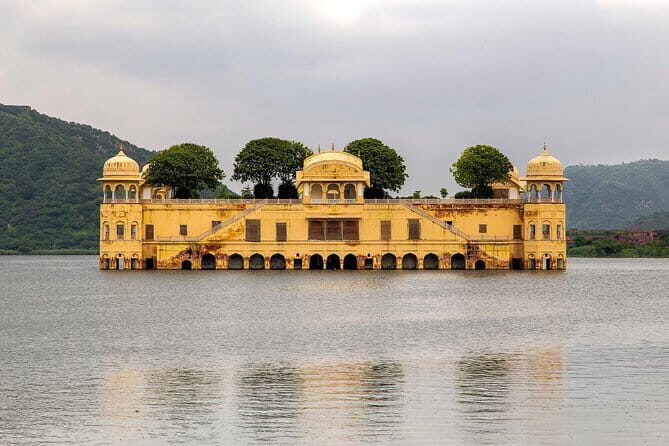
- Jal Mahal on Man Sagar Lake: Water Palace, 30 minutes
- Monkey Temple near the Aravalli Hills: springs and wildlife rules
- Food detours, chai moments, and local shopping time
- Timing, heat, and comfort on an 8-hour loop
- Who should book this Jaipur tuk-tuk tour
- Should you book this Jaipur tuk-tuk day tour?
- FAQ
- How long is the Jaipur tuk-tuk sightseeing tour?
- Is pickup and drop-off included?
- Is this tour private or shared?
- What’s included in the price?
- Are monument entrance fees included?
- Are camera fees included?
- What about lunch and cancellations?
Key things you’ll notice on this Jaipur tuk-tuk day
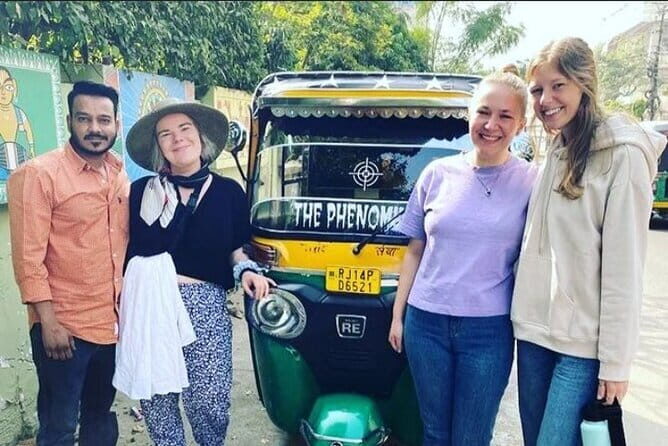
- Door-to-door pickup and drop-off via tuk-tuk, including hotel/airport/train/bus stations
- Big-sight hits: Hawa Mahal, City Palace, and Jantar Mantar in one day
- Amer’s Panna Meena ka Kund gets the time it deserves, including views toward Amer Hill
- Jal Mahal gives you the Water Palace stop without turning the day into a marathon
- Monkey Temple mixes nature, springs, and monkeys—bring common sense for wildlife time
Jaipur by Tuk-Tuk: a practical way to see more
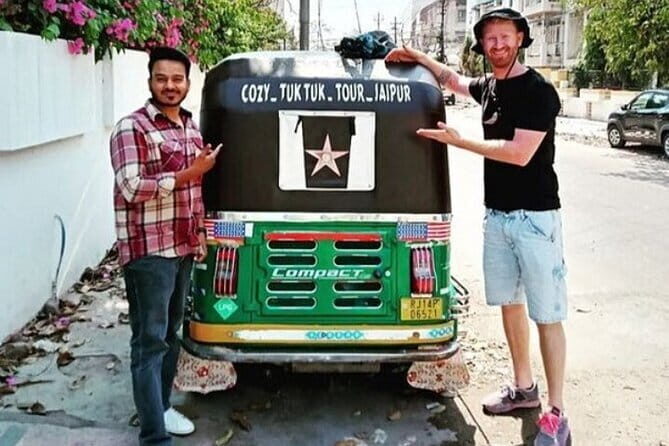
Jaipur is packed with heritage sites, but it’s also a working city with real traffic. Using a tuk-tuk for a full day is a smart compromise: you get flexibility, you can stop where it makes sense, and you avoid the “only one bus stop per block” problem.
This tour is also set up as private transportation, so the pace is yours. That matters because some of these places are best in short bursts (like Hawa Mahal), while others need slower walking and photos (like the stepwell area).
And yes, the tuk-tuk angle is part of the appeal. It’s marketed as an ecologically responsible way to tour compared with larger vehicles, and in practice it feels lighter and more street-level. You’re not just watching Jaipur from behind glass—you’re moving through it.
You can also read our reviews of more tours and experiences in Jaipur.


Price and logistics: what $8 gets you (and what’s extra)
Let’s talk value plainly. The tour price is listed at $8 for the experience, with fuel surcharge and GST included, and bottled water provided. Pickup and drop-off by tuk-tuk are included too, which is usually the most expensive part of “day tour” math in India.
What’s not included is where your real budget comes in. Entrance fees for monuments are about $30 per person, and camera fees are about $35 (when applicable). Lunch isn’t included.
So the best way to think of it: you’re paying a low amount for the vehicle + guide + route plan, and you should carry extra cash (or be ready with cards where accepted) for site entry. If you want photos at multiple sites, also factor in that camera fee line—because it can change the total more than you’d expect.
Hawa Mahal (Palace of Wind): quick stop, big payoff
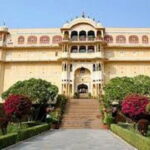
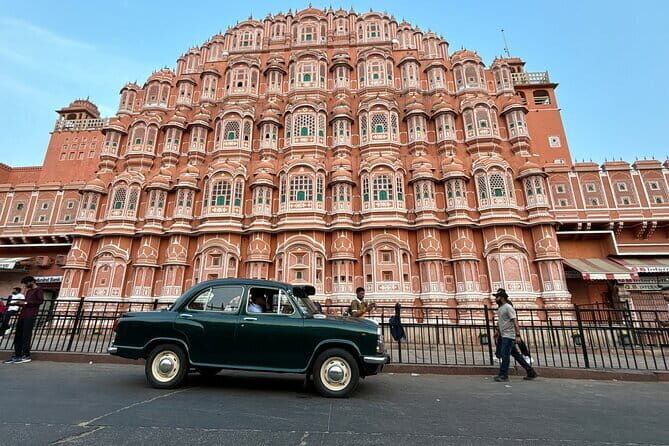
Hawa Mahal is one of those Jaipur sights that looks like it’s made for photos—and it is. The Palace of Winds was designed so the royal household could observe street life while staying behind architectural openings. That story makes the building more interesting than just a pretty facade.
On this tour, you get about 30 minutes here. That time is enough to see the main structure, take pictures from the best angles you can access, and move on before the day gets too hot or crowded. If you only do this one quick stop, I’d still recommend you show up with an open mind: the design concept is the point.
Entrance isn’t included for this stop, so plan for the extra entry fee if you want to go inside (it depends on how the site is managed and what’s open at the moment you arrive). The practical move: be ready to decide quickly once you’re at the entrance.
City Palace of Jaipur: courtyards and art in 90 minutes
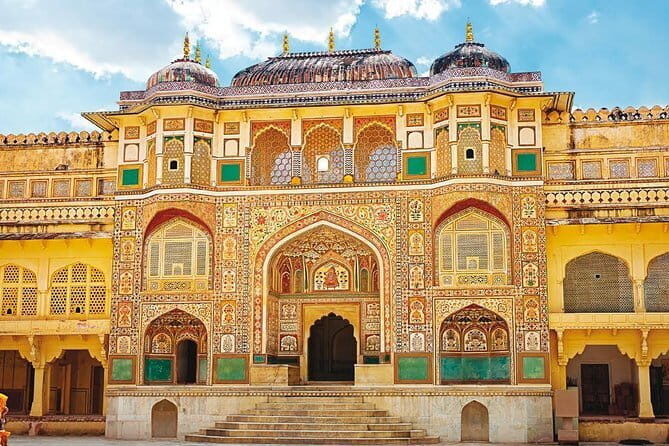
City Palace isn’t one “hall.” It’s an entire complex, with architectural details and open courtyards that help you understand how the palace functioned over time. Even if you’re not a museum person, you’ll likely enjoy the sheer amount of design—walls, balconies, and the feel of the space.
You’ll spend about 1 hour 30 minutes here. That’s a good amount of time for walking at a comfortable pace, reading what you can, and not feeling like you’re speed-running your way through history. It also works well because the other sights on your day are more specific and shorter.
Entrance tickets aren’t included, so again: money planning matters. If you want the inside experience, arrive ready to pay and focus on the art and structure rather than trying to do everything.
Jantar Mantar: UNESCO astronomy you can actually notice
Jantar Mantar is the kind of sight that rewards even a basic curiosity. It’s a UNESCO World Heritage Site and home to the largest stone sundial in the world, built by Rajput King Sawai Jai Singh. The whole place is basically a giant collection of stone instruments for measuring the sky.
You’re here for about 1 hour. That’s enough to understand the big idea, see the main structures, and take photos without getting bored. The best part is that it’s not just decorative—each element is tied to astronomy, which makes the site feel purposeful rather than “look but don’t touch.”
Entrance isn’t included. If you’re budgeting tightly, I’d still consider paying for this one. It tends to stick in your mind because it feels different from the typical palace-and-temple circuit.






Panna Meena ka Kund and Amer Hill: the long, photo-heavy stop
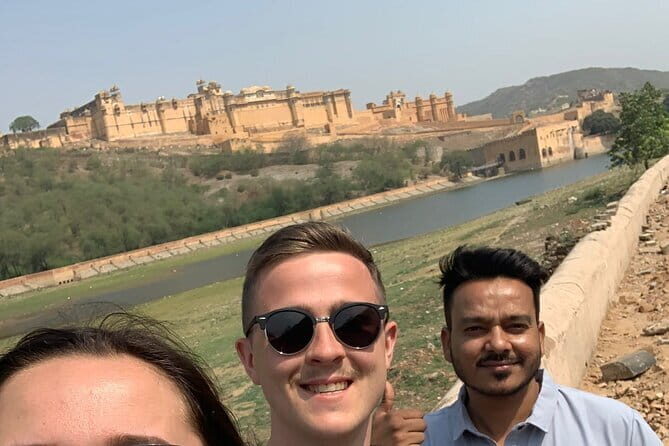
This is where the tour gets interesting in an offbeat way. Panna Meena ka Kund is a stepwell in Amer with an impressive scale—about 200 feet deep and roughly 1800 symmetrical steps. It’s also known for the viewpoint back toward Amer Hill, which makes it feel like a landscape photo even though you’re mostly surrounded by stone.
The stop is 3 hours, and that’s not accidental. A stepwell takes time. You’ll want to walk around, look for angles, and take breaks because the light changes and the space is visually busy. Comfortable shoes matter here. If you rush it, you’ll miss the best views.
Entrance isn’t included. Also, plan for the fact that stepwells can mean more walking than your brain expects, especially if you stop for photos every few minutes. The tour gives enough time to do this one at a real pace, which I appreciate.
Jal Mahal on Man Sagar Lake: Water Palace, 30 minutes

Jal Mahal—the Water Palace—is in the middle of Man Sagar Lake. The idea of a palace sitting above water is the hook, and the architecture is Rajput in style. The palace and lake were renovated and expanded in the 18th century, which adds a layer beyond “pretty postcard.”
This stop is only 30 minutes, so it’s more of a quick photo-and-sense-of-place moment than a long exploration. That’s a good fit because you’ll likely feel spent after Panna Meena ka Kund and before Monkey Temple.
Entrance isn’t included for this stop, so your focus should be on the exterior views and atmosphere. Bring patience: water settings can look amazing, but the best angles can depend on where you’re standing and how the light hits.
Monkey Temple near the Aravalli Hills: springs and wildlife rules
The Monkey Temple is located about 10 kilometers east of Jaipur, in the Aravalli Hills near a mountain pass. It’s known for natural springs and for monkeys that live freely in the forest.
You get 1 hour 30 minutes here. That’s enough time to walk the area, see the springs, and observe the monkeys from a safe distance. Some people believe bathing in the springs is lucky, but you should treat that as cultural context rather than a “must do.” Your comfort and safety come first.
Admission tickets aren’t included. Also, do not underestimate how close you can feel to animals. If you carry snacks, keep them secured. If you feed animals, it should be done with the guidance and rules of the site so it doesn’t turn into chaos. A good guide will steer you toward respectful interaction rather than reckless attention.
Food detours, chai moments, and local shopping time
Lunch isn’t included, but the day doesn’t have to feel like a fast-food box. One of the most consistently praised parts of this tour experience is how guides add human touches: they don’t just drop you at monuments; they help you find local spots.
You’ll often hear about guides like Umar and Firoj taking people to back-alley favorites—things like chicken biryani and an afternoon chai with butter bread. Another guide (Jimmy) is mentioned for helping people find good, local jewelry shops. Ali is described as patient and friendly, sharing helpful local context along the way.
So here’s the practical way to use this: if you want food and shopping that feels like Jaipur instead of a tourist mall, ask your tuk-tuk driver/guide early in the day. Tell them what you like—veg or non-veg, spicy level, snack vs full meal—and then build it into the time you have.
Timing, heat, and comfort on an 8-hour loop
This is about 8 hours in total. That makes it a “real day,” not a quick drive-by. Jaipur heat can be the difference between a memorable day and a cranky one, so treat your schedule like a working document.
I like tours that front-load flexibility, because some places will naturally take longer than planned. The order you do things can matter for comfort and photo quality. A private tuk-tuk ride gives your guide the ability to adjust stops if you hit crowding or if one location is taking longer than expected.
A few common-sense tips:
- Wear comfortable shoes for the stepwell and temple walking.
- Bring a hat and water habits—bottled water is provided, but you’ll still want to pace yourself.
- Keep your camera gear light; camera fees can also make you think twice about what’s worth shooting.
The guides’ English and clear explanations show up as a big positive. When you understand what you’re looking at, you walk slower and enjoy more. And honestly, it can make the whole day feel more fun than just checking boxes.
Who should book this Jaipur tuk-tuk tour
This tour fits best if you want:
- A private day with a driver who helps you find your way through major sights
- A route that includes both the headline landmarks and more local-feeling stops like Panna Meena ka Kund
- A guide experience that’s friendly and talkative, with time for small detours like chai or local food
If you’re traveling solo, with friends, or as a couple, this works well because private transportation makes the day feel tailored. If you’re traveling with a parent or a teenager, the mix of short and longer stops can help keep energy levels even.
If you hate extra costs and don’t want to think about entrance tickets at all, this might feel annoying. Since monument fees and camera fees are additional, budget carefully before you go.
Should you book this Jaipur tuk-tuk day tour?
Yes—if you want an efficient, street-level way to see Jaipur with a real human guide. The best reasons to book are the low stated tour price, the door-to-door pickup/drop-off, and the fact that the day includes both iconic landmarks and the stepwell-view experience that most people miss on quick tours.
Book it with two expectations: you’ll need extra money for entrance fees, and you’ll do more walking than you might assume at the stepwell and temple areas. If you’re good with that trade-off, you’ll likely walk away feeling like you understood Jaipur better, not just photographed it.
FAQ
How long is the Jaipur tuk-tuk sightseeing tour?
The tour runs for about 8 hours (approximately). The schedule includes multiple stops spread across the day.
Is pickup and drop-off included?
Yes. Pickup and drop-off by tuk-tuk are included from hotel, airport, railway station, or bus station.
Is this tour private or shared?
This is a private tour/activity, so only your group participates.
What’s included in the price?
Included items are private transportation, pickup/drop-off by tuk-tuk, fuel surcharge, GST, and bottled water.
Are monument entrance fees included?
No. Monument entrance fees are not included and are listed at approximately $30 per person.
Are camera fees included?
No. Camera fees are not included and are listed at approximately $35.
What about lunch and cancellations?
Lunch is not included. Cancellation is free up to 24 hours in advance for a full refund; cancellations within 24 hours do not receive a refund.