REVIEW · JAIPUR
Jaipur: Home cooking class tour with lunch/dinner.
Book on GetYourGuide →Operated by Jaipur tour taxi cab · Bookable on GetYourGuide
Your dinner starts at a Jaipur family stove. This home-style cooking class in Rajasthan focuses on North India everyday dishes, taught in an actual Jaipur house kitchen instead of a staged studio.
I especially like the warm, family-led approach: your host welcomes you and serves a traditional drink, then you’re introduced to how their kitchen works day to day. I also like the structure of learning—watch a demo, then make round chapatis and one vegetable curry yourself.
One thing to consider: if you want a very hands-on, step-by-step cooking boot camp, this can feel more like a local lunch moment with a couple of active tasks rather than constant cooking for the whole time.
In This Review
- Key moments that make this Jaipur class worth your time
- What a Jaipur home kitchen really means (and why it’s a good trade)
- Getting picked up and staying out of the logistics mess
- Start at the door: drinks, kitchen intro, and what gets covered
- The cooking lesson: demo first, then you take over
- Veg vs non-veg: how choices show up at the table
- Dinner and dessert: the lesson ends with a real meal
- Who should book this Jaipur home cooking class
- Price and value: how $15 holds up in Jaipur
- Real-world impressions: warmth and training, with one “hands-on” caution
- Should you book this Jaipur home cooking class?
- FAQ
- What’s included in the Jaipur home cooking experience?
- Is the class vegetarian only?
- What North Indian dishes will you learn to cook?
- Do you get to cook or is it mostly watching?
- What do you drink when you arrive?
- Will I eat lunch or dinner?
- What language is the tour taught in, and can I pay later?
Key moments that make this Jaipur class worth your time
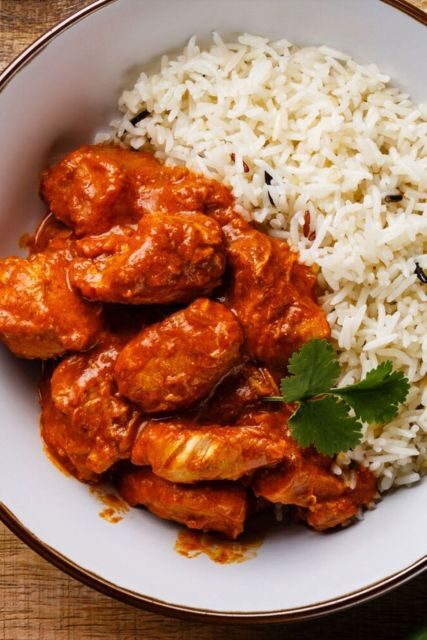
- Local family teaching with a real home kitchen vibe
- Chai, lassi, and other drinks to start things off the Jaipur way
- North India focus on chapati, paratha-style breads, and regional curries
- Hands-on practice: you’ll make chapatis and one vegetable curry
- Veg and non-veg options depending on your preferences
- Dinner + dessert prepared for you in the home
What a Jaipur home kitchen really means (and why it’s a good trade)
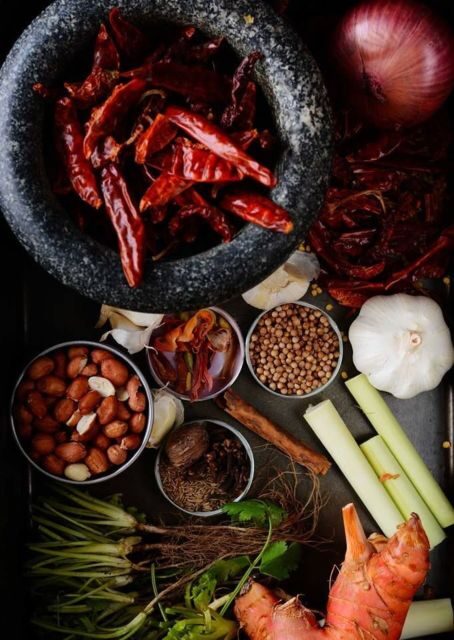
You can learn Indian cooking from cookbooks, videos, or even cooking schools. But the value here is that you’re learning inside the routine of a Jaipur household—where food isn’t a performance. That changes the feel immediately. The host introduces you to their kitchen, talks through the basics of Indian cuisine, and frames the cooking around dishes people genuinely eat at home.
Another practical win: this is built around North Indian comfort foods. The curries and breads listed—chapati, paratha, and a range of seasonal vegetable options—are the kinds of dishes you can actually reproduce later. You’re not stuck with only fancy restaurant specials. If you want food lessons that translate back to your kitchen, this format makes that easier.
For most people, the best part is the human side. One guest highlighted how host Shoaib made them feel like part of the family, while Shoaib’s mother taught cooking for favorite everyday dishes. That kind of welcome matters, because it’s what turns a meal into a real lesson.
You can also read our reviews of more cooking classes in Jaipur

Getting picked up and staying out of the logistics mess
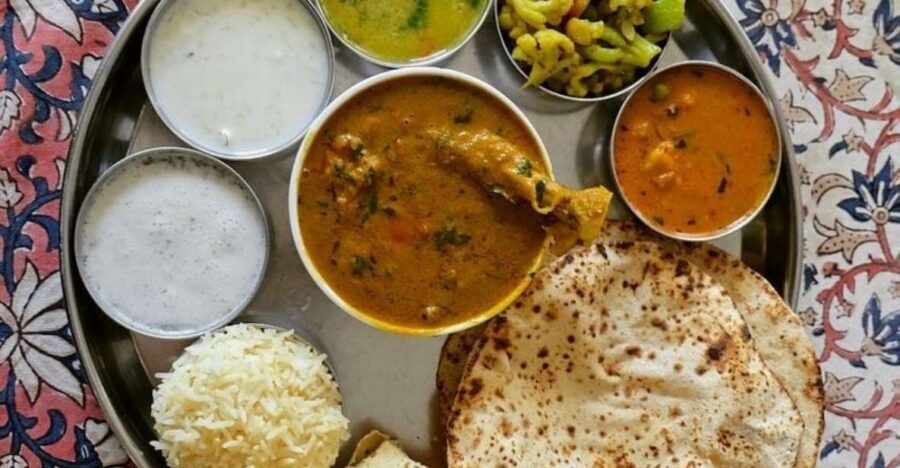
This experience is designed to be simple to join. Pickup and drop-off are included from your hotel, airport, or railway station, and the transfer uses a private air-conditioned vehicle with a chauffeur. That matters in Jaipur because traffic and timing can be unpredictable. Having someone handle the ride means you can focus on the cooking and conversation.
You’ll also have a professional host assisting you, plus bottled water. The included taxes and fees (including GST) are part of the deal, so you’re not piecing together add-ons mid-trip.
One small note: the listing says the vehicle is also for sightseeing with the chauffeur. The core experience is the home cooking, so I’d plan your expectations around the meal and cooking lesson rather than assuming a long, scripted sightseeing route.
Start at the door: drinks, kitchen intro, and what gets covered
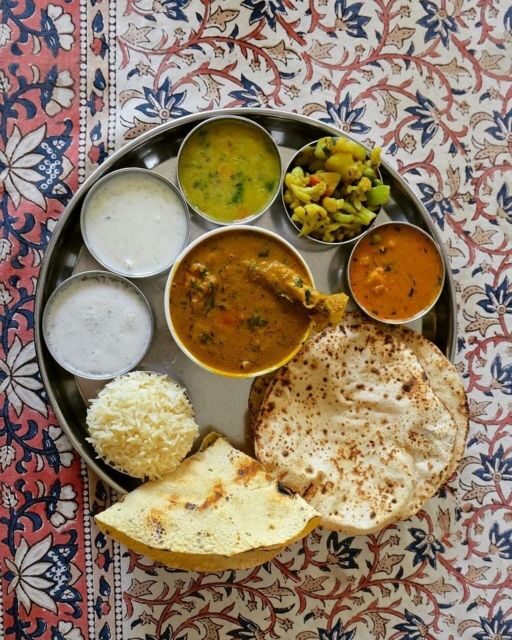
Most Indian cooking classes jump straight to spice mixes and chopping. Here, you begin at the home with a traditional drink—choices can include chai, lassi, lemon soda, juice, and similar options. It’s not just a welcome. It’s your cue for how the household sets the pace: relaxed, friendly, and rooted in everyday habits.
Next comes the kitchen introduction and a brief overview of Indian cuisine types. After that, the session narrows in on North India, which is a smart way to learn. Indian cooking can be broad—multiple regions, different spice balances, different bread traditions, and different ways to build flavor. By focusing on North India, the class gives you a clearer set of techniques to grasp.
From the dishes mentioned, you can expect themes like:
- breads such as chapati and paratha
- seasonal vegetable curries (like garlic bhindi, aloo gobhi, dal, pumpkin curry, carrot curry, and more)
- options that include paneer masala and eggplant styles such as baingan bharta
- regional-style gourd and okra preparations like tinda curry and gutaa curry
Even if you don’t cook every single item listed, this overview gives you a map of what you’re going to taste and what flavors matter.
The cooking lesson: demo first, then you take over
The learning flow is straightforward:
1) You start with a demonstration.
2) Then you get hands-on time making round chapatis.
3) You also make one vegetable curry yourself.
That’s the part you should pay attention to if you’re deciding whether this is “worth it” for your learning style.
If you want a clear sequence—see how it’s done, then try it once with guidance—that structure is ideal. Chapati practice is especially valuable because it teaches dough feel, rolling technique, and timing. Many visitors who cook at home later struggle most with bread consistency, so getting even one guided practice round can pay off.
On the curry side, you’ll get the feel for how a vegetable curry is built—using North Indian methods and seasonal ingredients. The exact curry name can vary, but the class is designed around vegetables and regional home-style curries rather than a single complicated restaurant recipe.
Now, the honest consideration: one guest felt the class leaned more toward watching and only stirring a pot twice. That doesn’t match the “you’ll make chapatis and one vegetable curry yourself” promise. Still, it tells you something important about the energy of the session: you might not be constantly chopping and cooking the whole time. Expect a mix of watching and doing, not a full-time hands-on workshop.
Veg vs non-veg: how choices show up at the table
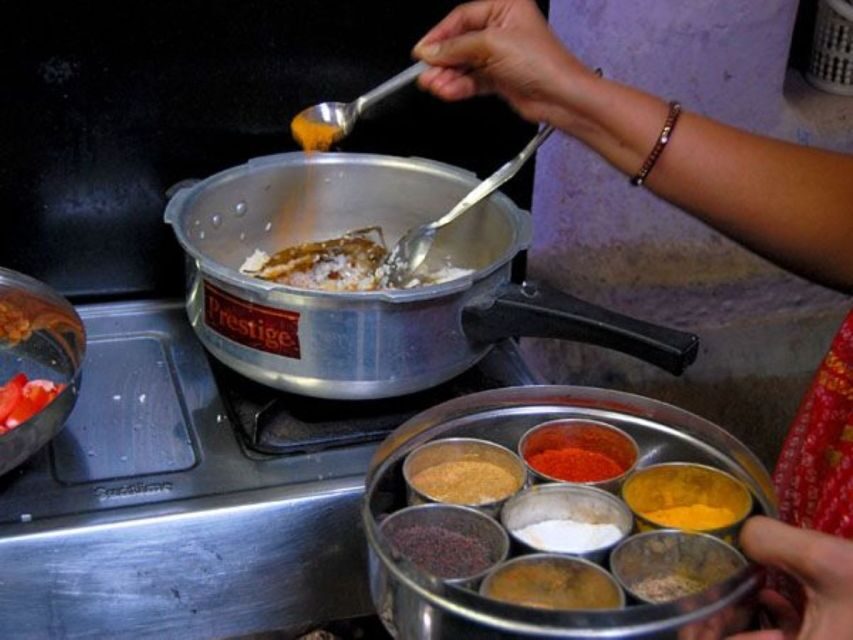
The experience states that both vegetarian and non-vegetarian options are available. That’s great if you’re traveling with someone who eats differently. In practice, this typically means the meal can match your preferences without you feeling like you’re stuck eating only one kind of food.
If you’re vegetarian, you’ll likely focus on the vegetable curries listed—things like aloo gobhi, garlic bhindi, dal, and paneer masala are specifically mentioned among the options. If you eat non-veg, you should expect additional choices that still fit the North India theme.
What I like about including both categories is that it keeps the class from feeling narrow. This isn’t just a vegetarian tasting menu, and it’s not a meat-only cooking day either. It’s a home-cooking setup built to include different diets.
A few more Jaipur tours and experiences worth a look






Dinner and dessert: the lesson ends with a real meal
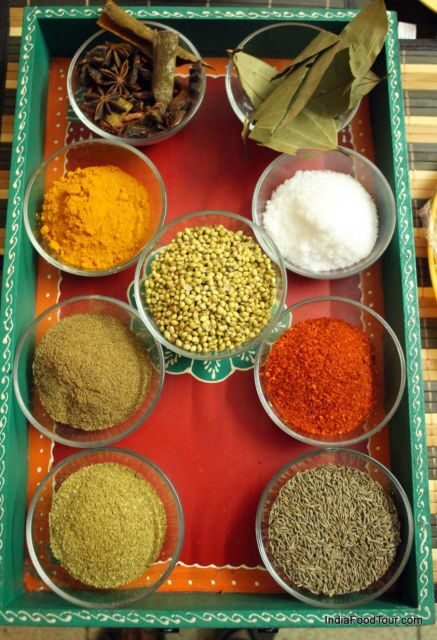
You’ll eat a dinner prepared in advance, and there’s also an Indian dessert served with your meal. The dinner is described as special and healthy, and it fits the North Indian focus of the day.
That matters because you’re not just learning technique. You’re also tasting the result in a home context—where the balance of bread and curry is meant to be eaten together. This is the point where many people finally connect the dots: why the spices go in when they do, how the bread changes the curry experience, and how a simple vegetable curry can feel complete.
The dessert being prepared beforehand is also a practical detail. It means you’re not stretched thin across too many cooking tasks. Instead, you get to enjoy the final meal and dessert as part of the family’s routine.
Who should book this Jaipur home cooking class
This class is a strong fit if you want:
- a local family experience in Jaipur, not a hotel restaurant meal
- North India flavors you can recognize and cook again later
- a session that combines demo time with real hands-on practice (chapati + one curry)
- an activity that works well even if your group has mixed eating preferences
It may be less ideal if you:
- want a long, continuous hands-on cooking session where you’re actively cooking the entire time
- expect a strict, technical lab-style class where every minute is hands-on instruction
The good news: even with some demo time, chapati practice plus tasting the finished dinner tends to satisfy people who want to leave with something practical.
Price and value: how $15 holds up in Jaipur
At $15 per person, this is priced for value rather than luxury. And that’s exactly where it fits: you’re paying for a home-cooking experience with a host, pickup and drop-off, an air-conditioned private vehicle with a chauffeur, bottled water, and taxes (including GST).
When you compare that to typical paid food tours or paid cooking classes that cover only a portion of a meal, the value looks clear. You’re not just buying dinner—you’re getting the structured “learn one or two core items” approach plus the actual meal and dessert.
Also, the price is especially compelling if you’re traveling on a tighter budget but still want something that feels authentically local. This class aims at that sweet spot: a real household meal experience, with enough cooking practice to make it feel worthwhile.
Real-world impressions: warmth and training, with one “hands-on” caution
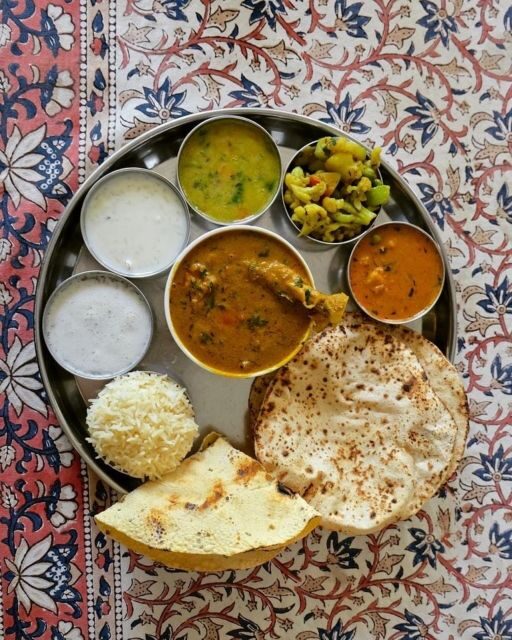
Two of the strongest praises in the feedback relate to people and meal quality. One standout reaction was that the experience felt like wonderful training and dinner, with warm compliments for the host and the overall session. Another praised Shoaib for making them feel included like family, while Shoaib’s mother taught favorite everyday local dishes.
That’s the main takeaway you should use when you book: you’re not coming only for recipes. You’re coming to spend time in a real home setting, guided by someone who actually cooks these foods themselves.
The balanced note comes from a less enthusiastic view: the class may feel closer to a local lunch experience with limited hands-on participation for some people. If that concern matters to you, consider sending a message beforehand asking how much active cooking time you can expect beyond chapati and curry making. The class structure suggests you will make those items, but it helps to confirm your expectations.
Should you book this Jaipur home cooking class?
If you want a friendly, local-home food experience with practical North India cooking skills, I’d say yes. The setup—family welcome with drinks, chapati practice, making one vegetable curry, then sitting down to dinner and dessert—hits a smart balance of learning and eating.
Book it if you:
- love food that’s rooted in everyday life, not just tourist plates
- want a bread-and-curry skill you can use back home
- appreciate the chance to ask questions and learn in a lived-in kitchen
Skip or adjust expectations if you’re chasing an intense, nonstop cooking workshop where you do everything for the whole session. In that case, you might end up wanting more hands-on instruction than this one is set up to deliver.
If you match the first group, this is the kind of Jaipur experience that leaves you with flavors you can cook again—and a memory built around the people who cooked it with you.
FAQ
What’s included in the Jaipur home cooking experience?
You get pickup and drop-off from your hotel, airport, or railway station, plus a private air-conditioned vehicle with a chauffeur. The host guides the experience, bottled water is provided, and all government taxes including GST are included.
Is the class vegetarian only?
No. Both vegetarian and non-vegetarian options are available.
What North Indian dishes will you learn to cook?
The focus is on North India cuisine. You’ll cover breads like chapati (and paratha is mentioned as part of the cuisine overview) and vegetable curries such as garlic bhindi, aloo gobhi, dal, pumpkin curry, carrot curry, paneer masala, tinda curry, eggplant masala, baingan bharta, and gutaa curry.
Do you get to cook or is it mostly watching?
The session includes a demonstration, and then you get the chance to make round chapatis and one vegetable curry yourself.
What do you drink when you arrive?
You’ll be served a traditional drink such as chai, lassi, lemon soda, or juice.
Will I eat lunch or dinner?
The experience includes a meal, and the special healthy dinner is specifically mentioned, served with an Indian dessert.
What language is the tour taught in, and can I pay later?
The experience is offered in English. You can reserve and pay later, and you can cancel up to 24 hours in advance for a full refund.