REVIEW · JAIPUR
Jaipur City- 3 Day Private Tour With Day-Trip To Pushkar
Book on Viator →Operated by Abby & Scout Tours · Bookable on Viator
Jaipur hits fast, and this tour keeps the pace smart. You get a private guided sweep of the Pink City’s must-sees (City Palace, Hawa Mahal, Jantar Mantar) plus quieter stops like Galtaji and Panna Meena ka Kund. Then you break the routine with a day trip to Ajmer and Pushkar, including the Brahma Temple and Pushkar Lake ghats.
I especially like how this plan is built around real geography: forts and viewpoints for sunset, stepwells and temples early in the day, and old-city walking time when streets are active. I also like that you’re not stuck figuring out transport; a private air-conditioned car and hotel pickup/drop-off make a three-day run feel manageable.
One drawback to plan around: many monument entry fees and camera fees are not included, so your budget will depend on how much you photograph and which ticketed areas you enter.
In This Review
- Key highlights I’d circle first
- Is This Jaipur and Pushkar Tour Good Value at $128.82?
- Private car + local guide: why this plan feels easier than DIY
- Day 1 in Jaipur: Galtaji Monkeys, Albert Hall Museum, Royal Tombs, and Nahargarh sunset
- Day 2 in the Pink City: stepwell cool, Hawa Mahal wind, Jantar Mantar math
- Day 3: Ajmer’s Sufi shrine to Pushkar Lake ghats and Brahma Temple
- The included extras that make this feel like a real tour
- Tickets, cameras, and the pace: how to avoid wasting a day
- Who this tour suits best (and who might want a different style)
- Should you book this Jaipur and Pushkar private tour?
- FAQ
- What is the duration of the Jaipur City- 3 Day Private Tour with Day-Trip To Pushkar?
- Is this tour private or group-based?
- Do you get hotel pickup and drop-off?
- What transportation is included?
- Are entry tickets to monuments included in the price?
- Are there any meals included?
- What activities or foods are included besides sightseeing?
- Which main sites are visited in Pushkar?
- Are camera and video fees included?
- What is the cancellation policy?
Key highlights I’d circle first
- Skip-the-line help for tickets: your guide assists with tickets so you lose less time waiting.
- Private car for tight sequencing: long driving days don’t eat your whole day.
- Nahargarh Fort sunset: an actual end-of-day payoff, not just another stop.
- Pushkar Lake walking tour: time for the ghats and day-to-day life.
- Hand block printing art session: a hands-on Rajasthan craft moment.
- Lassi included: one local favorite, built into the itinerary.
Is This Jaipur and Pushkar Tour Good Value at $128.82?
At $128.82 per person, this is priced like a true guided experience, not a bare-bones sightseeing day. What you get for the money is the combination of (1) private guide time, (2) every-day hotel pickup/drop-off, and (3) a private air-conditioned car handling transfers and parking. Those three items alone usually add up quickly in Rajasthan, especially when you’re covering Jaipur for two full days plus a longer day trip.
The value also comes from how the itinerary is arranged. You’re not only ticking off big names; you’re spending time at places with built-in texture: old Jaipur streets, temple courtyards, stepwell geometry, and the Pushkar lakefront rhythm. That kind of pacing is often what turns a “list of sights” into a trip you can actually remember.
The only real pricing caution is that entry tickets aren’t included. Your final out-of-pocket will rise if you want to enter every ticketed monument, if camera fees apply at the stops you care about, or if you add meals and extras after the tour day ends.
You can also read our reviews of more city tours in Jaipur


Private car + local guide: why this plan feels easier than DIY
A DIY Jaipur plan usually breaks in two places: transport and timing. Jaipur traffic and distance can eat your energy, and a tight schedule can make you feel like you’re constantly sprinting between monuments. Here, you’re covered by daily hotel pickup and drop-off and transfers by a private air-conditioned car—so you can stay in “sightseeing mode” instead of “logistics mode.”
You also get an English-speaking private guide throughout. That matters because Jaipur’s sites are visually iconic, but the context is what makes them interesting. At City Palace, for instance, it’s not just stonework—you’re guided through the courtyards and palace layout. At Jantar Mantar, the astronomical story is part of the experience, not a footnote.
One detail I appreciate from the way this tour is described: the guide is set up to help you skip long ticket lines for the sites that require entry. That’s the practical difference between being on time for the good light and burning time in queues.
And if you’re lucky enough to get a guide like Mustak or Kailash (names tied to strong past experiences), the approach seems focused on getting you solid explanations while still keeping the day moving.
Day 1 in Jaipur: Galtaji Monkeys, Albert Hall Museum, Royal Tombs, and Nahargarh sunset
Day 1 is a smart mix of “wow” and “slow.” You start with a place that’s alive, not staged: Monkey Temple (Galtaji). It’s an older temple tucked between rocky bluffs in a rough valley, and yes, there are many monkeys. The practical catch: monkeys mean you should keep a close eye on bags, food, and loose items. Even if you’re careful, it’s a place where you’ll feel the animals around you—so don’t plan to wear something precious.
Next comes Albert Hall Museum, a short visit that’s great if you want a quick grounding in Jaipur’s cultural side. It’s not just “museum as a checklist.” You get a chance to connect the city’s artistic and historical identity to what you’ll see in monuments later.
Then you’ll pause at Patrika Gate, which is free and works well as a break between heavier stops. It’s an easy photo stop, and it also gives you a feel for how Rajasthan expresses pride through design.
After that, Royal Gaitor Tumbas gives you a different tone. These royal tombs are described as a living heritage space where past and present feel close. It’s also a good reset from crowds because it’s more about atmosphere and less about rushing from room to room.
The day’s big payoff is Nahargarh Fort with sunset. This is where the tour’s sequencing makes sense: you end in a viewpoint mode, so the day’s effort pays off with changing light over Jaipur. Plan for a slower final hour here; the value is in taking the view in, not treating it like a quick roadside photo.
You’ll also drive through Jaipur’s lit-up areas and spend time around local markets. That “after dark city drift” part is useful if you want to understand what people actually do in the evenings, beyond monument visiting.
Ticket reality check for Day 1: Monkey Temple, Albert Hall, Gaitor, and Nahargarh are listed with admissions not included in the package. Your guide will help with tickets, but you should still budget for entries.
Day 2 in the Pink City: stepwell cool, Hawa Mahal wind, Jantar Mantar math
Day 2 leans into the classic Jaipur skyline—and then offsets it with quieter, more sensory stops.
You begin at Panna Meena ka Kund, the stepwell where you can sit near the edge and feel the cooling effect of the structure. Stepwells are famous across western India for a reason: they’re engineering and social space combined. Even if you don’t spend a lot of time, it’s a refreshing break from temple-and-palace routes.
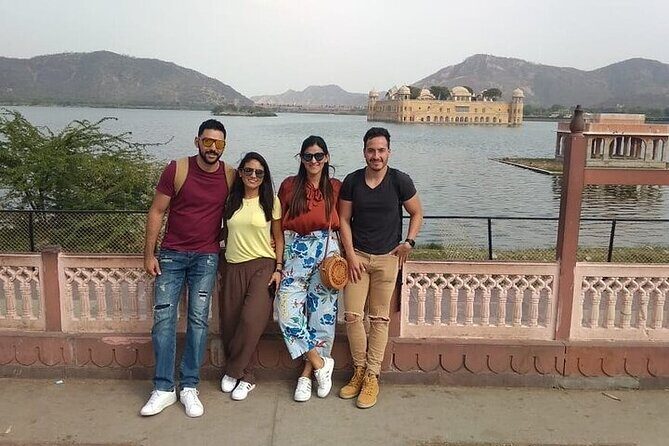
A quick stop follows for Jal Mahal. Important detail: it’s described as off to public limits, so you’re getting more of a roadside view than a full visit. If you were hoping for a long look or photos from closer up, manage expectations. Still, Jal Mahal’s silhouette is part of Jaipur’s visual identity.
Then you move into the heart of royal architecture with City Palace of Jaipur. You’ll have time to explore major courtyards like Mubarak Mahal Courtyard and Pritam Chowk Courtyard. City Palace rewards slow walking because the layout is layered, and the courtyards give you angles to understand how different parts of the complex connect.
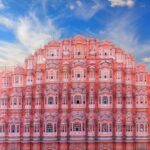
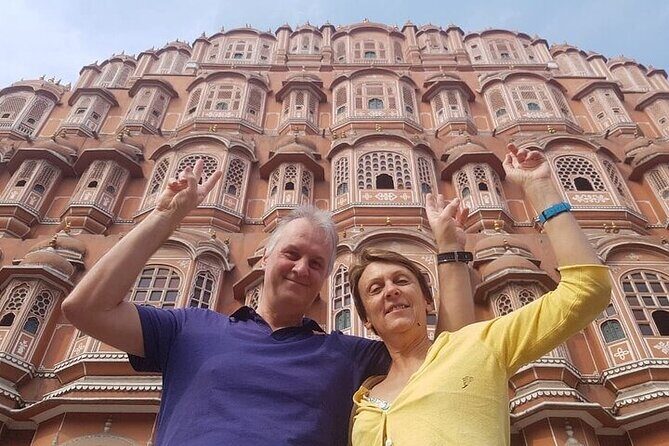
From there, you hit Hawa Mahal (Palace of Wind). Its design is the star—lots of small windows and a facade that looks like it was built for dramatic street viewing. This is the stop where you’ll understand why it’s called a wind palace: the structure is designed to allow airflow and visibility patterns, even though you may only have a short time.
Next: Jantar Mantar. This is one of India’s better-known astronomy sites, and the tour frames it as a place where you can learn the logic behind the instruments. You’ll get more value here with a guide than without one because the shapes are eye-catching, but the purpose is what sticks.
Swargasuli Tower is another listed monument stop. It’s a shorter segment, but it helps connect the palace-city look with the skyline you’ll see all over Jaipur.
Mid-day you get a very practical, very Rajasthan break at Lassiwala Kishan lal Govind Narain Agarwal for the lassi, which is included. This is one of those inclusions I like because it’s not vague. You’re getting a specific local stop named in the itinerary, and you’re not hunting for it after a full morning.
After lunch-time energy, you’ll visit Jagat Shiromani Ji Temple. It’s described as having a tranquil courtyard, so even if you’re temple-weary, this one is positioned as a calmer stop inside the busy city rhythm.
The day rounds out with a walking tour of old Jaipur. This is where the tour shifts from landmark mode to street mode. Expect historic streets, havelis, and charming courtyards—plus the kind of details that only make sense when someone points them out. It’s also a good time to slow down, because walking gives you more control: you can stop, look up, and step aside when the street crowds thicken.
Day 2 ticket reality check: Many major stops have admissions not included (City Palace, Hawa Mahal, Jantar Mantar, etc.). That’s normal for tours like this, but it’s the reason to keep cash or card readiness for entries on the days you’re visiting.
Day 3: Ajmer’s Sufi shrine to Pushkar Lake ghats and Brahma Temple
Day 3 is a change of pace, and it starts with an early push to Khwaja Gharib Nawaz Dargah Sharif in Ajmer. The plan strongly suggests starting as early as you can so you get the best experience and see more of the day. That’s not just about convenience; shrine hours and crowd energy can shape what you’re able to take in.
This stop is described as a world-famous Sufi sacred place, and that framing matters. Think of it as a spiritual landmark you experience through atmosphere, devotion, and movement—not just architecture.
Then you head to Pushkar, a small town at the edge of the desert, separated by Nag Pahar (Snake Mountain). Even before you start walking, this location gives you a sense that the town is shaped by geography and not just by urban planning.
In Pushkar, you’ll visit the Brahma Temple, the single temple dedicated to Brahma worldwide (as described). The itinerary also notes that completing a Hindu pilgrimage is believed to require bathing in Pushkar’s sacred waters. Even if you don’t plan a ritual, that detail gives meaning to why the town’s lake is so central.
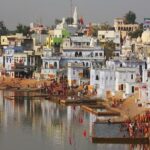
Next is Pushkar Lake with a walking tour focused on the ghats and daily activity. This is one of the itinerary’s best uses of time: ghats aren’t meant to be “quick photos.” They’re where life happens—people, routines, and the layered edges of a sacred space.
Finally, you go up to Shree Savitri Mata Mandir, about 3 kilometers from Pushkar, constructed in 1687 CE (as listed). There’s also a Savitri Mata Ropeway mentioned in the stop description, but the package inclusions don’t explicitly say the ropeway ride itself is covered. So plan on treating it as a “possible add-on” rather than a guaranteed included ride.
You end with the drive back to Jaipur to your hotel, airport, or rail station.
Day 3 timing reality check: It’s a longer day by nature because it includes Jaipur-to-Ajmer/Puskar driving. The plan is still private and guided, which helps keep it from feeling chaotic.
You can also read our reviews of more private tours in Jaipur




The included extras that make this feel like a real tour
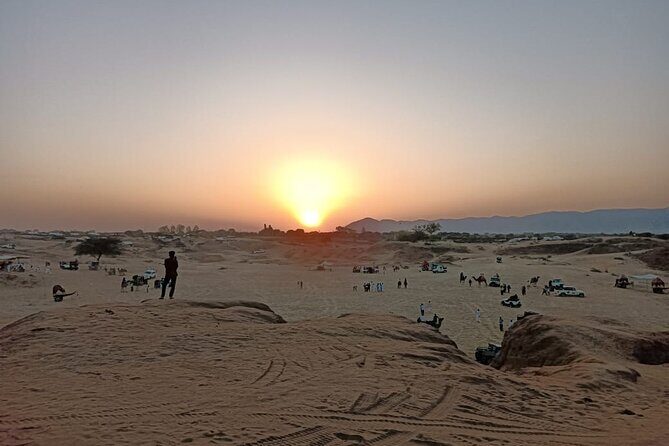
Beyond monuments, this package includes the little things that reduce friction.
You get bottled water, cookies, snacks, and a soft drink in the car. That sounds minor until you’re doing stepwell to palace to museum in one day. Rajasthan sun can turn “I’ll be fine” into “I wish I had water five minutes ago,” so these basics help.
You also get lassi included, which is both tasty and convenient. It’s the kind of cultural snack that anchors the day to local life instead of being just another photo stop.
One standout value item: hand block printing art session. That’s your chance to connect with a craft tradition you’ll keep seeing references to in Jaipur shopping areas. If you’re the type who likes to bring home something more meaningful than a postcard, this is the kind of inclusion that justifies paying for a guided package.
Tickets, cameras, and the pace: how to avoid wasting a day
This tour runs about 8 hours per day on Day 1 and 2, tied to monument operating hours until sunset. That’s a useful planning detail: it means you shouldn’t expect an ultra-late night tour of monuments. It’s built for good daylight and efficient sequencing, which is good news if you want to see a lot without burning out.
Admissions are not included. Your guide helps with ticketing so you skip long ticket lines, but you should still expect to pay entry fees at some stops. If you’re trying to budget, think “tickets plus any camera fees” as your likely extra.
Also, video/still camera fees are not included at the monuments (as listed). If photography matters to you, keep that in mind. Some places can charge for cameras or may have restrictions, so it’s worth being prepared.
At least one stop has a limitation: Jal Mahal is a roadside view because it’s described as off to public limits. That’s not a dealbreaker, but it’s the kind of detail that affects expectations.
Who this tour suits best (and who might want a different style)
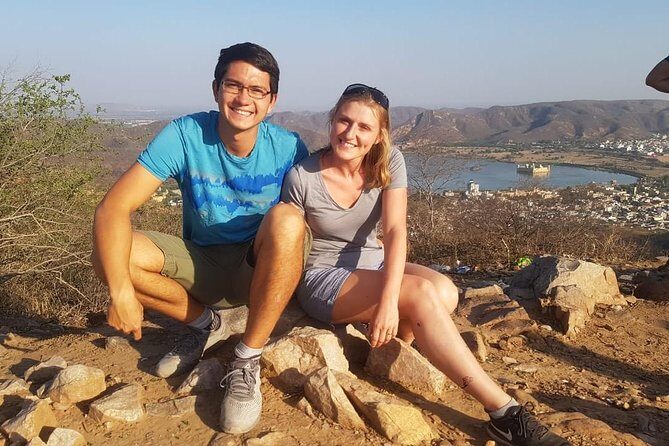
This private tour fits you best if:
- You want structure across three days without running around for transport.
- You like learning from a guide at major sites like City Palace and Jantar Mantar, not just taking quick exterior photos.
- You prefer a mix of big monuments and smaller texture stops like Galtaji and old-city walking.
- You want a day trip that’s more than one temple or one market—Ajmer + Pushkar is a full arc.
It may be less ideal if:
- You hate paying separate entry fees (since tickets aren’t included).
- You want long time at fewer sites. This plan is active and timed well, but it’s still about covering a lot.
- You’re not comfortable with crowds at places like Pushkar Lake ghats and the dargah area, where activity is part of the experience.
Should you book this Jaipur and Pushkar private tour?
I’d book it if you want a private, air-conditioned, guided way to see Jaipur’s big icons plus Pushkar’s lakefront life—without having to piece together transport and timing yourself. The included lassi and hand block printing add real flavor, and the sunset finish at Nahargarh Fort is a nice way to end Day 1.
I’d think twice if your budget is tight because ticket and camera fees will likely add up, and Jal Mahal is only viewed from the roadside. But if you’re comfortable with those trade-offs, this is a strong “first time to Jaipur and Pushkar” style itinerary.
If you do book, go in with one mindset: wear good walking shoes, plan for heat, and let the guide manage the flow. You’ll spend your energy on the places that deserve your attention.
FAQ
What is the duration of the Jaipur City- 3 Day Private Tour with Day-Trip To Pushkar?
It’s approximately 3 days.
Is this tour private or group-based?
It’s a private tour/activity, meaning only your group participates.
Do you get hotel pickup and drop-off?
Yes. Every day hotel pickup and drop off are included.
What transportation is included?
All transfers and sightseeing happen by a private air-conditioned car, including parking and gasoline.
Are entry tickets to monuments included in the price?
No. Entry tickets are not included, though your guide helps you skip long ticket lines to buy tickets.
Are there any meals included?
No. Accommodation and meals aren’t included. You can go out for dinner after the tour, depending on timing and vehicle/group details.
What activities or foods are included besides sightseeing?
The tour includes bottled water, cookies, snacks, soft drink in the car, a lassi, and a hand block printing art session.
Which main sites are visited in Pushkar?
You’ll visit Brahma Temple, Pushkar Lake (with a walking tour of the ghats), and Shree Savitri Mata Mandir.
Are camera and video fees included?
No. Video/Still camera fees at monuments are not included.
What is the cancellation policy?
There is free cancellation. You can cancel up to 24 hours in advance for a full refund, and refunds are not available if you cancel less than 24 hours before the start time.