REVIEW · NEW DELHI
Indian Golden Triangle with Varanasi
Book on Viator →Operated by Ghum India Ghum · Bookable on Viator
Some cities feel like a movie set. This one mixes marble, palaces, and holy river life. You’ll do India’s classic Golden Triangle (Delhi, Agra, Jaipur) with guided time that keeps moving but not rushed, then add Varanasi for a totally different kind of sightseeing.
I really like the way this trip is set up as a true private experience: you get a local English guide for the key sightseeing blocks, plus an air-conditioned car with a chauffeur for the road legs. Another big win is the comfort/structure—4-star hotels in Delhi, Agra, and Jaipur, then a 3-star place in Varanasi within walking distance of the ghats, with breakfast included. One thing to think about: monument entry fees are not included, and in Varanasi there are optional extras like a sunrise boat ride that cost extra.
In This Review
- Golden Triangle Plus Varanasi: The Key Selling Points
- Entering The Golden Triangle From Delhi: First Day That Actually Helps
- Agra At Sunrise: Taj Mahal Without The Worst Timing
- Jaipur Highlights In One Day: Amber, Palace, And Jantar Mantar
- Varanasi Temples And Ghats: Where The Sights Feel Personal
- Sarnath After Varanasi: Buddha’s Ground, Calm Pace, Big Meaning
- Ground Transportation And Hotel Comfort: What You Actually Get For Your Money
- Guides, Drivers, And The Human Side Of The Schedule
- Price And Logistics: Does $730 Actually Make Sense?
- Who This Tour Fits Best (And Who Might Want Something Different)
- A Few Tips To Make The Schedule Feel Easy
- Should You Book This Golden Triangle With Varanasi?
- FAQ
- Is airport pickup included?
- What kind of hotels are included?
- Are entrance fees to monuments included?
- Is the flight to Varanasi included?
- Do I get a guide, and is it in English?
- Are optional sunrise boat trips included?
Golden Triangle Plus Varanasi: The Key Selling Points
- Sunrise Taj Mahal timing, so you’re not arriving after the main crush
- Amber Fort + City Palace + Jantar Mantar in a single organized Jaipur day
- Varanasi temples and ghats with a guide, so you understand what you’re seeing
- A smooth mix of 4-star comfort and a Varanasi location that’s easy for evening ghats
- Optional subah-e-banaras boat trip in Varanasi for sunrise views
- Practical team support, with praised guides and drivers such as Akshay, Tarun Joshi, Suraj, and Deepak
Entering The Golden Triangle From Delhi: First Day That Actually Helps
Most Golden Triangle trips start with a checklist and a long day of driving. This one starts with something smarter: you’re met at the airport or hotel and transferred to your pre-booked luxury hotel in an air-conditioned car. After that, you get real breathing room to settle in, eat something you like, and handle jet lag before the first big sight day.
That matters, because Delhi can hit fast. Even when the schedule is solid, you’ll want time to get your bearings. If you’re staying near the action, you can do your own light exploring on your own time before the itinerary really gets going.
You can also read our reviews of more tours and experiences in New Delhi.



Agra At Sunrise: Taj Mahal Without The Worst Timing
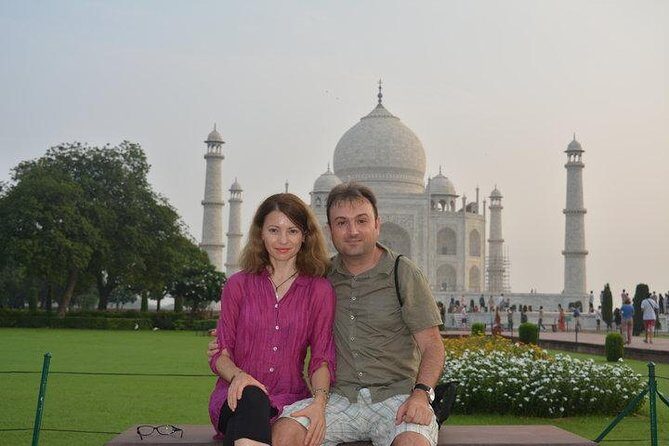
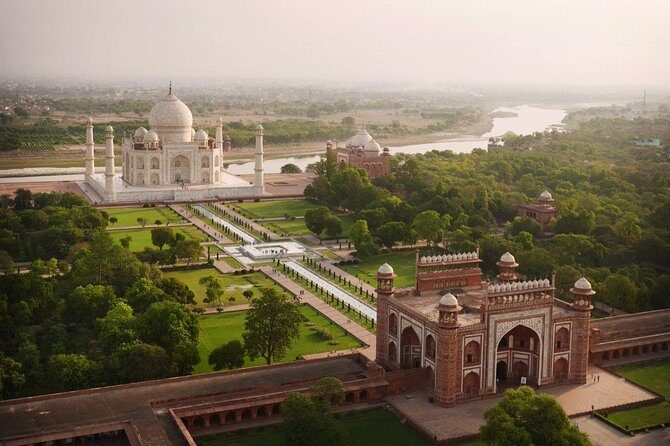
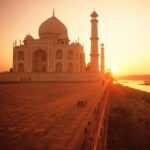
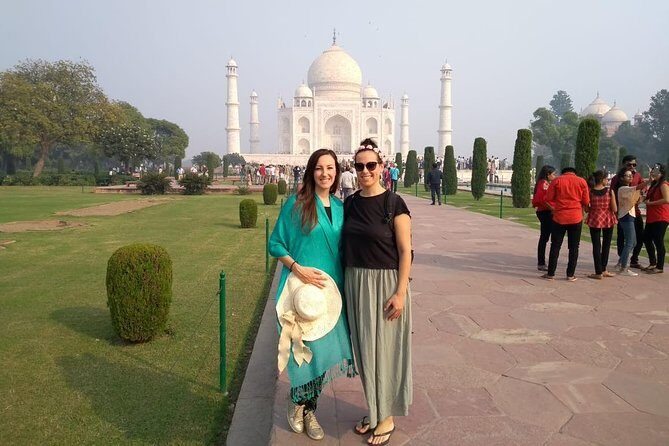
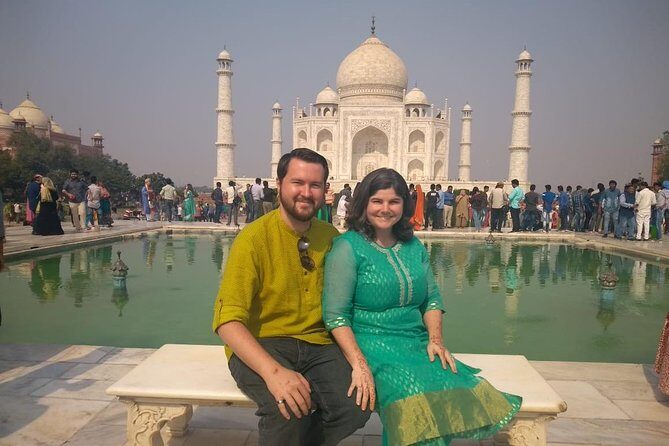
Agra’s star is the Taj Mahal, and the plan here focuses on the best moment—sunrise. Seeing it at dawn changes the feel of the marble. The white doesn’t just look pretty; it looks alive as the light shifts. It’s also a UNESCO World Heritage site and was built in 1653 by Shah Jahan, so your guide can connect the building to the Mughal story instead of treating it like a photo stop.
One practical note: the Taj Mahal experience can feel “tight” because it starts early. Wear something easy to move in, and plan for any line/entry timing that comes up. Also, don’t assume entrance fees are included—your package lists entrance fees as not included, even if some descriptions show free admission. I’d treat this as: you’ll likely handle ticket costs yourself, so confirm before you leave the ticket counters.
Jaipur Highlights In One Day: Amber, Palace, And Jantar Mantar
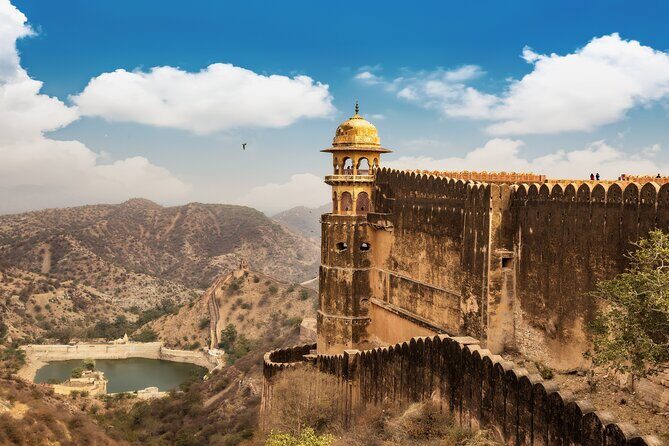
Jaipur is where the trip turns from grand monuments to city-scale variety. You’ll start with Amber Fort, built in the 16th century. Amber is more than walls and viewpoints—it’s the kind of place where details reward slowing down. If you like architecture and dramatic interiors, this is your day.
Then you’ll do a classic “see it from the road” pass for Hawa Mahal—the Palace of Winds. It’s not a long stop, but it’s a strong visual anchor. After that, the plan moves into the heart of Jaipur with the City Palace and museum, followed by a walk to Jantar Mantar, an astronomical observatory. That combo is valuable because it shows Jaipur not only as royal showpieces, but also as a city that cared about science, measurement, and timekeeping.
The evening is intentionally light. You have time at your leisure, which is useful here because Jaipur can be intense. If you want shopping, a relaxed dinner, or just time to reset, this schedule gives you that space.
Varanasi Temples And Ghats: Where The Sights Feel Personal
Then comes the curveball: Varanasi. This isn’t a “stand here, take picture, move on” city. The tour includes temple visits like Annapurna Devi, Vishwanath Temple, Durga Kund, Vishalakshi Devi, and Birla Temple—plus Banaras Hindu University. That mix helps you understand the city as a living religious center rather than just a backdrop.
After the temples, you’ll head to the famous ghats. The plan includes Harishchandra Ghat and Manikarnaka (also known as the burning ghat), along with Dashashwamedh Ghat. Seeing these places with a guide changes everything. Even if you’re not an expert in Hindu rituals, you’ll get context on why people gather where they gather, and how the river connects to belief and daily life.
A couple practical considerations:
- This is spiritual sightseeing, so dress codes can matter in temple areas. Plan for conservative clothing.
- You might find the sights emotionally intense. That’s normal. Give yourself breaks rather than trying to “power through.”
One more thing I appreciated in the program details: there’s advice to be careful around monuments and not engage locals. I always prefer spending my time watching and listening rather than being pulled into extra sales pressure.
Sarnath After Varanasi: Buddha’s Ground, Calm Pace, Big Meaning
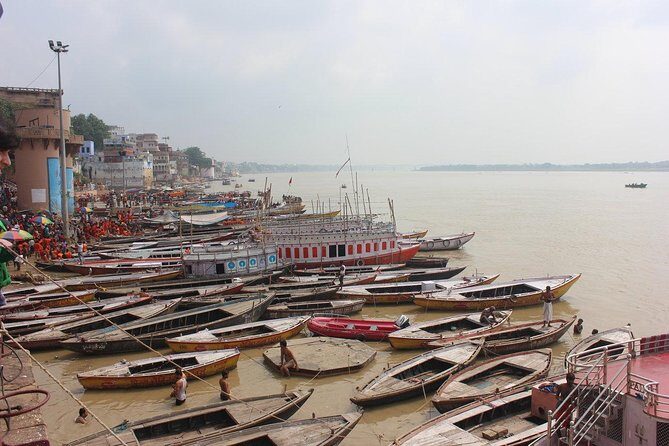
After Varanasi, the itinerary adds Sarnath, and it works as a mental reset. There’s an optional early-morning boat trip in Varanasi (subah-e-banaras) for sunrise views, then you return, eat breakfast, and head out later in the day.
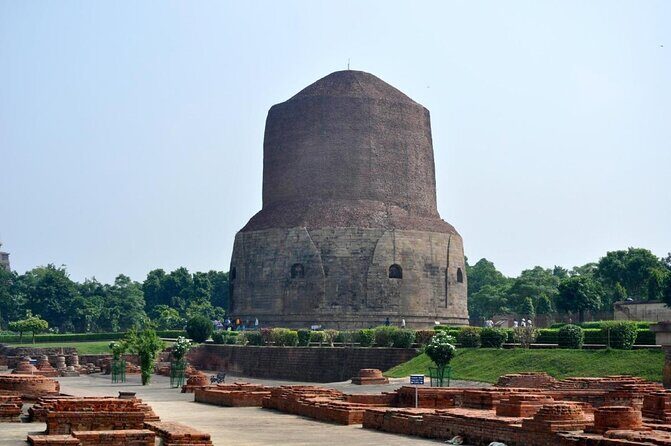
Sarnath is the place where Buddha preached his sermon/dharma to his first five disciples after enlightenment. Even if you’ve heard the story before, the physical space helps it land. The tour focuses on Dhamek Stupa, one of the most visited and important Buddhist shrines, plus a museum, Thai temple, and the main temple area.
This pairing—Varanasi energy followed by Sarnath’s reflective calm—is one reason I think the 8-day shape makes sense. You don’t end the trip still overwhelmed. You end it with a different kind of travel memory.



Ground Transportation And Hotel Comfort: What You Actually Get For Your Money
The “included” part of this tour is where value becomes real. You get ground transportation by air-conditioned car with a chauffeur, and the vehicle type is based on group size (sedan up to 3 passengers; SUV or 3-row car for more than 3; van for more than 6). That’s not glamorous, but it’s smart in India, where timing and traffic can make a schedule fall apart fast.
Hotels are also a meaningful part of the equation. You’ll have 4-star stays in Delhi, Agra, and Jaipur, then a 3-star option in Varanasi that’s walking distance from the ghats. That location choice is huge. In a city where evenings matter, not needing constant taxi rides saves money and stress.
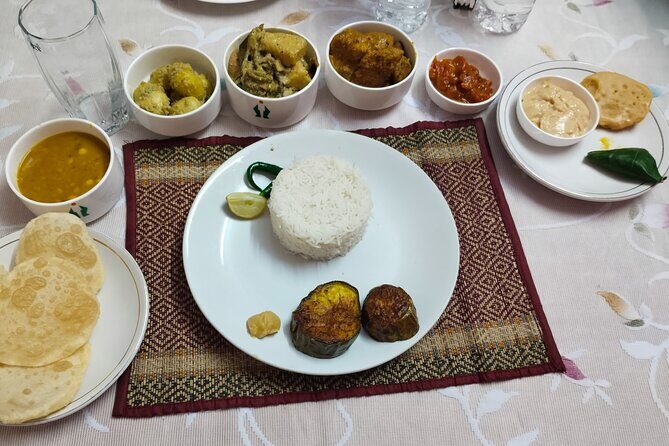
Food coverage is decent, too. Breakfast is included for six mornings, bottled water is provided, and there’s one dinner included at Chowki Dhani Resort in Jaipur. It’s a nice touch because it gives you one planned evening without you hunting for something that fits your tastes after a full day of sightseeing.
Guides, Drivers, And The Human Side Of The Schedule
A tour lives or dies by people on the ground, and the information you provided points to a strong emphasis on guide support. You get local English-speaking guides for Delhi, Agra, and Jaipur on one day each, plus two days of guide time in Varanasi. On top of that, other languages can be arranged on prior request.
The praise in the supplied details also highlights drivers by name. People call out drivers like Suraj and Deepak for being on time, cheerful, and supportive, and guides like Akshay and Tarun Joshi for handling questions and keeping things organized. I also like that there’s mention of local agency contacts being prompt and available, because that’s what helps if something changes (health, timing, or just needing a quick answer).
If you’re a solo traveler, this kind of staffing matters even more. It’s not just sightseeing; it’s feeling safe and not stuck. That’s a real part of value.
Price And Logistics: Does $730 Actually Make Sense?
At $730 per person for about 8 days, the best way to judge this tour is to compare what’s bundled versus what you must handle separately.
On the bundled side:
- Hotels: 4-star in three cities and a Varanasi hotel near the ghats
- Breakfast: six included mornings
- Transportation: air-conditioned car with chauffeur across the road legs
- Guides: English guides for the major sightseeing days
- Basic extras: bottled water and one included dinner in Jaipur
What’s not bundled:
- Entrance fees to monuments
- Food beyond breakfast (unless specified)
- Camera fees
- The flight to Varanasi, which is described as at your own expense
So the cost makes sense if you value guided time and smooth logistics, especially for the Delhi–Agra–Jaipur road stretch. It also helps if you don’t want the headache of coordinating hotels, guides, and transport yourself across multiple cities. If you’re the type who loves independent planning and already knows how you’ll handle tickets and local guides, you could probably DIY it for less. But for many people, paying for the structure is worth it.
Finally, it’s private, so you’re not sharing guide time with strangers or getting “consensus delays.” That’s often where group-tour savings disappear.
Who This Tour Fits Best (And Who Might Want Something Different)
This is best for you if:
- You want the Golden Triangle highlights done correctly, with guide context and good timing (especially Agra sunrise)
- You’re curious about Varanasi beyond the famous ghats and want temple + ghats explained
- You prefer a private setup where you can move at a pace that fits your comfort
It might not be ideal if:
- You dislike early starts (sunrise Taj Mahal requires mornings)
- You want every single attraction fee included (entrance fees aren’t included here)
- You prefer a fully DIY approach where you pick your own temple/ghat sequence every day
A Few Tips To Make The Schedule Feel Easy
These are small, but they matter:
- Wear comfortable shoes for fort areas and ghats. Stone and uneven paths are common.
- Carry a light layer for mornings if you’re doing sunrise plans.
- If you’re considering a cameraman, there’s guidance that hiring one can cost around Rs 30–40 per photographs on average. If you don’t need that, skip it and keep your energy for the sights.
- Follow the advice to check ticket prices at counters before you leave, especially because different descriptions can vary on inclusion.
- Don’t fight the pace. Each day is structured, so build in short pauses rather than sprinting from one stop to the next.
Should You Book This Golden Triangle With Varanasi?
I’d recommend booking this tour if you want a clean, guided route through India’s big-name cities—then a meaningful add-on in Varanasi that goes beyond the “just go to the ghats” cliché. The balance of 4-star comfort, included breakfast, and English-speaking guide time is a solid deal, and the sunrise Taj Mahal plan is the kind of detail that’s hard to reproduce when you DIY.
Book it if you value organization and safety, especially if you’re traveling solo. The names and roles mentioned for guides and drivers suggest a focus on responsiveness and support, not chaos.
Skip it or rethink if you’re counting on all monument fees being included, or if you strongly prefer full freedom every hour. In that case, you might do better with a more flexible, fee-included option.
If this sounds like your style—marble mornings, forts in the afternoon, and a river city at night—this is a strong way to see a huge chunk of India without turning your trip into logistics homework.
FAQ
Is airport pickup included?
Yes. The tour includes pickup from Indira Gandhi International Airport in New Delhi (meeting at the departure gate area) and also includes drop-off at Lal Bahadur Shastri International Airport in Varanasi.
What kind of hotels are included?
The package includes 4-star stays in Delhi, Agra, and Jaipur, plus a 3-star hotel in Varanasi that is within walking distance from the ghats.
Are entrance fees to monuments included?
No. Entrance fees to monuments are listed as not included, and you should check ticket prices at the counters.
Is the flight to Varanasi included?
No. You fly to Varanasi at your own expense.
Do I get a guide, and is it in English?
Yes. Local English-speaking guides are included for Delhi, Agra, and Jaipur for one day each, and for two days in Varanasi (other languages may be arranged on prior request).
Are optional sunrise boat trips included?
An early morning sunrise boat trip in Varanasi is optional, and it’s noted as admission not included, so you should expect an extra cost if you add it.