REVIEW · NEW DELHI
Incredible Rajasthan with Taj Mahal Tour
Book on Viator →Operated by Holidays At · Bookable on Viator
Sunrise Taj Mahal is only the start. This 19-day loop through Rajasthan mixes big-name monuments with lesser-known desert and lake stops, ending back in Delhi with an early visit to the Taj Mahal plus Mehtab Bagh at sunrise. You also get a very structured flow: local guides in most cities, daily breakfast, and AC transfers so you spend less time organizing and more time looking out the window.
I especially like the built-in mix of experiences that go beyond sightseeing. The camel ride in Jaisalmer and the boat ride on Lake Pichola in Udaipur are the kinds of moments that make the photos feel earned, not just snapped.
The main drawback to consider is that this is a fast-moving route with lots of long drives between stops, so comfort and pacing matter. One more thing: some past guests have flagged issues like inconsistent communication and uneven guide energy, plus occasional accommodation problems, so you’ll want to check details in writing and stay flexible.
In This Review
- Key Things That Make This Tour Worth Your Attention
- The Big Picture: A 19-Day Route That Moves, But Still Covers the Must-Sees
- Entering Delhi: Qutub Minar, Humayun’s Tomb, and Old Delhi by Rickshaw
- Mandawa and Bikaner: Haveli Facades, Forts, and Jain Spiritual Stops
- Jaisalmer: Desert Camp Night and a Fort That Dominates the Skyline
- Jodhpur and Osian: Mehrangarh Views and a Golden-Sands Stop
- Mount Abu and Ranakpur: A Hill-Station Break From the Heat
- Udaipur’s Lakeside Day: City Palace, Boat Ride, and the Evening Mood
- Chittorgarh and Pushkar/Ajmer: Fort Drama, Village Jeep Safari, and Sufi Shrines
- Jaipur With Amber Fort Jeep Ride: Classic Sights, Plus Time to Breathe
- Fatehpur Sikri and Agra: Battery Car Convenience Before Taj Timing
- Sunrise Taj Mahal and Mehtab Bagh
- Price and Value: What You’re Really Paying For at $2,890 Per Person
- Guide Energy, Communication, and Comfort: The Real-World Side
- Should You Book This Incredible Rajasthan With Taj Mahal Tour?
- FAQ
- How long is the Incredible Rajasthan with Taj Mahal Tour?
- Where does the tour start and end?
- Is airport pickup included?
- What’s included in the tour price besides hotels and transport?
- Are monument entry fees included?
- What type of accommodations are included?
- What if I need to cancel?
Key Things That Make This Tour Worth Your Attention
- Sunrise timing at the Taj Mahal plus a visit to Mehtab Bagh, not just one quick photo stop
- Old Delhi by cycle rickshaw, paired with major sights like Jama Masjid and Chandni Chowk
- Desert camp night in Jaisalmer, including a camel ride and cultural performances
- Jaisalmer–Jodhpur–Jaipur sequencing that keeps you seeing forts at their best light
- Udaipur by water, with Lake Pichola and a guided day centered on City Palace and temples
- Practical add-ons listed in the package like a jeep ride in Jaipur, battery car at Fatehpur Sikri, and a tonga ride in Agra
The Big Picture: A 19-Day Route That Moves, But Still Covers the Must-Sees
This tour runs on a simple idea: hit Rajasthan’s signature forts and heritage cities, then finish with Mughal icons in Agra and Delhi. You’ll sleep in 3-star and heritage hotels on most nights, with one night in a desert camp at Jaisalmer, and you’ll have daily breakfast to keep mornings simple.
The pace is “classic road trip” fast. If you like packing a lot into your days and you don’t mind being in a car for hours, you’ll probably enjoy the momentum. If you prefer slow travel, build extra downtime into your expectations or consider a shorter route.
A helpful detail for planning is that monument entry fees are not included, even though your days often include guided sightseeing and special activities. That means your budget should account for tickets at places like the Taj Mahal and Agra Fort, and whatever sites you choose to enter on days that list local stops.
You can also read our reviews of more tours and experiences in New Delhi.



Entering Delhi: Qutub Minar, Humayun’s Tomb, and Old Delhi by Rickshaw
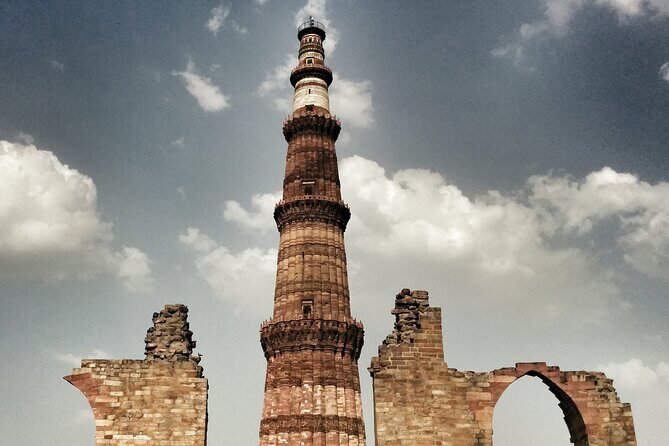
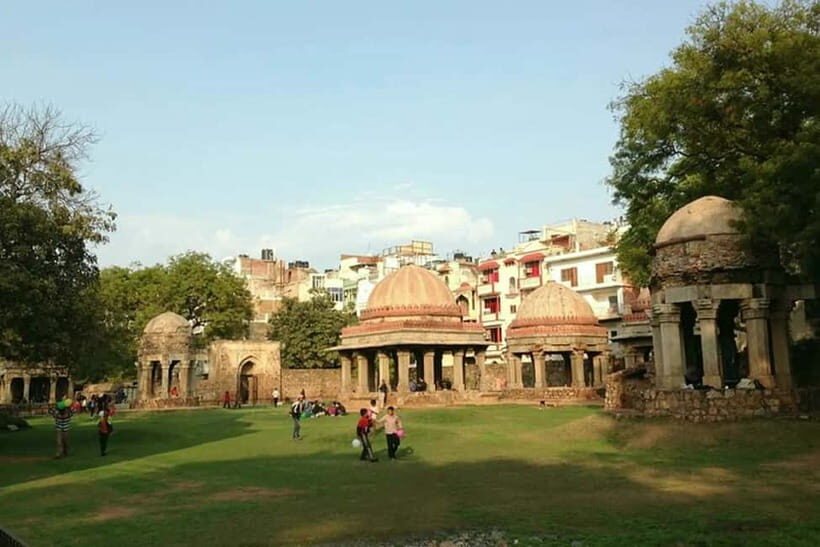
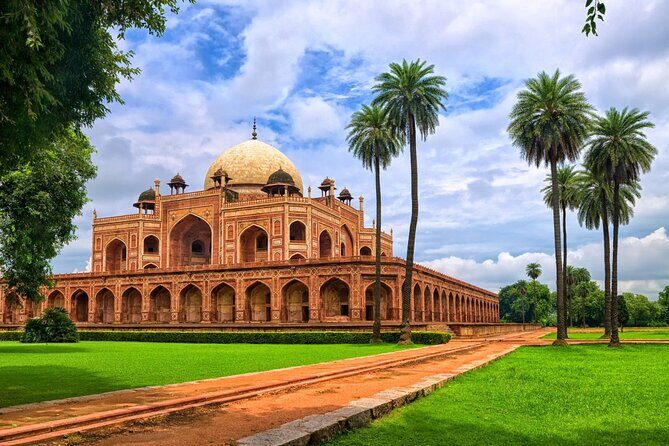
Your journey starts in New Delhi with an airport pickup and transfer to your hotel. The first full sightseeing day is split between modern landmarks and the Mughal core: Qutub Minar, Humayun’s Tomb, and a drive pass by major government and city monuments like India Gate and Rashtrapati Bhavan.
Old Delhi is where the senses get busy. You’ll visit Raj Ghat, Jama Masjid, and then ride a cycle rickshaw through the Chandni Chowk area, including the spice market zone and shopping streets. It’s one of the best ways to get your bearings quickly without feeling like you’re stuck walking in heat and traffic.
If you care about logistics, this day is well structured: there’s guided time, then lunch at a local city restaurant, then a guided Old Delhi tour. The one thing to keep in mind is that Delhi can be chaotic, so you’ll want to keep your essential items handy and avoid assuming travel times will always be easy.
Mandawa and Bikaner: Haveli Facades, Forts, and Jain Spiritual Stops
From Delhi you drive to Mandawa, a small town known for painted haveli mansions. The half-day guided visit focuses on those haveli and palace exteriors, which is ideal if you like architecture and want to see “why this region looks the way it does” without needing a full museum day.
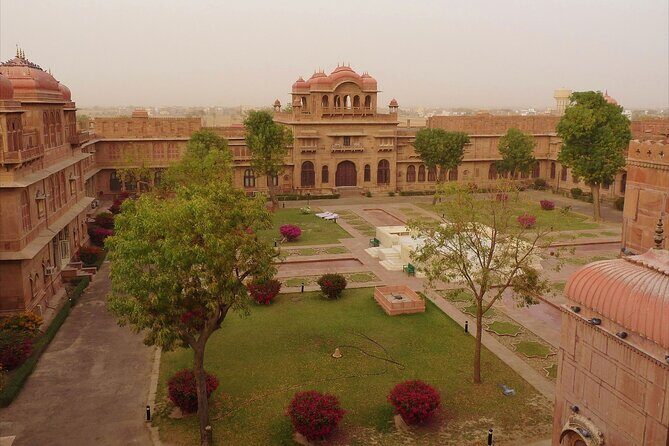
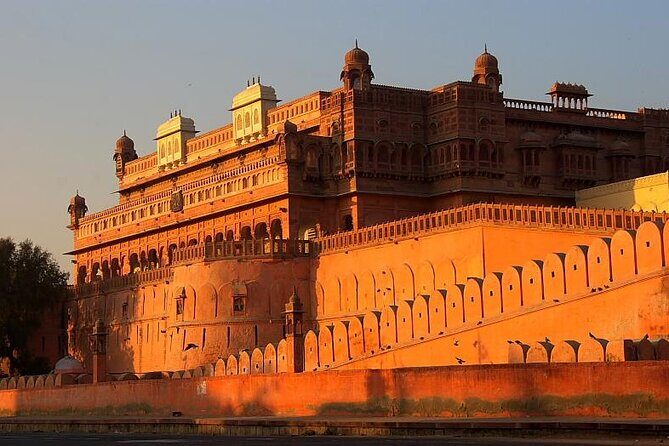
Next comes Bikaner, where the tour leans into fort culture and religious architecture. You’ll see Lalgarh Palace, Junagarh Fort, and the Bhandasar Jain Temple, with an optional extra add-on of Karni Mata Temple if timing allows. This is a good stretch for you if you want Rajasthan’s story to include more than palaces—temples and living traditions matter here.
A small but useful note: the days in this part of the route are not huge on extra free time, so if you’re the type who likes wandering independently, plan to keep your energy high and your schedule light when you can.
Jaisalmer: Desert Camp Night and a Fort That Dominates the Skyline
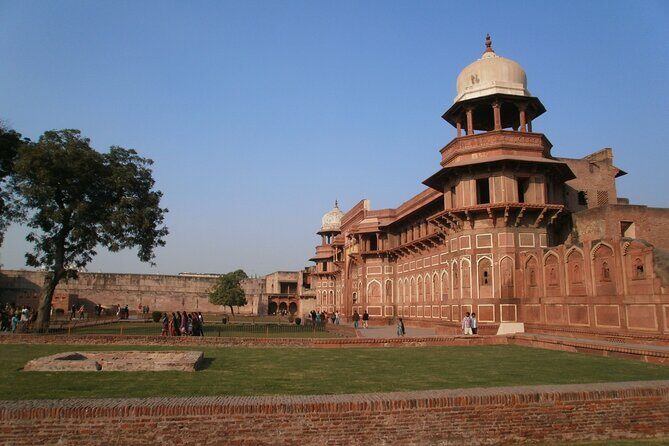
Jaisalmer starts with “city of sands” energy. You check in to a desert camp for the night after riding into the dunes area, with a camel ride plus Rajasthani dance performances as part of the evening program. Even if you’re not a die-hard culture person, this is one of the best value moments in the trip because it’s an experience, not just a view from a bus window.
The next day gives you the full city-and-fort approach. You’ll tour Jaisalmer Fort, visit the Salim Singh-Ki-Haveli and Patwon-Ki-Haveli cluster, and make stops for the Thar Heritage Museum and Gadisar Lake. You’ll also see art and gallery stops tied to the region’s trade routes, plus temples.
One consideration: desert nights can feel very different from city nights in terms of temperature. Bring what you can for warm layers, and take comfort seriously, because you’ll want to sleep well enough to enjoy the next day’s sightseeing.
Jodhpur and Osian: Mehrangarh Views and a Golden-Sands Stop
The tour continues toward Jodhpur, with an en-route stop at Osian. That stop is designed for photography and a panoramic view over golden sands at sunset. If you like dramatic landscapes but don’t want a full extra day in the desert, this is a smart way to include it.
In Jodhpur, the center of gravity is Mehrangarh Fort, described in the itinerary as massive, and it’s the kind of fort that makes you understand why rulers built above the city. You’ll also visit Jaswant Thada and the Umaid Bhawan Palace area, plus stops like Rao Jodha Desert Rock Park, the Clock Tower area, and Mandore Temple and Gardens.
A plus here is the spread: fort, cenotaphs, garden spaces, and lake area time. A drawback is the intensity—when you’re doing a full guided day at a major fort, you’ll want to manage your water, shade breaks, and walking pace.



Mount Abu and Ranakpur: A Hill-Station Break From the Heat
If Rajasthan is mostly dry and sun-forward in your mind, Mount Abu is your palate cleanser. The tour drives to Mount Abu and gives you time for sunset viewpoint energy and Nakki Lake in the evening. It’s also framed as the hill station of Rajasthan, which helps explain why this stop feels like a real change of scenery.
Ranakpur Jain Temples are included as an en-route highlight on the way to Mount Abu. The itinerary notes they were built in the 12th century, and that alone makes it one of those stops where you’ll likely slow down. The temple visit is also a nice counterpoint to the forts and palaces, giving your trip a different kind of grandeur.
This day works best if you like variety and you’re okay swapping “desert spectacle” for “temple architecture and hill-air breaks.”
Udaipur’s Lakeside Day: City Palace, Boat Ride, and the Evening Mood
Udaipur is where the route becomes more scenic and slower in feel. You’ll arrive, check in, and then enjoy a full guided day around the City Palace area, Bagore Ki Haveli, Jagdish Temple, and Fateh Sagar Lake plus Ambrai Ghat.
Then there’s the part you’ll remember: a boat ride at Lake Pichola. That’s not a small add-on. It’s the easiest way to see Udaipur’s palace-and-water layout, and it turns the day from sightseeing into something cinematic.
If you want extra spiritual value, the itinerary includes an optional tour to Eklingji and Nagda Temples, about 25 km away. Optional days are a double-edged sword: they’re great if you want more, but they can be tiring if you just want rest. Pick based on your energy level.
Chittorgarh and Pushkar/Ajmer: Fort Drama, Village Jeep Safari, and Sufi Shrines
The Chittorgarh segment is built around Chittorgarh Fort and major related sites like Rana Kumbha Palace and Victory Tower, plus temples associated with major historical and devotional stories. This is one of those places where you can feel how Rajasthan’s power was expressed in stone and skyline.
After Chittorgarh, the tour goes toward Pushkar, with a key stop at Deogarh Mahal and a jeep safari in nearby villages. The safari includes Rajsthani folk music and dance, which is a useful balance against the heavy fort days. It gives your legs a break without making the day feel empty.
Pushkar itself comes with a guided morning in the town, including Pushkar Lake and several temples listed in the schedule like Brahma Temple and Savitri Temple Mahadev Temple. Then the tour continues to Ajmer via the Ajmer Dargah Sharif, described as a Sufi shrine of Khawaja Moinuddin Chishti, and also the Adhai Din Ka Jhonpra mosque.
If you’re sensitive to religious-culture intensity, just go in with a calm mindset. These are active spiritual places, and the value is in the atmosphere as much as in any one monument.
Jaipur With Amber Fort Jeep Ride: Classic Sights, Plus Time to Breathe
Jaipur arrives after Ajmer, and the tour gives you one full guided day plus an added excursion day. On the main Jaipur day, you visit Amber Fort with a jeep ride, then continue to City Palace and Jantar Mantar. You’ll also get drive passes by Jal Mahal and Hawa Mahal, plus a stop at Birla Temple.
There’s also room to adjust based on time: the itinerary notes optional forts like Nahargarh Fort and Jaigarh Fort if time permits. I like this structure because it lets you choose between “more views” and “more rest” without derailing the day.
The second Jaipur-related day is a full excursion to Samode Haveli and Samode Bagh. That’s a quieter choice than the big-city forts and palace crowds, and it gives you a chance to see a more intimate Rajasthan feel.
Practical note: Jaipur has a lot of walking around forts and city sights. Wear shoes that can handle uneven surfaces, and keep your water plan steady.
Fatehpur Sikri and Agra: Battery Car Convenience Before Taj Timing
After Jaipur, you drive to Agra with a stop at Fatehpur Sikri. The itinerary includes Fatehpur Sikri’s Mughal-era highlights like Buland Darwaza, Diwane e Khas, Panch Mahal, and the Tomb of Salim Chisti. It also lists a battery car ride at Fatehpur Sikri, which likely helps you save energy on distances inside the complex.
Then you continue to Agra and check in for the night. The key moment comes early the next day.
Sunrise Taj Mahal and Mehtab Bagh
You start before breakfast for a sunrise visit to the Taj Mahal, plus Mehtab Bagh. This is exactly the kind of timing you want if you care about atmosphere more than just selfies. Entry is not included, so you’ll still pay tickets at the site, but the schedule sets you up for the light change that makes the Taj look different minute to minute.
After the Taj tour, you return to the hotel for breakfast, then check out and visit Agra Fort and additional sites listed in the plan like Itmad-ud-Daulah’s Tomb and Jama Masjid. Agra Fort and Taj entry are both noted as not included, so your on-the-ground costs will depend on what’s required for your specific visits.
The package also lists a tonga ride in Agra. If you’re curious about older street transport styles, this is a fun included option as long as you’re comfortable with short rides and the local pace of movement.
Price and Value: What You’re Really Paying For at $2,890 Per Person
At $2,890 per person, this isn’t a budget shortcut. You’re paying for an all-in-one structure: 18 nights of double/twin accommodation across 3-star and heritage hotels, daily breakfast, AC transfers across long distances, and local English-speaking guides at many major stops.
You’re also paying for included experiences that would cost extra on a self-planned trip: camel ride, boat ride, jeep ride, cycle rickshaw, and the Fatehpur Sikri battery car. Those add-ons help justify the price because they’re time-consuming to coordinate yourself.
Your biggest additional cost is monument entry. Monument fees are not included, and the itinerary specifically notes admission not included for Taj Mahal and Agra Fort. So if you want the full effect—inside gates, inside courtyards, inside the big-ticket monuments—plan extra money for tickets and any optional add-ons you decide to take.
Guide Energy, Communication, and Comfort: The Real-World Side
One of the biggest upsides of this kind of packaged trip is the guide helps you connect dots fast. The positive experiences tied to the program point to helpful coordination and guides who could explain places in a clear way.
Still, there’s a risk you should acknowledge. Some past guests have reported inconsistent communication with the head office in Delhi, unmotivated guides in certain cases, and accommodation issues. That doesn’t mean it will happen to you, but it does mean you should take a simple precaution: confirm day-by-day details you care about (meeting times, any optional add-ons, and entry fee expectations) and keep your documentation organized.
This tour is private in the sense that it’s only your group participating, which can reduce the stress of mixing with strangers. But it doesn’t remove the normal travel friction—long drives, crowds at major sights, and the need to stay flexible.
Should You Book This Incredible Rajasthan With Taj Mahal Tour?
I’d book this if you want a one-ticket solution for Rajasthan plus the Taj Mahal, and you like the idea of structured days with guides and included “experience moments.” It’s a strong fit for first-timers who want the highlights—Delhi’s Mughal landmarks, desert nights in Jaisalmer, fort days in Jodhpur and Chittorgarh, lake beauty in Udaipur, and the Jaipur big sights—without spending weeks planning routes.
I’d hesitate if you hate long travel days or if your travel style depends on free time and spontaneous detours. Also, because monument entry fees and key admissions aren’t included, make sure you’re comfortable budgeting for tickets on top of the tour price.
If you do book, go in with two smart habits: pack for heat and uneven walking, and confirm ticket and timing expectations for the Taj Mahal and Agra Fort day.
FAQ
How long is the Incredible Rajasthan with Taj Mahal Tour?
It runs for about 19 days, starting in New Delhi and ending back in New Delhi.
Where does the tour start and end?
The tour starts at Indira Gandhi Intl Airport in New Delhi. It ends with a transfer to the New Delhi airport for your flight home.
Is airport pickup included?
Yes. Arrival and departure assistance and all airport transfers are included.
What’s included in the tour price besides hotels and transport?
The package includes daily breakfast, AC transfers in a car (MUV/SUV/sedan), local English-speaking guides in many cities, plus included activities like a cycle rickshaw ride in Old Delhi, camel ride in Jaisalmer, boat ride at Lake Pichola, jeep ride in Jaipur, Tonga ride in Agra, and battery car ride at Fatehpur Sikri.
Are monument entry fees included?
No. Monument entry fees are not included, and the itinerary specifically notes that Taj Mahal and Agra Fort admission are not included.
What type of accommodations are included?
You get 18 nights of accommodation on a double or twin-sharing basis in 3-star and heritage hotels, plus breakfast daily.
What if I need to cancel?
This experience is non-refundable and cannot be changed for any reason. If you cancel or ask for an amendment, the amount you paid will not be refunded.