REVIEW · PONDICHERRY
Heritage & Cultural Walking Tour of Pondicherry
Book on Viator →Operated by Yo Tours · Bookable on Viator
Pondicherry’s past walks right beside you. I like that this is an intimate small-group walking tour in White Town and Murungapakkam, so you get close to crafts and everyday lanes instead of seeing everything from a bus window. I also like the storytelling style—guides like Pachaippan and Manoj are known for turning buildings and artifacts into clear, human history. One thing to consider: it’s a walking experience and it runs best with good weather, plus there’s no hotel pickup and no bottled water.
You meet at the Puducherry Tourism Information Centre, then spend about two hours moving through heritage sites, small art spaces, and local workrooms. The guide speaks English and Hindi, and you’ll get practical tips for getting more out of the rest of your Pondicherry stay. I’d treat it as your “get your bearings fast” evening, especially if you’re spending time around White Town.
The price is modest at $13.60, but the value comes from that small group size (up to 10) and the focused route—enough time to learn without feeling like you’re trapped on a schedule all day.
In This Review
- Key highlights you’ll feel on the ground
- Why this 2-hour heritage walk is a smart Pondicherry start
- Timing and pacing: a 5:00 pm walk that doesn’t waste your day
- Meeting point reality: plan to show up close to time
- Stop spotlight: École Française d’Extrême-Orient and the manuscripts behind the walls
- Craft and purpose: the embroidery centre in an 18th-century building
- White Town lanes, French-style houses, and old café atmosphere
- Small galleries and artisans: how the tour makes culture feel close
- What makes the guide experience the real value (not just the route)
- Price and value: $13.60 for a small-group street-level view
- Practical tips before you go (so the walk feels easy)
- Who should book this walking tour, and who might skip it
- Should you book this Heritage & Cultural Walking Tour of Pondicherry?
- FAQ
- How long is the Heritage & Cultural Walking Tour of Pondicherry?
- How much does the tour cost?
- Where does the tour start and end?
- What time does the tour begin?
- What’s included in the tour price?
- What is not included?
- What if the weather is bad?
Key highlights you’ll feel on the ground
- Small group, max 10 people so the guide can slow down and answer questions
- A guide who tells stories in English and Hindi (not just names and dates)
- École Française d’Extrême-Orient and its Indology library with thousands of books and manuscripts
- Embroidery work in an 18th-century building, supporting underprivileged women
- Old French-style lanes, cafés, and markets for real street-level Pondy flavor
- A 5:00 pm start that fits an easy evening walk, when you can linger without rushing
Why this 2-hour heritage walk is a smart Pondicherry start
Pondicherry can feel like two cities at once: the French-influenced lanes of White Town and the deeper, local rhythms around villages like Murungapakkam. This tour hits that bridge. You’re not just collecting photos—you’re getting context for what you’re seeing and why it matters.
The big win is the length. Two hours is long enough to cover several meaningful spots, but short enough that you don’t lose energy. And because it’s a walking tour, you naturally notice details you’d miss if you were only looking out a vehicle window—signboards, building edges, alley turns, and the way people use the street.
Also, Pondicherry is one of those places where craft and culture show up in everyday life. This tour keeps you in that lane: artisans at work, small galleries, and neighborhood knowledge you can use right away.
You can also read our reviews of more tours and experiences in Pondicherry.


Timing and pacing: a 5:00 pm walk that doesn’t waste your day
You start at 5:00 pm at the Puducherry Tourism Information Centre, right along Beach Road in White Town. You’ll finish near the Kargil War Memorial back on Beach Road, also in White Town. That’s a helpful structure: you’re not walking into some far-off area and then wondering how to get back.
The pacing is designed to cover a lot of ground without dragging you through one stop for too long. That matters because heritage tours can go one of two ways: either you sprint past everything, or you sit so long in one place that the rest of the day feels gone. This one aims for the middle—enough time to absorb what the guide is pointing out, then move on before you start losing focus.
Meeting point reality: plan to show up close to time
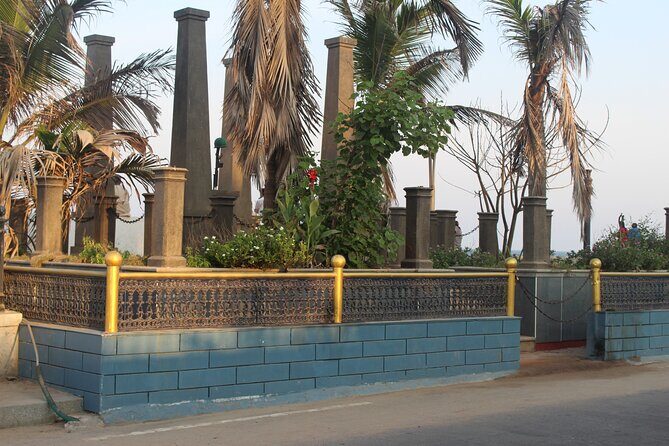
Your meeting point is the Puducherry Tourism Information Centre at 40 Old Court Building, Beach Road, Goubert Ave, White Town, Puducherry. Because there’s no hotel pickup, you’ll want to arrive a bit early and get your bearings. If you’re staying in or near White Town, this is simple. If you’re farther out, give yourself extra time to reach the start point.
One more practical note: bring comfy walking shoes. The route is described as best suited to mobile travelers, which basically means you should expect walking and changing directions on foot.
Stop spotlight: École Française d’Extrême-Orient and the manuscripts behind the walls
One of the first “wait, that’s cool” moments is the École Française d’Extrême-Orient. You’ll see a heritage building and an important library collection tied to Indology. What makes this stop more than a photo opportunity is scale and specificity: the library is home to over 11,000 Indology books plus palm-leaf manuscripts in Sanskrit, Tamil, and Manipravalam.
Why I think this matters: Pondicherry’s French connection is easy to notice in architecture and street layout, but the deeper cultural work—research, preservation, and scholarship—often hides behind institutional walls. This stop gives you a shortcut to understanding that there’s serious study happening here, not just tourism varnish.
What to do while you’re there: listen for how the guide connects the building to the broader idea of cultural preservation. Even if you’re not a manuscript person, the story helps you recognize that Pondicherry’s identity is shaped by multiple cultures keeping records, studying languages, and passing knowledge down in different forms.
Craft and purpose: the embroidery centre in an 18th-century building
Next, you’ll visit an embroidery centre housed in an 18th-century building and run with support from a local convent. The tour frames this as more than a shop visit. It’s an active craft space that supports underprivileged women.
This is a rare type of stop: a craft demonstration with a clear social impact component. When you see how the building and the craft workshop connect, it changes how you think about souvenirs. You’re not just buying an item—you’re seeing a system that helps people earn and maintain skills.
How to get the most out of this section:
- Pay attention to what the guide emphasizes about process and community support.
- If you’re interested in embroidery, ask how you should view the work—what makes it distinct, and how it fits into local culture.
- If you’re not planning to buy anything, still treat it as an information stop. You’ll understand what you’re looking at later when you spot similar craft elsewhere.


White Town lanes, French-style houses, and old café atmosphere
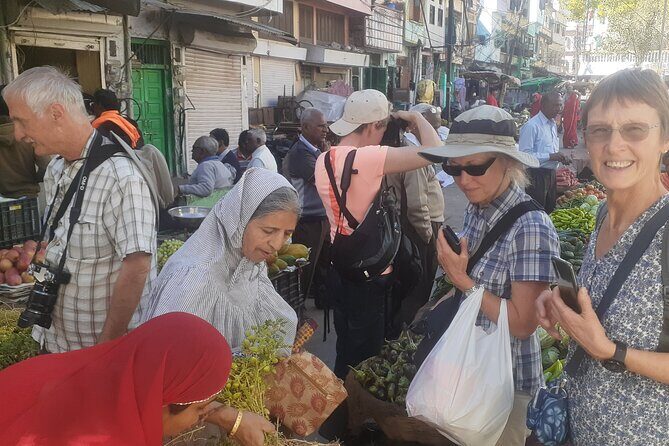
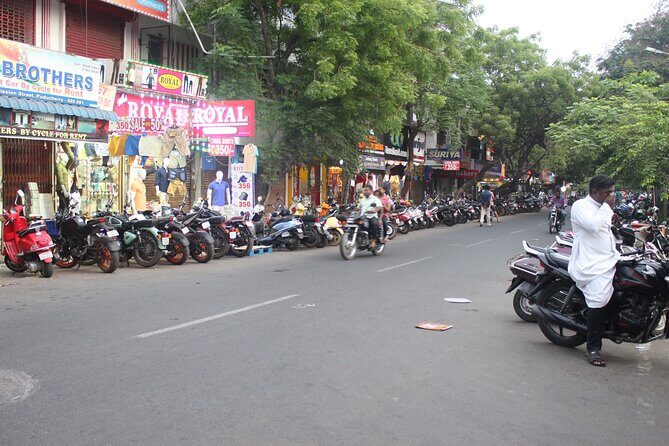
After heritage institutions and craft work, the tour shifts into neighborhood texture. You’ll walk a lane with old cafés and houses built in French architecture, plus you’ll pass lively market areas of Pondy.
This is the part that’s hardest to fake on your own. Markets can be visually loud—signs, sounds, movement—but a guide helps you translate what you’re seeing. You’ll come away with a sense of which streets tend to concentrate certain kinds of activity and how the neighborhood layout creates that feel.
Also, markets and cafés are where you can start building your personal “Pondy routine.” If you learn the rhythm during a structured walk, you can return later with a plan: where to snack, where to browse, and where to ask questions without feeling lost.
Small galleries and artisans: how the tour makes culture feel close
The tour is built around Murungapakkam’s arts, crafts, and culture, including small art galleries and local artisans at work. Even though you’re not in one giant museum, you’re getting the advantage of a guided “in-between spaces” experience.
When a guide is good, this kind of stop stops feeling like sightseeing and starts feeling like understanding. You’ll notice details in materials, methods, and display choices—and you’ll get stories behind them rather than just names.
I’d also use this part of the walk as a scouting session. If something catches your eye—an art style, a craft technique, a particular kind of gallery—make a mental note. Then when you’re on your own later, you’ll know what to seek out and what questions to ask.
What makes the guide experience the real value (not just the route)
This tour includes a highly trained, friendly storyteller/guide who can speak English and Hindi. That matters because Pondicherry is full of layers—French heritage, local traditions, and cultural institutions—and a guide is what turns layers into a story you can follow.
Two guide strengths show up in the feedback patterns you can bank on:
- A focus on historical significance rather than only surface details (Manoj’s approach is specifically praised for this).
- A smooth, practical pace that keeps you moving without burning time at one stop (Pachaippan is noted for covering a lot of ground while still making each place meaningful).
If you like tours where you can ask questions and get straight answers, this one fits that style. If you prefer silent wandering, you might find the guide’s narration a bit busy—but the tour is built for people who want context while walking.
Price and value: $13.60 for a small-group street-level view
At $13.60 per person, this is priced like a bargain, but not because it’s thin. The value comes from three things you can feel quickly:
- Small group size (up to 10)
- A guide who speaks English and Hindi, plus gives local recommendations
- A compact route that includes institutions, craft work, and neighborhood lanes in about two hours
The tour also includes free admission ticket coverage for the time at the relevant stop(s), so you’re not constantly paying extra to access core places.
What you should budget separately:
- bottled water isn’t included
- hotel pickup/drop isn’t included
So you’ll want to bring a water bottle if you’re prone to thirst.
Overall, I see this as a cost-effective way to learn how Pondicherry works—especially if it’s your first evening or you’re trying to avoid the “what do I actually do with my time?” problem.
Practical tips before you go (so the walk feels easy)
This is an evening walking tour, so small details add up.
- Wear comfortable shoes. You’ll be on foot for roughly two hours.
- Bring water. Bottled water isn’t included.
- Plan for good weather. The experience specifically requires good weather. If it’s canceled due to poor weather, you’ll be offered a different date or a full refund.
- Come with a mindset to ask questions. This tour is set up for a dialogue with the guide, not a one-way lecture.
If you’re the type who likes to get oriented fast—where to eat, what to look for later, and what sites actually mean—this kind of guided walk pays off again and again.
Who should book this walking tour, and who might skip it
Book it if:
- you want a walking tour that’s friendly for mobile travelers
- you like history and culture explained in plain language
- you want craft and culture, not just architecture
- you’re staying around White Town and want an easy evening plan
You might skip it if:
- you hate walking or deal with mobility limits
- you’re looking for a long, sit-down museum day
- you only want broad sightseeing with minimal guidance
It also makes sense if you’re traveling solo and want company that isn’t overwhelming. With a maximum of 10 people, it’s social enough to feel lively and small enough to stay personal.
Should you book this Heritage & Cultural Walking Tour of Pondicherry?
If you want a smart first step into Pondicherry’s identity, I’d book it. The blend of French-heritage institutions, manuscript collections, an embroidery centre with social purpose, and neighborhood lanes gives you a fuller picture in just two hours.
One balanced note: the overall rating is 3.7 based on 7 reviews, so it’s not universally loved. That usually means the experience quality can depend heavily on the guide’s pacing and your interests in the route. If you’re proactive—wear good shoes, arrive on time, and ask questions—you’ll get much more out of it.
My call: book this if your goal is understanding what you’re seeing, not just ticking sights. It’s exactly the kind of tour that makes later self-guided exploring feel easier.
FAQ
How long is the Heritage & Cultural Walking Tour of Pondicherry?
The tour lasts about 2 hours.
How much does the tour cost?
It costs $13.60 per person.
Where does the tour start and end?
It starts at Puducherry Tourism Information Centre (40 Old Court Building, Beach Road, Goubert Ave, White Town) and ends at the Puducherry Kargil War Memorial near Beach Road in White Town.
What time does the tour begin?
The start time is 5:00 pm.
What’s included in the tour price?
A trained English- and Hindi-speaking storyteller/guide is included, along with local tips and recommendations.
What is not included?
Hotel pickup and drop-off are not included, and bottled water is not included.
What if the weather is bad?
This experience requires good weather. If it’s canceled due to poor weather, you’ll be offered a different date or a full refund.