Tigers are the reason you come. This 7-day Golden Triangle journey adds Ranthambore National Park for a real shot at seeing tigers in the wild, plus you still get the big-hitters: sunrise Taj Mahal and classic Delhi and Jaipur sights. The main consideration: tiger sightings are never guaranteed, and entrance fees for monuments are listed as not included, so you’ll want to plan for some on-the-spot payments.
I like how the trip keeps things practical and organized. You get pickup help on arrival, a private setup (only your group), and a tour team that has strong communication based on past guests’ notes. Names that came up in those comments include Shane and Jameela, and one review also highlighted help with airport pickup, hotel reservations, and responsive support during the trip.
One more thing to know: this trip needs good weather. If weather affects safari or sight conditions, the operator may switch dates or offer a refund, so it’s worth building in flexibility if you can.
In This Review
- Key highlights worth knowing
- Delhi to Ranthambore: why this combo works
- Day 1 in Delhi: arrival made easier, not glamorous
- Day 2: New Delhi + Old Delhi, with the rickshaw into Jama Mosque
- Day 3: Agra by road, with Red Fort and a Taj view at Mehtab Bagh
- Day 4: sunrise Taj Mahal, then marble inlay work and the run to Ranthambore
- Day 5: Ranthambore safari from 06:00 to 10:30 (the heart of the trip)
- Jaipur days: forts, temples, and crafts you can explain after you leave
- Morning sightseeing: City Palace, Jantar Mantar, and GovindDev Ji
- Midday photos and an afternoon craft workshop
- Day 7: back to Delhi for your onward flight
- Transport, guides, and what private really means here
- Price and value: what $780 covers and what to budget
- Who this tour suits best (and who should reconsider)
- Should you book Golden Triangle with Tigers?
- FAQ
- What does the tour cost?
- How long is the trip?
- Is pickup offered?
- What time does the experience start?
- Is this a private tour?
- What’s included in the price?
- What is not included?
- Are monument tickets included?
- Is Ranthambore admission included?
- What’s the cancellation rule?
Key highlights worth knowing
- Tiger safari timing in the early morning: you go out from 06:00 to 10:30, which is when wildlife chances are typically best.
- Sunrise Taj Mahal: you see the Taj in the early light, not mid-day glare.
- Old Delhi by rickshaw: Jama Mosque is paired with a rickshaw ride so you feel the older lanes instead of just driving past.
- Craft stops that explain what you’re looking at: marble inlay work in Agra and block printing in Jaipur add context beyond photos.
- Private, guide-led pace: you’re not mixed into a random crowd, and you have a guide and driver working as a team.
- Clear “included vs not included”: breakfast and guide/transport are covered, while monument entrance fees are not, so your budget stays realistic.
Delhi to Ranthambore: why this combo works
A Golden Triangle trip is usually about monuments and photos. Add Ranthambore, and it becomes something else: a day where your schedule is about wildlife rather than ticket lines. That shift matters, because it’s the difference between checking boxes and actually feeling the place.
This one also tries to stack the best lighting moments. You start with sunrise at the Taj Mahal, then you head into Ranthambore for an early safari window. In a country where “timing is everything” isn’t just a slogan, that’s a big deal.
And yes, the safari part is the gamble. The trip’s own description talks about a tiger population drop in recent years, but it also promises that you still can get lucky. I’d treat it as: you’re paying for access and the best odds, not a guaranteed tiger on cue.
You can also read our reviews of more tours and experiences in New Delhi.



Day 1 in Delhi: arrival made easier, not glamorous
Day one is straightforward. You land at Delhi International Airport and meet the company representative for a traditional welcome. Then you get an escorted transfer to your pre-booked hotel, plus help at check-in.
This part sounds simple because it is, but it’s often what makes or breaks day one in India. When your first hours are smoother, you start the trip with less stress and more energy for the sights that come immediately after.
Practical note: this is scheduled for about 8 hours, which usually means you’ll settle in, not rush through Delhi on arrival day.
Day 2: New Delhi + Old Delhi, with the rickshaw into Jama Mosque
Day two splits Delhi into two different moods.
On the New Delhi side, you visit the Birla Temple, Red Fort, RajGhat, Humayun’s Tomb, and Qutub Minar. Along the way, your drive also passes major government buildings like India Gate, Parliament House, President Palace, and the Diplomatic Area. It’s a good mix of monuments and “you’re actually in the seat of power” moments.
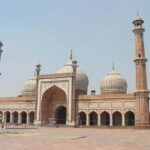
Then you shift to Old Delhi. You get to Jama Mosque and add a rickshaw ride there, which is where you’ll feel the older streets in motion. The tour also includes free time to explore local markets in the evening, which is your chance to do something unscripted: snack, shop, or just watch daily life.
What I’d watch for here: Delhi traffic can change your pace. The tour is organized, but you’re still traveling through real city conditions, not a theme park route.
Day 3: Agra by road, with Red Fort and a Taj view at Mehtab Bagh
You drive to Agra early, and the trip builds in a quick photo stop at Akshardham Temple along the way. That’s a nice break because it breaks up a long drive and gives you a memorable landmark right before Agra.
In Agra, you focus on the Red Fort: you’ll see areas like Deewan-E-Aam, Deewan-E-Khas, and Moti Masjid. Then you visit Mehtabbagh for a view of the Taj Mahal in the evening light.
Evening Taj moments can be magic, but they can also depend on haze and cloud cover. Your best bet is to show up ready for what the sky gives you. The trip sets you up for that later too, because you return to the Taj for sunrise on day four.
Day 4: sunrise Taj Mahal, then marble inlay work and the run to Ranthambore
This day has two very different halves.
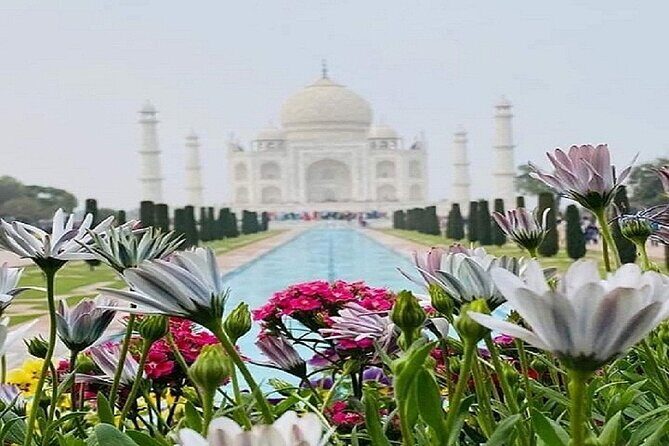
First comes Taj Mahal at sunrise. The Taj Mahal is described as the World Famous Monument of Love, built by Mughal Emperor Shah Jahan in memory of Mumtaj Mahal. Even if you’ve seen photos, sunrise is different. You’re arriving when many people are not, and the monument tends to look softer in early light.
After the Taj, you visit a local artisans community for marble inlay work. This is one of the most valuable “non-monument” stops on the whole trip. It turns the Taj from a distant icon into a product of hands and skills. You learn what marble inlay actually means as a craft, not just a decorative word.
Then you drive to Ranthambore National Park and overnight in the area. This is where your trip starts acting like a wildlife trip. Less monument talk, more early-morning readiness.
Budget heads-up: the day that includes Ranthambore entry also lists admission as not included, so don’t assume all safari-related charges are covered.



Day 5: Ranthambore safari from 06:00 to 10:30 (the heart of the trip)
If you only remember one thing from this tour, it should be this morning window: safari from 06:00 to 10:30.
That timing matters because animals are often more active in cooler, earlier hours. The tour also frames Ranthambore as the ultimate destination for tiger sightings, and it notes that if you’re lucky, you’ll spot tigers along with other wildlife. The description specifically mentions bears, deers, leopards, birds, and marsh crocodiles.
Here’s the honest part: you’re not buying a guarantee. You’re buying the best odds the operator can schedule. The value is that the trip takes you to the park in the right time window and handles the logistics through the day.
After lunch, you drive onward to Jaipur, the Pink City, and overnight there.
Jaipur days: forts, temples, and crafts you can explain after you leave
Jaipur is where the trip shifts from wildlife back to human art, architecture, and daily ritual.
Morning sightseeing: City Palace, Jantar Mantar, and GovindDev Ji
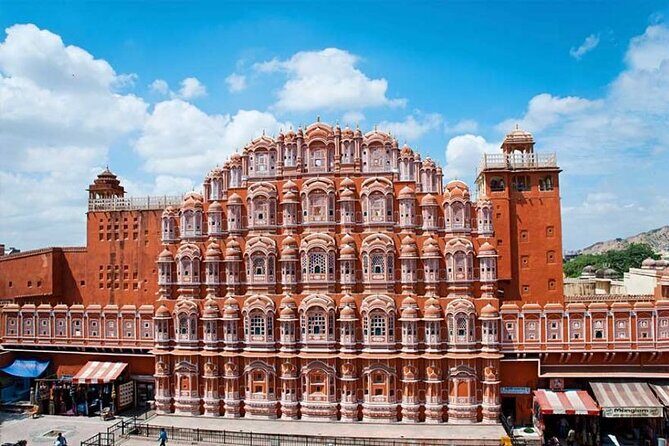
You visit City Palace and Jantar Mantar, plus GovindDev Ji temple. The tour includes time for Aarti, which is a strong cultural touch because it’s not just sightseeing—it’s ritual you can witness as it happens.
Then you head to Amber Fort. This is a major stop, and it’s the kind of place where your guide can make the details click: fort layouts, defenses, and why this area rose in importance.
Midday photos and an afternoon craft workshop
After Amber Fort, you stop at Jal Mahal (Water Palace) for pictures. It’s one of those spots where the setting matters as much as the structure.
Then after lunch, you visit a block printing factory. The point here is learning about the local community and how their work connects to the finished textiles. If you’re into crafts, this is a much better use of time than another “stand and look” photo stop.
Day 7: back to Delhi for your onward flight
Day seven is built for departures. You get an afternoon transfer to Delhi International Airport to board your flight for onward travel. It’s not a big-sight day, and that’s a good thing.
After sunrise Taj and a tiger safari morning, you want the last day to feel like a landing, not a second sprint.
Transport, guides, and what private really means here
This tour is described as private, meaning only your group participates. That changes the experience in small but meaningful ways:
- You can move at the pace your guide sets rather than waiting on a mixed group.
- You’re less likely to feel rushed during stops like Taj and the Old Delhi rickshaw area.
- Having a driver and guide who are used to the route helps with timing.
Past guest notes also point to strong support. One review specifically called out that the guide arranged airport pickup and hotel reservations, and another mentioned that Shane was helpful and available with questions. A couple comments also praised the care taken in selecting guides and restaurants, which matters when you’re in a new country and want food and timing to be handled.
One practical note: this tour starts at 9:00 am with a meeting point listed as near public transportation. So build your morning buffer accordingly, especially if you’re coming from the hotel with check-out or early breakfast.
Price and value: what $780 covers and what to budget
At $780 per person, you’re paying for a full week of private logistics across four major cities and the Ranthambore leg. The included items are substantial:
- Air-conditioned vehicle and private transportation
- Tour guide fee
- Breakfast for 7 days
- All fees and taxes (as stated in the package)
But the trip also lists some big cost categories as not included:
- Entrance fees of the monuments mentioned in the program
- Any wildlife/nature expenses like tips, drinks, phone calls, etc.
- Camera/video fees or portage
- Flights and visa/travel insurance
Here’s the value takeaway: you’re mostly buying the people and the movement—transport, guide time, and meals. You’re not buying every single ticket and add-on.
If you want to make this an easy budget, set aside extra money for entrance fees and any on-site charges at Taj-related stops, fort complexes, and Ranthambore.
Who this tour suits best (and who should reconsider)
This works best if you want both sides of India: major monuments and wildlife. You’ll likely enjoy it most if:
- You care about a tiger safari and can handle the uncertainty of wildlife.
- Sunrise Taj Mahal is a must-do on your list.
- You like guided context for sites and crafts, like marble inlay and block printing.
I’d reconsider if you’re the type who gets grumpy about early starts. Day four and day five are built around morning timing. Also, if you hate paying entrance fees separately, look closely at what’s included versus not included for monument entry.
Should you book Golden Triangle with Tigers?
I think this is a solid booking if you align with its rhythm.
Book it if you want a well-structured private week that mixes Delhi, Agra, Jaipur, and Ranthambore without you playing route-planner. The combination of sunrise Taj timing, early safari hours, and craft stops gives the trip more meaning than a standard monument checklist.
Hold off or ask questions first if:
- You’re counting on all entrance fees being included (the program states they are not).
- You need a guaranteed tiger sighting (no safari can promise that).
- Your dates are tied to fixed weather conditions, since the experience requires good weather.
If you can be flexible, this tour can deliver the kind of memories that stick: Taj at first light, Jaipur with ritual and crafts, and the wild morning hunt in Ranthambore.
FAQ
What does the tour cost?
The tour price is $780.00 per person.
How long is the trip?
It runs for about 7 days.
Is pickup offered?
Yes. Pickup is offered, including an escorted transfer on arrival in Delhi.
What time does the experience start?
The start time is 9:00 am.
Is this a private tour?
Yes. It’s listed as private, with only your group participating.
What’s included in the price?
Included items are air-conditioned vehicle, private transportation, all fees and taxes (as stated), tour guide fee, and breakfast for 7 days.
What is not included?
Not included are personal expenses like tips, laundry, drinks, and phone calls; entrance fees for the monuments; camera or video camera fees; portage; costs caused by strikes, road jams, natural disaster, or flight/train cancellation; and any international or domestic airfare, visa fees, or travel insurance.
Are monument tickets included?
Entrance fees of the mentioned monuments are listed as not included. You should plan for additional ticket costs on-site.
Is Ranthambore admission included?
Ranthambore’s day includes an admission ticket note of not included, so you should expect extra charges there.
What’s the cancellation rule?
Free cancellation is available up to 24 hours in advance for a full refund. The experience also requires good weather and a minimum number of travelers, and if canceled due to poor weather you’ll be offered a different date or a full refund.