REVIEW · NEW DELHI
Golden Triangle Tour With Ranthambore (Viator Award Winner)
Book on Viator →Operated by Amsah Tours · Bookable on Viator
Golden Triangle plus a tiger safari is a smart way to use one week. You get the classic India highlights—Delhi, Agra, Jaipur—and then trade traffic for early morning jeep rides in Ranthambore. I like how the trip is built around real logistics: hotel or airport pickup and drop-off, plus an air-conditioned vehicle. I also like the focus on the safari experience, with a tiger-oriented Jeep Safari time block and the guide support along the way. One thing to watch: the tour description promises a professional guide in every city, but you should still confirm guide coverage for each day before you rely on it.
Delhi is the landing pad for your whole trip, and you start getting your bearings fast. I like that Day 2 is split into Old Delhi and New Delhi city touring, so you see both the old-world lanes and the more modern side of the capital. I also like that admissions for parts of the big sights are handled (for example, Taj Mahal is marked as included). A possible drawback is that city touring can be long and sensory-heavy, so it helps to plan for breaks and stay hydrated.
Then the itinerary pivots cleanly from monuments to wildlife. I like that Day 3 adds a visit stop at Akbar the Great’s tomb on the way to Agra, which gives you a needed historical contrast before the main event. I also like the pacing in Ranthambore: early safari time (when wildlife is most active) and then another jeep safari morning before you move on to Jaipur. The only consideration is that early starts plus driving day-to-day can add fatigue if you’re the type who likes to sleep in.
In This Review
- Key things that make this tour worth your time
- Golden Triangle Meets Ranthambore: what you’re really paying for
- Delhi Old and New on Day 2: a good way to get your bearings
- Akbar’s tomb stop and the Taj Mahal day: timing and what to expect
- Ranthambore Day 4: your tiger safari morning (and why early matters)
- Day 5: another jeep safari morning, then the drive to Jaipur
- Jaipur monuments on Day 6: what those named stops actually give you
- A lighter Day 7 in Jaipur, plus optional Sanganer paper culture
- Price and what’s included: where the $550 value comes from
- Logistics you should plan for: guide coverage and long days
- Who this tour fits best (and who might want a different plan)
- Should you book Golden Triangle with Ranthambore through Amsah Tours?
- FAQ
- How long is the Golden Triangle with Ranthambore tour?
- What cities are included?
- Is pickup and drop-off included?
- Is the tiger safari included in the price?
- Are meals included?
- Do I need tickets for major sights like the Taj Mahal?
- Is bottled water included?
- Is this a private tour?
- Is there free cancellation?
Key things that make this tour worth your time
- Timed Delhi-to-Agra routing: includes a stop at Akbar the Great’s tomb before you reach Agra highlights
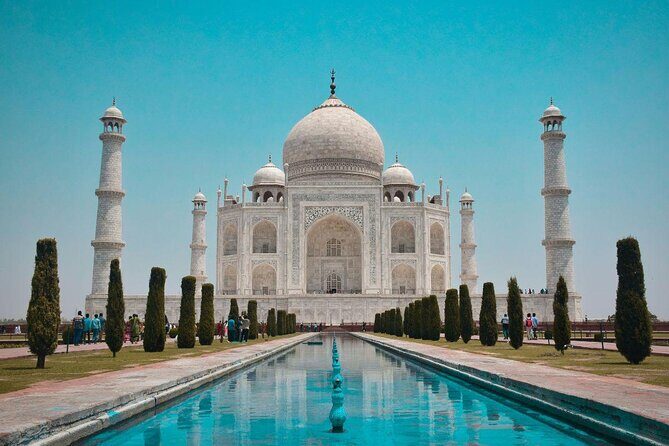
- Taj Mahal admission included: helps you avoid the ticket scramble on a tight schedule
- Ranthambore jeep safari focus: tiger-focused wildlife time is clearly a core part, not a side trip
- A second safari morning and then Jaipur: you get wildlife odds before swapping back to sightseeing
- Jaipur monument blocks: Diwan-e-Am, Sheesh Mahal, and Jas Mandir are listed as key stops
- Optional local flavor in Sanganer: paper and printing traditions plus handicraft shopping
Golden Triangle Meets Ranthambore: what you’re really paying for
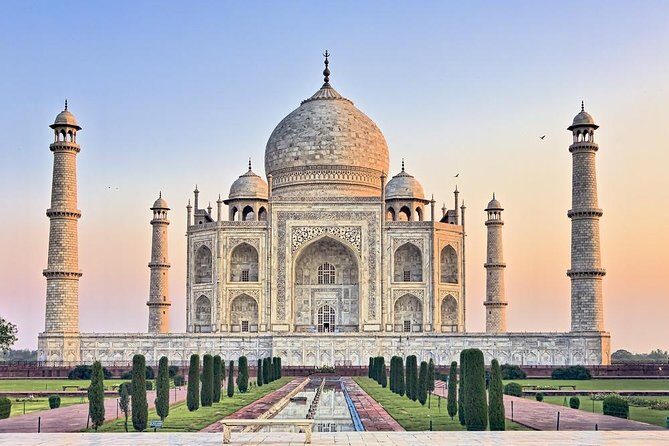
This tour is basically a week-long “greatest hits” playlist—Delhi, Agra, Jaipur—then a hard shift into tiger-country time in Ranthambore. That mix is valuable because you’re not just checking boxes. You’re stacking two kinds of experiences that usually take separate trips: high-impact monuments and real wildlife watching.
At about $550 per person for 7 days (approx.), the value depends on what you’d otherwise spend on. Here, you’re paying for three things that often cost extra when you DIY:
- private-style coordination through transfers and a vehicle that keeps moving
- professional guide time in each city (per the tour description)
- the safari logistics in Ranthambore, where scheduling really matters
What I like most is that many of the “messy” parts are handled: fuel, tolls, taxes, parking, and bottled water are listed as included. Meals are not included, so you’ll still control your food budget—but the rest of the day-to-day friction is reduced.
The tour is also described as private, meaning it’s only your group. That matters because safari and sightseeing days work better when you’re not being constantly reorganized around strangers’ preferences.
You can also read our reviews of more tours and experiences in New Delhi.



Delhi Old and New on Day 2: a good way to get your bearings

Day 1 is straightforward: arrive in Delhi, then get transferred to your hotel. That’s where most trips either win or lose you. If you start stressed, the rest of the week tends to feel longer. Here, the promise is pickup and drop-off via air-conditioned vehicle, so your first contact with India isn’t immediately a negotiation with traffic.
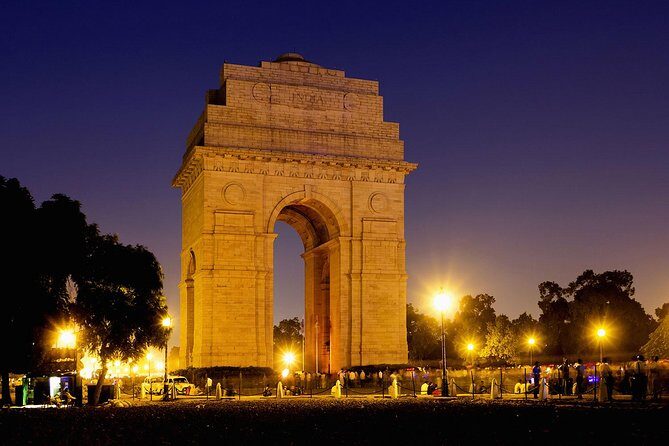
Day 2 is the real orientation day: you do a full-day city tour through Old Delhi and New Delhi. Old Delhi is the place to feel the older pulse of the city, while New Delhi gives you a cleaner, more planned counterpoint. Even if you’re not a “history-only” traveler, this split helps you understand why the capital feels like two different cities stacked on each other.
Two practical tips that will help you enjoy this day:
- Keep water and a light snack handy even though bottled water is included. City days can still stretch.
- Wear shoes you can walk in. City touring in Delhi is rarely “sit and look.”
Potential drawback: city touring can be long and intense. If you get overwhelmed by crowds or noise, plan micro-pauses. A short break is not “wasting time” here—it keeps you sharp for the later big sights.
Akbar’s tomb stop and the Taj Mahal day: timing and what to expect
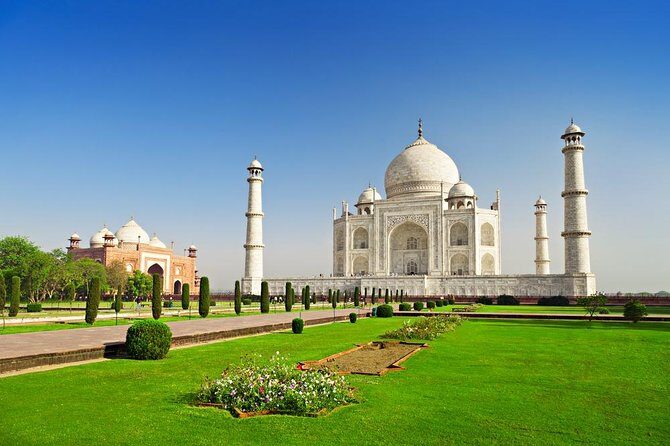
Day 3 is built around the classic Agra move: you travel toward Agra and make a key historical stop first. The itinerary specifically includes the tomb of Akbar the Great, described as a white-and-shaded marble monument with minarets. That stop is more than a filler. It’s a different mood than Delhi: a calmer, more monumental setting before you hit the famous icon.
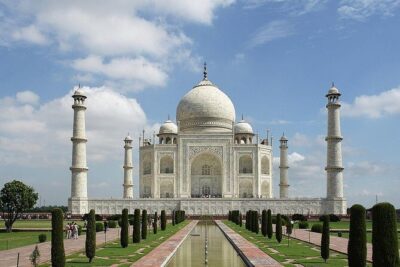
Then Agra’s highlight is the Taj Mahal, and the itinerary marks admission as included. That’s a real convenience. On a tight schedule, having key tickets handled means you’re less likely to burn time in lines or deal with last-minute ticket logistics.
How to get more out of this day:
- Go in expecting the day to be movement-heavy. Between hotel pickup, transit time, and sightseeing, it will feel like you’re always “on the way” to the next stop.
- Keep your photo strategy simple. If you try to photograph everything from every angle, you’ll spend the day chasing rather than experiencing.
Also, note that the itinerary doesn’t spell out exact timings for Taj Mahal in the information you provided. So you should be ready for a schedule that depends on your guide’s sequencing and any local factors.
Ranthambore Day 4: your tiger safari morning (and why early matters)
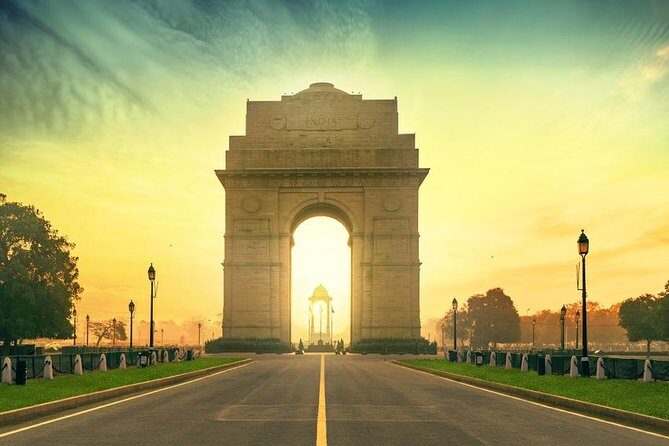
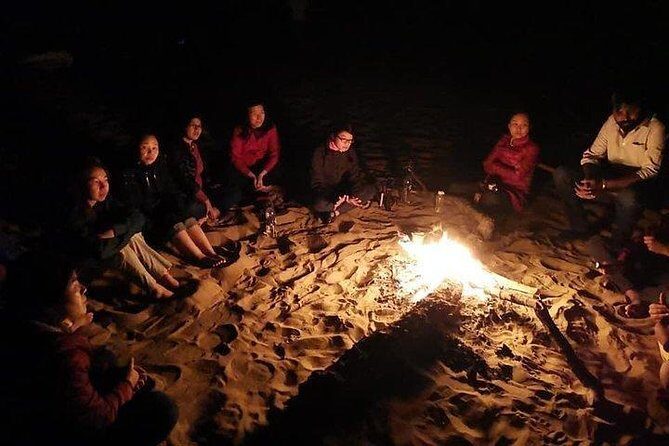
Day 4 shifts the tone. You head to Ranthambore National Park for a wildlife safari tour. The plan calls for an early morning departure, and your safari representative comes to pick you up from your hotel. That pick-up detail matters because safari days are tightly managed. You want to be in position before the day’s prime wildlife windows get used up.
This day is described as exploring the flora and fauna, with your chance to see wildlife. The key reality about safaris is that wildlife viewing is never guaranteed in the way a museum ticket is. But you are absolutely buying something: the best odds that come from timing and being in the right place when animals are active.
Two things I appreciate about how the safari is framed:
- It’s treated as the main event, not a quick “drive by.”
- The safari is explicitly tiger-focused in the included features.
Practical expectations:
- Bring a light layer even if it’s warm. Early mornings can still feel chilly depending on season.
- Plan for waiting time and dust. The itinerary doesn’t mention what gear you’ll be provided, so assume you’ll want basic comfort items like sunscreen and a hat.
Day 5: another jeep safari morning, then the drive to Jaipur
Day 5 continues the Ranthambore experience with a morning jeep safari. The itinerary uses the phrase third Jeep Safari, which suggests multiple jeep outings are part of the safari schedule across your trip. Either way, the practical takeaway is simple: you’ll likely spend significant time in the park during early hours on more than one day.
After the safari, you return for breakfast at your hotel. Then you drive toward Jaipur, which is the next big change in pace. One day you’re scanning for wildlife; the next you’re scanning for architectural details and street scenes.
This kind of day works best if you mentally switch gears:
- Don’t plan to be ultra-energetic. You’re stacking two demanding mornings (wildlife tends to pull you out of bed early).
- Use the drive as a transition. Instead of trying to cram “research time,” treat it like recovery time between experiences.



Jaipur monuments on Day 6: what those named stops actually give you
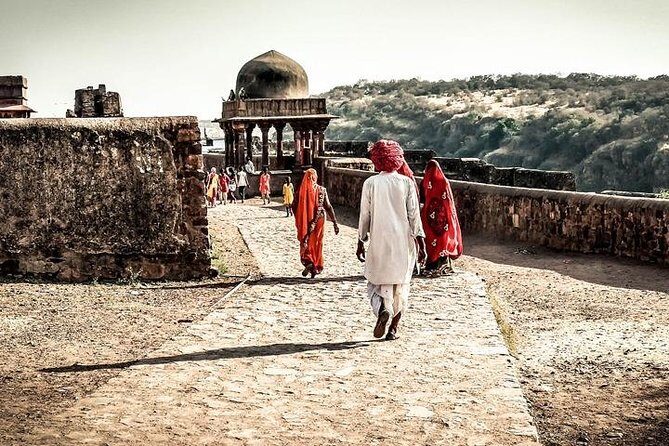
Jaipur sightseeing starts on Day 6 with a listed set of stops: Diwan-e-Am, Ganesh Pole, Sheesh Mahal, Jas Mandir, Sukh Mahal, and the Palace of Mansingh. These names matter because they’re specific, not vague city highlights. When a tour lists exact structures, you usually get a better guided flow through one or two main complexes rather than a scatter of random photo stops.
Here’s what that adds up to for you:
- You see a mix of public audience spaces and more private or decorative rooms.
- You get variety in design and function—courtyards, halls, and visually distinctive spaces that reward close viewing.
Practical caution: Jaipur’s forts and palaces can mean lots of walking on uneven surfaces. I recommend moving slowly, keeping water in mind, and not burning all your energy at the first viewpoint. The later interiors and halls are often where the details are best.
The afternoon includes another visit starting with “Pi,” but the information you provided is truncated there. So I can’t responsibly guess the exact place. What I can say is that Day 6 is structured to be a major Jaipur day, so expect a long sightseeing block.
A lighter Day 7 in Jaipur, plus optional Sanganer paper culture
Day 7 begins with breakfast and then leaves the morning more open. That free time is useful. After days with early starts and long transit, you’ll probably want a slower pace where you can wander at your own speed.
You can also add an optional side trip to Sanganer, described as a town known for carefully assembled paper industry and material printing, plus shopping for handicrafts. This is the kind of add-on that breaks the “monuments only” pattern. Even if you don’t buy anything, watching local craft processes is a good way to understand Jaipur beyond the famous postcard angles.
Two smart ways to use this day:
- If you want shopping, go with a simple plan: one or two areas, a set budget, and a willingness to negotiate lightly where it feels normal.
- If you want photos, keep it flexible. Sanganer and its craft focus tend to be about texture and process, not just big architecture.
Price and what’s included: where the $550 value comes from
This is the point where it either feels like a good deal or not. For $550 per person, you’re getting:
- Professional tour guide in every city (as stated in the tour inclusions)
- Tiger Safari at Ranthambore National Park
- Air-conditioned vehicle
- Hotel or airport pick up and drop off
- Fuel, tolls, state tax, and parking
- Bottled water
What you’re not getting:
- Meals (and any personal expenses)
- Gratuities to guide and driver (recommended)
So the value calculation is mostly about whether you would pay for:
- guided time in Delhi, Agra, and Jaipur
- safari logistics and jeep scheduling
- a staffed vehicle that handles the moves between cities
If you’d otherwise hire separate guides or book safaris piecemeal, this bundled setup often feels more efficient than stitching everything together yourself. If you’re the type who likes total freedom and doesn’t mind planning, DIY might be cheaper. But DIY isn’t automatically easier in India; it can be time-consuming.
One more note: group discounts and a mobile ticket are listed as features. Even though details aren’t provided, those items typically reduce friction once you’re actually on the ground.
Logistics you should plan for: guide coverage and long days
The biggest “watch-out” is not the monuments. It’s the human side of the schedule. One issue raised in the tour experience summary is that there was a missing guide for Delhi on the next day even though the tour advertises a guide in every city. I can’t tell you how common that is from your information alone, but I can tell you what to do with the risk:
Before you go, ask the tour operator to confirm the guide name and which exact day(s) each guide will cover. Keep it simple:
- What is the guide scheduled for each city day?
- If anything changes, how will you be notified?
Also expect that this itinerary is active. You’ll do city touring days, a major monument day in Agra, and then early safari starts. That’s awesome if you love packed travel. It can feel like a lot if you prefer slow travel and lots of downtime.
Who this tour fits best (and who might want a different plan)
This tour fits you if:
- you want the Golden Triangle highlights without managing tickets and transit yourself
- you care about seeing wildlife in Ranthambore and not treating it as a quick detour
- you like having someone else handle routing and timing
You might want to skip it (or choose a different format) if:
- you want lots of unscheduled days in each city
- you get very travel-worn by early mornings and long drives
- you’re very sensitive to guide changes or you strongly prefer consistency in who shows up to guide you every day
Because it’s described as private and “only your group will participate,” it’s also a good pick for couples or small groups who want fewer interruptions and a more controlled experience.
Should you book Golden Triangle with Ranthambore through Amsah Tours?
If you want your week in India to feel like it “contains” two very different kinds of travel—monuments plus tiger safari—this makes sense. The value is strongest when you look at what’s included: guided sightseeing blocks, a safari component, air-conditioned transport, and key comfort items like bottled water.
I’d book it if you’re comfortable with early starts and you like structured days. I’d be cautious if you’re the type who needs guaranteed guide coverage every single day with zero surprises. In that case, do one quick confirmation before departure, ask for guide assignments per city day, and you’ll reduce most of the anxiety.
Overall, this is a practical way to get a lot of India into a single week without turning your trip into a planning project.
FAQ
How long is the Golden Triangle with Ranthambore tour?
It runs for 7 days (approx.).
What cities are included?
The trip is based in Delhi, Agra, Ranthambore (Sawai Madhopur area), and Jaipur.
Is pickup and drop-off included?
Yes. Hotel or airport pick up and drop off are included.
Is the tiger safari included in the price?
Yes. Tiger Safari at Ranthambore National Park is included.
Are meals included?
No. Meals are not included, and you’ll also have personal expenses.
Do I need tickets for major sights like the Taj Mahal?
The information provided says the Taj Mahal admission ticket is included.
Is bottled water included?
Yes. Bottled water is included.
Is this a private tour?
Yes. It’s described as private, meaning only your group will participate.
Is there free cancellation?
Yes. You can cancel for a full refund up to 24 hours in advance of the experience’s start time.