REVIEW · NEW DELHI
Golden Triangle with Udaipur Tour
Book on Viator →Operated by 707 TOURS · Bookable on Viator
Taj sunrise and lake time, in one trip. This Golden Triangle with Udaipur tour is interesting because you hit India’s big-name monuments in a tight route, with a private guide to handle the day-to-day flow. I especially like the way the tour is set up to make busy sights easier to manage, and the memorable add-ons like an elephant ride at Amber Fort. One thing to plan for: monument fees may not be included, and a couple of major attractions can have day-specific closures.
What really elevates this style of trip is the human touch. Past guide highlights include Vipin in Agra, Deepak at the Taj Mahal, and Noor around Agra Fort, all noted for clear explanations and practical help like getting tickets and pointing out good photo spots. Still, this is an 8-day sprint with long drives between cities, so you’ll want to keep your pace realistic and your hydration game strong.
In This Review
- Key highlights before you go
- What you’re really buying with a Golden Triangle plus Udaipur package
- Day 1: Arrive in Delhi, orient fast, and eat like a local
- Day 2: Delhi’s power trio plus Humayun’s Tomb
- Day 3: Agra Fort and Itimad-ud-Daulah after the drive
- Day 4: Sunrise Taj Mahal, then Fatehpur Sikri and Jaipur sights
- Day 5: Amber Fort by elephant, plus Jantar Mantar and markets
- Day 6: Jaipur to Udaipur by road, then a free evening to slow down
- Day 7: Udaipur City Palace, Saheliyon ki Bari, Jagdish Temple
- Day 8: Check out, fly home, and don’t cut it close
- How the guides can change the trip (and which names to look for)
- Comfort and pacing: what to expect from the hotel and transport
- Things to budget for beyond the tour price
- Who this tour suits best (and who should pick something else)
- Should you book this Golden Triangle with Udaipur tour?
- FAQ
- How many days is the Golden Triangle with Udaipur tour?
- Which cities are included in the itinerary?
- Is pickup included?
- What sightseeing in Delhi is included?
- Does the itinerary include a Taj Mahal sunrise visit?
- What activities are included in Jaipur?
- What do you do in Udaipur?
- Is the tour price inclusive of monument fees?
Key highlights before you go
- Private guide support that can make crowded sites feel more manageable
- Sunrise Taj Mahal timing built into the itinerary
- Elephant ride at Amber Fort as a featured activity
- Fatehpur Sikri stop on the way from Agra toward Jaipur
- Udaipur leisure day plus a city tour centered on palaces, gardens, and temples
- Optional motor launch cruise in Udaipur for an extra cost
What you’re really buying with a Golden Triangle plus Udaipur package
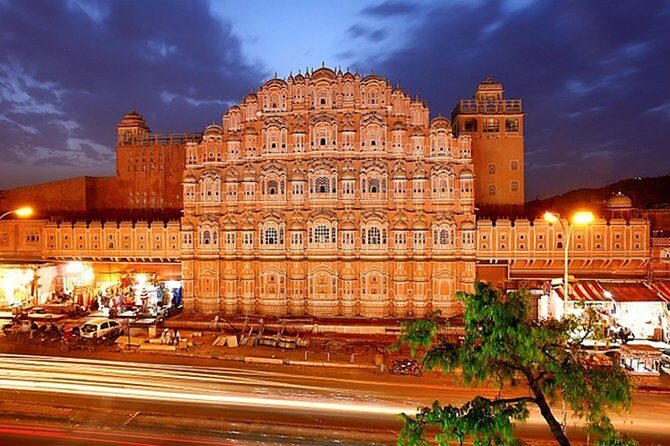
This isn’t just a checklist of famous places. You’re buying a full circuit that includes city-to-city transport in an air-conditioned vehicle, 4-star hotel stays, and a private guide to keep the day’s plan moving. That matters because these destinations are busy, and doing them “solo” often turns into wasted time at entrances, with missed context, and lots of decision-making under pressure.
At $950 per person for roughly 8 days, the value sits in three places. First is the logistics: Delhi to Agra to Jaipur to Udaipur is a lot of driving, and you’re not left coordinating it. Second is the guide time—having someone explain what you’re seeing changes how the monuments land. Third is the hotel standard: you’re staying in 4-star accommodation, not bare-bones lodges.
The catch is simple: entry costs can be messy. The package lists monument fees as not included, yet the day-by-day grid also labels admission ticket as free. Translation for you: assume you may pay some site charges, and confirm what’s covered when you book. Bring a modest buffer even if the itinerary looks like it’s “free entry” on paper.
You can also read our reviews of more tours and experiences in New Delhi.



Day 1: Arrive in Delhi, orient fast, and eat like a local
Your tour starts in New Delhi with pickup and transfer to your hotel. After check-in, you get a lighter first day—rest, then head out for sightseeing.
This first evening is built around two ideas: get your bearings and start enjoying Delhi right away. You’ll visit the Red Fort and spend time in the markets afterward, with time for street food. One practical note: the Lotus Temple is closed on Monday, so if your timing matches a Monday arrival, you’ll need a plan that doesn’t rely on it.
I like day one like this because it stops you from arriving jet-lagged and trying to cram five things at once. You’ll still feel the energy of Delhi, but you won’t be dead on your feet before the serious monuments start.
Day 2: Delhi’s power trio plus Humayun’s Tomb
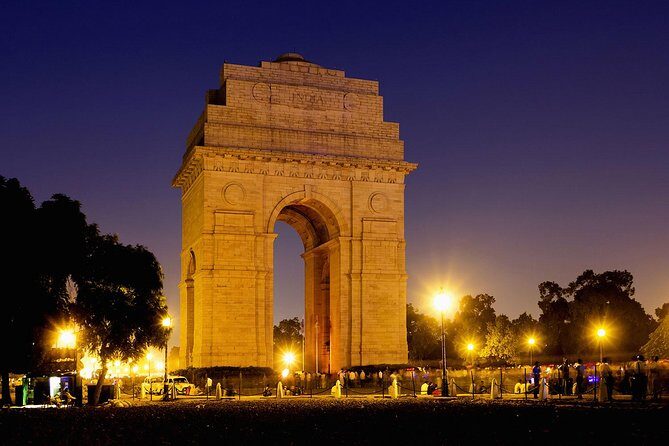
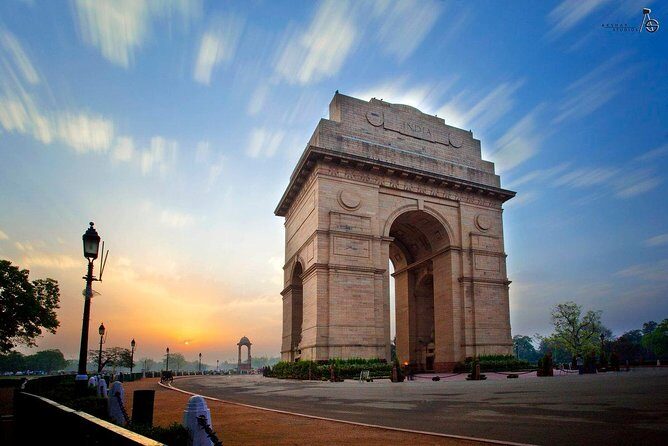
Day two is a classic Delhi day: after breakfast, you’ll visit Raj Ghat, Jama Masjid, Qutub Minar, and Humayun’s Tomb, with a drive past India Gate.
Here’s why this combination works:
- Raj Ghat is the calm, reflective start that puts the rest of the day in context.
- Jama Masjid gives you the scale of Delhi’s old-city religious life.
- Qutub Minar brings you into the story of early monumental architecture.
- Humayun’s Tomb bridges you into the Mughal style that later shapes what you see in Agra.
In practical terms, these sites are spread out, so the air-conditioned vehicle and the guided pacing matter. You’ll get the walking you need, but you won’t lose half the day figuring out routes or wasting time at the wrong entrance.
Day 3: Agra Fort and Itimad-ud-Daulah after the drive
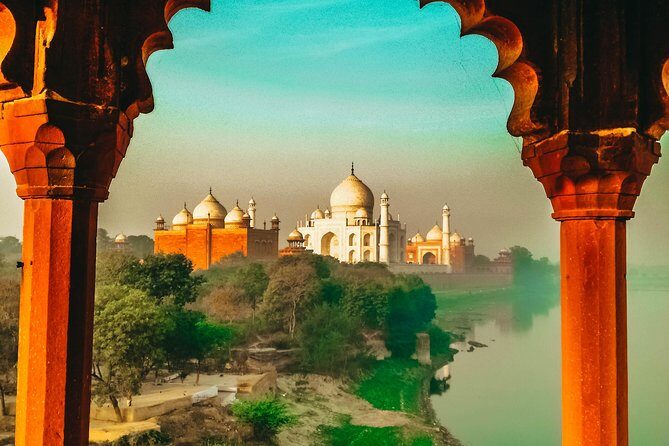
You check out after breakfast and head to Agra by road. When you arrive, you check in, rest a bit, and then start sightseeing with Agra Fort.
From there, you’ll visit Tomb of Itimad-UD-Daulah, a great follow-up because it’s smaller than the Taj Mahal but still visually important. It helps connect the dots between earlier Mughal building styles and the grandeur you’ll see later.
This day is a good “second act” because you’re not just waiting for the Taj. You’re building understanding of the empire and the architecture first. And you’re also giving yourself a more realistic pace: the Taj morning is still coming, so day three doesn’t try to be everything at once.
Day 4: Sunrise Taj Mahal, then Fatehpur Sikri and Jaipur sights
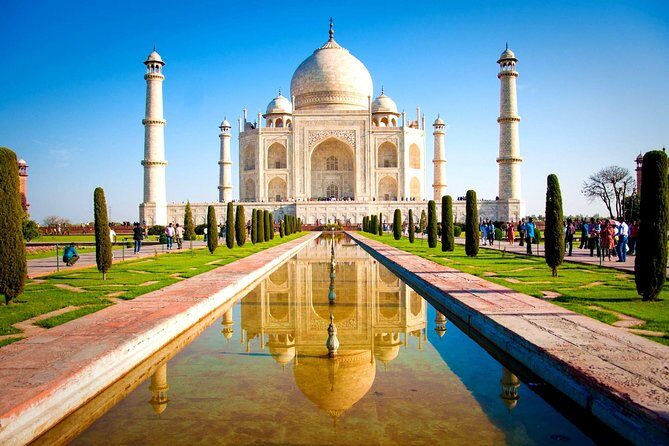
This is the big one. You’ll wake up early for the Taj Mahal at sunrise, then return for breakfast.
Why sunrise is worth it? You get softer light and fewer crowds than later in the day. More importantly, the Taj works best when you’re not rushing. At sunrise, you can actually take in the symmetry and details without feeling like you’re fighting the clock.
After that, you travel toward Jaipur, stopping at Fatehpur Sikri along the way. You’ll see major highlights including Buland Darwaza, Jodha Bai Palace, and Jama Masjid. This stop is a smart choice because it’s a history-and-architecture checkpoint that breaks up the long drive.
When you reach Jaipur, your evening includes major city icons like Hawa Mahal and City Palace. It’s not a full, heavy Jaipur day—more like a warm welcome to Rajasthan’s palette and palace architecture.





Day 5: Amber Fort by elephant, plus Jantar Mantar and markets
Day five is where Jaipur turns into an experience, not just sightseeing. You’ll have breakfast, then go for the Jaipur city tour.
The star activity here is Amber Fort on an elephant ride. If you’re interested in the classic Rajasthan scene, this is the moment. If you prefer minimal animal interactions, treat it as a “featured option” and decide based on your comfort level. The itinerary includes it, but your personal ethics and comfort should lead the decision.
You’ll also see:
- City Palace
- Hawa Mahal
- Jantar Mantar, the Royal Observatory with astronomical instruments
Then you get time for shopping in Jaipur’s markets for traditional Rajasthani items. This is a practical inclusion because it turns the day into something you’ll remember tangibly—handicrafts, textiles, and small gifts are the easy way to make the trip feel real back home.
Day 6: Jaipur to Udaipur by road, then a free evening to slow down
After breakfast, you travel from Jaipur to Udaipur by road. This is a long enough transfer that the itinerary keeps the rest of the day flexible.
Once you arrive, you’re transferred to your pre-decided hotel, check in, and enjoy the evening at your own pace. Udaipur is known for lakes and a more relaxed feel than Delhi or Agra, and this is your chance to enjoy that without rushing into another packed schedule.
I like this “breathing room” day because it helps the whole trip feel balanced. You’ll have done serious monument days already—now you can just roam, snack, and take photos without feeling behind.
Day 7: Udaipur City Palace, Saheliyon ki Bari, Jagdish Temple
Day seven is a focused Udaipur city tour after breakfast. You’ll visit City Palace, Saheliyon ki Bari (Garden of the Maidens), and Jagdish Temple.
This mix is smart:
- City Palace anchors the royal story with grand spaces.
- Saheliyon ki Bari gives you a garden break—cool, shaded, and visually different from forts and tombs.
- Jagdish Temple adds the active religious side of the city.
If you want to make the evening special, there’s an optional motor launch cruise in Udaipur for an additional cost. It’s not required, but if you like water views and a slower pace, it’s a good use of your last full day in the city.
Day 8: Check out, fly home, and don’t cut it close
Your final day keeps it simple: breakfast, check out, then transfer to the Udaipur airport so you can catch your flight.
This is the day where you should protect your schedule. Airport transfers can be timed tightly, so try not to book the earliest possible flight out unless you’re very comfortable with Indian traffic timing. If you can choose, mid-morning or afternoon tends to reduce stress.
You’ll leave with a trip that feels like a loop through India’s key expressions: Mughal architecture, Mughal-to-Mughal transitions, Rajasthan’s palace style, and Udaipur’s lake-city atmosphere.
How the guides can change the trip (and which names to look for)
One of the most praised parts of this tour style is guide quality. Specific names that stand out include:
- Vipin in Agra, highlighted for being helpful, friendly, and well informed
- Deepak at the Taj Mahal, praised for making the visit memorable and for great photo guidance
- Noor around Taj Mahal and Agra Fort, noted for clear explanations of Mughal life and the empire
Even without locking in a specific person, this tour’s strength is that the guide isn’t just “talking points.” The practical help—like getting the right tickets and pointing you to good angles—saves time and improves your photos.
If you care about good explanations, ask your guide for quick context before you enter each main site. Ten minutes of setup can make the next hour far more satisfying.
Comfort and pacing: what to expect from the hotel and transport
You’ll be in 4-star accommodation throughout, with breakfast included for 7 mornings across an 8-day itinerary. Expect a comfortable base after heavy sightseeing days, especially in Agra and Jaipur where the days can be intense.
Transport is straightforward: an air-conditioned vehicle connects each leg. That’s a big deal in summer heat and a relief even in milder weather, because you’ll still be walking and standing at the monuments.
The main pacing consideration is timing. The route stacks Delhi, Agra, and Jaipur with minimal downtime, and then adds a full city day in Udaipur. It works if you enjoy seeing a lot, but you won’t get the “slow travel” luxury of longer stays in each city.
Things to budget for beyond the tour price
The essentials are covered in the package, but keep these in mind:
- Monument fees may not be included, even though the itinerary grid says admission tickets free. Confirm at booking.
- A motor launch cruise in Udaipur is optional and costs extra.
- Elephant ride timing and cost isn’t spelled out here beyond being included as an activity—so if pricing matters for you, confirm details ahead of time.
- Breakfast is included; other meals aren’t clearly listed as included, so plan for lunch and dinner spending.
Who this tour suits best (and who should pick something else)
This itinerary fits you if:
- you want the core Delhi–Agra–Jaipur–Udaipur hits without planning the logistics
- you like a private guide and structured pacing
- you want a mix of monuments, palaces, and markets, with a real break in Udaipur
You might want a different format if:
- you prefer to travel slowly with more free days in each city
- you’re sensitive to long road days
- you hate surprises around entry fees, since monument costs may require extra confirmation
Should you book this Golden Triangle with Udaipur tour?
If your goal is to see India’s highlights in 8 days with less hassle, I think this is a strong option. The route is efficient, you get private guidance, and the highlights are well chosen—especially sunrise Taj Mahal and the Udaipur day with City Palace and garden time.
Book it if you’re excited by structured sightseeing and you’re comfortable budgeting for monument entry charges and any optional add-ons. Pass or switch to a different package if you want guaranteed full inclusion of all entrances and zero extra costs. In this part of the world, one good clarification at booking can save a lot of frustration later.
FAQ
How many days is the Golden Triangle with Udaipur tour?
It’s approximately 8 days, covering Delhi, Agra, Jaipur, and Udaipur.
Which cities are included in the itinerary?
The tour includes New Delhi, Agra, Jaipur, and Udaipur.
Is pickup included?
Yes, pickup is offered, and you’ll be transferred to your hotel after arrival in Delhi. You’ll also have airport transfer at the end of the trip in Udaipur.
What sightseeing in Delhi is included?
You’ll visit Raj Ghat, Jama Masjid, Qutub Minar, Humayun’s Tomb, and you’ll also drive past India Gate. Lotus Temple is listed, but it may be closed on Monday.
Does the itinerary include a Taj Mahal sunrise visit?
Yes, the Taj Mahal sunrise visit is scheduled on the day traveling from Agra toward Jaipur.
What activities are included in Jaipur?
You’ll see Hawa Mahal, City Palace, Jantar Mantar, and you’ll do an elephant ride at Amber Fort. The schedule also includes time for shopping in Jaipur markets.
What do you do in Udaipur?
You’ll visit City Palace, Saheliyon ki Bari, and Jagdish Temple. There’s also an optional motor launch cruise available for an additional cost.
Is the tour price inclusive of monument fees?
Monument fees are listed as not included. The itinerary grid shows admission ticket free, so it’s smart to confirm what you’ll pay on the ground at booking.