REVIEW · NEW DELHI
Golden Triangle Tour India
Book on Viator →Operated by India Travel Trips · Bookable on Viator
This route turns three famous cities into one smooth plan. You’ll cover Delhi, Agra, and Jaipur with hotel pickup, then hit icons like the Taj Mahal and Old Delhi’s rickshaw lanes. It’s a fast, structured way to see the headline sights without living out of a taxi.
I love the comfort factor: private vehicle transport with a guide and bottled water makes long days feel manageable. I also like that the itinerary mixes big monuments (Red Fort, India Gate, City Palace) with hands-on moments like the Old Delhi spice market and rickshaw ride.
One thing to consider: the days are packed (about 10 hours each day listed), so it’s best if you enjoy a full schedule and don’t want lots of free time.
In This Review
- Key Things I Think You’ll Notice
- The Golden Triangle Setup: Private Car Comfort From Delhi to Jaipur
- Day 1 in New Delhi: Old Delhi Rickshaw, Big Monuments, and Modern Stops
- Day 2 to Agra: Taj Mahal Focus and Agra Fort Views
- Day 3 to Jaipur: Fatehpur Sikri En Route and Galta Ji in the Hills
- Day 4 in Jaipur: Amber Fort, City Palace, Jantar Mantar, and Hawa Mahal
- Day 5 Back to Delhi: Drop-Off Done Right
- Price and Value at $125 Per Person
- Guides and Drivers: How It Can Feel When Someone’s Running the Day
- Who This Golden Triangle Tour Is Best For
- Should You Book This Tour?
- FAQ
- How long is the Golden Triangle Tour India?
- What cities does the itinerary include?
- Do you get hotel pickup and drop-off?
- Is this a private tour?
- Is a rickshaw ride included?
- What are the main highlights you’ll see?
- Are admission tickets included?
- How much does it cost?
- Does the tour run in all weather conditions?
- What is the cancellation policy?
Key Things I Think You’ll Notice
- Private car travel between Delhi, Agra, and Jaipur keeps you focused on sightseeing, not navigation
- Old Delhi by rickshaw plus a spice market stop gives texture beyond the monuments
- Guided visits at major sites like the Taj Mahal, Amber Fort, and Jantar Mantar help you connect the dots
- Fatehpur Sikri en route to Jaipur adds a major Mughal stop without taking an extra day
- Clear route flow (Delhi → Agra → Jaipur → Delhi) is ideal for first-timers to North India
The Golden Triangle Setup: Private Car Comfort From Delhi to Jaipur
This is the classic Golden Triangle route, built around one core advantage: you don’t have to stitch together transport on your own. You travel by private vehicle with hotel pickup and drop-off, which matters because Delhi traffic can be chaotic and time-consuming.
The tour is also positioned as a private experience for your group only. That usually means fewer “wait around for someone” moments and more flexibility to keep your day moving at a reasonable pace, even with sightseeing stops.
The contact approach seems practical too. In one recent experience, a coordinator named Zubair Ali messaged right after booking via WhatsApp and answered questions promptly. That kind of communication is worth its weight in gold when you’re trying to lock in timing.
You can also read our reviews of more tours and experiences in New Delhi.



Day 1 in New Delhi: Old Delhi Rickshaw, Big Monuments, and Modern Stops

Day 1 is where you get the “two different Delhis” effect: Old Delhi’s crowded, heritage streets, plus New Delhi’s wider boulevards and government landmarks.
You start with pickup from your hotel or the international airport, then begin with major Old and central Delhi sights. The list includes Akshardham (a modern Hindu temple complex), Jama Masjid, Red Fort, Gandhi Raj Ghat, and Gurudwara. That’s a lot of major names in one block, so the guide’s pacing matters.
Then comes one of the most memorable bits: the rickshaw ride through Old Delhi’s narrow streets, plus a stop at the spice market. This is the kind of activity that helps everything else make sense. Even if you already know the history of Mughal and British-era Delhi, seeing the market lanes up close gives you a feel for daily life that photos can’t fully capture.
After lunch, the plan shifts to New Delhi sights such as India Gate, the Diplomatic District area (including Parliament House and Secretariat buildings), and then major spiritual architecture like the Lotus Temple. You also visit Humayun Tomb, a key Mughal monument that helps you understand how later Mughal design evolved.
Practical note: Day 1 runs about 10 hours. If you don’t do well with long days, you’ll want to keep expectations realistic and plan for an early bedtime after you reach your hotel.
Day 2 to Agra: Taj Mahal Focus and Agra Fort Views
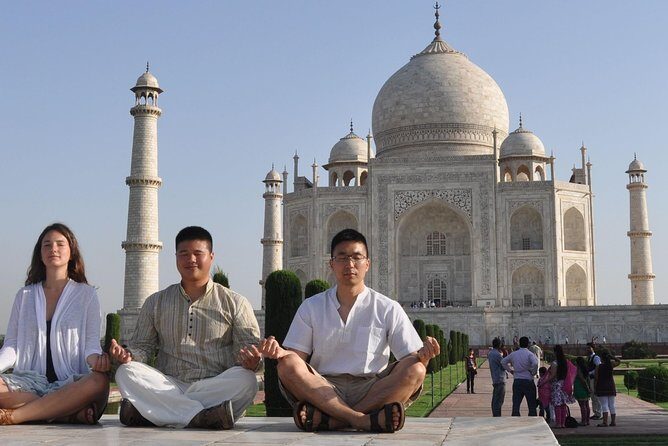
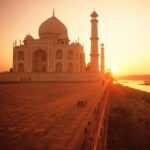
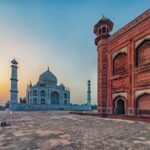
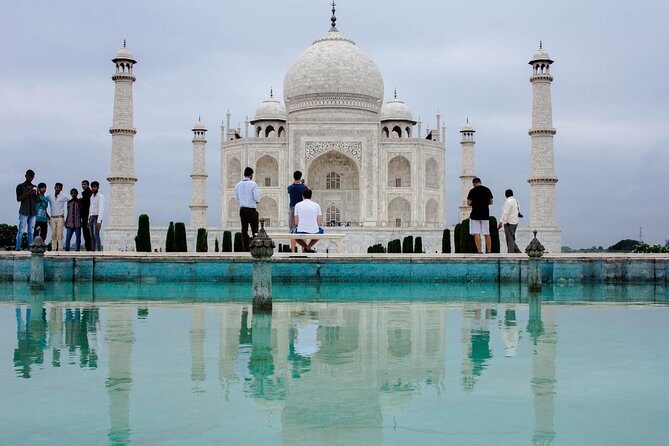
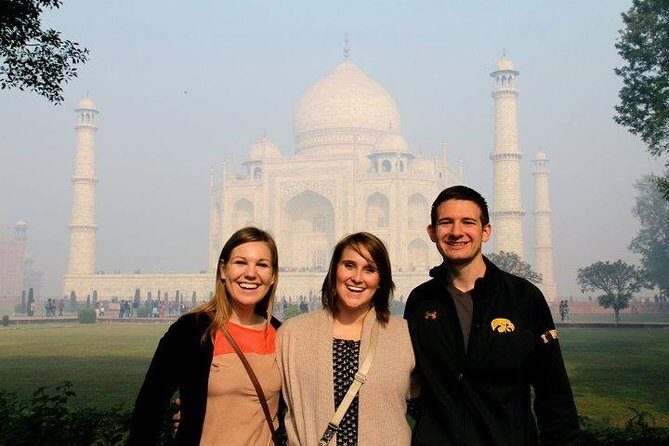
Day 2 is Agra, the city most people come for, and the day is built around a single target: the Taj Mahal. The itinerary frames it as the symbol of eternal love, built by Emperor Shahjahan in memory of Mumtaz Mahal on the Yamuna River.
You’ll meet your guide, then do local sightseeing that includes Agra Fort. The pairing is smart. The Taj Mahal is the emotional centerpiece, but Agra Fort gives you the power backdrop—fortifications, royal control, and the wider Mughal setting that makes the Taj feel like part of a larger world rather than a lone statue in a garden.
This day also looks designed to minimize stress. You don’t have to coordinate transport between Delhi and Agra because the route uses the same private vehicle arrangement. Once you’re on the ground, the guide handles the “what matters and why” side so you don’t waste time guessing.
One consideration: with a long transit day plus monument time, it helps to keep your energy steady. If you’re the type who wants lots of “sit and watch” time, you may have to accept that the schedule is efficient, not slow.
Day 3 to Jaipur: Fatehpur Sikri En Route and Galta Ji in the Hills
Day 3 shifts you from Agra to the Pink City—Jaipur—but you don’t just race there. On the way, the itinerary includes a stop at Fatehpur Sikri, which you’ll tour with royal and sacred area sightseeing.
That stop is a great value-add. Many Golden Triangle plans skip this kind of detour because it requires extra time. Here, Fatehpur Sikri helps you broaden the story beyond the well-known trio and gives you another major chapter of North India’s imperial past.
Once you reach Jaipur, you check into your hotel and then head out for local sightseeing. One standout on this day is Galta Gi, also known as the monkey temple, positioned among the hills. Even if you’re not into temples specifically, the setting helps. It turns the visit into more than a quick photo stop and gives you a sense of how Jaipur’s terrain shapes its sights.
This is also a good day for shoppers-lite travelers. Jaipur markets are on the horizon, and you’ll likely feel more comfortable navigating once you’ve been oriented by the guide.
Day 4 in Jaipur: Amber Fort, City Palace, Jantar Mantar, and Hawa Mahal
Day 4 is where Jaipur goes from “nice introduction” to “big-name highlights.” After breakfast you’ll meet your guide and then tour a list that hits multiple eras and styles.
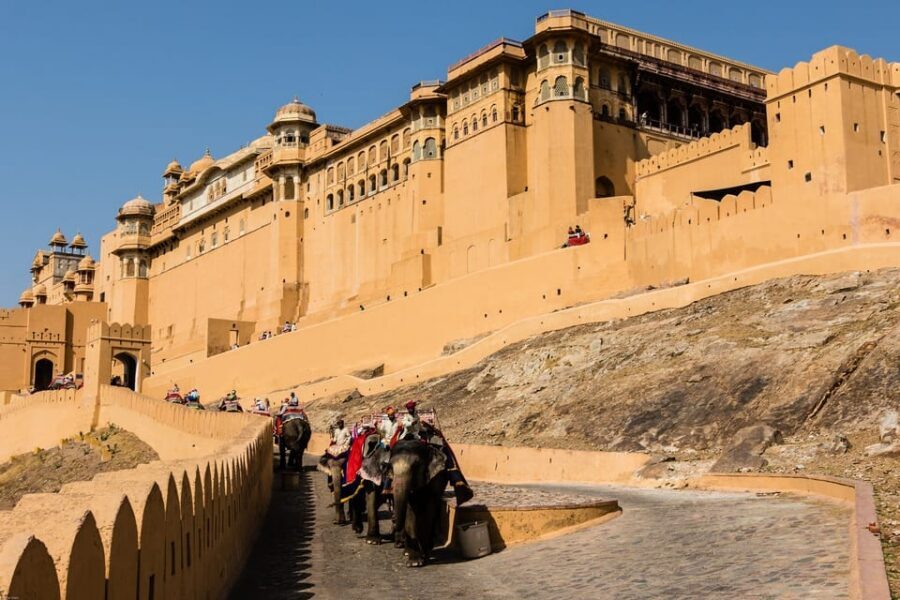
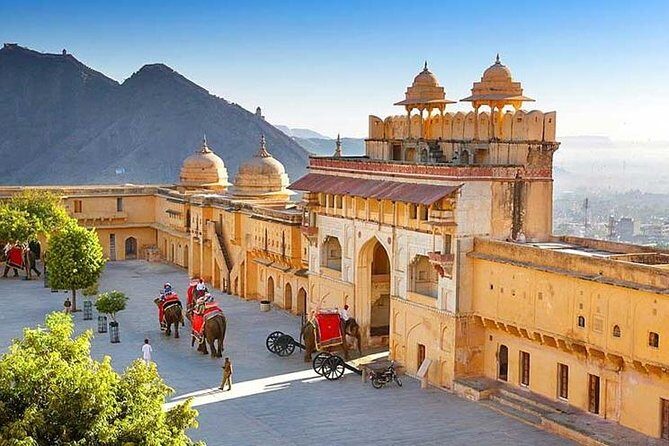
Amber Fort is first. It’s described as a magnificent fort palace set among hills, and that placement matters: the views and approach help you understand why these forts were chosen where they were. From there, you’ll visit City Palace, Jantar Mantar (the astronomical observatory), Gaitor tombs (royal tombs), and Jal Mahal (the water palace).
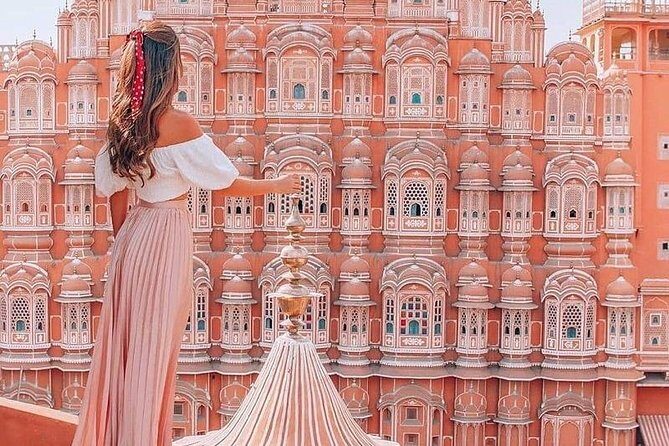
Then you cap off with Hawa Mahal, the famous façade with 1000 small windows. Even if you’ve seen pictures, the real impact is how it frames movement and light along the street.
One small practical tip based on the structure of this day: you’ll likely want shoes you can walk in comfortably. The stops include fort areas and observatory grounds, which usually mean uneven steps and lots of walking even when the schedule is well run.
There’s also time for shopping at the local market. This is your chance to buy small Jaipur items you’ll actually use—things like textiles, handicrafts, and souvenirs—without turning the entire day into a mall run.



Day 5 Back to Delhi: Drop-Off Done Right
Day 5 keeps things simple. You’ll travel back to Delhi after breakfast and be dropped at your hotel or another central location.
That matters because Delhi is spread out, and a wrong drop-off can waste half your last day. The tour promises central convenience rather than dumping you at a random corner. If you’re planning onward travel—train, flight, or a day tour—this kind of handoff is genuinely helpful.
After four full days, a smooth finish is not a small detail. It’s the difference between ending tired and ending organized.
Price and Value at $125 Per Person
At $125 per person for about 5 days, the headline value is the transport and guide package. You’re not just paying for a list of attractions; you’re paying to remove the friction—hotel pickup and drop-off, private vehicle travel between cities, and a professional guide.
The inclusion list also helps: all taxes, fees, handling charges, a fuel surcharge, transport by private vehicle, bottled water, and admission ticket details are marked as free on the itinerary days. If you’ve ever booked sightseeing-only days and then been surprised by ticket costs, that sort of clarity can make budgeting easier.
Group discounts and a mobile ticket are also included. Those elements may sound minor, but for many people they reduce last-minute confusion.
What you should weigh against the price is time intensity. This isn’t a “slow travel” route. It’s structured, efficient, and best if you want maximum monuments per day with minimal planning.
Guides and Drivers: How It Can Feel When Someone’s Running the Day
The biggest difference between a good sightseeing plan and a frustrating one is pacing. The route is designed to be smooth, and the guide layer is where it gets human.
In one experience, the driver was Shyaam and the tone of the driving was described as calm. That’s not a small thing in India traffic. A calm driver helps you stay present instead of tense.
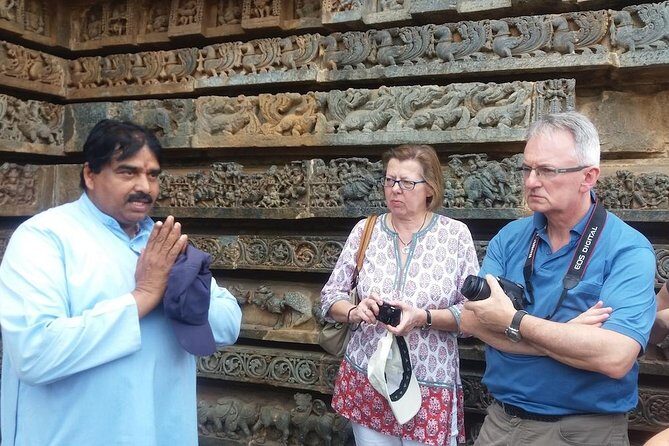
Guides also seem to matter. One name that came up is Javed, praised for keeping an eye on the group and adjusting costs according to the day and number of people. You may not always get the same guide, but the pattern is clear: someone is expected to manage the experience actively, not just check off stops.
Who This Golden Triangle Tour Is Best For
This tour fits you if:
- You want the core Golden Triangle highlights (Delhi, Agra, Jaipur) without building logistics on your own
- You like guided context at major sites like the Taj Mahal, Amber Fort, and Jantar Mantar
- You prefer private vehicle comfort over public transport transfers
You might want to look elsewhere if:
- You want long, unstructured downtime each day
- You’re the type who hates packed schedules and constant movement
- You want a deep focus on one city instead of a quick, efficient sweep of all three
Should You Book This Tour?
If it’s your first time in Delhi, Agra, and Jaipur, I think this kind of private-car Golden Triangle plan is a smart way to start. You’ll get a strong mix: Old Delhi flavor (rickshaw and spice market), Mughal icons (Taj Mahal and Humayun Tomb), and Jaipur landmarks like Amber Fort and Hawa Mahal.
Book it if you value convenience, guided context, and a clear route flow that keeps your days moving. Skip it if your ideal trip is slow and flexible; this itinerary runs around 10 hours per day and leans into efficiency.
FAQ
How long is the Golden Triangle Tour India?
The tour is listed as 5 days approximately.
What cities does the itinerary include?
It covers New Delhi, Agra, and Jaipur.
Do you get hotel pickup and drop-off?
Yes, hotel pickup and drop-off are included.
Is this a private tour?
Yes. It’s described as private, with only your group participating.
Is a rickshaw ride included?
Yes. Day 1 includes a rickshaw ride in Old Delhi and a stop at the spice market.
What are the main highlights you’ll see?
The itinerary highlights include Akshardham, Jama Masjid, Red Fort, Raj Ghat, Gurudwara, Old Delhi spice market and rickshaw, India Gate, Lotus Temple, Humayun Tomb, the Taj Mahal, Agra Fort, Fatehpur Sikri, Galta Gi, Amber Fort, City Palace, Jantar Mantar, Gaitor tombs, Jal Mahal, and Hawa Mahal.
Are admission tickets included?
The itinerary notes Admission Ticket Free for the days listed, but the data provided does not break down each ticket type beyond that note.
How much does it cost?
The price is listed as $125.00 per person.
Does the tour run in all weather conditions?
It operates in all weather conditions, and you’re advised to dress appropriately.
What is the cancellation policy?
Free cancellation is offered. You can cancel up to 24 hours in advance for a full refund. If you cancel less than 24 hours before the start time, you don’t get a refund.