REVIEW · NEW DELHI
Golden Triangle Tour
Book on Viator →Operated by Holidays At · Bookable on Viator
Three cities, one smooth ride through India.
This Golden Triangle Tour is interesting because it strings together the big-name sights with guided days and the kind of practical support that keeps travel days from turning into a scramble. I love the airport-to-hotel transfers plus daily breakfast, and I also like the built-in local touches such as a cycle rickshaw ride in Old Delhi and a jeep ride connected to Jaipur’s forts. The main drawback to plan for is that monument entry fees are not included, and a couple days start early enough to feel it.
You’ll spend 5 nights in hotels on a double or twin-sharing setup, travel between Delhi–Agra–Jaipur by an AC vehicle, and get local English-speaking guides for the city sightseeing days. It’s aimed at people who want a well-paced overview of India’s north without having to coordinate tickets, drivers, and routes day after day.
In This Review
- Key Highlights
- Why This 6-Day Golden Triangle Route Makes Sense
- Day 1: Landing in New Delhi and Getting Set for the Big Day
- Day 2 in New Delhi and Old Delhi: From Qutub Minar to Chandni Chowk
- Day 3: Agra via Sikandra Fort, Then Agra Fort and Tombs
- Day 4: Taj Mahal at Sunrise plus Mehtab Bagh
- Day 4 Continue into Fatehpur Sikri and Drive to Jaipur
- Day 5 Jaipur Full Day: Amber Fort, Palaces, and the Fort Ride
- Day 6: New Delhi Checkout and Airport Transfer
- Price and Value: What You Pay for and What to Budget
- Guides, Transport, and the “Smooth Running” Factor
- What Might Feel Tight (and How to Handle It)
- Who This Tour Fits Best
- Should You Book This Golden Triangle Tour?
- FAQ
- Where does the Golden Triangle Tour start?
- How long is the tour?
- What’s included with the tour besides hotels?
- Are monument entry fees included?
- Do you provide guides?
- Is pickup offered?
- Can I cancel or change the booking after purchase?
Key Highlights
- Airport pickup with AC transfers so your first and last day don’t feel chaotic
- English-speaking guides in New Delhi, Agra, Fatehpur Sikri, and Jaipur
- Old Delhi cycle rickshaw ride and spice-market wandering during the Old Delhi stop
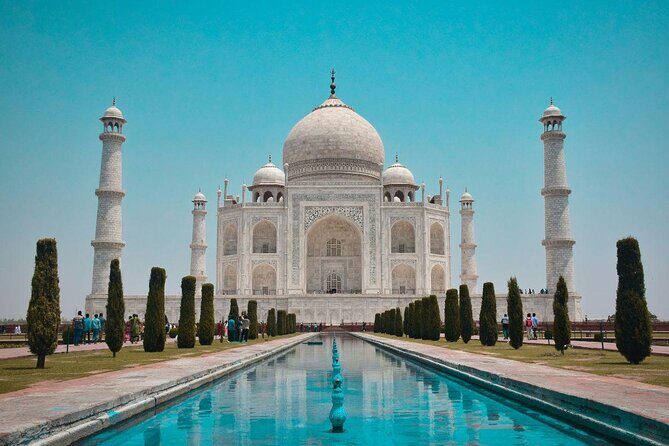
- Taj Mahal at sunrise plus a visit to Mehtab Bagh for evening-rim views
- Fatehpur Sikri in red stone on the way to Jaipur
- Jaipur fort-and-palace day with jeep ride time built in and optional fort add-ons if schedule allows
Why This 6-Day Golden Triangle Route Makes Sense
The Golden Triangle is famous for a reason: Delhi, Agra, and Jaipur are the core starter loop for first-time visitors to North India. What I like about this specific format is that it doesn’t just list landmarks; it organizes them into efficient blocks so you get proper time in each place.
Delhi works best when you split it into two moods. You start with the mix of modern and Mughal-era grandeur in New Delhi, then shift to Old Delhi’s lanes for the sensory stuff—markets, mosques, and that Old Delhi bustle. This tour does that with a full guided day, and it adds a rickshaw moment so you don’t miss the feeling of the old city.
Agra is where the trip turns dramatic. You don’t just see forts and tombs; you build toward the Taj Mahal with an early start and a second viewpoint at Mehtab Bagh. That combination helps the day feel like more than a checklist.
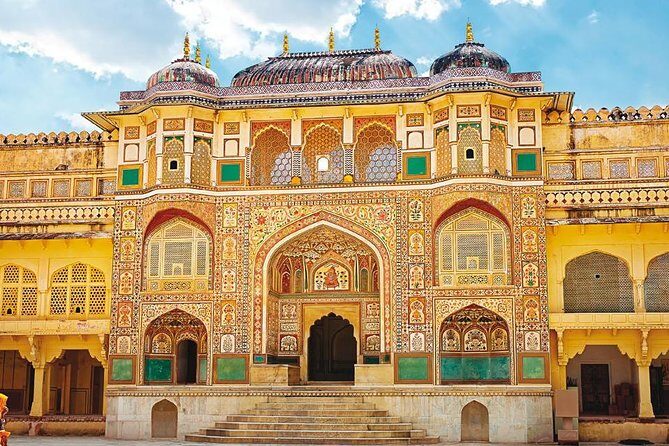
Then Jaipur brings it all together with forts, palaces, and a bit of royal-city theater—Amber Fort and the city’s major monuments, plus optional forts if time permits.
You can also read our reviews of more tours and experiences in New Delhi.



Day 1: Landing in New Delhi and Getting Set for the Big Day
On arrival in New Delhi (meeting point at IGI Airport T3 Road, Aerocity), you’re met and transferred to your hotel. After that, the schedule gives you breathing room: the rest of the day is free for your own leisure.
That matters more than it sounds. Jet lag can hit hard when you’re about to do sunrise viewing and long guided days. Use this first evening to do the boring-but-important stuff: hydrate, confirm your meeting time, and take a simple walk near your hotel if it’s safe and practical.
If you’re arriving in the morning, you may feel tempted to stack activities. I’d keep it light. You’ll thank yourself on Day 2, when Delhi’s itinerary runs full-speed.
Day 2 in New Delhi and Old Delhi: From Qutub Minar to Chandni Chowk
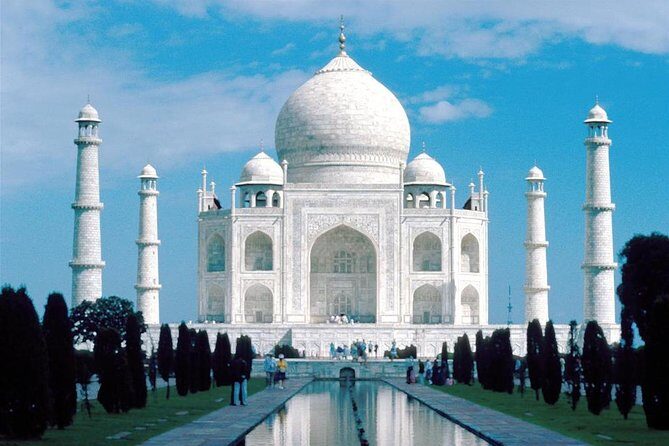
This is the tour’s “see-it-all” Delhi day, and it’s packed in a smart order. You start with major historic stops around New Delhi, including Qutub Minar, plus Humayun’s Tomb. You’ll also drive past Lotus Temple, as well as sights like Rashtrapati Bhavan and India Gate.
Then you shift into Old Delhi, where the atmosphere changes quickly. The stop at Raj Ghat gives you a reflective start, and then you head to Jama Masjid. From there, you’ll drive past Red Fort, and you finish with the hands-on neighborhood moment: a short cycle rickshaw ride around Chandni Chowk, including time near the spice area and the big clothes market.
Two things I’d call out here:
- You get variety in one day: tombs and monuments in one block, market energy in another.
- The rickshaw ride is short, but it’s the right kind of short. It’s enough to feel the lanes without spending all day negotiating traffic.
One practical note: this day is built for sightseeing on foot and inside/outside monument areas. Wear comfortable shoes and plan to move at a steady pace.
Day 3: Agra via Sikandra Fort, Then Agra Fort and Tombs
Day 3 is a travel day that still earns its place. After breakfast, you check out and head from Delhi to Agra by an AC vehicle. On the way, there’s an en-route stop at Sikandra Fort (Akbar’s Tomb), which helps you break up the long road and adds another major Mughal-era sight before you even reach Agra.
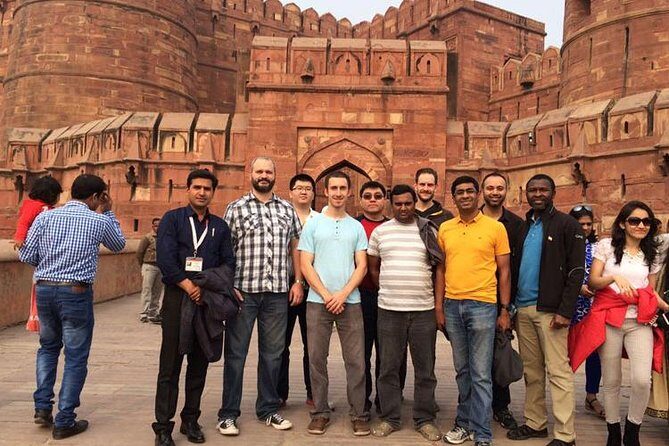
Once you arrive, you check in and take it easy for a bit. Then you go into Agra’s guided sightseeing circuit. Expect Agra Fort as a centerpiece, with specific highlights such as Moti Masjid, the Octagonal Tower, Jahangir Palace, Diwan-i-Aam, and Diwan-I-Khas. The day also includes Itmad-ud-Daulah’s Tomb and Jama Masjid.
I like that the Agra sightseeing isn’t only “Taj or nothing.” Agra Fort and Itmad-ud-Daulah’s Tomb give you context for how the Mughal empire used architecture to show power—and how detailed design can be even when a structure is less famous than the Taj.
If you tend to get tired after long touring days, take the hotel downtime seriously. This itinerary gives you that pause before the next big early morning.
Day 4: Taj Mahal at Sunrise plus Mehtab Bagh
This is the day most people book for, and it comes with the right kind of lead-in: you wake up early—before breakfast—for a sunrise visit to the Taj Mahal. Seeing it in the early light gives the monument a different mood than midday viewing.
After Taj Mahal, the itinerary also includes Mehtab Bagh, which adds another angle on the river-side view. That extra stop is a smart move. It helps you notice details you might miss if you only view the Taj from one direction.
Two practical tips for this day:
- Go with realistic expectations for morning crowds and timing. Early starts are the point, but they can still feel rushed if you fight the schedule.
- Keep water handy. The tour provides one mineral water bottle per person per day, but you’ll still want to pace yourself.





Day 4 Continue into Fatehpur Sikri and Drive to Jaipur
After the sunrise and Agra/Mehtab Bagh time, the day doesn’t stop. You travel from Agra toward Jaipur, with a key en-route stop at Fatehpur Sikri.
Fatehpur Sikri is special because it’s not only architecture; it’s the story of a city that grew and then went quiet. You’ll see major structures such as the Tomb of Salim Chishti, Buland Darwaza, Diwane e Khas, and Panch Mahal. The site is described as a deserted Mughal town built in 1571 from red stone, and you’ll feel that “abandoned grandeur” as you walk through the open spaces.
Then you continue onward to Jaipur for check-in. The evening is free for your own leisure.
This is where I think the trip balances out. Jaipur is your “big day” tomorrow, so having some time to reset tonight is useful.
Day 5 Jaipur Full Day: Amber Fort, Palaces, and the Fort Ride
Jaipur is the tour’s most colorful-feeling city, and this day is built around that. After breakfast, you head out for guided sightseeing that covers the major royal and planning-era landmarks.
The centerpiece is Amber Fort. The tour also includes an jeep ride in Jaipur, which generally ties into the fort approach and the logistics of getting around the area efficiently. Even if you’ve seen photos, Amber Fort is the kind of site where the details hit harder in person—courtyards, ramparts, and all the layered visual texture.
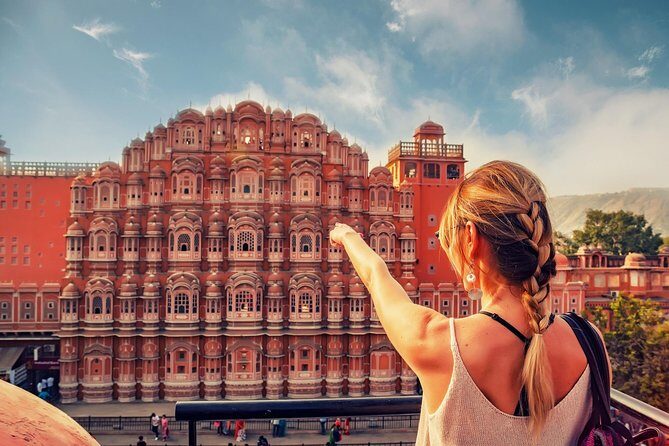
From there, you’ll move through City Palace and Jantar Mantar. Then you’ll drive past Jal Mahal and Hawa Mahal (Palace of Winds), and you’ll also visit Birla Temple.
There’s an optional add-on if time permits: Nahargarh Fort and Jaigarh Fort. I like that this is conditional. If you’re feeling energetic, you can add more fort views and history. If you’re tired, you can stay on the core schedule and avoid turning the day into a marathon.
Once the guided sightseeing finishes, you’re free to shop or head back to your hotel for the night.
Day 6: New Delhi Checkout and Airport Transfer
On the last day, you check out after breakfast and head back to New Delhi airport to fly home. The itinerary keeps this simple and direct, which is exactly what you want on Day 6.
If you’ve never done the Golden Triangle loop before, the biggest thing you’ll notice is how quickly your “India intro” becomes a memory collage: Delhi lanes, Agra’s fort walls, the first glimpse of the Taj at sunrise, and Jaipur’s fort shapes.
A structured ending also helps you avoid last-minute headaches. You’re not driving yourself, you’re not negotiating transport in traffic, and you’re not guessing timing.
Price and Value: What You Pay for and What to Budget
The listed price is $855.00 per person for roughly 6 days, including 5 nights of accommodation on double or twin-sharing basis, daily breakfast, and airport and intercity transfers by an AC vehicle.
What makes this feel like value is that the “hard coordination” is handled for you:
- You get hotel nights covered for most of the trip
- You get local English-speaking guides for the main sightseeing blocks
- You get guided structure in each city rather than just a driver and a vague plan
- You also get small but useful inclusions like cycle rickshaw ride and jeep ride, plus one mineral water bottle per person per day
What’s not included is equally important. Monument entry fees are not included. The itinerary mentions admission as free in places, but the overall package clearly states monument entry fees aren’t part of the price. So plan to pay at least some fees on-site (and budget for them without stress).
Also not included: visas fees (if applicable), beverages besides drinking water, and personal expenses, plus international flights.
My take: if you’d otherwise spend your time figuring out drivers, ticket timing, and guide logistics across three cities, this price starts to make sense. If you’re a person who prefers full independence and you already know the route well, you might find it less cost-effective. But for most first-time visitors, the convenience is the main bargain.
Guides, Transport, and the “Smooth Running” Factor
One theme that stands out in the experience is how smoothly things run day to day. People often call out easy planning, on-time pickup and transfers, and staff support that focuses on keeping the trip moving without drama.
Tour coordination is handled by Holidays At representatives and a tour manager. Names that show up include Amit Tomar as a coordinator for at least one group experience, and Deepak noted in connection with a well-organized trip. During booking, Amit is cited as helpful too.
The key practical takeaway: you’re not left alone with a phone number. You’re dealing with a team that handles the handoffs—airport to hotel, hotel to vehicle, vehicle to guide—so you spend your time seeing places instead of chasing details.
The other big support element is transport. AC vehicle transfers across Delhi–Agra–Jaipur save you from the worst parts of traffic stress, and the schedule builds in breaks where possible.
What Might Feel Tight (and How to Handle It)
This kind of Golden Triangle tour is never slow. If you like resting between sights or you hate early mornings, you might find the pace challenging.
The sunrise Taj Mahal visit is the most obvious early start. On top of that, Days 2 and 3 pack in multiple major stops. Even with guides and vehicles, you’ll still be walking through monument areas and moving through neighborhoods.
Here’s how to make it work for you:
- Start each day early with a relaxed mindset
- Choose comfortable shoes and breathable clothing
- Treat hotel downtime as part of the itinerary, not an optional extra
- Carry a small amount of cash for on-site fees and water-adjacent purchases, since monument entry isn’t included
If you want a trip that feels relaxed in the European sense, you may need more time in each city. But if you want a solid India primer that doesn’t drown you in planning tasks, this does that job.
Who This Tour Fits Best
This Golden Triangle Tour suits you if:
- You want an organized first visit to Delhi, Agra, and Jaipur
- You like guided structure but still want some free time each evening
- You prefer comfort on transport with AC transfers
- You’re okay paying monument entry fees separately
- You want iconic experiences like Old Delhi by rickshaw and Taj Mahal at sunrise
It may not be the best match if you want to linger for hours in one museum, skip crowded areas completely, or you already have a tight plan with your own driver and tickets.
Should You Book This Golden Triangle Tour?
I’d book it if your top goal is a smooth, high-coverage introduction to India’s north—especially if you want the Taj Mahal sunrise and don’t want to choreograph the logistics yourself. The combination of guided days, AC transfers, breakfast, and those specific local ride moments (rickshaw in Old Delhi, jeep ride in Jaipur) makes the trip feel “handled,” not pieced together.
I’d think twice if you hate early starts or if monument entry fees would feel like a surprise cost. The good news is that the itinerary is clear about what’s included, and the monuments are the part you’ll pay for separately anyway—so you can plan ahead.
If you want, tell me your travel dates and whether you’re more into history, markets, or photography. I can suggest how to time your free evenings in Delhi and Jaipur so you get the best match for your style.
FAQ
Where does the Golden Triangle Tour start?
The meeting point is at IGI Airport T3 Road, Aerocity, Indira Gandhi International Airport, New Delhi, India.
How long is the tour?
It runs for about 6 days.
What’s included with the tour besides hotels?
You get 5 nights of accommodation (double/twin sharing), daily breakfast, airport and intercity transfers in an AC vehicle, local English-speaking guides at the major sightseeing cities, a cycle rickshaw ride in Old Delhi, a jeep ride in Jaipur, and one mineral water bottle per person per day.
Are monument entry fees included?
No. Monument entry fees are not included in the tour price.
Do you provide guides?
Yes. The tour includes local English-speaking guides at New Delhi, Agra, Fatehpur Sikri, and Jaipur.
Is pickup offered?
Yes. Airport transfers are included, and pickup is part of the tour’s arrival and departure assistance.
Can I cancel or change the booking after purchase?
No. The experience is non-refundable and cannot be changed for any reason, and the amount paid will not be refunded if you cancel or request an amendment.