REVIEW · NEW DELHI
Golden Triangle Tour 05 Night / 06 Days
Book on Viator →Operated by 707 TOURS · Bookable on Viator
Three cities, one tight schedule. The Golden Triangle tour is the classic first India loop—Delhi to Jaipur to Agra—with an English-speaking guide and smooth airport pickup to keep your trip from turning into a logistics puzzle.
I like that you get both big-name icons and street-level Delhi, from India Gate down to Chandni Chowk. And the guide service seems built for real-world sighting: patient pacing, clear English, and lots of practical help with photos at major stops.
One heads-up: monument fees and meals are partly on you. Breakfast is included, but several marquee sights are listed as admission not included (think Qutub Minar, Hawa Mahal, City Palace, Taj Mahal, and Agra Fort), so budget extra.
In This Review
- Key highlights you’ll feel on the trip
- Delhi starts fast: India Gate to Lotus Temple without the hangover
- Old Delhi street reality: Chandni Chowk and Jama Masjid
- Qutb Minar plus the power buildings: Delhi’s layers, side by side
- Jaipur hits with Amer Fort: the views and the climb you should plan for
- Hawa Mahal, City Palace, and the museum-and-science mix
- Fatehpur Sikri to Agra: a Mughal detour that’s worth the effort
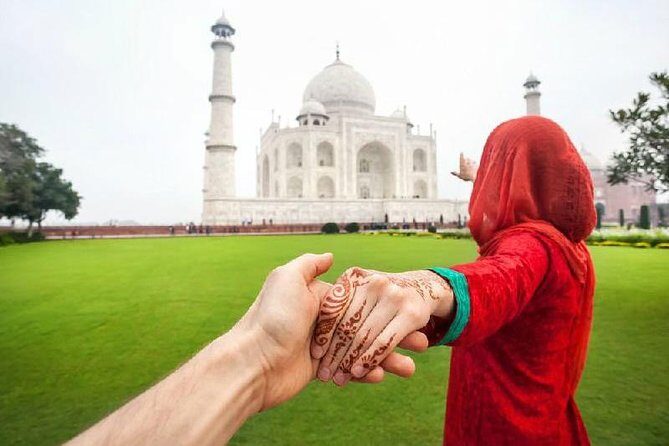
- Taj Mahal day: how to make the most of a not-to-miss moment
- Hotels, transport, and the real value of paying $780
- Who should book this Golden Triangle tour?
- Should you book Golden Triangle with 707 Tours?
- FAQ
- Is pickup included?
- How long is the Golden Triangle tour?
- What’s included in the price?
- Are meals included besides breakfast?
- Do I have to pay monument entry fees?
- Are hotels included?
- Is it a private tour?
- Will I get a guide who speaks English?
- How do tickets work?
- What is the cancellation window?
Key highlights you’ll feel on the trip
- Private group, A/C vehicle, and pickup so you’re not jumping between scraps of transport
- Old Delhi street time at Chandni Chowk, plus a major Mughal landmark with Jama Masjid
- Big Delhi “government core” monuments at Parliament House and Rashtrapati Bhavan
- Jaipur’s iconic skyline stops including Amer Fort and Hawa Mahal from the outside angles that matter
- Hands-on Mughal-to-Rajput pacing with Fatehpur Sikri before you reach Agra
- Guide-led photo help that repeatedly comes up in guest feedback, especially around the Taj
Delhi starts fast: India Gate to Lotus Temple without the hangover
If your first day in India can feel a little like speed-dating, this tour helps you get your bearings quickly. You’re met at Delhi Airport and transferred to your hotel for an overnight stay. That one step matters. After a long flight, you do not want to fight for taxis, tickets, and directions.
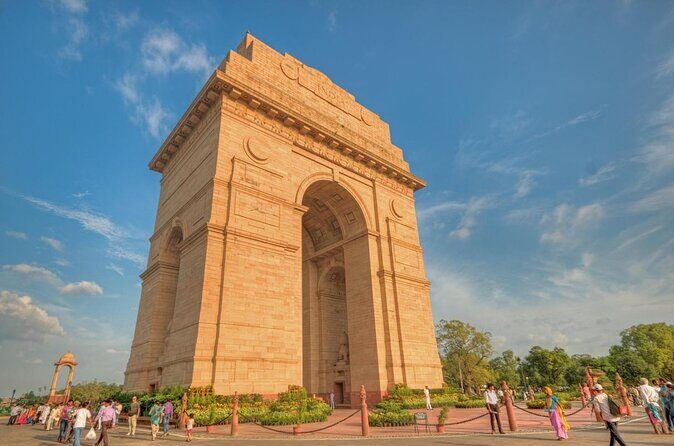
Once you’re settled, the day jumps into Delhi’s grand ceremonial axis with India Gate. It’s a war memorial, plain and powerful, and it’s an easy win for photos because it sits in a very readable, open urban space. From there, the route shifts toward the spiritual and symbolic side of the city with the Lotus Temple, a Bahá’í House of Worship known for its flowerlike shape. What I like here is the contrast: you’re not only seeing power and empire; you’re seeing a place built for calm.
The practical benefit: these stops are short on paper and manageable in real time. Even if you’re a little tired, you can still keep momentum and not feel trapped for hours in transit.
You can also read our reviews of more evening experiences in New Delhi


Old Delhi street reality: Chandni Chowk and Jama Masjid
Chandni Chowk is where Delhi turns from postcard to lived-in city. Expect dense lanes, small stalls, and a constant churn of people moving between spice shops, dried goods, silver jewelry, saris, and the kind of tiny side markets that sell everyday essentials. The experience is not just shopping—it’s the sound and motion of a historic trading district.
Then you step into the scale of Jama Masjid, one of India’s largest mosques. The building was commissioned by Mughal Emperor Shah Jahan and completed in the 1600s. This is the kind of stop where a guide earns their keep. With a good explanation, the architecture clicks into place: why the mosque feels monumental, why the approach routes matter, and how the complex functions as a civic space, not just a religious one.
Quick consideration: Old Delhi streets can feel crowded quickly. If you’re sensitive to tight spaces, give yourself mental room and wear comfortable footwear. The tour pacing is designed to fit these sites into a day, but your energy will decide how much shopping you can handle.
Qutb Minar plus the power buildings: Delhi’s layers, side by side
Next up is the Qutb Minar complex, featuring the tall tapering minaret within a UNESCO-listed heritage area. The minaret is 73 meters tall with five storeys, and it’s the kind of structure that looks even better when you’re standing close and letting your brain adjust to the scale. One detail to plan for: Qutb Minar admission is listed as not included, so you’ll want to carry some cash and/or plan for paying there.
You also get a look at Delhi’s official center with Parliament House and Rashtrapati Bhavan. These aren’t “museum” stops. They’re about location and meaning—the way the city is organized around state power. If you’ve ever wondered why Delhi feels like two cities at once (old world lanes versus planned government blocks), these stops help connect the dots.
The bigger value here is simple: you’re not just collecting attractions. You’re seeing how Delhi’s identity is built—religion, empire, and government in one multi-stop sweep.
Jaipur hits with Amer Fort: the views and the climb you should plan for
Jaipur arrives like a change in temperature—color, architecture, and a more “palace-forward” mood. One of the first major stops is Amer Fort, located about 11 km from Jaipur in Amer. The fort sits high on a hill, so expect views and lots of stairs/uneven ground depending on where you walk.
Here’s why Amer Fort works on this type of tour: it’s the classic “wow” moment people picture for Jaipur. It also helps you understand the region’s power structure—forts weren’t just pretty walls. They were living, defensive systems.
Admission for Amer Fort is listed as free in the tour notes, which is a nice cost-control win. Still, you’ll likely spend time around viewpoints and inside areas depending on your route and walking pace.
Hawa Mahal, City Palace, and the museum-and-science mix
After Amer, Jaipur keeps stacking iconic sights.
Jal Mahal is the palace sitting in the middle of Man Sagar Lake. Even in short time, the “floating palace” idea is memorable. You’re not lingering in a giant garden for hours, but you’re getting a visual pause from fort-and-palace intensity.
Hawa Mahal (Palace of Wind) is next, famous for its red and pink sandstone façade and those famous window-like openings. The tour notes say admission is not included, so you’ll want to decide on-site if you pay for the interior. Either way, it’s a strong exterior photo stop because the façade reads well from the right angles.
Then comes City Palace of Jaipur. This is the seat of historic royal administration and the reason Jaipur feels different from Delhi. Admission is listed as not included here too, which means you’re choosing between time and ticket cost.
If you like art and design details, Albert Hall Museum can be a good counterweight. It’s described as the oldest museum of Rajasthan and housed in an Indo-Saracenic building. Admission is also listed as not included. Even if you skip interior ticketing, the architecture and setting can still land well if your timing is good.
Finally, Jantar Mantar—a collection of astronomical instruments built under Sawai Jai Singh II, completed in 1734, with the world’s largest stone sundial. This is one of those stops where your guide’s explanations matter. If you want a mental hook, think of it as “science made architectural.” Admission is listed as not included, so it’s another place to plan for tickets.






Fatehpur Sikri to Agra: a Mughal detour that’s worth the effort
From Jaipur, you head onward to Fatehpur Sikri, a Mughal city just west of Agra. The key value of this stop is that it breaks the constant “palace, palace, palace” rhythm with something more varied: red sandstone buildings clustered around the main area, major structures including Buland Darwaza, and notable features like the marble Tomb of Salim Chishti and the Diwan-E-Khas hall.
The tour notes list admission for Fatehpur Sikri as free, which helps. And the site works well on a tight schedule because it’s walkable in segments. You can focus on the highlights without needing a half-day commitment.
This stop also sets up Agra. By the time you reach the Taj region, you’re not seeing Mughal architecture in isolation. You’ve already seen how that style evolves across locations.
Taj Mahal day: how to make the most of a not-to-miss moment
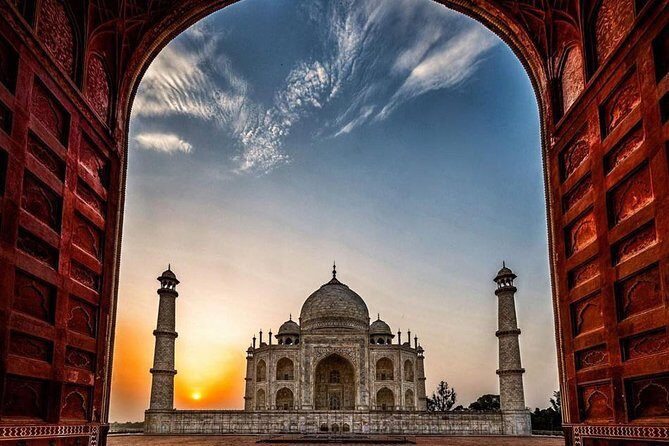
The Taj Mahal is the big one: an ivory-white marble mausoleum commissioned in 1632 by Emperor Shah Jahan for Mumtaz Mahal. It’s also the burial site of Shah Jahan. This is why the Taj doesn’t just feel like a monument. It feels like a whole story, built in stone.
In the feedback patterns I’ve seen tied to this tour, a standout theme is guide help around the Taj experience—patient pacing, strong English explanation, and practical support with photo spots and even queue management. If you get a guide like Vipin, DS, or Yusof (names that show up again and again), you’re likely to benefit from that kind of on-the-ground support.
One important cost note: Taj Mahal admission is listed as not included. That doesn’t make it a dealbreaker, but it does mean the headline price isn’t the final bill.
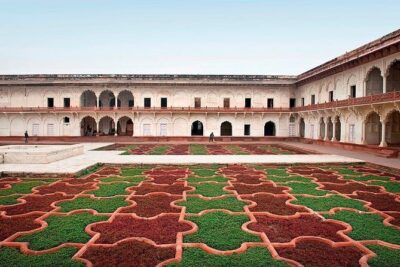
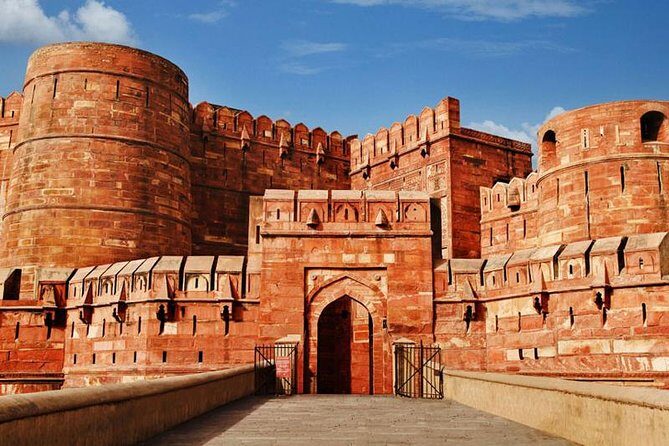
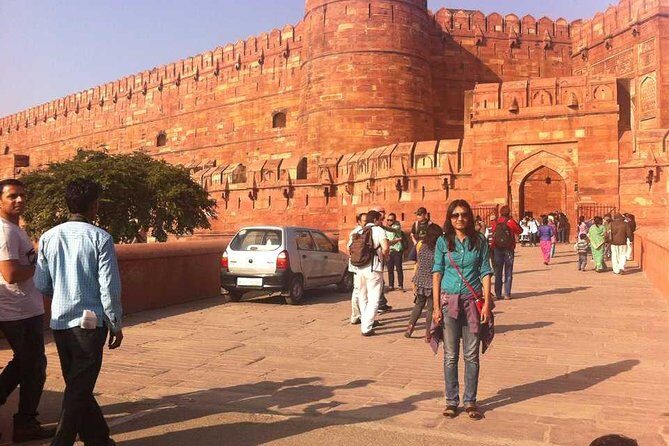
After the Taj, you move to Agra Fort, the Mughal residence until the capital shifted to Delhi. The fort was later occupied by the Marathas before British capture. Admission is listed as not included, so this is another spot where budgeting matters. I like pairing these two because the Taj is romantic and ceremonial, while Agra Fort feels political and strategic.
Hotels, transport, and the real value of paying $780
For about 6 days, you’re getting 4 nights in a 4-star hotel, breakfast, bottled water, and air-conditioned private transportation across the triangle. The tour also lists all fees and taxes as included, plus an English-speaking guide, which is a big deal when your time is limited.
Is $780 per person cheap? Not exactly. But it can be good value because you’re paying for the stuff that drains a trip when you do it independently: coordinated transfers, guided explanations, and a planned sequence across three major cities.
Where the value gets sharper: the tour includes pickup from Delhi Airport, plus a mobile ticket and group discounts are offered. Also, it’s a private tour, meaning it’s only your group—not a random crowd mixed in.
The main cost you should plan for is what’s not included. Several key monuments show admission not included, and meals aren’t included beyond breakfast. If you prefer eating as part of the sightseeing flow, build in extra money for lunch and dinner.
A small detail that helps day-to-day: water is included in the tour notes, and that’s a practical win in India. If you’ve traveled before, you already know hydration is not optional here.
Who should book this Golden Triangle tour?
This is a good fit if you want a classic route without constantly checking maps, arranging transport, and guessing how long each stop will take. You’ll appreciate the structure if you like seeing the major “musts” and still having time for context from an English guide.
It also fits families and mixed-age groups because the tour is built around multiple short-to-medium stops, not just one long day of walking. One theme in guide feedback is patience—something you’ll feel if your group moves slower.
You might want to reconsider if you hate ticket surprises. With several admissions not included, the best experience depends on your willingness to pay at select gates and your comfort with budget planning.
Should you book Golden Triangle with 707 Tours?
I think it’s worth booking if you want three famous Indian cities handled as a single plan—pickup, A/C private transport, an English guide, and 4-star hotel nights. The strongest reason to choose it is the guide quality that keeps showing up in feedback: patient explanations, strong English, and real help with photos and timing around big sights like the Taj Mahal and Agra Fort.
Book it if you’re okay with added monument fees and you’ll grab lunch on your own. That flexibility turns the tour into a smooth overview with smart pacing.
If you want a strictly “pay one price and everything is covered” trip, then look elsewhere. This one shines on convenience and guidance, not total cost control at every gate.
FAQ
Is pickup included?
Yes. The tour notes say your company representative will pick you up from Delhi Airport and transfer you to the hotel.
How long is the Golden Triangle tour?
The duration is listed as 6 days (approx.).
What’s included in the price?
Included items listed are an air-conditioned vehicle, private transportation, breakfast, bottled water, all fees and taxes, 4 night accommodation in a 4* hotel, and an English-speaking guide.
Are meals included besides breakfast?
No. Meals are listed as not included, but breakfast is included.
Do I have to pay monument entry fees?
Some sights list admission ticket not included (for example Qutb Minar, Hawa Mahal, City Palace, Albert Hall Museum, Jantar Mantar, Taj Mahal, and Agra Fort). Other stops list admission ticket free. You should plan for extra payments at sites marked not included.
Are hotels included?
Yes. The tour includes 4 nights of accommodation in a 4-star hotel.
Is it a private tour?
Yes. The tour is described as private, with only your group participating.
Will I get a guide who speaks English?
Yes. The tour includes an English-speaking guide.
How do tickets work?
The tour includes a mobile ticket.
What is the cancellation window?
The tour notes say free cancellation is available if you cancel up to 24 hours in advance for a full refund.