REVIEW · ANJUNA
Goa Street Food Crawl: Authentic Food Tasting Experience
Book on GetYourGuide →Operated by Yo Tours · Bookable on GetYourGuide
Goa street food tastes best on foot. This Panjim crawl strings together real stalls, old streets, and local food stories in just two hours.
I like the simple format: you get six classic Goan tastings plus a beverage, so you leave with your stomach full and your questions answered. The guide-led walk in the Panjim neighborhood also adds context, and names like Shimada (and sometimes Vrushali) pop up for friendly explanations and dish-origin chatter.
One drawback to plan for: it’s a walking tour in all weather, so you’ll want comfortable shoes and a flexible mindset if the day is hot or showery.
In This Review
- Key highlights you should know
- Entering Panjim through food, not a checklist
- Why a Panjim walking route beats random restaurant hopping
- Starting at Immaculate Conception Church: the neighborhood tone-setter
- Your six tastings: Goan classics you can actually name later
- Food prep you can see: how the flavors get built
- Portuguese lanes and local trivia: learning that doesn’t feel like homework
- Stop-by-stop flow: how the walking and eating actually works
- End point at Kala Academy: turning dinner plans into an easy next step
- Price and value: why $28 can work in Goa (or not)
- Who the guide makes this tour (and why names matter)
- Practical tips so you enjoy every stop
- Accessibility, group size, and how to plan your day
- Who should book this Goa street food crawl
- Should you book this Goa street food crawl?
- FAQ
- What’s the duration of the Goa Street Food Crawl?
- How much does the Goa Street Food Crawl cost?
- Where do I meet the guide?
- What’s included in the price?
- What food will I taste?
- Is the tour suitable for veg and non-veg preferences?
- Is hotel pickup included?
- Does the tour run in bad weather?
Key highlights you should know
- Six tastings in one guided loop so you’re sampling more than you’d manage on your own
- Panjim Church-area start with stepped streets, Portuguese-influenced lanes, and centuries-old buildings
- Xacuti curry, peda, cucumber mint juice, and multiple chaat-style bites on the menu
- Watch-and-learn food prep so you understand how the flavors get built
- Trusted partner stalls and rustic eateries locals rely on for everyday comfort food
- Private group with an English/Hindi guide, plus wheelchair accessibility
Entering Panjim through food, not a checklist
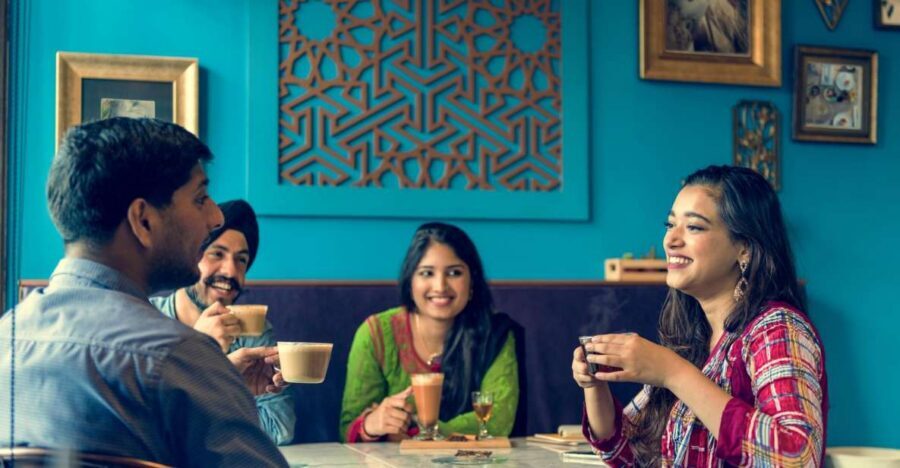
If you only have a short window in Goa, a street food crawl makes practical sense. You’re not hunting menus, translating spice levels, or second-guessing where the locals eat. You also get to walk the neighborhood that shaped the flavors.
This experience is built around Panjim and a guided route that starts at Immaculate Conception Church and ends at Kala Academy. Along the way, you’ll sample street snacks in several stops, with a guide who ties dishes to culture, traditions, and local trivia.
The big win is that you’re eating as you learn. Goa’s food has influences that show up in ingredients, cooking styles, and even the way people describe flavors. The tour is designed to connect those dots while you’re actually tasting.
You can also read our reviews of more tours and experiences in Anjuna.

Why a Panjim walking route beats random restaurant hopping

A lot of food tours fail because they turn into a jump-and-grab. This one keeps you walking through stepped streets and lanes where architecture and history are visible. You’re still sampling street food, but the route helps the day feel like part of the place, not just a food stop.
Panjim is also compact enough that a 2-hour walk won’t feel like a marathon. You do need to be comfortable on your feet, because the tour involves moderate walking and you’ll move between several eateries/stalls.
The tour runs in all weather conditions, which matters in Goa. If you’re someone who hates rain or heat, bring the attitude that you can slow down at each stop, sip your drink, and keep going.
Starting at Immaculate Conception Church: the neighborhood tone-setter
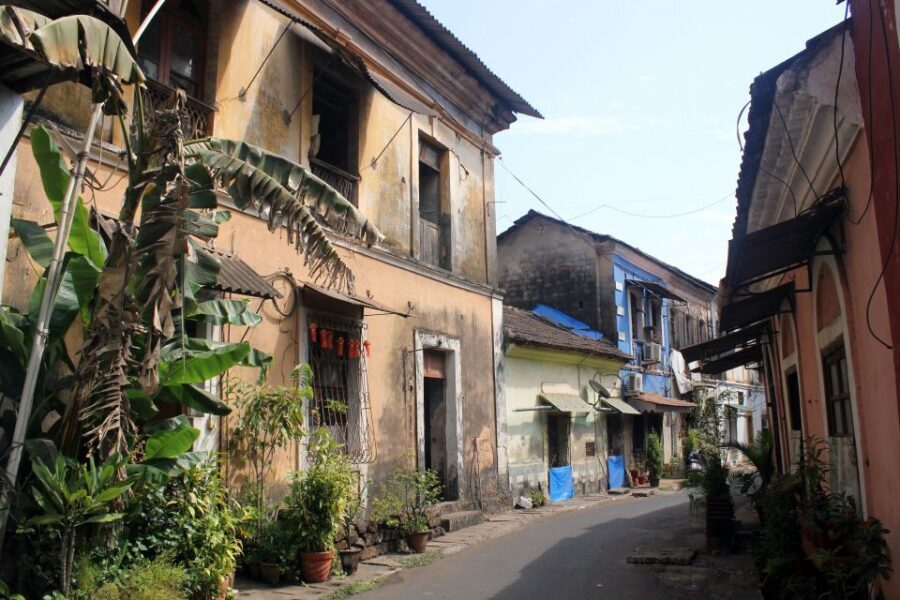
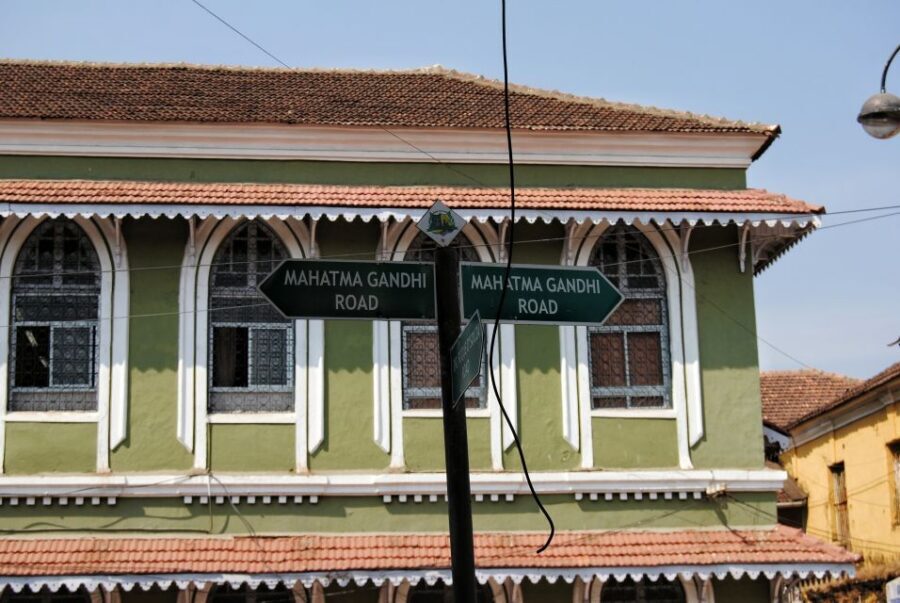
You’ll meet the guide at the stairs of Our Lady of Immaculate Conception Church in Panjim. That’s a useful start point because it anchors you right in the city’s older core, where Portuguese-influenced lanes and historic buildings are part of the scenery.
From there, the walk takes you past charming cafés and market areas, then into streets lined with old-world details. Even if you don’t care about architecture, it helps you understand why certain dishes feel so linked to everyday life here.
This is also when your guide sets expectations about what you’ll taste and what to look for. If you like explanations that make food easier to remember, you’ll appreciate this early context.
Your six tastings: Goan classics you can actually name later
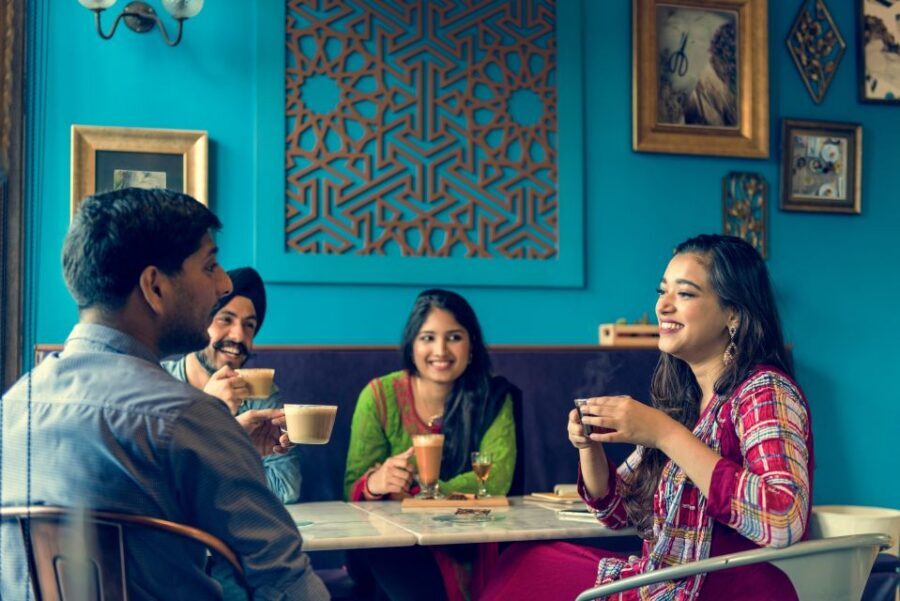
You’ll enjoy six classic and authentic Goan delicacies, plus a beverage. The specific order of foods can shift based on what’s available, but the tasting list is clearly the kind of food you want when you’re serious about Goa.
Here are the items you should expect to see in the tasting lineup:
- Xacuti curry: a signature Goan flavor profile that people associate with spice-and-coconut style cooking
- Sweet peda: a classic Indian sweet that’s simple, comforting, and easy to compare bite to bite
- Cucumber mint juice: a cooling break that helps after spicier items
- Multiple chaat-style and cutlet options: snackable street bites that hit different textures
- Other Goan street favorites included across the six stops
What I like about this menu is the balance. You’re not only doing spicy curry-heavy sampling. You get sweets and cooling drinks, plus snack bites that reflect how Goans actually eat between meals.
Also, because the tour includes multiple stops, you’re more likely to try different cooking styles. One stop might emphasize sauces and spice blends, another might focus on snack form—crispy outside, soft inside, with toppings that change the flavor fast.
Food prep you can see: how the flavors get built
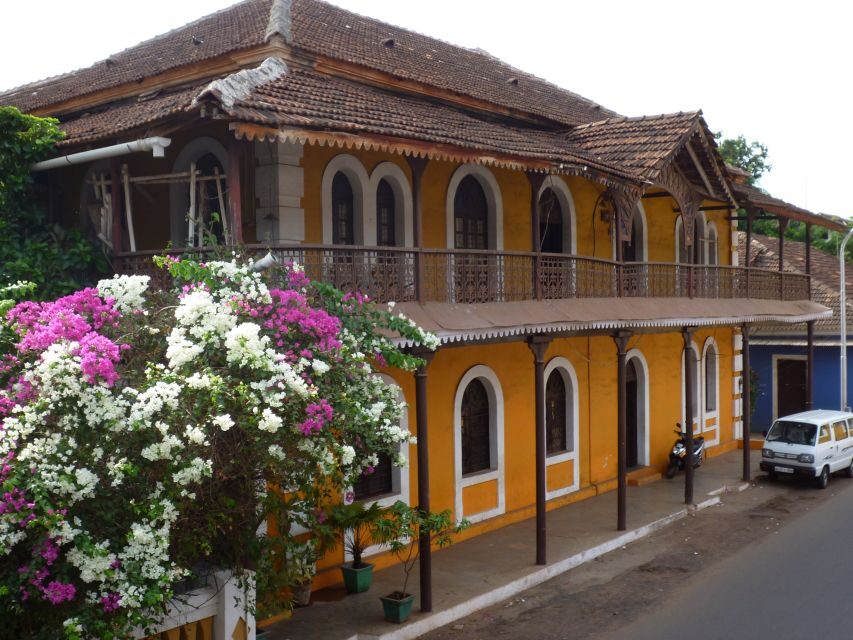
This crawl isn’t just tastings placed on your tongue. You also get to watch how local favorites are prepared. That small change matters because it turns what could be a blur of flavors into something you can explain later.
The guide discussion often includes how ingredients like spices and coconut contribute to taste. In the stories shared on this kind of tour, you’ll hear about Portuguese influence too, which helps explain why some Goan dishes feel like they have a longer “story” than just a modern recipe.
Even if you don’t become a home cook overnight, you’ll start tasting with more awareness. You’ll notice which bites are built on heat, which are built on sweetness, and which get their character from spice blends and coconut-based richness.
Portuguese lanes and local trivia: learning that doesn’t feel like homework
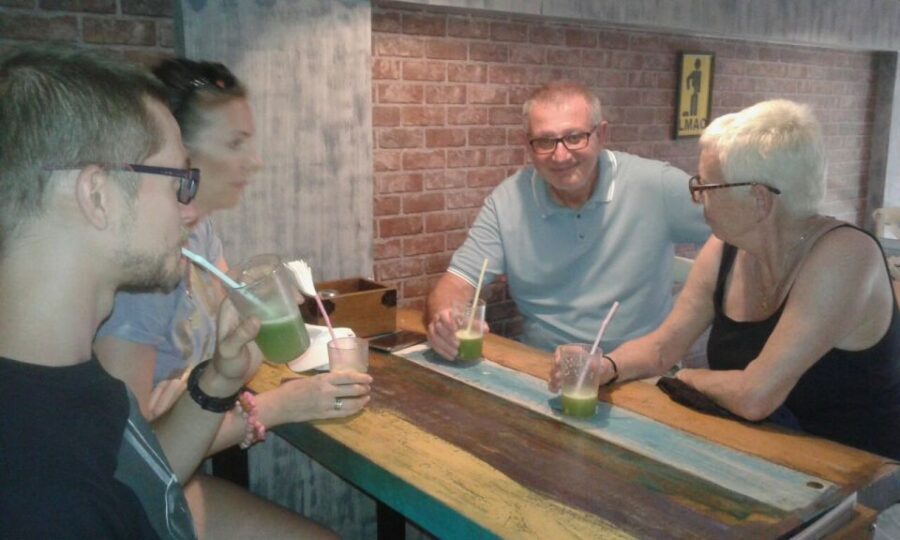
One of the most praised parts of this experience is the guide’s conversation. The best guides don’t recite facts like a brochure. They use dish origins, town history, and everyday eating habits to make the flavors click.
You’ll walk through lanes with Portuguese influence and see centuries-old buildings as you go. Then the guide connects those visuals to what you’re eating—how cultural mixing shaped the food scene in Goa.
You’ll also hear local trivia and stories about Goan food culture. Topics that can come up include everything from Goan chorizo-style background to bechina (a food concept you’ll hear referenced in Goa). Even when the conversation veers into unusual details, it usually ties back to how locals think about ingredients, price, and what’s worth ordering.
If you like talking food while you eat it, this is a strong match. If you want a quiet tour with minimal talking, you might still get value, but you’ll need to enjoy guided conversation.
Stop-by-stop flow: how the walking and eating actually works
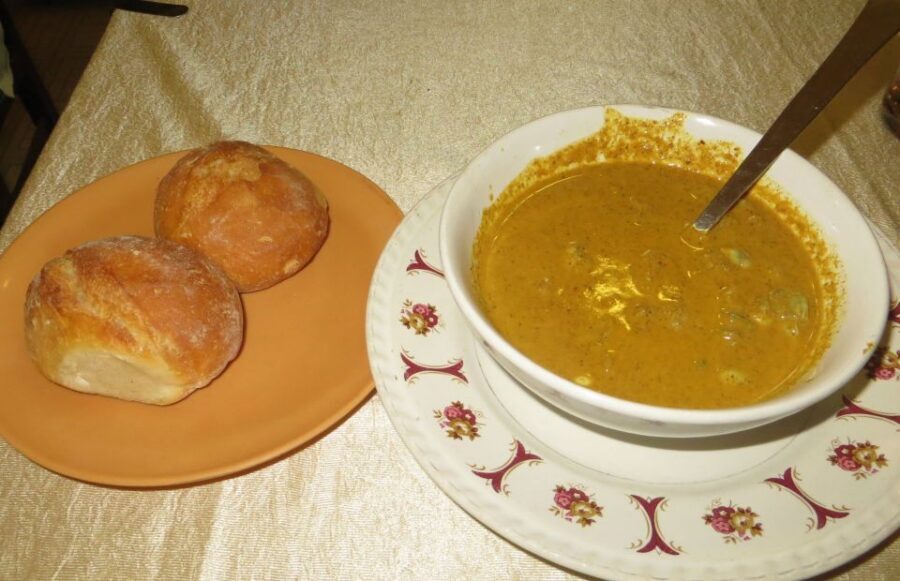
The day is set up as a sequence of short walks and tastings, rather than one long meal. You’ll start at Immaculate Conception Church, then move through a series of local restaurant and street-food stops, with guided walking throughout.
Here’s how the rhythm feels:
- Start at the church area and begin walking through the neighborhood
- First street-food stop: you’ll get your first taste and begin learning what to look for
- Second stop with guided context: your guide explains more about Goa’s food traditions
- Further restaurant tastings where you’ll eat several of the six items, with extra attention to preparation and flavor building
- Finish at Kala Academy, so you end in a cultural landmark rather than back at the start
What’s practical here is pacing. You’re not rushing from one bite to another. Each stop gives you time to taste, ask questions, and reset before the next walk.
One consideration: since tastings are spread out, you should come with a real appetite. If you’ve already had a big breakfast, you may find the six tastings harder to enjoy. A smaller breakfast—or none—is often the smarter move.
End point at Kala Academy: turning dinner plans into an easy next step
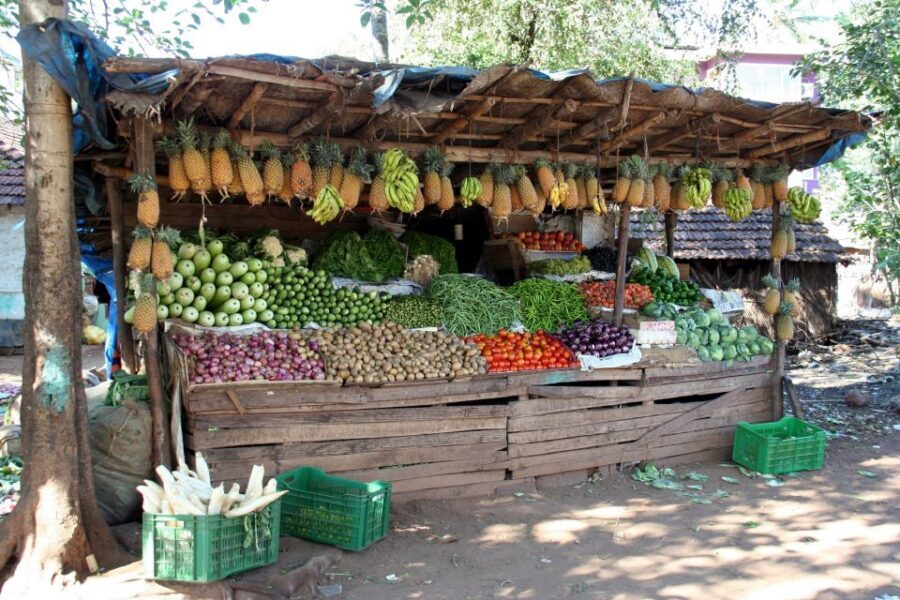
Finishing at Kala Academy is helpful because it gives your day a clean wrap-up. You’re not wandering in circles trying to figure out what’s nearby. From here, you can plan your next meal or sightseeing with less stress.
It also makes the tour feel like part of a larger evening in Panjim. Even if you don’t do a full night out, ending near a known cultural spot can help you orient quickly after your last tasting.
Price and value: why $28 can work in Goa (or not)
The price is $28 per person for a 2-hour experience with a professional guide, 6 food tastings, and a beverage. No hotel pickup is included, so you’ll need to handle your own way to the meeting point.
Is it a deal? For most people, it is, because you’re paying for three things at once: local guidance, multiple tastings across several stalls, and access to places you might not pick confidently on your own.
You’re also buying time. Trying to do six different Goan snacks independently in unfamiliar streets can take longer than you think. In a short visit, a guided loop can help you taste more and stress less.
The only time it may feel less worth it is if you already know exactly where you want to eat and you’re comfortable ordering without help. But if you want the full Panjim food-culture package, the structure supports that goal.
Who the guide makes this tour (and why names matter)
This crawl leans hard on the guide. The guide is the one translating what you’re eating and why it matters.
In the examples of guides associated with the experience, Shimada is mentioned for being friendly, welcoming, and organized, with strong conversation and dish-origin explanations. There’s also mention that some guides will adapt to your preferences, including veg and non-veg tastes, which can matter if your group has different appetites.
Another name you might see is Vrushali, praised for covering Goan food and broader Indian culture context. That kind of guidance is what turns street food into a story you remember.
If you care most about the eating itself, you’ll still get value. But if you also want the how-and-why behind the flavors, you’ll feel the difference immediately.
Practical tips so you enjoy every stop
This one is simple, but there are a few small choices that change your experience a lot.
- Wear comfortable shoes. The route is a walking tour with moderate walking
- Come with an appetite. You’re eating six items plus a beverage
- Expect all weather conditions. Plan a light layer or rain option so you don’t spend the walk uncomfortable
- Be ready for spice variety. Goa street food can run from mild to punchy, and the guide can help you navigate
If you’re traveling with someone who gets heat-sensitive, it’s worth paying attention early in the tasting. The drink (like cucumber mint) can help reset your palate between stronger bites.
And if you’re the type who hates wasting food, aim for pacing. Eat what’s in front of you, then slow down during the guided explanation.
Accessibility, group size, and how to plan your day
This tour is set up as a private group experience, with a guide who speaks English and Hindi. It’s also wheelchair accessible, which is a big practical plus for Panjim where not every street is equally easy for mobility.
Because hotel pickup and drop-off aren’t included, you should plan to arrive at the meeting point on your own. That’s usually fine, since Panjim is easy to navigate once you’re oriented—but it’s still an extra step.
Duration is 2 hours with walking, so treat it like a real activity slot. You can fit it around a morning or early afternoon, then continue with sightseeing later.
Who should book this Goa street food crawl
You’ll likely love it if you want:
- Authentic Goan street food with a guide who explains what you’re eating
- A short walking tour through Panjim that covers food culture, not just restaurant names
- To try signature dishes like Xacuti curry and peda without doing the research yourself
- A relaxed way to learn how Portuguese influence shows up in the local food story
You might skip it if:
- You don’t want to walk at all, or you struggle with moderate walking
- You’re expecting one big sit-down meal instead of multiple snack-style tastings
- You were hoping for hotel pickup and a door-to-door experience
Should you book this Goa street food crawl?
If you like eating your way through a neighborhood, this is a smart pick. The structure is built for value: six tastings, a beverage, and guide-led context in a focused two-hour loop across Panjim.
Book it if you want to feel confident ordering Goan food later, because the guide’s stories and prep details help you understand the flavors, not just sample them. Skip it if walking in all weather sounds like misery, or if you’re already set on a self-guided food plan and don’t need the guidance.
If you’re still deciding, ask yourself one question: do you want Goan street food as an experience with context, or do you just want random bites? This tour leans toward the first option, and it does that well.
FAQ
What’s the duration of the Goa Street Food Crawl?
The tour lasts 2 hours, and you can check availability to see starting times.
How much does the Goa Street Food Crawl cost?
The price is $28 per person.
Where do I meet the guide?
The guide meets you at the stairs of Our Lady of Immaculate Conception Church, Panjim Goa.
What’s included in the price?
The experience includes a professional guide (English and Hindi), 6 food tastings, and a beverage.
What food will I taste?
You’ll enjoy six classic and authentic Goan delicacies, including items like Xacuti curry, sweet peda, cucumber mint juice, and different types of chaat and cutlets.
Is the tour suitable for veg and non-veg preferences?
The guide can cater to preferences, including both veg and non-veg, based on how groups have been handled.
Is hotel pickup included?
No, hotel pickup and drop-off are not included.
Does the tour run in bad weather?
Yes. The tour operates in all weather conditions, so you should dress for the day and expect to walk.