REVIEW · SARNATH
From Varanasi: Sarnath Half-Day Tour
Book on GetYourGuide →Operated by Diva Destination Management Services · Bookable on GetYourGuide
Sarnath is where Buddhism first turned into teachings. In a short 4-hour private outing from Varanasi, you get a guided walk through the key sacred spots and you also learn what Dharma is supposed to change in real life. What I like most is the mix of temple stops plus a museum that actually explains Buddhist art and symbols instead of rushing past them.
Two things stand out for me: the temple circuit that includes Sarang Nath (the deer-lord shrine tied to Shiva) and the chance to see Buddhist communities represented by the Japanese and Chinese temples. The one drawback to consider is that the day can feel hurried if the guide is more focused on getting you through stops, and you should expect that some entrance costs may be handled separately during the tour.
In This Review
- Key Highlights Worth Planning For
- Why Sarnath Feels Like a Thought, Not Just a Place
- The 30-Minute Ride and How Private Pickup Affects Your Day
- Inside the Sarnath Grounds: A Guided Walk With Meaning
- Sarang Nath and the Deer-Lord Detail You’ll Actually Remember
- Japanese and Chinese Temples: How Buddhism Looks Across Borders
- Mulagandha Kuti Vihar: A More Reflective Stop
- The Sarnath Museum: Buddhist Art and Sculpture in Plain Sight
- Price and What It Really Covers for $35
- Timing, Comfort, and Small Rules That Matter
- How Guide Quality Changes the Whole Experience
- Should You Book the Varanasi to Sarnath Half-Day Tour?
- FAQ
- How long is the Varanasi to Sarnath half-day tour?
- Is hotel pickup and drop-off included?
- What languages are the guides available in?
- Is the entrance fee included?
- What happens during the Sarnath part of the tour?
- Are there restrictions on alcohol or group type?
Key Highlights Worth Planning For
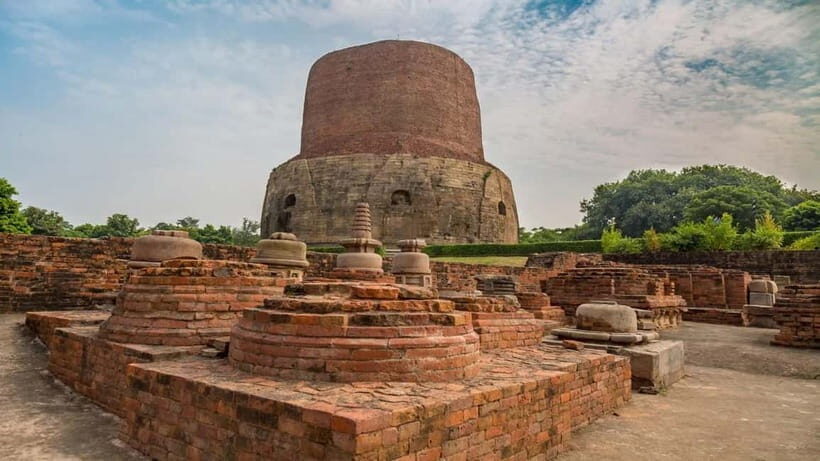
- Sarang Nath and the deer-lord detail: you’ll learn why this shrine is named the way it is, and what to look for while you’re there
- Japanese and Chinese temples: a quick snapshot of how Buddhism traveled and adapted across borders
- Mulagandha Kuti Vihar monastery: a calmer, more devotional stop within the Sarnath grounds
- Sarnath Museum in a tight window: Buddhist art and sculpture explained so it clicks fast
- Private hotel pickup and drop-off: you choose the start point among the provided options, and your vehicle stays just for you
Why Sarnath Feels Like a Thought, Not Just a Place
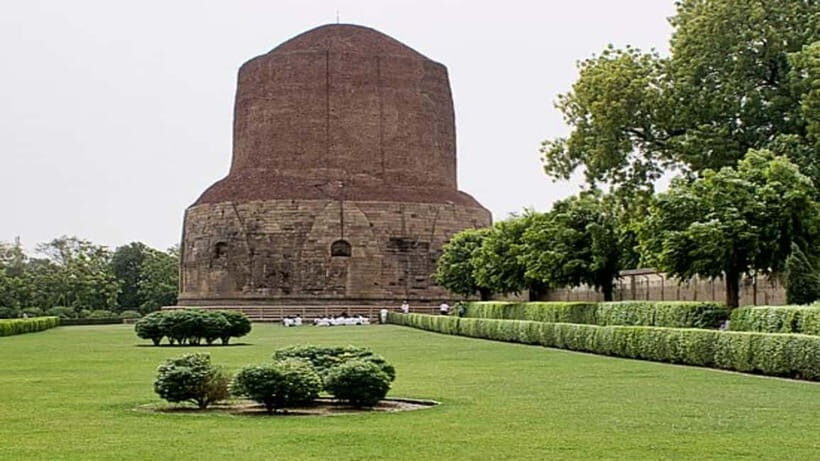
Sarnath sits just outside Varanasi, close enough for a half-day trip but different enough to reset your mindset. This is one of Buddhism’s four holy cities, and it’s tied to the moment Buddha first taught the core ideas of Dharma around 2,500 years ago. You feel that “beginning” energy in the layout: paths between temples, places meant for walking and looking, and spaces where people come to reflect.
I love that this tour doesn’t treat Sarnath like a photo stop only. You’re guided through what you’re seeing, so you understand why certain shrines matter and what the symbols point to. And when you’re done outside, you shift indoors to a museum where Buddhist art and sculpture help you connect the dots.
One practical note: dress and behavior matter here. You’ll be moving through active religious sites, so plan on covering up as needed and treating the walk as a respectful visit, not a sight-seeing sprint. Comfortable shoes are a must.
You can also read our reviews of more tours and experiences in Sarnath.
The 30-Minute Ride and How Private Pickup Affects Your Day
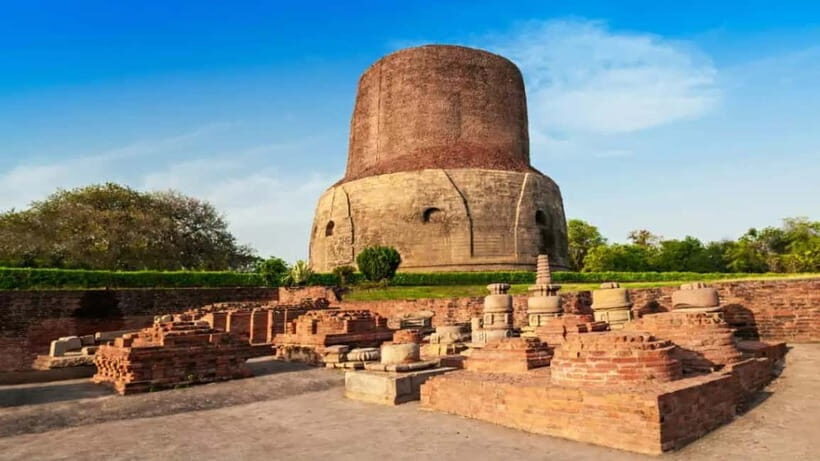
The schedule is built around convenience. You’re picked up from your hotel and taken by private vehicle to Sarnath, which is less than 10 miles (about 15 km) from Varanasi. The drive is around 30 minutes, so you’re not spending the whole trip stuck in traffic before you even reach the main grounds.
You also avoid the hassle of meeting other groups in a crowd. This is a private group experience, and the ride is just for you, which usually makes it easier to manage timing and questions. Your pickup and drop-off options include Madin Hotel, Sarnath and Rivatas By Ideal (plus another labeled option also listed as a pickup point). If you’re staying elsewhere, double-check which meeting point matches your hotel area.
Be ready for one reality: pickup timing can make or break a short half-day. If your driver is delayed, you lose minutes you can’t easily get back. The good side is that once you’re moving, the plan is straightforward and centered on Sarnath itself.
Inside the Sarnath Grounds: A Guided Walk With Meaning
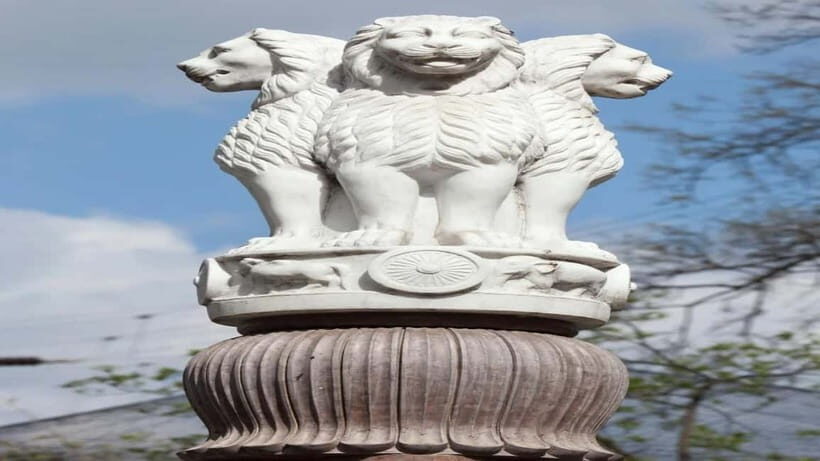
Most of your time is spent in the main Sarnath area on a guided circuit of key temples. Expect a guided visit and sightseeing with about 2 hours for this part, including some walking and photo stops. This is where the tour earns its value: the guide isn’t just pointing at buildings; they’re giving you context so the complex feels readable.
Here’s what you can look forward to while you’re walking:
- You’ll visit important sites within the Sarnath complex, including Sarang Nath.
- You’ll learn the reasoning behind names and traditions, such as why Sarang Nath is linked to Shiva and the meaning behind Lord of the deer.
- You’ll get direction on what to notice in religious architecture so your eyes don’t just skim.
The Sarnath experience can be crowded in general, but a private guide usually helps you pace the walk. Still, I’d plan your energy like a temple tour, not like a museum day. You’ll be looking closely, taking breaks where it makes sense, and walking enough that good shoes matter.
The one consideration: if the guide keeps pushing speed over explanations, the experience can feel like you’re being moved through rather than guided through. If you care about learning, arrive ready with questions and ask for a slower pace when you can.
Sarang Nath and the Deer-Lord Detail You’ll Actually Remember
Sarang Nath is the stop most likely to stick in your mind after the tour. The shrine is dedicated to Shiva, and the name carries a specific meaning: it translates toward Lord of the deer. Your guide should explain why that connection matters and what it adds to the site.
I like this kind of detail because it gives you a hook. Without it, you can see a shrine and admire it. With it, you start noticing how cultures overlap and how legends live inside places. Sarnath is often described as a Buddhist destination, but the ground also shows broader religious layers that shaped the area over time.
At this shrine, keep your camera handy but don’t forget to look around first. Watch how devotees and visitors move, where people pause, and how the space is used. That’s where the visit stops being just architecture and becomes a living religious scene.
Japanese and Chinese Temples: How Buddhism Looks Across Borders
A special part of this tour is the inclusion of the Japanese and Chinese temples within the Sarnath area. This isn’t only a change in decor. It’s a quick, visible reminder that Buddhism didn’t stay locked to one region. Over centuries, communities reproduced their traditions here, adapting art and style while keeping core beliefs.
When you see these temples, try to focus on what’s different and what’s similar. Even when the design language changes, the purpose is familiar: a place to offer respect, learn, and practice. A good guide will point out the kinds of symbols and artistic choices that make each tradition recognizable.
This is also where you get a more human feel for the religion. You’re not just reading about Buddhism somewhere far away in a book. You’re standing in a place where multiple cultural expressions of the faith can exist side by side—on the same sacred ground.
Mulagandha Kuti Vihar: A More Reflective Stop
Mulagandha Kuti Vihar monastery is one of the key stops during your half-day. Monasteries tend to feel different from bigger temple halls because they’re often closer to devotional routine and quiet contemplation. That makes this part of the tour a good breathing space after the busier walking segments.
You’ll be moving through the monastery area as part of the guided Sarnath circuit, with time carved out so you can actually see and absorb. It’s a great place to slow down, put the phone away for a minute, and let the atmosphere do some work.
If you’re the type who likes to understand how places are used, watch how people behave here. Even without a long lecture, you’ll pick up the feeling of a space meant for practice rather than performance.
The Sarnath Museum: Buddhist Art and Sculpture in Plain Sight
After the temple time, you shift to the Sarnath Museum for about 30 minutes. This short window is both a plus and a limitation. It’s a plus because it keeps the half-day on track. It’s a limitation because you need to decide quickly what you want to focus on.
Still, the museum is a highlight for a reason: you’re shown an excellent collection of Buddhist art and sculpture, and the tour includes guided context. When symbols and forms are explained, sculpture and carvings start making sense fast. Instead of walking past details, you learn what specific imagery represents and why it was made.
One practical thing to plan for: entrance costs may not be included in the base price. In at least one booking, the museum ticket was collected separately by the guide, with a reported total of 555 rupees for two people. That doesn’t mean your costs will be identical, but it does mean you should budget for museum entry beyond the tour price.
If you care about art, arrive ready to look carefully in a short time. A quick museum visit works best when you’re not expecting hours of reading.
Price and What It Really Covers for $35
At about $35 per person for a half-day private tour, the value comes from three practical pieces: hotel pickup/drop-off, private transportation, and a guided visit of the Sarnath grounds. If you would otherwise spend time arranging local transport or joining a less organized group, this format saves effort.
What the price does not cover is important. Entrance fees are not included, and food and drinks are also not included. So you should think of the base cost as paying for the vehicle and the guide’s time, plus the guided walking through the religious sites. Your wallet should handle any separate ticket charges while you’re there.
Also watch for day-shape changes. In one reported experience, a separate museum ticket was handled through the guide and cost more than expected based on official pricing. In another reported experience, the guide visit felt rushed and the schedule included a stop at a textile workshop that felt sales-focused.
That doesn’t mean every tour will play out the same, but it does point to your best strategy: confirm what stops are included on your departure and ask where extra charges come in. If you want a pure Sarnath day, ask for a schedule that sticks to the temples and museum.
Timing, Comfort, and Small Rules That Matter
This tour runs about 4 hours total, with the longest block in the Sarnath grounds and then a shorter museum stop. That timing is ideal if you want the highlights without committing a full day to driving and wandering. It’s also why logistics matter: delays in pickup can shrink your time on-site quickly.
Bring a camera because photo stops are part of the plan. Also, bring a bit of patience. Religious sites have their own rhythm and rules, and the guide will keep you moving through spaces where respectful behavior is expected.
There are also clear restrictions. Alcohol and drugs are not allowed, and alcoholic drinks in the vehicle are prohibited. Bachelor and bachelorette groups are also not accepted. If you’re traveling with friends, keep the vibe low-key.
Finally, dress for walking and sun. The tour recommends comfortable shoes and checking the weather forecast. You’ll be walking around temple grounds, and you’ll want your feet happy by the end.
How Guide Quality Changes the Whole Experience
This is a tour where the guide’s style can strongly affect your satisfaction. When the guide is calm and gives clear explanations, the temples stop feeling like background scenery. In one highly rated experience, the guide took time, explained clearly, and kept the pace relaxed. That’s exactly what you want in a place that deserves attention.
When the guide is more focused on finishing quickly, it can feel like you’re being herded through Sarnath. If you’re the kind of traveler who likes learning the meaning behind places, ask for more explanation at your first stop. You can politely steer the pace without turning it into a debate.
Language options are available too: English, French, Spanish, and Italian. If you’re not fluent in English, picking the right language can help you get more out of the explanations.
Should You Book the Varanasi to Sarnath Half-Day Tour?
I’d book this tour if you want a tight, guided introduction to Sarnath without spending time arranging transport or figuring out which temples matter. It’s a solid value for a private visit, especially because it combines temple time with a museum stop.
I’d think twice if you’re very sensitive to timing and schedule changes. Short tours leave little buffer, and reported experiences include issues like pickup delays and a pace that can feel rushed. If museum entrance fees are a concern for you, plan for extra costs and confirm how ticketing will be handled.
If your ideal day is Sarnath temples plus Buddhist art, with a guide who explains rather than just points, this is a good match. If you want a fully flexible day with long stays at each site, you may prefer a longer private itinerary. For most visitors doing Varanasi as a base, this half-day format hits a practical sweet spot.
FAQ
How long is the Varanasi to Sarnath half-day tour?
It lasts about 4 hours total.
Is hotel pickup and drop-off included?
Yes. You’ll be picked up and dropped off at the listed hotel options.
What languages are the guides available in?
The live tour guide is available in English, French, Spanish, and Italian.
Is the entrance fee included?
No. Entrance fees are not included, including for the museum.
What happens during the Sarnath part of the tour?
You’ll have a guided tour and sightseeing of the Sarnath area, including major temples and a walk of about 2 hours, plus photo stops.
Are there restrictions on alcohol or group type?
Alcohol and drugs are not allowed, and alcoholic drinks are prohibited in the vehicle. Bachelor and bachelorette party groups are also not allowed.