REVIEW · NEW DELHI
From Delhi: 3-Days Golden Triangle with Fatehpur Sikri
Book on GetYourGuide →Operated by Sameday Taj Mahal · Bookable on GetYourGuide
First off, sunrise at the Taj Mahal changes everything. This 3-day Golden Triangle ride is built for efficiency, yet it still hits the big emotional notes: Taj Mahal sunrise and a guided Fatehpur Sikri that feels strangely alive. You’ll also get a private, air-conditioned car so you’re not burning your day swapping buses and timing taxis.
Two things I really like: the setup aims to reduce waiting time at major monuments, and the guidance is consistently strong. In particular, guides like Satyam, Azhar, Ali, and GG are repeatedly praised for explaining what you’re seeing and answering questions clearly, including in English and Spanish. That makes the trip feel less like checkboxes and more like understanding why these places look the way they do.
One possible drawback to consider is personal comfort and punctuality. In one case, the guide arrived late and didn’t apologize, and the same account mentioned uncomfortable habits (coughing/burping without covering). That won’t be your experience every time, but it’s worth keeping in mind when you’re booking a tight, early-morning schedule.
In This Review
- Key highlights worth planning for
- 3 Days That Actually Work: Delhi, Agra, Jaipur Without the Chaos
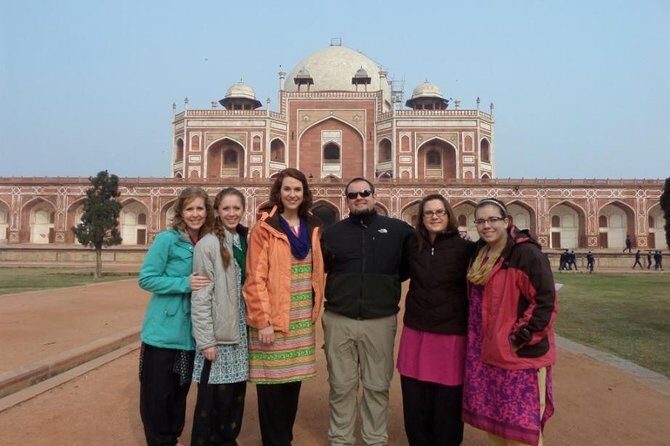
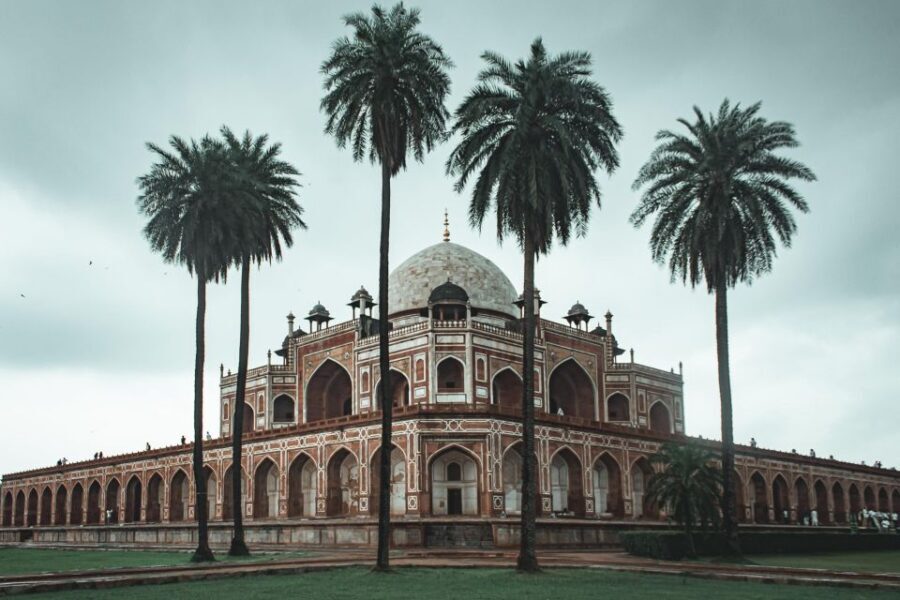
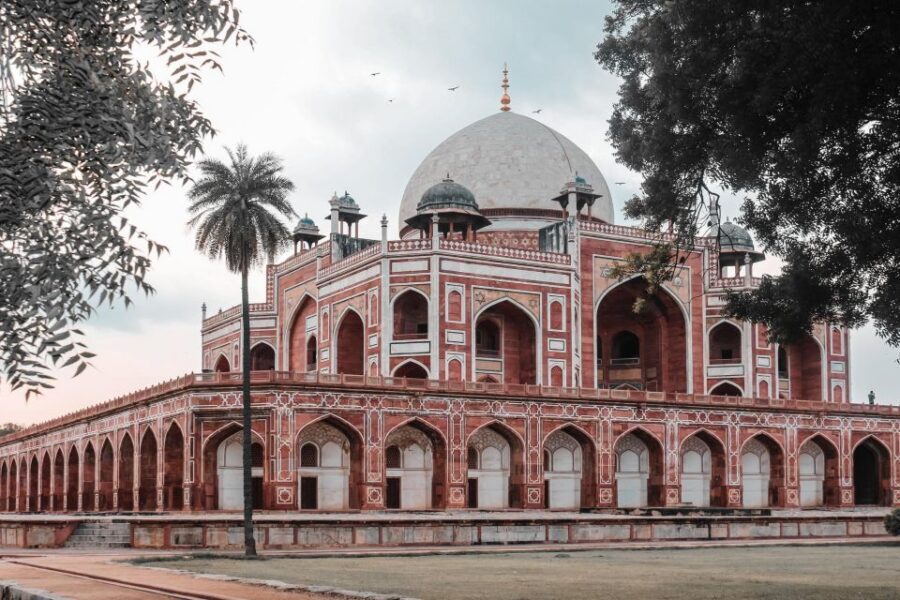
- Day 1 in Delhi: Qutub Minar, Humayun’s Tomb, Jama Masjid, and Photo Stops
- Taj Mahal Sunrise Day: How This Trip Uses Early Timing
- Agra Fort and the Taj Connection: Why the Combo Feels Like a Story
- Fatehpur Sikri: The Mughal Ghost City Stop You’ll Remember
- Abhaneri and Chand Baori: Stepwell Geometry With Real Charm
- Jaipur Day: Amber Fort, City Palace, Jantar Mantar, and Hawa Mahal
- Private Guides Who Can Actually Answer Questions
- Price and Value Around $65: What You’re Really Paying For
- Getting the Timing Right: Sunrise Starts and Long Drive Days
- Where You’ll Sleep: Twin-Sharing Rooms and How Group Sizes Work
- Should You Book This 3-Day Delhi–Agra–Jaipur Tour?
- FAQ
- How long is the Delhi to Agra to Jaipur tour?
- What does the tour include for transportation?
- Are English and Spanish guides available?
- Does the tour help with skipping lines?
- Are monument entrance fees included?
- Is accommodation included?
- Do I get bottled water during the trip?
- What’s the room setup if accommodation is booked?
- What’s the cancellation policy?
- Is pickup available if I don’t book a hotel through the tour?
Key highlights worth planning for
- Taj Mahal at sunrise: You’re going early, when the light is soft and the experience feels quieter.
- Separate-entrance skip-the-line access: You still feel the magic, but you spend less time stuck.
- Fatehpur Sikri with expert guidance: You’ll hear the stories behind Buland Darwaza, Diwan-i-Khas, and Salim Chishti.
- Chand Baori and Panna Meena ka Kund stepwells: Big, geometric photo spots with real architectural intrigue.
- Jaipur’s major landmarks in one sweep: Amber Fort, City Palace, Jantar Mantar, and Hawa Mahal all fit.
- Private transport with hotel/airport pickup and drop-off: Fewer logistics headaches, more daylight sightseeing.
3 Days That Actually Work: Delhi, Agra, Jaipur Without the Chaos
Golden Triangle routes can turn into a blur if you’re not careful. Here, the core idea is simple: cover the major sites efficiently with a private A/C car and guided explanations where it counts. That matters because the days are long—sightseeing between Delhi, Agra, and Jaipur only feels fun if transportation is handled cleanly.
You’re also not stuck with random timing. The order is built around the day flow: Delhi sightseeing first, then Agra with a sunrise Taj Mahal, then Fatehpur Sikri and Abhaneri en route to Jaipur, finishing with Jaipur landmarks before driving back. It’s a good match for first-timers who want the highlights without turning the trip into an endurance test.
You can also read our reviews of more tours and experiences in New Delhi.



Day 1 in Delhi: Qutub Minar, Humayun’s Tomb, Jama Masjid, and Photo Stops
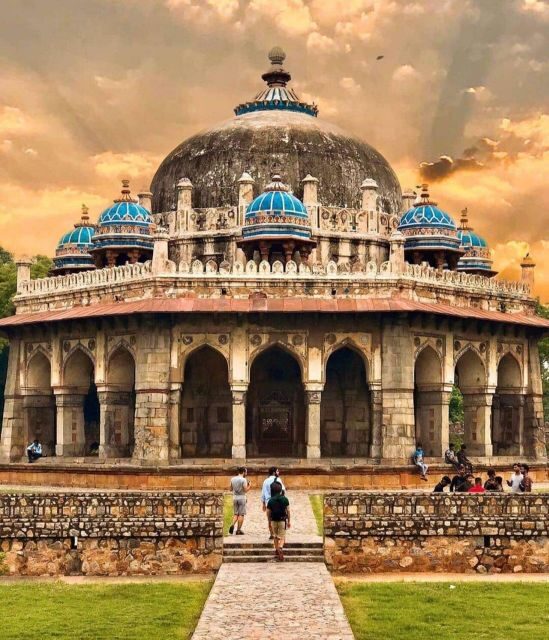
Delhi day one mixes Mughal-era grandeur with iconic Delhi landmarks, and it does it at a pace that stays realistic. You start with major sights like Qutub Minar and Humayun’s Tomb, then you roll into modern icons such as the Lotus Temple. It’s a useful combination because it shows Delhi as more than one era.
From there, the itinerary leans into the classic city-center hits: India Gate, Raj Ghat, and Jama Masjid. If you love architecture and urban scale, you’ll appreciate how different each stop feels—Qutub Minar’s towering presence contrasts with the mass of Jama Masjid’s courtyard.
The day also includes a drive-past of Rashtrapati Bhavan and a photo stop at the Red Fort exterior. That matters because it keeps you from spending half a day trying to squeeze in “one more monument.” If you have time, you may also be able to visit Akshardham Temple, which adds a different style of impressive.
Taj Mahal Sunrise Day: How This Trip Uses Early Timing
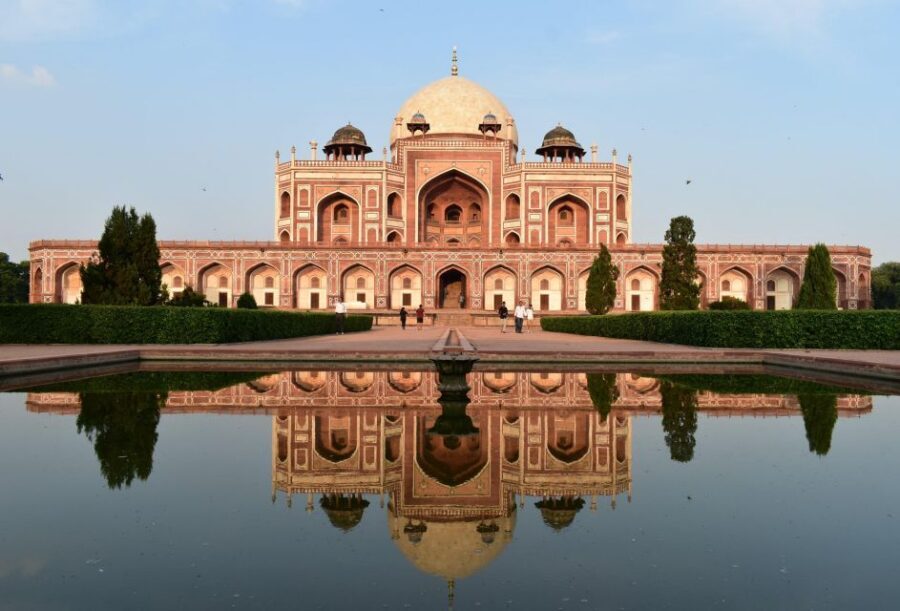
The second day is the big emotional highlight. You’ll start early for sunrise at the Taj Mahal, then continue to the Agra Fort. Sunrise is not just a marketing line here; the early start gives you better light for photos and a calmer feel than peak daytime crowds.
What I like about this plan is that it pairs the Taj Mahal with the power story behind it: Agra Fort. The fort helps you understand that the Taj isn’t floating in isolation—it’s part of a larger Mughal complex of rule, defense, and court life. When you see them together, the architecture makes more sense.
Also, there’s skip-the-line access via a separate entrance. That’s practical. You still want to arrive with time in hand, but reducing queue pressure makes the experience smoother, especially if you’re traveling as part of a small group and want the day to run on schedule.
Agra Fort and the Taj Connection: Why the Combo Feels Like a Story
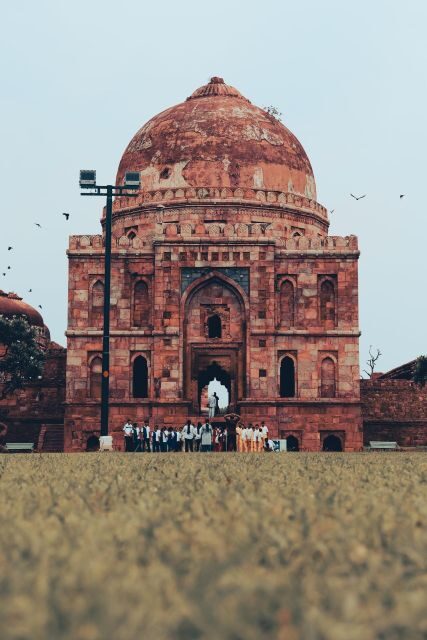
A lot of tours treat Agra Fort like an optional add-on. Here it’s timed right after the Taj Mahal experience, so you’re not switching gears too hard. You move from the iconic marble monument into the world of walls, gateways, and Mughal military and political presence.
That sequence helps you “read” the city. The Taj Mahal is romance and symbolism, while the fort is the machine behind the monument—power, planning, and control. If you enjoy learning what you’re looking at (not just snapping photos), this pairing makes the day feel purposeful.
And if you’re the type who asks questions—good. In multiple guide experiences shared for this tour, the emphasis is on answering questions patiently and explaining the details behind the scenes. That’s the difference between walking past stones and actually getting the meaning.
Fatehpur Sikri: The Mughal Ghost City Stop You’ll Remember
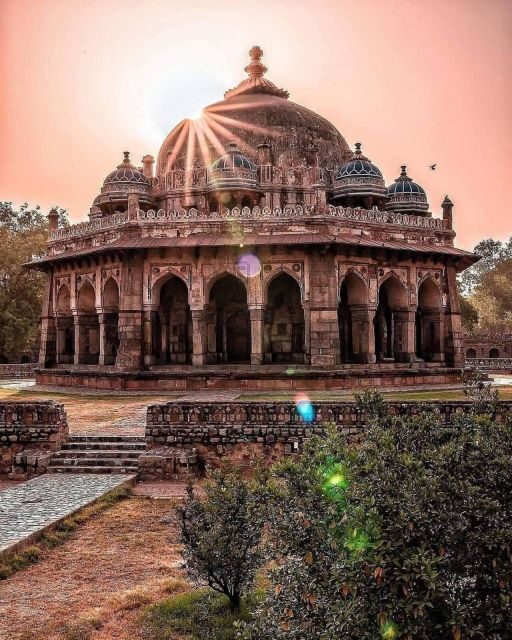
Then comes Fatehpur Sikri, described for a reason as a “ghost city.” The buildings are monumental, but the place feels quiet and slightly otherworldly. You’ll visit major highlights such as Buland Darwaza, Diwan-i-Khas, and the Tomb of Salim Chishti.
This is one of those stops where a guide changes everything. With the right explanations, you start noticing the planning behind the architecture and how the spaces connect. In the guide accounts for this tour, people praised how the guide walked them through meaning and context, instead of just naming spots.
The tomb visit is especially important. It’s a place people come for spiritual reverence, and the setting gives it weight. When the guide explains what you’re seeing and why it matters, it lands more deeply than a quick photo stop.





Abhaneri and Chand Baori: Stepwell Geometry With Real Charm
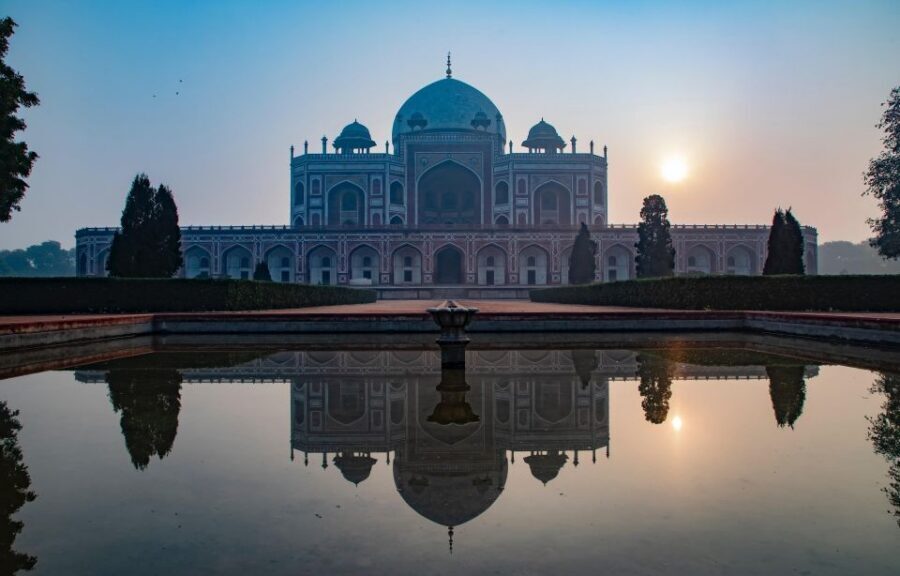
On the way to Jaipur, you’ll stop in Abhaneri for Chand Baori, one of India’s most intricate and dramatic stepwells. Even if you’re not an architecture nerd, you’ll probably feel the scale fast. It’s a big visual puzzle—layers of steps descending down, then repeating in a way that’s almost hypnotic.
This is a great break from the “palace and monument” pattern. Stepwells are practical infrastructure, but they also became architectural statements. The stop is short enough to keep your day from dragging, but long enough that you can explore and take photos properly.
If you like interesting shapes and symmetry, this is one of the more fun “wow” stops that isn’t the usual tourist default.
Jaipur Day: Amber Fort, City Palace, Jantar Mantar, and Hawa Mahal
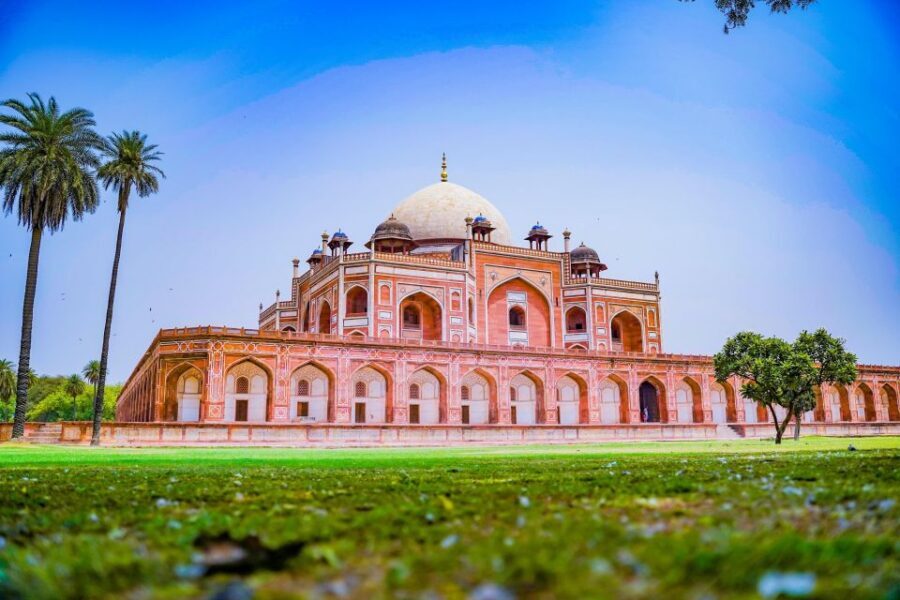
Jaipur sightseeing is where the tour leans into royal splendor and street-level color. You begin with Amber Fort, then continue to Panna Meena ka Kund, another stepwell that’s picturesque and very photogenic.
Later you’ll stop at Jal Mahal for photos. You don’t spend all day here, but you get the postcard view: the palace image rising above the waterline. It’s a quick moment, but it’s a good mental reset before the larger indoor and architectural stops.
Then it’s the heavy hitters: City Palace and Jantar Mantar. City Palace gives you a sense of power and lived-in royal space, while Jantar Mantar shows the science angle—astronomy built into stone instruments. If you enjoy structure and measurement, Jantar Mantar can surprise you.
Finally, you get Hawa Mahal, the iconic palace façade. Even if you’ve seen it in photos, seeing it in person feels different because it’s built for light and looks. You’ll also have time for shopping in Jaipur’s bazaars, which is one of the best ways to catch the everyday pulse after all the big-ticket monuments.
Private Guides Who Can Actually Answer Questions

This tour’s reviews lean heavily toward guides who explain well and stick around for questions. You’ll see strong positive notes attached to names like Satyam, Azhar, Ali, and GG. The common thread is that these guides don’t just list facts—they connect what you’re seeing to the broader story.
Language support is also a practical plus: English and Spanish. That matters if you’re traveling with someone who prefers Spanish, or if you want your explanations to land clearly instead of being half-translated on the fly.
One small caution, mentioned earlier: a negative account noted a late guide and hygiene habits that made the experience uncomfortable. If you’re picky about punctuality and personal conduct, it’s fair to keep that in mind. Ideally, your guide will be professional and attentive, but early mornings and tight days leave little room for sloppiness.
Price and Value Around $65: What You’re Really Paying For
At around $65 per person for a 3-day plan, the value is mostly about what’s included: pickup and drop-off, a private air-conditioned car, and monument guidance plus bottled mineral water. You’re also covered for all taxes, parking, and service charges—that reduces surprise costs.
Two items can affect your final total: monument entrance and accommodation are included only if you select the options. So the headline price can be either a true bargain or a partial price depending on what you choose. Still, even if you add entrances and a hotel option, you’re typically paying for time-saving logistics plus the benefit of a guide.
This is the kind of tour that helps when you value your schedule. If you try to do it on your own with drivers, ticketing, and timing, you spend more effort and often end up coordinating more than sightseeing. If you’re short on time and want the major sights in a compact loop, the price makes sense.
Getting the Timing Right: Sunrise Starts and Long Drive Days
This itinerary is built around early starts, especially for the Taj Mahal sunrise day. That means you’ll want to treat mornings like a priority, not a suggestion. The payoff is worth it, but your comfort habits matter: good shoes, water, and keeping your daypack simple.
You’ll also have long drive stretches. A private A/C car helps a lot, but the best trick is to plan your energy. Keep your “must-see” list clear, and don’t waste every gap arguing about what to do next. When you stick to the flow, the days feel smooth.
If you’re sensitive to heat or bright glare, the stepwell and fort days can still feel intense. You’ll do better with light layers and sun protection. It’s India; your body does the negotiating, not the itinerary.
Where You’ll Sleep: Twin-Sharing Rooms and How Group Sizes Work
If accommodation is selected, rooms are provided on a twin-sharing basis. If you book as a group of three, a triple-sharing room is allocated by default. If three guests prefer two rooms instead, there can be an additional charge.
That’s worth checking before you book if you’re traveling with friends or a mix of couples and singles. It’s also helpful to know that the tour can handle pickup even if you don’t book a hotel through them—you still get pickup and drop-off at your accommodation.
Should You Book This 3-Day Delhi–Agra–Jaipur Tour?
I’d book this if you want a tight, guided route through the classic Golden Triangle with meaningful stops like Taj Mahal sunrise, Fatehpur Sikri, and major Jaipur landmarks. It fits best for first-time India visitors, couples, and families who like clear explanations and hate wasting hours on coordination.
I would pause and consider your preferences if you’re very strict about punctuality or personal comfort, because one negative account mentioned guide lateness and hygiene habits. Also note that entrances and hotel costs depend on what you select, so check what your final package includes.
If you’re the type who enjoys asking questions and you want your “must-sees” done properly, this is a strong value way to spend three days.
FAQ
How long is the Delhi to Agra to Jaipur tour?
It runs for 3 days.
What does the tour include for transportation?
You get pickup and drop-off at your hotel or airport, plus sightseeing by a private air-conditioned car.
Are English and Spanish guides available?
Yes. The live tour guide can be English or Spanish.
Does the tour help with skipping lines?
Yes. There’s skip-the-line access through a separate entrance, and guides can assist with purchasing entrance tickets.
Are monument entrance fees included?
Entrance to monuments is included only if you select that option.
Is accommodation included?
Accommodation is included only if you select that option.
Do I get bottled water during the trip?
Yes. Bottles of mineral water are included.
What’s the room setup if accommodation is booked?
Rooms are twin-sharing. If three people book, triple-sharing is allocated by default, and additional charges may apply if you prefer two rooms.
What’s the cancellation policy?
You can cancel up to 24 hours in advance for a full refund.
Is pickup available if I don’t book a hotel through the tour?
Yes. If you book without hotels, you’ll still receive pickup and drop-off at your own accommodation.