REVIEW · FATEHPUR SIKRI
From Agra: Fatehpur Sikri Guided Tour
Book on GetYourGuide →Operated by India Tour · Bookable on GetYourGuide
Red stone history hits hard at Fatehpur Sikri. This UNESCO Mughal capital ruins are full of big ideas: Emperor Akbar’s grand city, the Hindu-Islamic design mix, and the mystery of why it was abandoned so fast. I loved the Islamic-Hindu architecture and how the site feels preserved enough to understand its scale without a long, complicated trip.
This is also one of those tours where the guide matters. You don’t just walk around; you get the story tied together, from Akbar’s vision to the city’s later disappearance, with stops kept organized for a smooth 3–4 hour visit. In feedback about guides, people highlighted how Hasan explained things clearly even for kids, and Abdul shared lots of useful context once you’re onsite.
One consideration: there’s a moderate amount of walking, and you’ll want to follow the dress note (short skirts aren’t allowed) plus the photo rule (no flash inside monuments). If you’re arriving with stiff legs or minimal sun protection, plan ahead so the afternoon stays enjoyable instead of tiring.
In This Review
- Key highlights worth your attention
- Fatehpur Sikri, in a tight 3–4 hour window
- Red sandstone and the Akbar story you can actually follow
- What the guided route does for you on-site
- UNESCO value: why Fatehpur Sikri is worth the effort
- Transportation from Agra: comfort and time saved
- The itinerary in order, and what to watch for at each step
- Pickup and travel to Fatehpur Sikri
- Fatehpur Sikri: guided sightseeing that keeps you oriented
- Return drop-offs in Agra
- Photos, flash rules, and dress notes that prevent headaches
- Price and value: what $4.39 buys you in real terms
- Who this tour fits best (and who might want another plan)
- Practical tips to make your afternoon smoother
- Should you book this Agra to Fatehpur Sikri guided tour?
- FAQ
- How long is the Fatehpur Sikri guided tour from Agra?
- Is roundtrip transportation included?
- Do I get hotel pickup in Agra?
- What’s included besides the guide?
- Will the tour be guided in English?
- Are there other guide languages besides English?
- Is there a private group option?
- Can I take photos at Fatehpur Sikri?
- What should I wear for the tour?
- Is there free cancellation?
Key highlights worth your attention
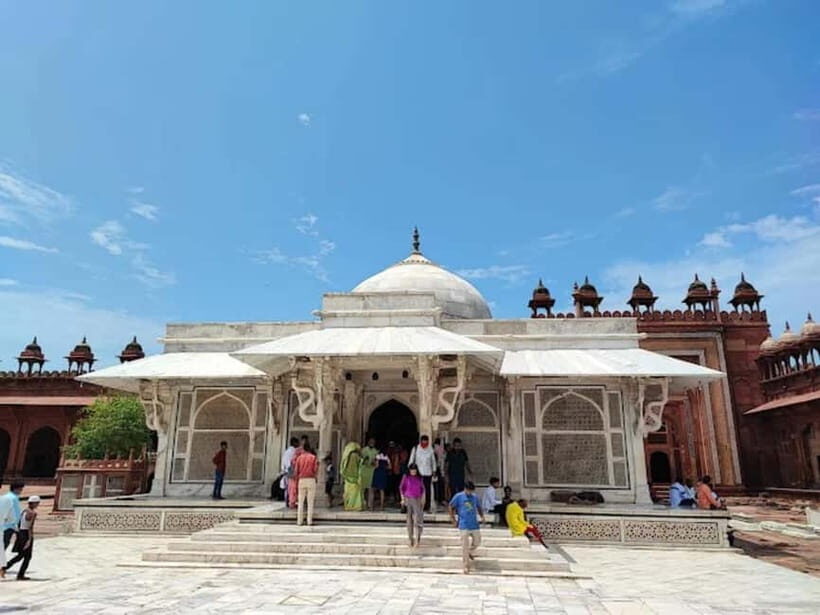
- UNESCO “City of Victory” made for a fast but meaningful historical visit
- Islamic and Hindu architectural blend built from red sandstone
- A professional guide who turns scattered ruins into a clear story
- A/C roundtrip car from Agra that cuts down hassle and waiting
- Easy touring flow with bottled water, a snack, and practical on-site guidance
Fatehpur Sikri, in a tight 3–4 hour window
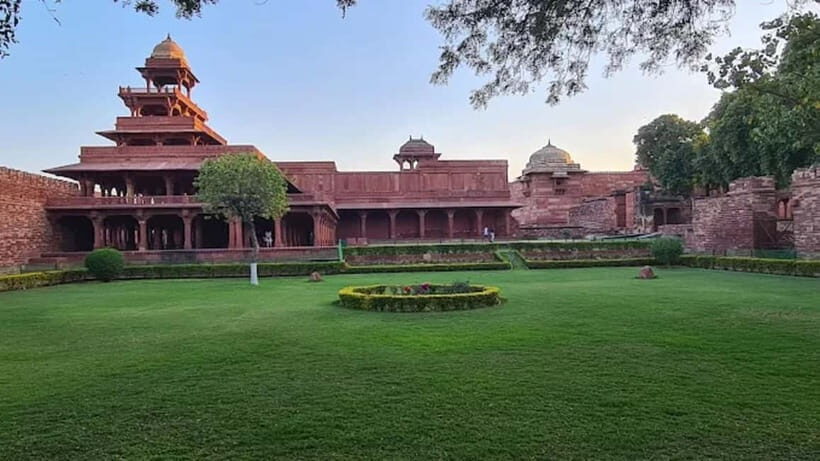
Fatehpur Sikri is one of those places where “just ruins” doesn’t really fit. Yes, you’re standing in the remains of a once-proud capital, but the city layout, walls, and monuments help you feel the ambition behind it. Even in a short time, you can pick up what Akbar was trying to do: unite people through culture, faith, and design.
The “short time” part matters. At 3–4 hours total, this tour is built for travelers who want a real experience from Agra without turning the day into a full-day grind. You’ll get roundtrip air-conditioned transport and a guided route, so you’re not spending your precious hours figuring out where to go next.
And the setting adds drama. Fatehpur Sikri sits on a rocky ridge and is surrounded by sturdy walls, so you get that “city in a box” feeling as you move through the main areas. That physical layout is one reason the abandonment story feels so intriguing—you can see the scale of a place that didn’t last.
You can also read our reviews of more guided tours in Fatehpur Sikri
Red sandstone and the Akbar story you can actually follow
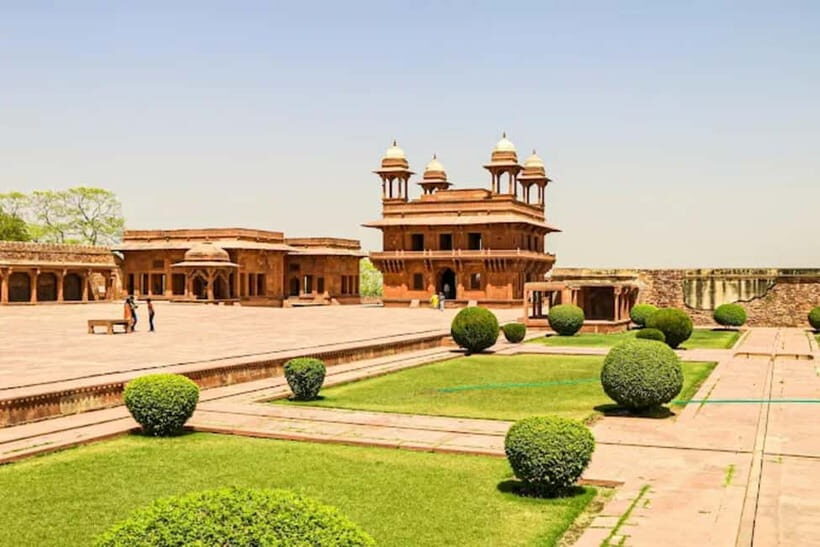
What I like about Fatehpur Sikri is that it makes history feel physical. This city—built in the 1570s by Emperor Akbar—was meant to be a political and cultural center. Then, by the early 17th century, it was mysteriously abandoned, leaving behind a built environment that still looks intentional and well planned.
Your guide’s job here is more than facts and dates. When you’re standing in front of multiple monuments, palaces, mosques, and temples, it’s easy to miss how the whole city is organized around Akbar’s vision. A good guide helps you connect the architectural choices to the bigger theme: cultural and religious unity expressed through design rather than slogans.
The red sandstone is part of that effect. The color and texture help the city feel unified, even though the buildings represent different religious and artistic influences. If you pay attention to shapes, arches, and ornament styles as you move, you’ll start to see how the Islamic and Hindu elements are blended rather than kept in separate boxes.
What the guided route does for you on-site
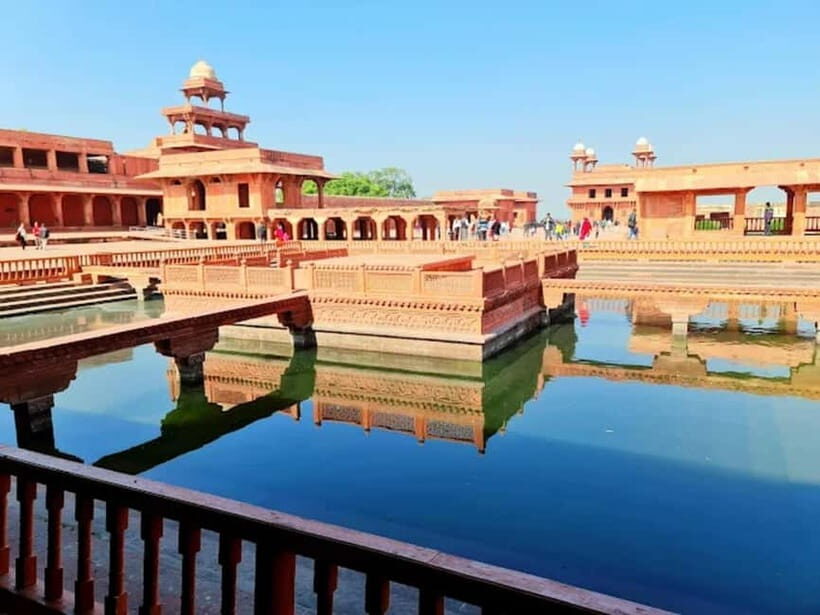
On a site like this, a self-guided approach can leave you with a lot of staring and not enough understanding. With a guide, your walk becomes more like a guided conversation with the past. You’ll hit the city’s most important areas without guessing, and you’ll get help spotting what’s significant.
This is where the best feedback really lines up: people praised guides for clarity and for keeping the energy up. One review specifically called out Hasan’s experience and how he explained in a way that kept kids interested. Another mentioned Abdul having lots of great information once you reached Fatehpur Sikri.
Even if you’re not traveling with children, that kind of explanation style matters. You get fewer “wait, what am I looking at?” moments, and more “oh, that’s why that detail is there.” That’s the difference between seeing buildings and understanding a city concept.
UNESCO value: why Fatehpur Sikri is worth the effort
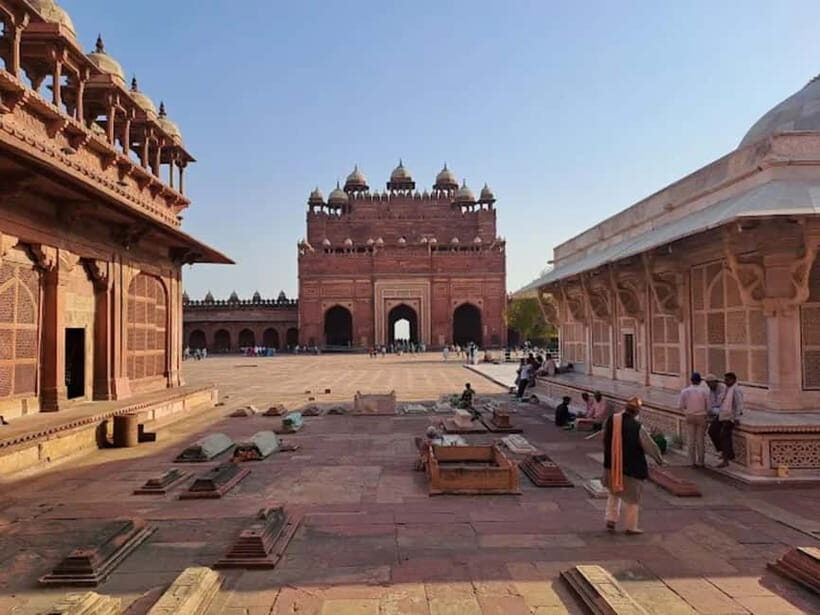
UNESCO doesn’t give special status to everything, so the label here is useful shorthand. Fatehpur Sikri is recognized as a World Heritage Site, and that matters because it’s preserved enough to study the architecture and the city planning. You’re not touring a vague memory—you’re walking through an actual, legible urban layout.
I also like how the UNESCO status supports the experience you’re paying for. The site is set up for visitors, and a guided tour helps you use that structure instead of bouncing around. You’ll spend your time on the high-impact areas rather than chasing side paths.
Most importantly, the UNESCO angle connects to the “mystery” part. The city thrived briefly as Akbar’s hub, and then it was left behind by the early 1600s. That abrupt change is hard to ignore when you can see the scale of what was built. The result is a visit that feels both grand and strangely human: a big plan, a short life, a long afterlife.
Transportation from Agra: comfort and time saved
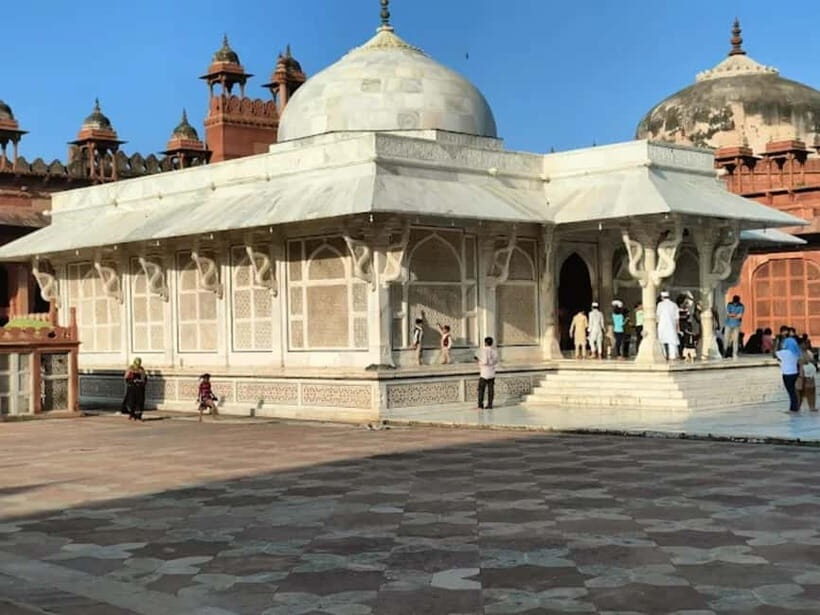
You’re based in Agra, and the tour builds its value around not losing time. You get roundtrip transportation by air-conditioned vehicle, plus pickup optional from your desired location in Agra Hotel. For many visitors, that A/C comfort is the difference between arriving fresh and arriving cranky.
This also helps with logistics. When a driver and transport are handled, you’re free to focus on the site instead of hunting for rides or coordinating entry timing. And since the tour duration stays in the 3–4 hour range, you’re not stuck negotiating changes all afternoon.
The driver experience can matter more than people think. One review mentioned salin as a comfortable and courteous driver, which is exactly the kind of detail that improves the whole day. You’ll be more relaxed during the drive, and you’ll spend more energy on what you came for: Fatehpur Sikri itself.





The itinerary in order, and what to watch for at each step
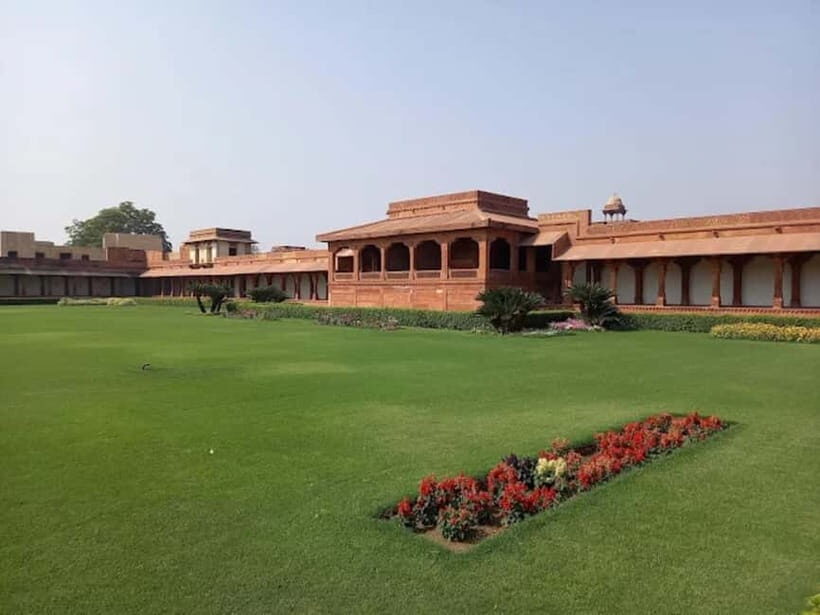
This tour is built around one main stop, with a straightforward flow. The day starts with pickup from your chosen location in Agra, then heads out to Fatehpur Sikri for the guided visit.
Pickup and travel to Fatehpur Sikri
Expect a typical “get moving, get there, then start learning” setup. The A/C car keeps the ride comfortable, especially if you’re going in warmer months. If your pickup time is flexible, pick the start you can handle without rushing your breakfast.
Fatehpur Sikri: guided sightseeing that keeps you oriented
Once you arrive, the guided part is the core experience. You’ll visit the UNESCO site and see major monuments, palaces, mosques, and temples that reflect the blend of Islamic and Hindu architectural elements. The goal is to help you understand the city as a whole, not as disconnected photos.
There’s usually a small amount of on-site movement, and you should plan for that. Comfortable shoes are a must here, because the ground and steps around historic areas can add up over a short period.
Return drop-offs in Agra
After your guided time at the site, you’ll be dropped back in Agra. This is a real plus if you’re managing the rest of your day—dinner plans, hotel rest, or pairing Fatehpur Sikri with another Agra highlight. You’re not left trying to find your own ride after walking a lot in the heat.
Photos, flash rules, and dress notes that prevent headaches
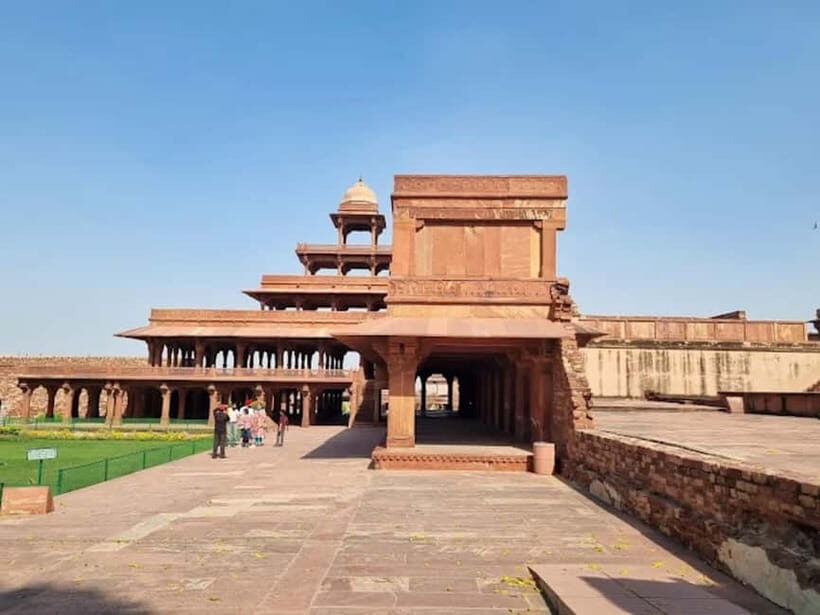
Fatehpur Sikri is very photogenic, but the rules are part of the experience. Photography is allowed, but flash is prohibited inside the monuments. That’s one of those details that can be easy to overlook until you’re already at the doorway, so set your camera habits early.
Dress rules are also worth respecting. Short skirts aren’t allowed, and you’ll want to dress for comfortable walking. If you’re traveling in hot weather, bring sunscreen and a hat since hot sun can turn “moderate walking” into a tiring afternoon.
And yes, keep your belongings secure. The tour notes mention pickpocketing can happen in crowded places, which is common sense advice on any historic site. Keep your valuables zipped and your phone/chain secure, especially while you’re stopping for photos.
Price and value: what $4.39 buys you in real terms
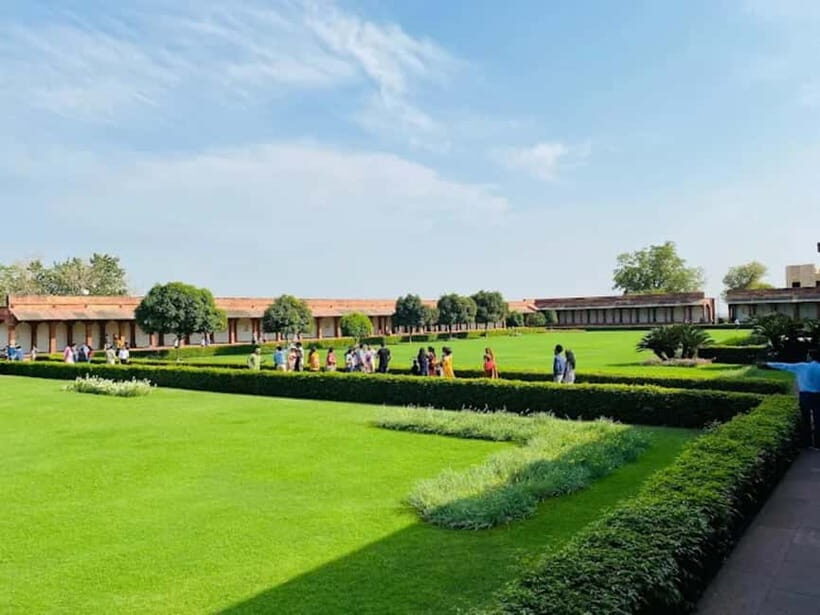
At $4.39 per person, this tour is priced for maximum access. That doesn’t mean it’s “bare bones,” either. You’re getting roundtrip A/C transport, a professional guide, bottled water, a snack, and taxes/tolls are included—so there aren’t a bunch of separate add-ons waiting later.
The value comes from three places:
First, time management. A guided, half-day-style experience from Agra saves you the effort of planning and reduces time spent figuring things out.
Second, interpretation. Fatehpur Sikri’s significance isn’t just visual. It’s the whole story of Akbar’s city—its architecture blend, its strategic position, and its mysterious abandonment. A guide is what turns the site from pretty ruins into a clear narrative.
Third, convenience. Pickup optional from your Agra hotel area and an organized return means you keep control of your day.
If you’re comparing this to piecing together your own transport and guide separately, this price point is often hard to beat for the level of structure you receive.
Who this tour fits best (and who might want another plan)
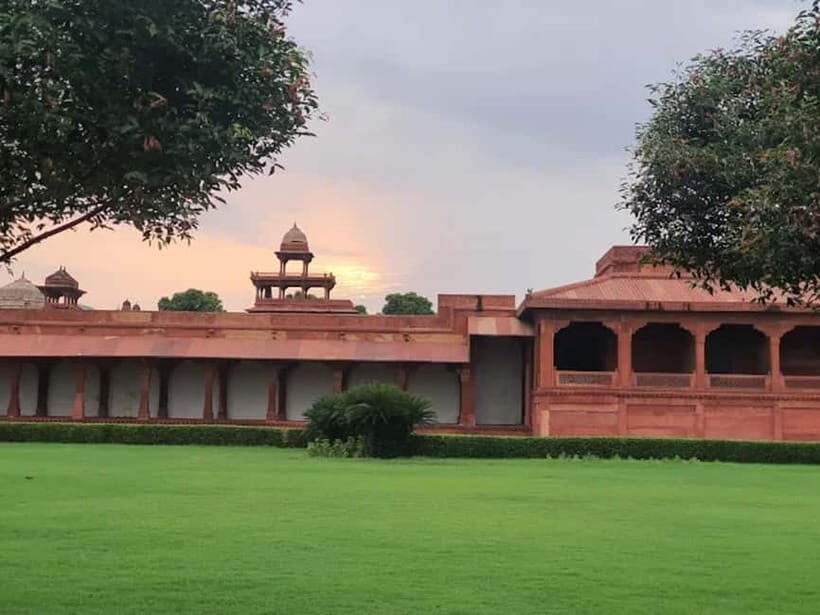
This tour is a great fit if you want a strong UNESCO experience without a long day. It’s also well suited for families, partly because clear guiding helps different age groups stay engaged—one review specifically praised Hasan for explanations that interested kids.
You’ll also like it if you care about architecture and cultural mixing. The site’s Islamic and Hindu architectural blend isn’t just a trivia point; it’s something you’ll see as you move through the city’s major areas, built from red sandstone and set within defensive walls.
Consider another option if:
- You need a very low-walking itinerary, because you should be ready for a moderate amount of walking.
- You’re expecting fully indoor, sit-down viewing. This is an outdoor historic site where comfort depends on your shoes and sun protection.
Practical tips to make your afternoon smoother
Here are a few “do this, not that” ideas based on what the tour emphasizes:
- Wear comfortable shoes before you arrive, not after. The walking adds up over a short visit.
- Bring sunscreen and a hat if the weather is hot. The tour specifically recommends it.
- Plan your photos around the flash rule. Turn off flash mode so you don’t forget at the wrong moment.
- Keep your belongings secure in crowded areas, especially when stopping for pictures or waiting near entry points.
- Respect the dress note (no short skirts). It avoids awkward friction and keeps the tour flowing.
If you do just those few things, you’ll spend your energy on the places and ideas instead of small discomforts.
Should you book this Agra to Fatehpur Sikri guided tour?
I think this is an easy yes if you want an organized, guided UNESCO visit from Agra that stays within a 3–4 hour window. The combination of A/C roundtrip transport, a professional guide, and included water/snack makes it feel low-stress for a place that can otherwise take planning and coordination.
Book it if you’re interested in Akbar’s vision of a blended culture shown through architecture, and if you like the idea of a city that rose quickly and was abandoned early. It’s also a strong option for families because good guiding can keep the story clear for different ages.
Skip it (or choose something gentler) if you know you struggle with moderate walking or you want more time per stop. Fatehpur Sikri rewards attention, and a short tour means you’ll likely remember the big picture more than every tiny detail.
If you’re balancing time in Agra and want a meaningful UNESCO stop, this one is a practical win.
FAQ
How long is the Fatehpur Sikri guided tour from Agra?
The tour lasts about 3 to 4 hours.
Is roundtrip transportation included?
Yes. You get round-trip transportation by air-conditioned vehicle.
Do I get hotel pickup in Agra?
Pickup is optional. The driver can pick you up from your desired location in Agra hotel.
What’s included besides the guide?
You’ll receive bottled water and a snack, and taxes/charges/tolls are included.
Will the tour be guided in English?
Yes. The tour guide can be English-speaking, and English is one of the available languages.
Are there other guide languages besides English?
Yes. English, Spanish, and French are listed as available languages.
Is there a private group option?
Yes. Private group availability is mentioned.
Can I take photos at Fatehpur Sikri?
Photography is allowed, but flash is prohibited inside the monuments.
What should I wear for the tour?
Wear comfortable shoes. Short skirts aren’t allowed.
Is there free cancellation?
Yes. Free cancellation is available up to 24 hours in advance for a full refund.